RU
 EN
 ES
 AR
Do Premium-Brand Synthetic Resin Tiles Offer Longer Service Life?

When selecting synthetic resin tiles, many consumers instinctively opt for well-established brands, assuming that such products inherently deliver longer service life and superior quality assurance. While this perception holds some validity, it is not an absolute rule. The actual service life of resin roofing tiles is determined by a confluence of factors—including raw material formulation, ASA co-extrusion technology, quality control rigor, certification standards, installation practices, and environmental exposure conditions. Brand reputation primarily reflects consistency and reliability in the first few of these dimensions—not the mere presence of a brand name itself. This article provides an objective analysis of whether premium-brand synthetic resin tiles truly offer extended service life, evaluated across seven key dimensions: brand value, raw material formulation, manufacturing process, testing and certification, after-sales support, cost-effectiveness, and common misconceptions.
1. The Essence of Brand Value: Consistency and Traceability
Premium-brand synthetic resin tiles generally demonstrate more reliable service life—primarily because their manufacturers have established robust, standardized quality management systems. These companies typically employ proven formulations, implement fully standardized production protocols, and enforce stringent quality control measures. As a result, inter-batch performance variation is minimal, and product behavior remains predictable and fully traceable throughout its lifecycle. In contrast, smaller manufacturers or workshops often adopt ad hoc formulations and lax quality oversight, leading to significant batch-to-batch inconsistencies—where even tiles from the same production run may exhibit markedly divergent durability. Thus, what premium brands deliver extends beyond the physical product: they provide a verifiable, systematic framework for quality assurance—directly contributing to higher average service life.
2. Material Formulation and Raw Materials: The Foundation of Longevity
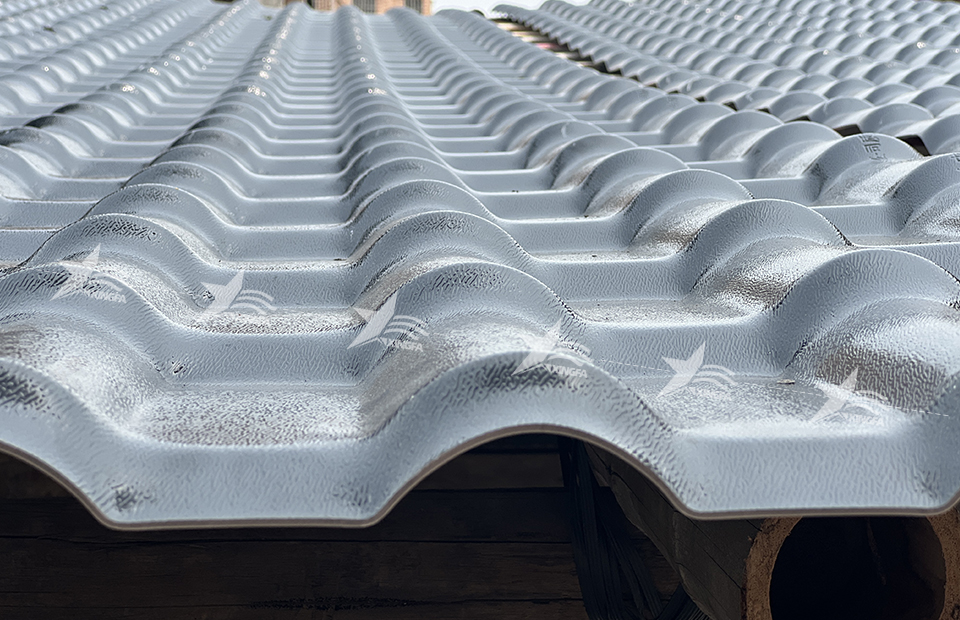
The core determinant of service life lies in material composition and raw material quality. Premium-brand products consistently utilize virgin polymer resins and incorporate optimal dosages of stabilizers, impact modifiers, and UV-resistant additives. Their ASA co-extruded surface layers are uniformly thick and strongly bonded to the substrate—ensuring effective resistance against ultraviolet radiation, thermal cycling, and chemical degradation. Conversely, low-cost alternatives frequently contain high proportions of recycled materials and calcium carbonate fillers; their ASA layers are often excessively thin—or entirely absent—resulting in rapid color fading, chalking, embrittlement, and cracking within a short operational period. From a fundamental materials science perspective, premium brands’ greater investment in high-grade raw materials and scientifically validated formulations establishes a solid foundation for extended service life—constituting the principal reason why their performance typically surpasses that of unbranded or lesser-known alternatives.
3. Manufacturing Process and Quality Control: Ensuring Performance Stability
Even with identical formulations, final product quality hinges critically on manufacturing precision. Leading brands deploy mature dual-layer co-extrusion equipment, enabling precise regulation of extrusion temperature, screw speed, and cooling/setting parameters. This ensures strong interfacial adhesion and uniform thickness of the ASA layer, as well as dimensional stability of the tile profile. Comprehensive in-process and final-product quality inspections are conducted per batch—covering critical metrics such as thickness tolerance, weathering resistance, and impact strength—with nonconforming units systematically rejected. By contrast, smaller facilities often operate outdated equipment and apply rudimentary process controls, resulting in defects including uneven ASA coverage, warping, and residual internal stresses—issues that may remain latent initially but accelerate aging and cracking over time. Such disparities in process discipline and quality assurance directly translate into superior long-term performance stability for premium-brand products.
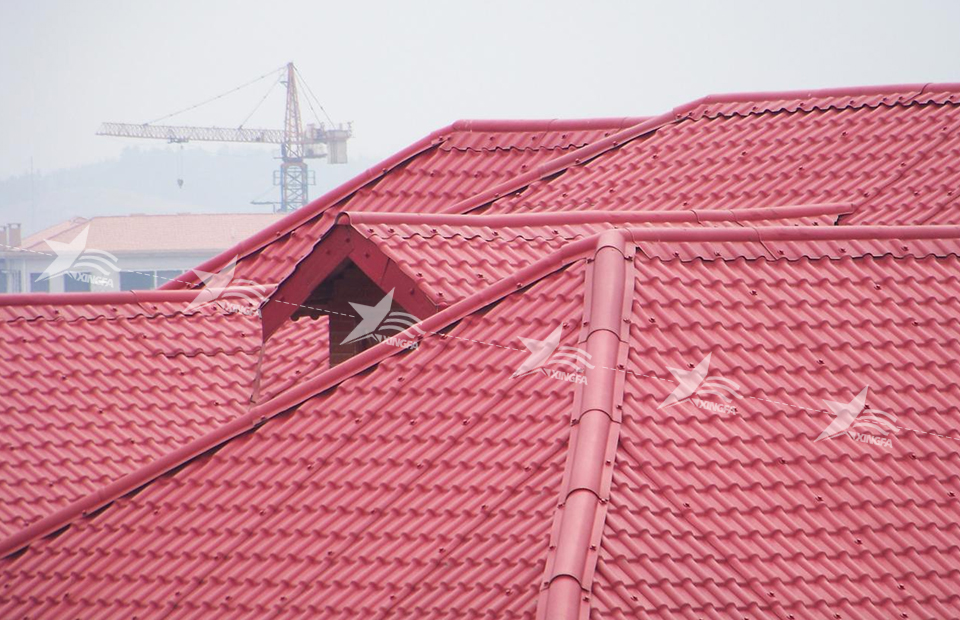
4. Testing, Certification, and Empirical Data: Objective Evidence of Durability
Premium brands routinely provide authoritative third-party test reports covering essential performance indicators—including accelerated weathering (e.g., QUV), weathering resistance classification (e.g., ASTM G154/G155), and flame retardancy ratings (e.g., ASTM E84). These data are publicly verifiable and serve as objective benchmarks for estimating real-world service life potential. Several leading brands also hold internationally recognized certifications—such as ISO 9001 quality management system certification and China’s Green Building Materials certification—further substantiating their quality claims. In contrast, smaller manufacturers rarely supply credible, independently verified test documentation; their longevity assertions are often unsubstantiated verbal claims. Consumers can therefore make more informed, evidence-based comparisons by reviewing certified test reports—rather than relying solely on marketing narratives. This evidentiary transparency represents a distinct advantage of premium brands in terms of durability credibility.
5. After-Sales Support and Warranty Coverage: Mitigating Lifecycle Risk
Premium brands typically offer clearly defined warranty periods and professional technical support services. Should performance issues arise, customers benefit from responsive resolution pathways—significantly reducing risks associated with post-installation repair or replacement. For small-scale or unbranded products, warranty commitments are frequently nominal or unenforceable, leaving consumers without recourse when failures occur. Viewed across the full asset lifecycle, comprehensive warranty and after-sales infrastructure enhance the practical realization of stated service life—transforming theoretical durability metrics into tangible, supported user experience. That said, warranty terms invariably include specific conditions and exclusions; prospective buyers should carefully review and confirm all applicable clauses prior to purchase.
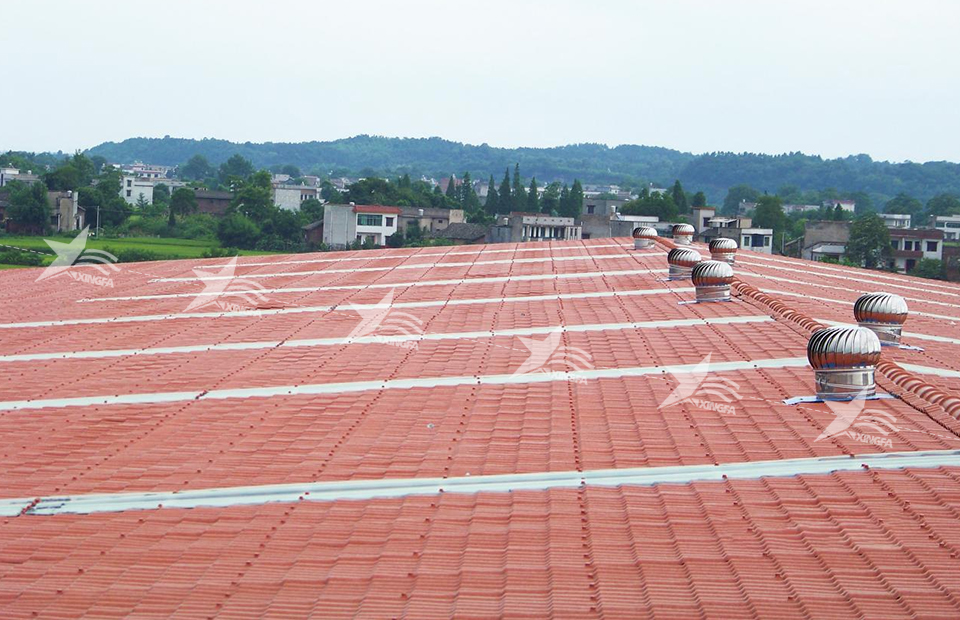
6. Cost-Effectiveness and Brand Premium
Products from premium brands command higher market prices, reflecting a measurable brand premium. The value proposition of extended service life must therefore be assessed holistically—balancing upfront investment against long-term performance, maintenance requirements, and total cost of ownership. In applications involving extended roof service life expectations or harsh environmental conditions (e.g., high UV intensity, extreme temperature fluctuations, or industrial pollution), premium-brand tiles often prove more economical over time due to enhanced reliability and lower lifecycle costs. Conversely, where budget constraints are acute and environmental stressors are mild, select high-performing products from reputable mid-tier manufacturers may deliver satisfactory service life at significantly improved cost efficiency. Optimal decision-making thus requires evaluating “cost per year of service life”—not price alone or brand prestige—thereby avoiding excessive premiums paid purely for branding.
7. Common Misconceptions and Core Selection Criteria
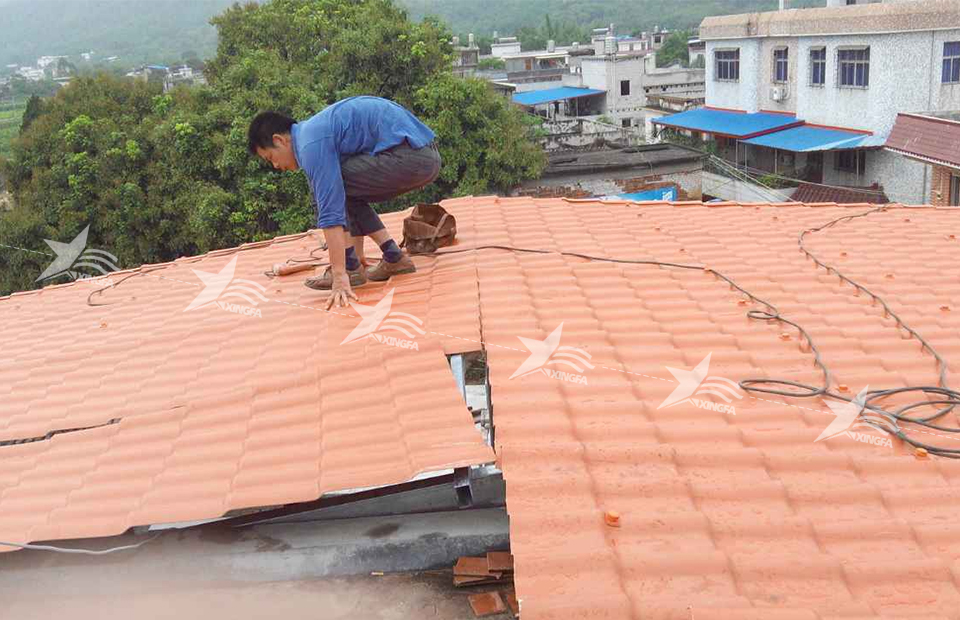
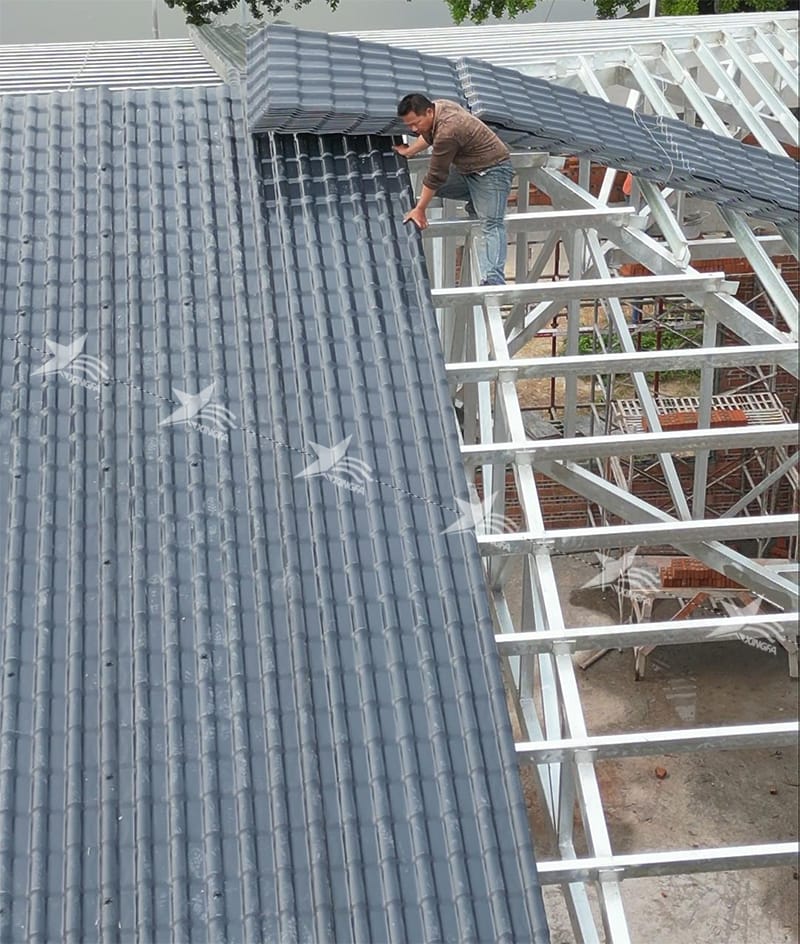
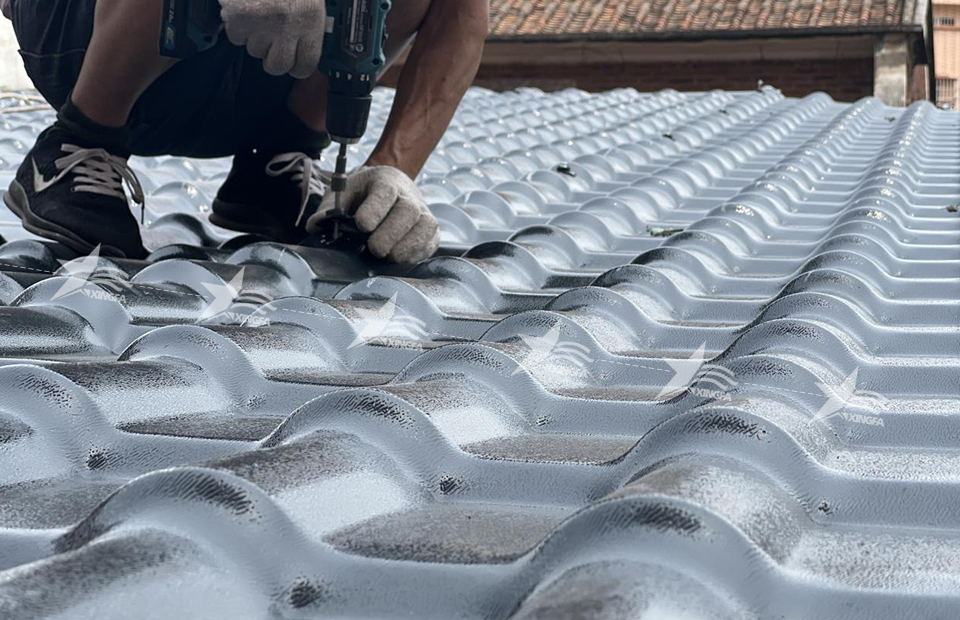
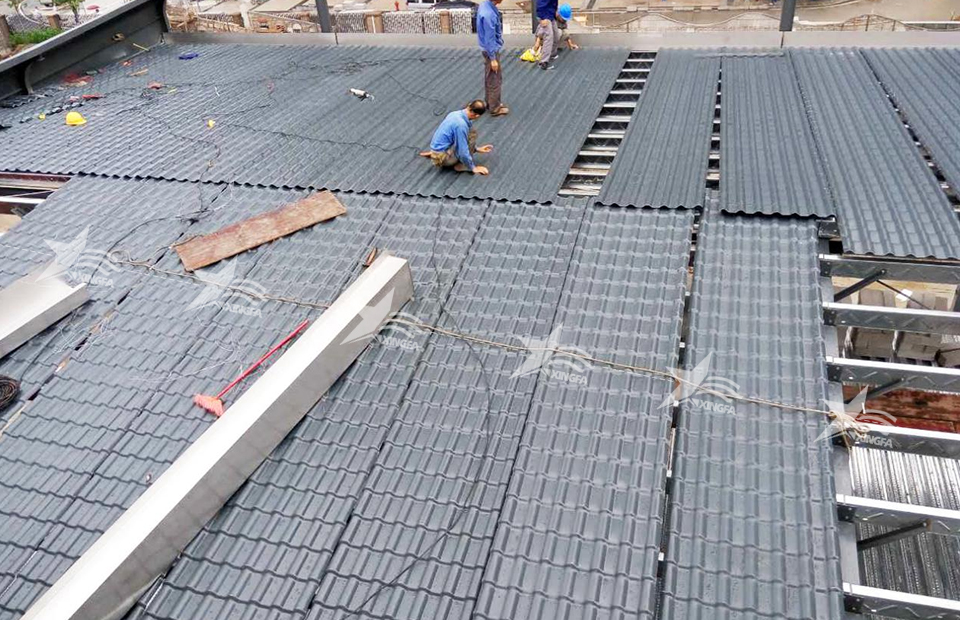
Two prevalent misconceptions warrant caution: First, equating brand name with guaranteed performance—overlooking the risk of counterfeit, OEM-labeled, or unauthorized “brand-sold” products lacking genuine quality control. Second, assuming that premium branding automatically ensures longevity—while neglecting the decisive influence of proper installation. Even the highest-grade tile will suffer severely compromised service life if installed incorrectly (e.g., inadequate fastening, improper overlap, or insufficient ventilation). Therefore, the substantive selection criteria must center on verifiable technical attributes: confirmation of virgin-resin substrate, authentic ASA co-extruded surface layer, measured thickness compliance, availability of accredited test reports—and appropriate product selection aligned with local climatic conditions and adherence to industry-standard installation protocols. Only by looking past brand identity to examine underlying technical substance can buyers secure genuinely durable, long-life roofing solutions.