RU
RU  EN
EN  ES
ES  AR
AR Analysis of the Impact of High-Temperature Weather on the Service Life of Synthetic Resin Tiles
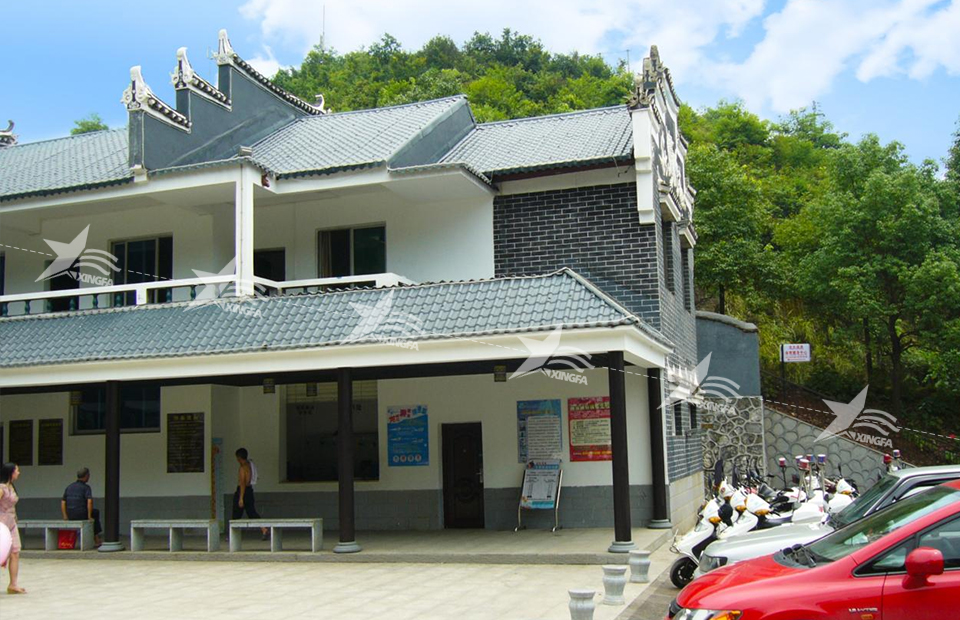
Prolonged high temperatures and intense solar exposure during summer constitute the primary environmental challenges faced by outdoor roofing materials. Many users hold a misconception that synthetic resin tiles—owing to their strong weather resistance—are impervious to high-temperature effects. In reality, sustained extreme heat and repeated thermal cycling (i.e., alternating hot and cold conditions) continuously degrade the functional performance of resin tiles, accelerating aging and deterioration. The high-temperature resistance and rate of service-life attenuation of resin tiles are not determined solely by material composition; they are also significantly influenced by regional climatic characteristics and on-site installation practices.
1. High-Temperature Climatic Environment: The Primary External Driver of Resin Tile Aging
Prolonged high-temperature exposure and frequent diurnal thermal cycling constitute the principal external factors contributing to reduced service life of synthetic resin tiles. The aging rate of resin tiles under extreme summer heat differs markedly from that observed under normal ambient conditions. First, synergistic degradation induced by ultraviolet (UV) radiation and elevated temperature significantly compromises tile integrity. Intense summer sunlight delivers both high thermal energy and high-intensity UV radiation, which penetrates the tile surface layer. Combined with thermal energy, UV radiation disrupts the molecular structure of the resin matrix, resulting in progressive discoloration, gloss loss, chalking, and continuous deterioration of the surface protective function.
Second, thermal expansion and contraction induce structural fatigue. Under high-temperature conditions, roofing tiles remain in a state of thermal expansion; rapid cooling at night triggers abrupt contraction. Repeated daily cycles of expansion and contraction gradually induce microstructural fatigue, progressively diminishing the material’s toughness. Over time, this leads to fine cracks, edge curling, and localized buckling—compromising the roof’s overall watertightness and potentially causing leakage. Moreover, elevated temperatures accelerate atmospheric corrosion by moisture, acidic, and alkaline substances. Compared with temperate climates, the overall aging rate of resin tiles in high-temperature regions increases by 20%–30%. When combined with alternating periods of intense solar exposure and heavy rainfall, service-life degradation is further exacerbated.
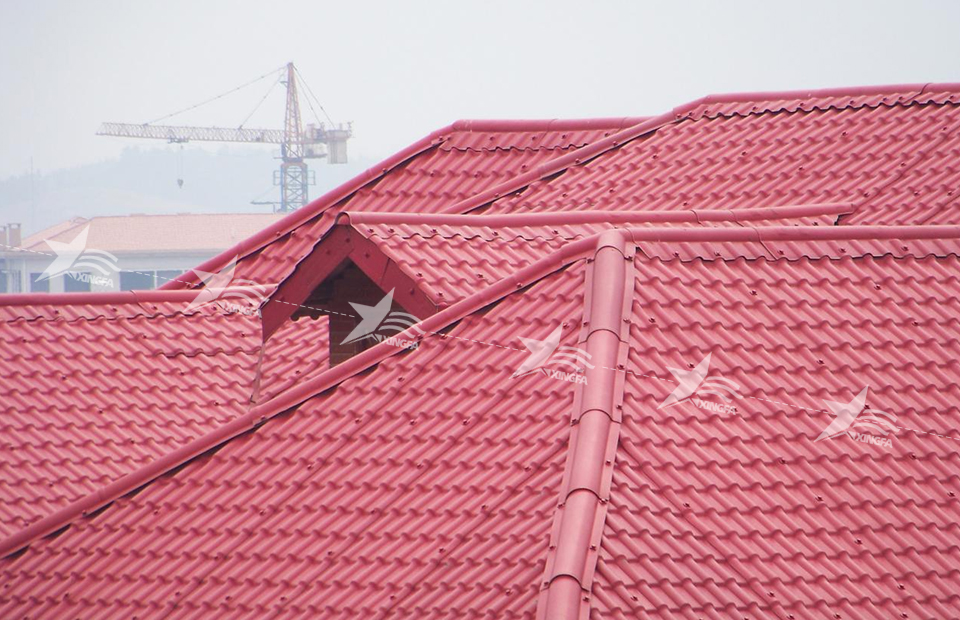
2. Material Composition: The Foundational Determinant of High-Temperature Resistance and Aging Resistance
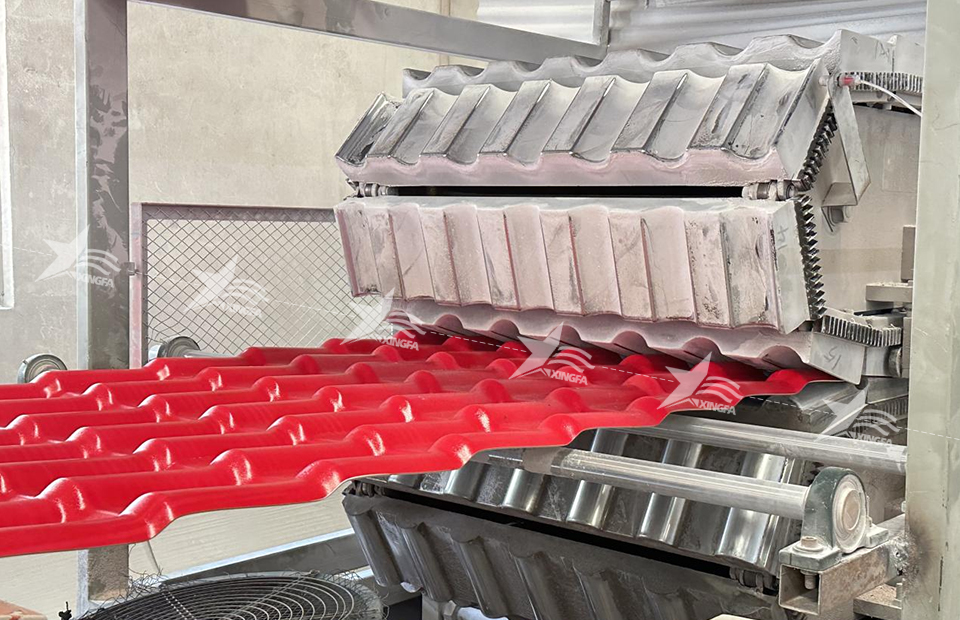
The formulation and structural design of resin tiles directly govern their high-temperature resistance and anti-aging capability—constituting the fundamental reason for substantial service-life disparities among products of varying quality. Premium synthetic resin tiles on the market adopt a multi-layer composite structure comprising an ASA (acrylonitrile-styrene-acrylate) high-weatherability topcoat and a PVC (polyvinyl chloride) substrate. Distinct thermal stability and UV resistance characteristics between these two constituent materials collectively define the upper limit of product durability.
High-purity ASA weather-resistant resin exhibits exceptional thermal stability and UV resistance, maintaining structural integrity and color retention under prolonged roof-surface temperatures up to approximately 70°C. It resists thermal decomposition, discoloration, and aging, thereby effectively shielding the underlying substrate and substantially delaying performance degradation. Certified multi-layer composite resin tiles can achieve service lives exceeding 15 years in high-temperature regions. In contrast, substandard resin tiles suffer from critical material deficiencies: some manufacturers reduce ASA content to cut costs, substituting it with ordinary pigments or recycled waste materials. Consequently, the weather-resistant surface layer becomes thin and impure, severely compromising its protective efficacy.
Such inferior tiles exhibit extremely poor high-temperature resistance. Roof-surface temperatures in summer commonly reach 60–80°C; prolonged exposure rapidly induces surface discoloration, chalking, and delamination. Once the protective layer fails, the underlying PVC substrate undergoes accelerated softening, aging, and embrittlement—resulting in widespread damage and leakage within just 3–5 years. Furthermore, monolithic homogeneous resin tiles—where weather-resistant additives are uniformly dispersed throughout the matrix—suffer dilution of active components, leading to markedly lower high-temperature resistance and anti-aging performance compared to stratified multi-layer structures. Consequently, their service-life attenuation accelerates significantly under high-temperature conditions.
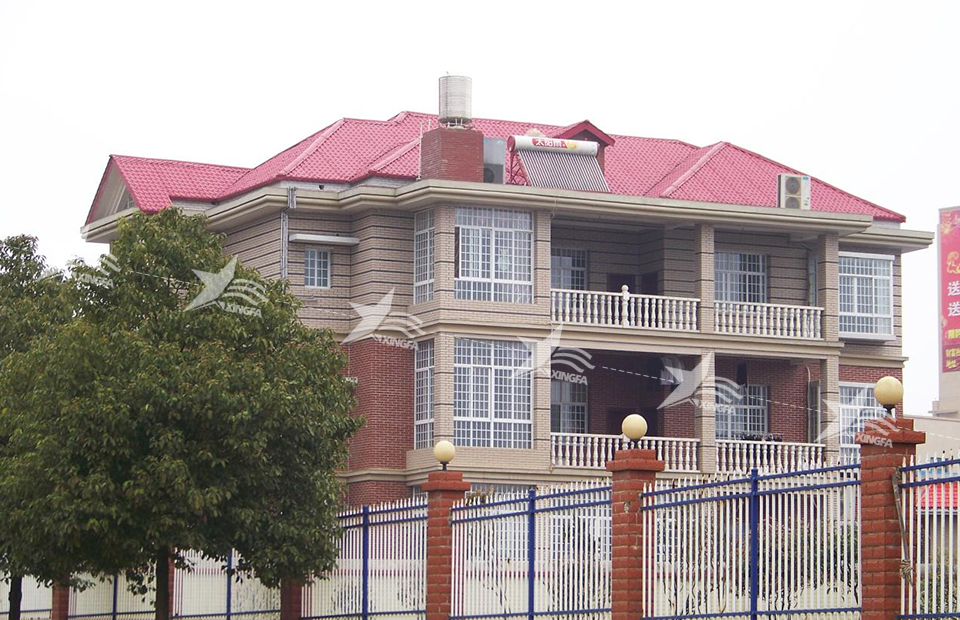
3. Installation Practices: A Critical Factor Influencing Actual Service Life Under High Temperatures
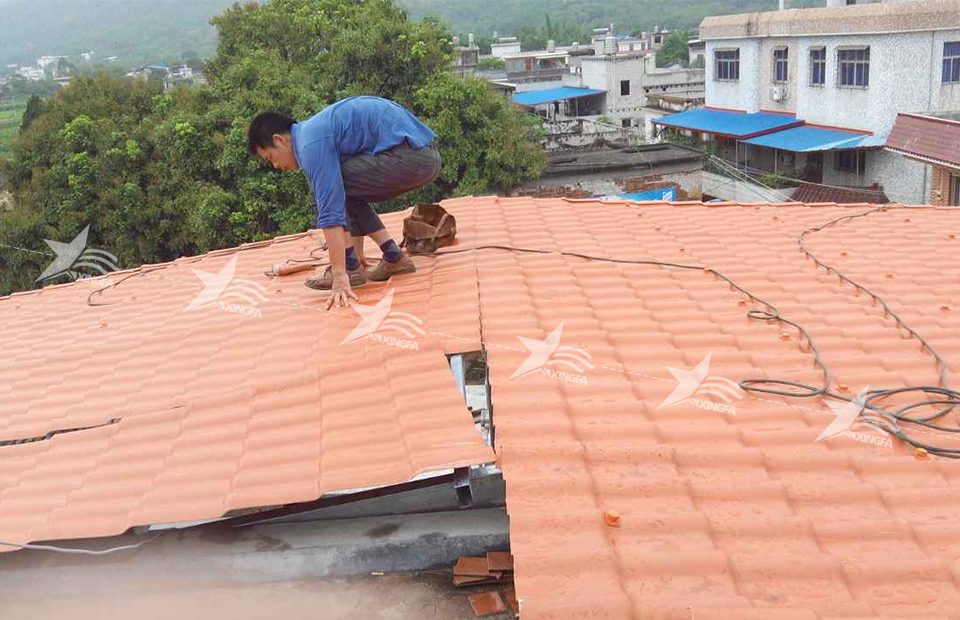
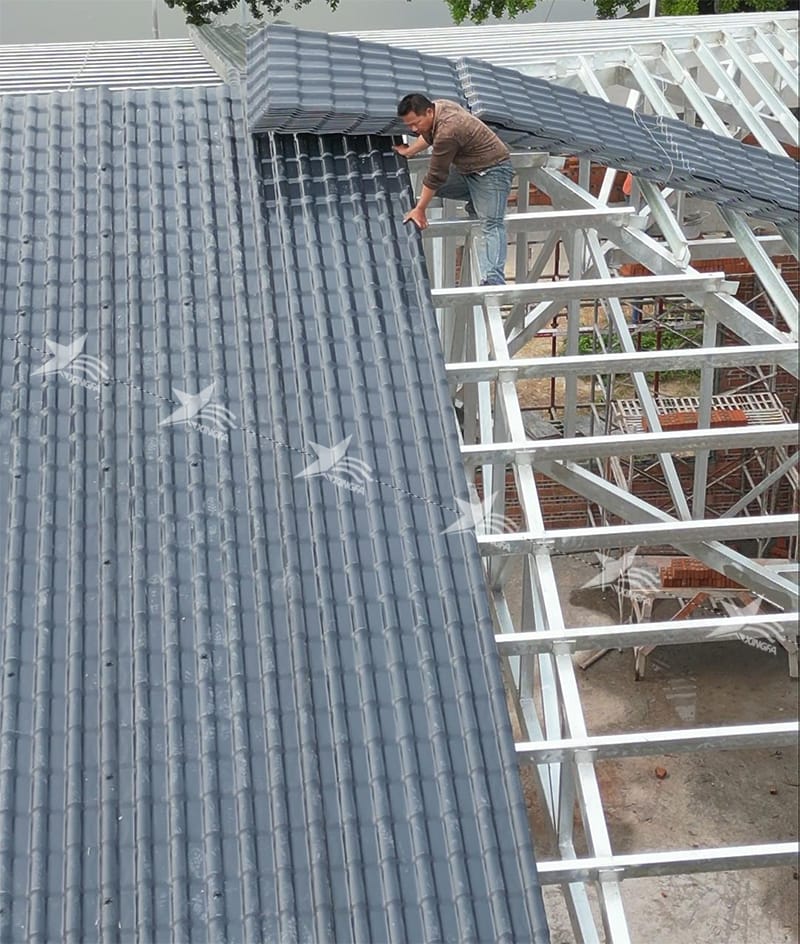
Premature aging, deformation, and failure of resin tiles are often attributable not to inherent product defects but rather to noncompliant installation practices in high-temperature regions—constituting avoidable, post-fabrication service-life reduction. Improper installation amplifies the detrimental effects of thermal expansion and contraction, substantially shortening the roof system’s operational lifespan. Three principal installation-related factors warrant particular attention:
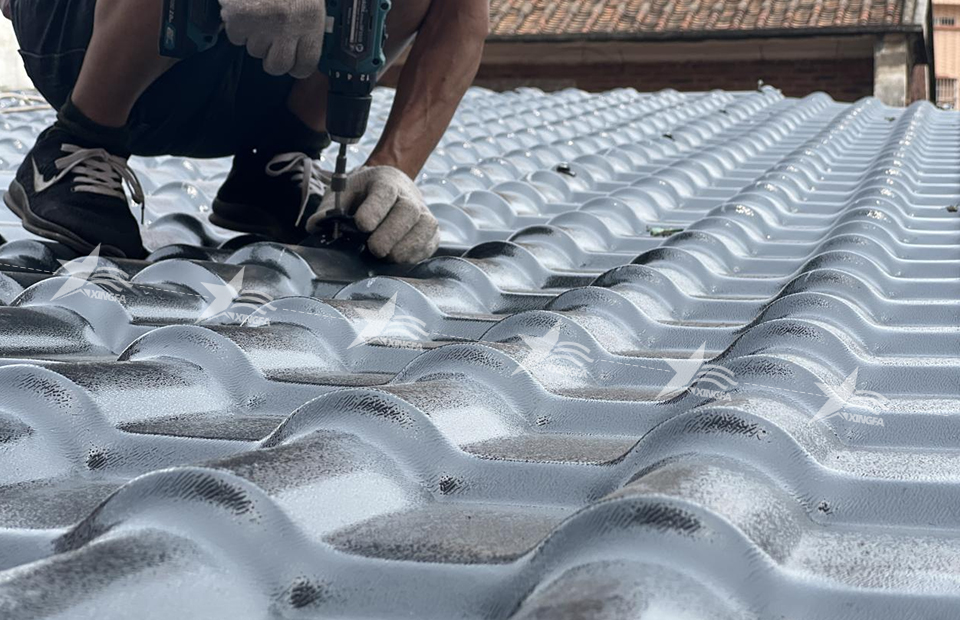
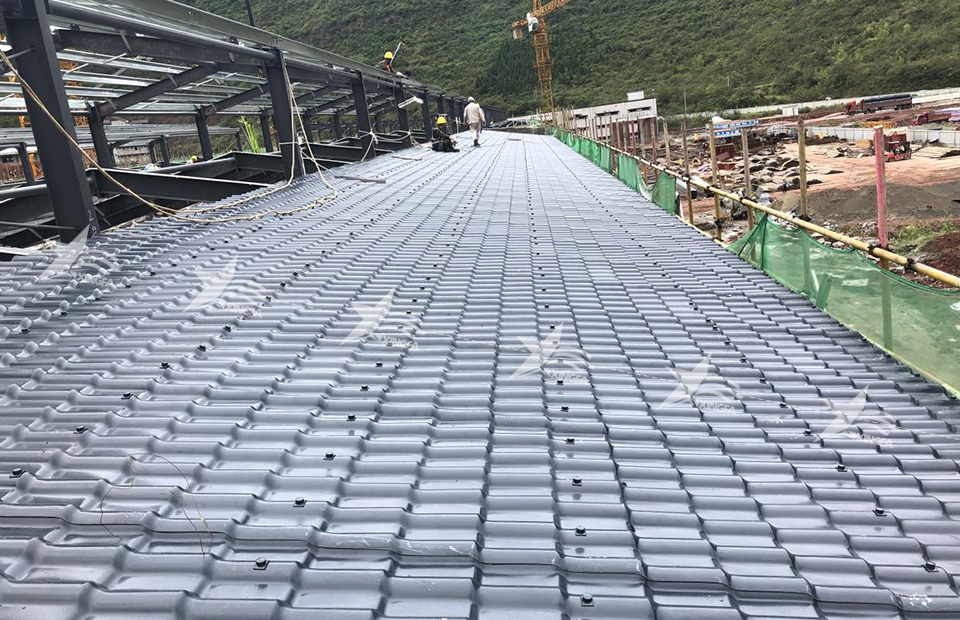
First, over-tightening of fasteners represents the most common installation error in high-temperature zones. Resin tiles expand under heat and contract under cold; if screws and waterproof washers are installed too tightly, the natural dimensional movement of the tiles is fully restricted. During thermal expansion, constrained tiles accumulate internal stress, which—over time—leads to buckling, cracking, and fastener-hole damage, ultimately causing leakage.
Second, inadequate roof pitch and improper tile layout compromise structural stability. In high-temperature regions, excessively shallow roof slopes increase the risk of tile relaxation and sagging once the material softens under heat—accelerating mechanical degradation.
Third, insufficient provision for thermal expansion joints exacerbates stress accumulation. Thermal displacement increases significantly under high-temperature conditions; failure to reserve adequate expansion gaps during installation causes adjacent tiles to exert mutual compressive forces. This results in edge curling, warping, and loss of sealing integrity. Additionally, on-site cutting that damages the original protective layer, use of low-quality waterproof accessories, or arbitrary modification of tile geometry exposes vulnerable areas directly to high temperatures and UV radiation—triggering localized rapid aging and, ultimately, compromising the entire roof system’s longevity.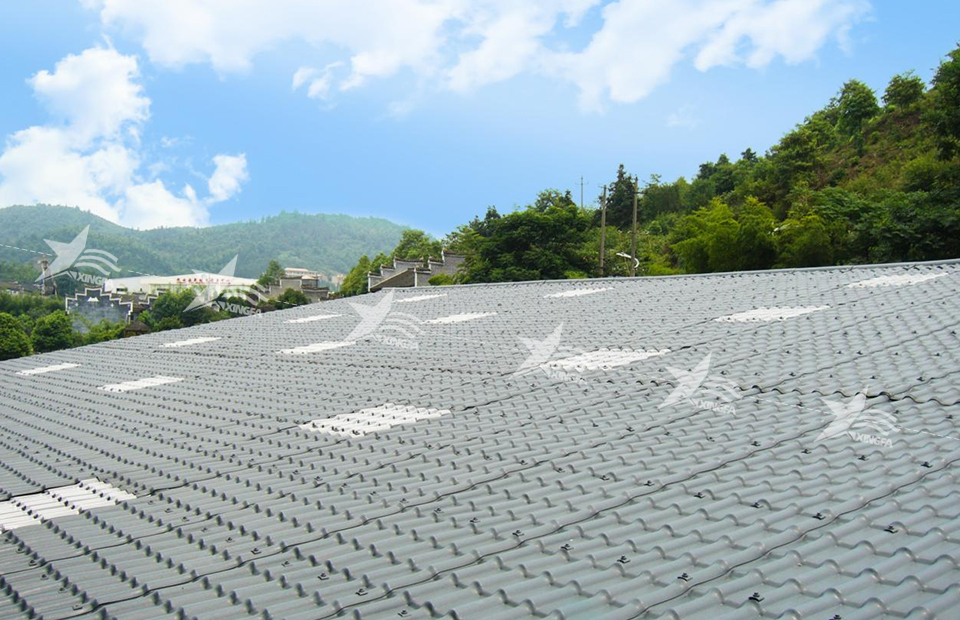
4. Summary
In summary, high-temperature weather exerts a pronounced and multifaceted influence on the service life of synthetic resin tiles—acting as a key external accelerator of aging, deformation, and structural failure. Service-life degradation arises from the interplay of climatic conditions, material properties, and installation quality. Intense solar irradiation and thermal cycling drive extrinsic aging and fatigue; high-grade material composition forms the essential foundation for resisting thermal degradation; and adherence to standardized installation protocols constitutes the decisive factor in preventing premature failure under high-temperature conditions.
To ensure long-term service performance of synthetic resin tiles in high-temperature regions, end-users should prioritize high-purity ASA-based multi-layer composite weather-resistant tiles and rigorously avoid products containing recycled or substandard raw materials. Concurrently, installation must strictly comply with region-specific construction standards—including appropriate expansion gap allowances and controlled fastener torque specifications. By integrating premium materials with professional, code-compliant installation practices, the adverse impacts of high-temperature environments can be minimized to the greatest extent possible—fully leveraging the inherent weather resistance of resin tiles and ensuring long-term roof system reliability and stability.