RU
 EN
 ES
 AR
Application of Synthetic Resin Tiles in Urban Construction
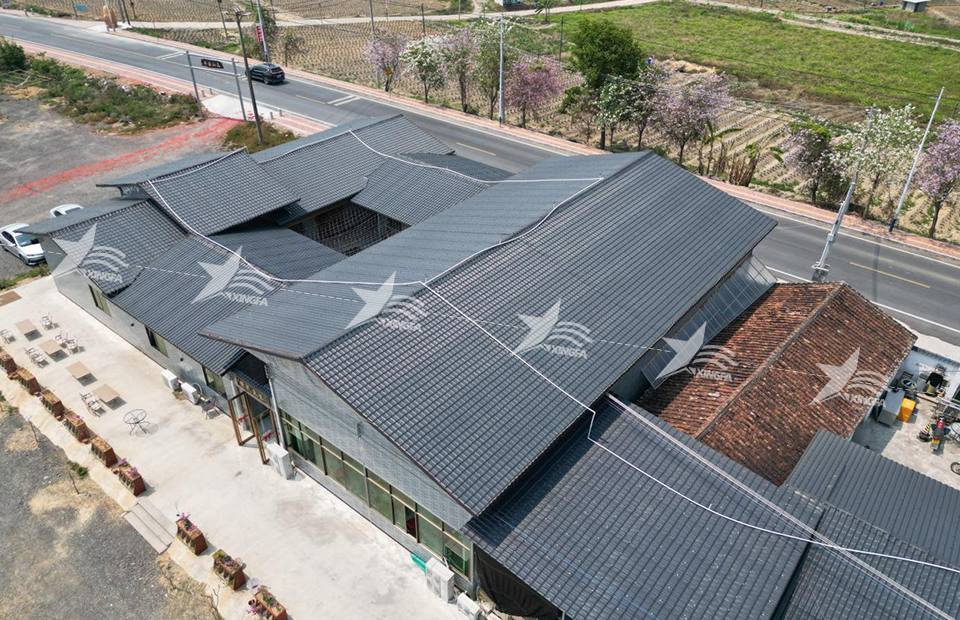
As urbanization advances, roofing materials for urban buildings must satisfy functional requirements—including waterproofing, thermal insulation, and weather resistance—while also meeting aesthetic, lightweight, and construction-efficiency demands. Synthetic resin tiles, characterized by their low self-weight, superior waterproofing performance, excellent weather resistance, and rich color options, are increasingly adopted across urban construction projects. Their applications span sloped roofs of residential buildings, roof refurbishments of aging structures, and auxiliary roofs of commercial facilities.
This article systematically examines the application value of synthetic resin tiles from seven dimensions: application scenarios, thermal insulation and waterproofing performance, weather resistance and aesthetics, lightweight design and construction efficiency, renovation of existing buildings, safety boundaries and regulatory compliance, and product selection guidelines.
1. Primary Application Scenarios in Urban Construction
Synthetic resin tiles are predominantly deployed across three categories of urban buildings.
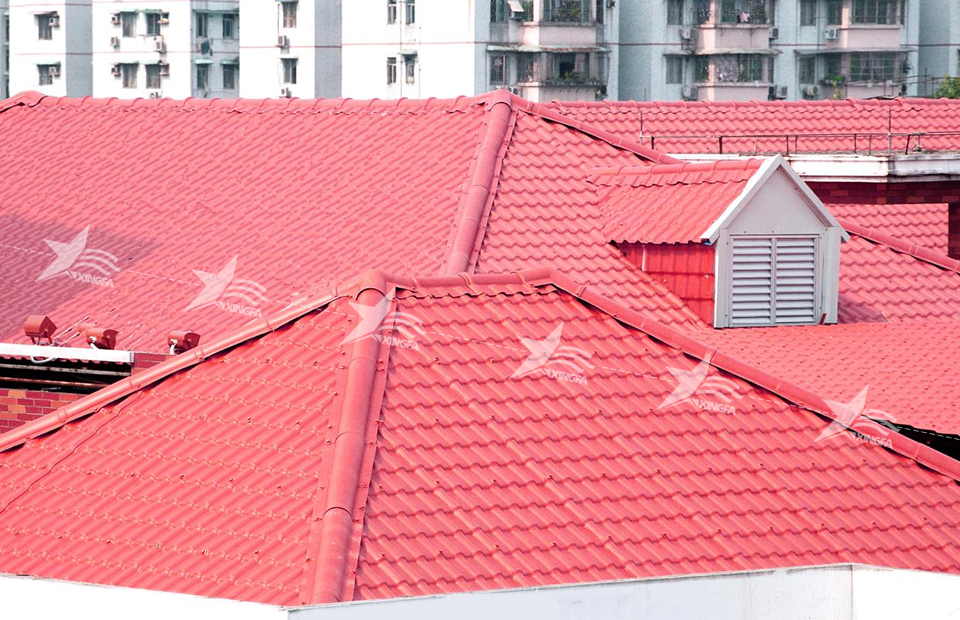
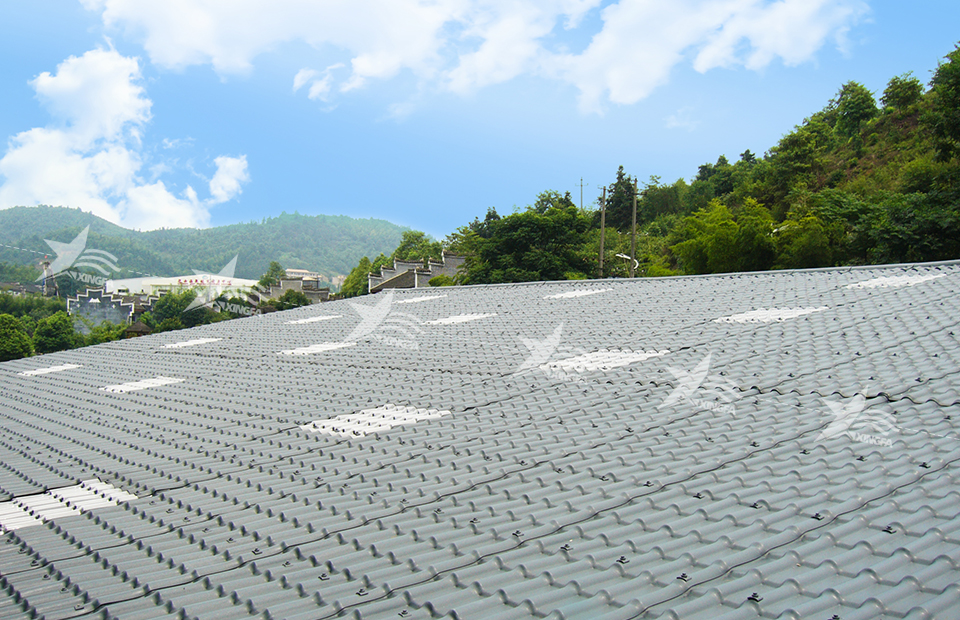
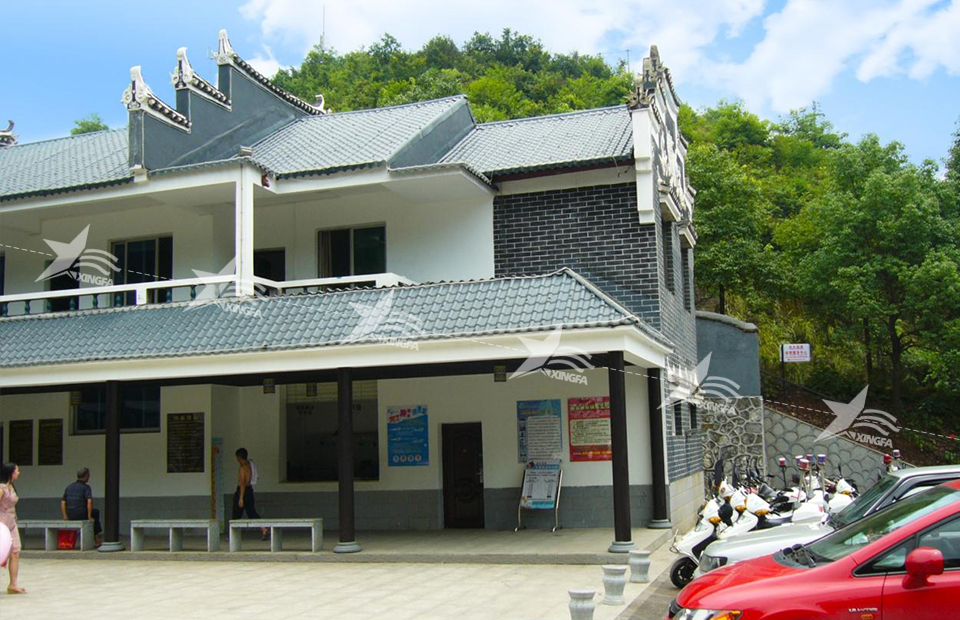
First, they serve as roofing solutions for sloped roofs of multi-story and mid-rise residential buildings, as well as self-built villas. Their lightweight nature and aesthetic appeal—combined with reliable waterproofing and thermal insulation—enable them to replace traditional clay or concrete tiles, thereby reducing structural load on roof framing systems and enhancing architectural façade diversity.
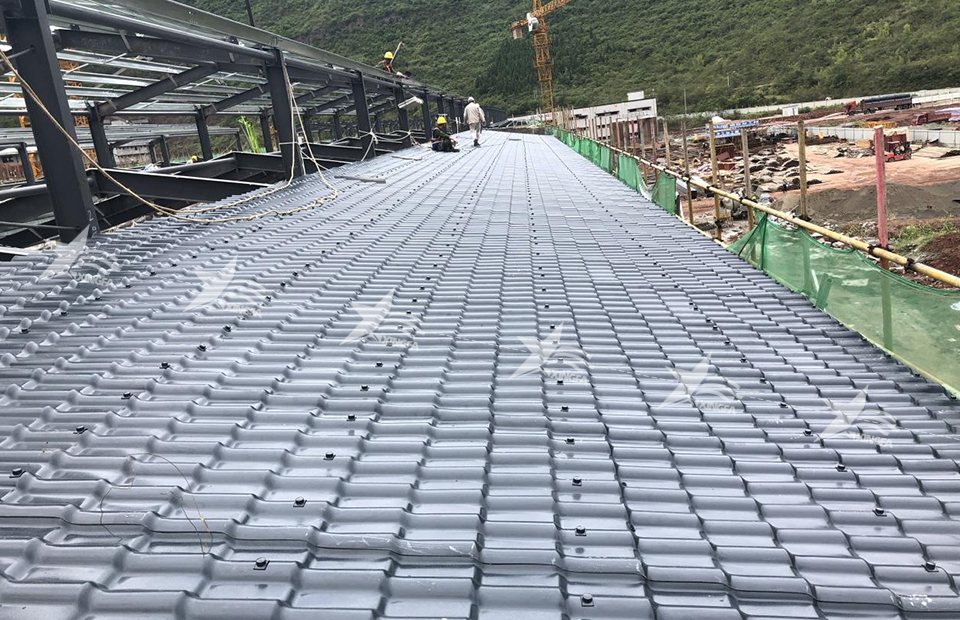
Second, they are widely used for auxiliary and added-on roofs of commercial and public buildings—such as rooftop extensions of retail shops, canopy roofs of sports venues, and podium-level roofs—where their lightweight profile and ease of installation make them especially suitable for large-area or spatially constrained construction sites.
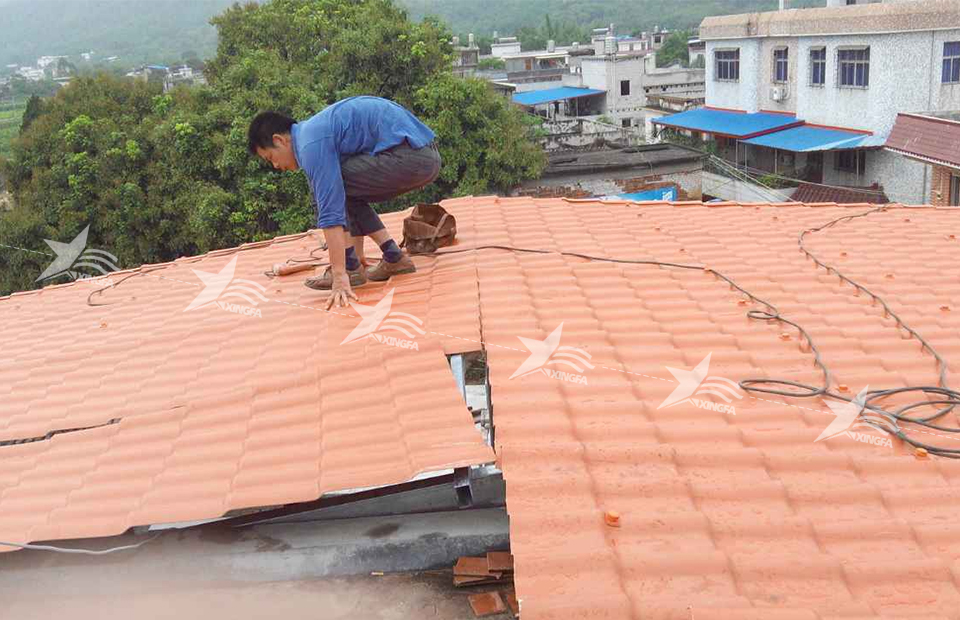
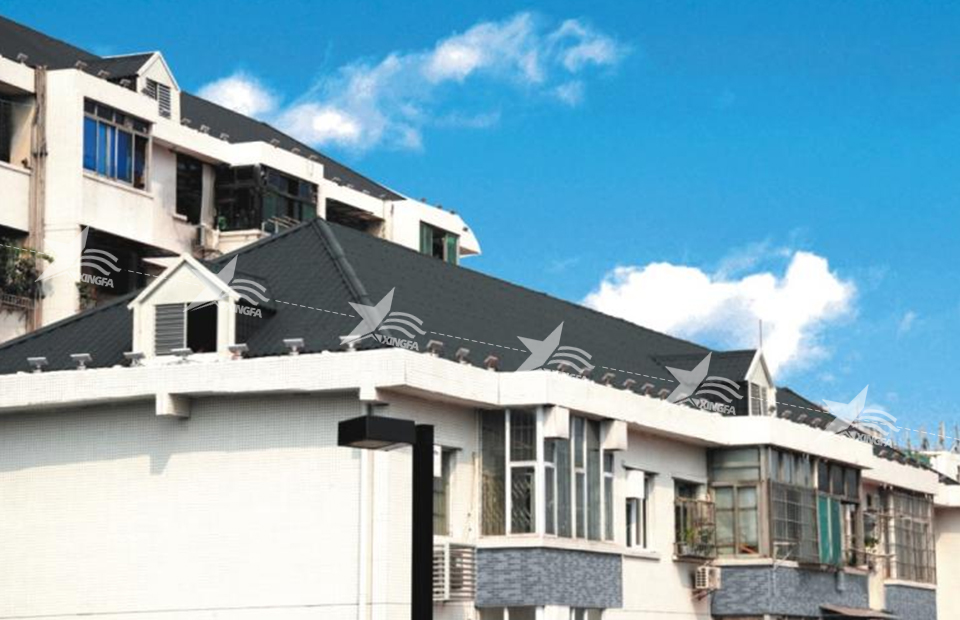
Third, they are increasingly applied in the renovation of aging urban buildings and deteriorated roof systems; resin tiles can be directly installed over existing tile layers without dismantling the underlying structure, significantly shortening project duration.
Overall, the most prevalent applications in urban contexts are sloped residential roofs and roof refurbishments, followed by lightweight auxiliary roofs for commercial buildings.
2. Waterproofing and Thermal Insulation Performance: Meeting Urban Residential Requirements
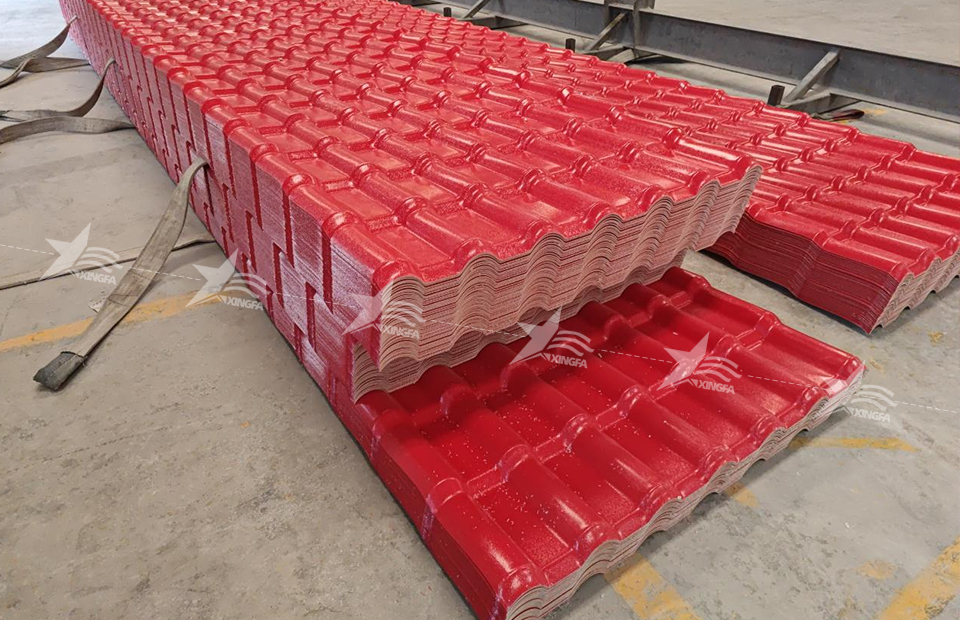
Effective waterproofing and thermal insulation constitute the foremost functional imperatives for urban building roofs. Synthetic resin tiles achieve robust waterproofing through interlocking tile profiles complemented by dedicated underlayment membranes and sealing components. The material itself is corrosion-resistant and highly resistant to rainwater erosion, minimizing long-term leakage risks associated with aging and degradation. Regarding thermal performance, resin tiles exhibit a lower thermal conductivity than metal roofing alternatives. When combined with light-colored surfaces that enhance solar reflectance, they effectively mitigate heat transfer into upper-floor spaces, reduce indoor temperature rise during summer, and lower air-conditioning energy consumption. For cities experiencing high summer temperatures and concentrated rainfall, the balanced performance of synthetic resin tiles in both waterproofing and thermal insulation renders them a practical and energy-efficient choice for residential and commercial roofing applications.
3. Weather Resistance and Aesthetics: Aligning with Urban Façade Standards
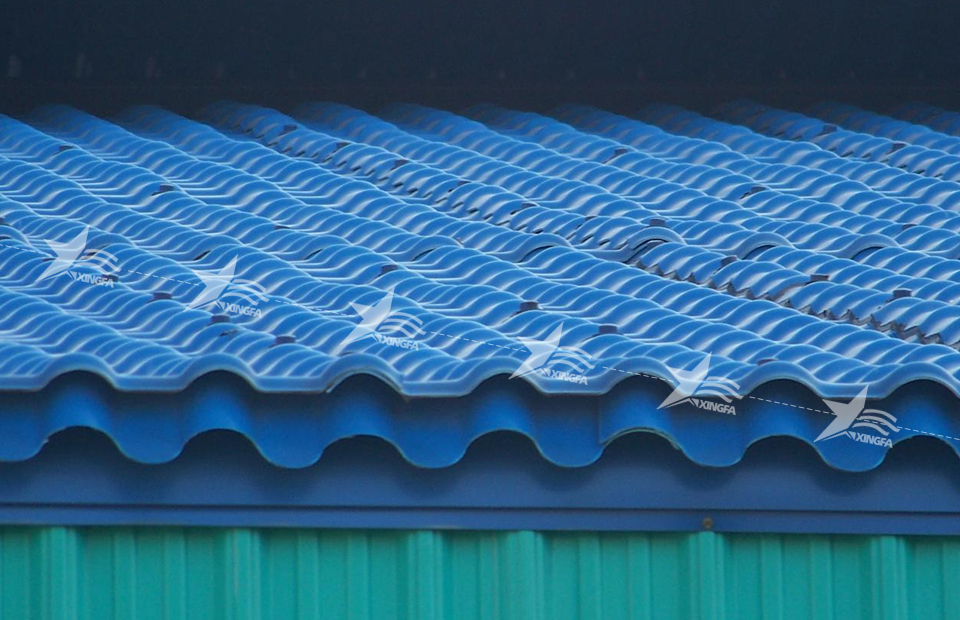
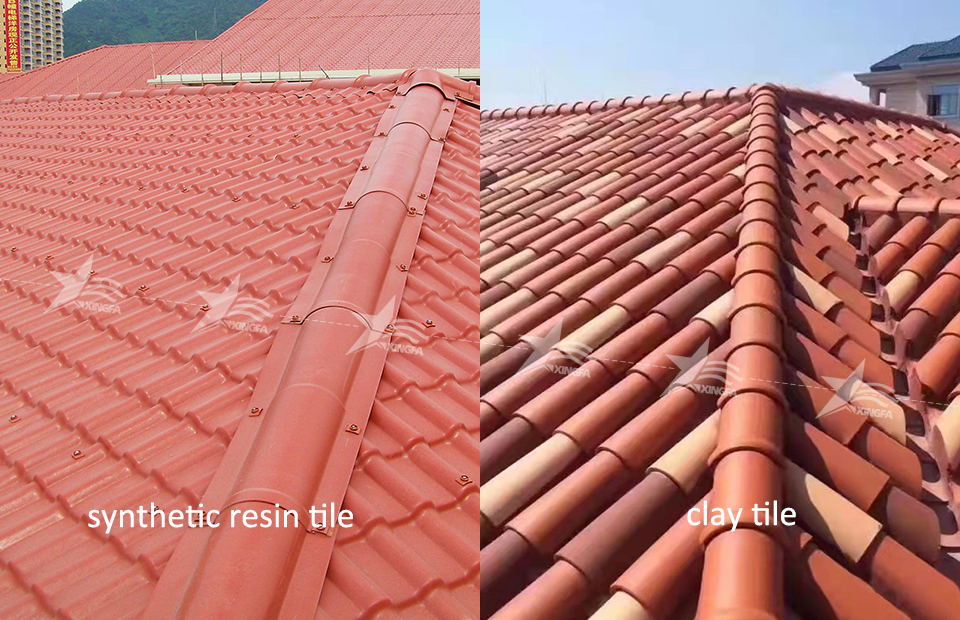
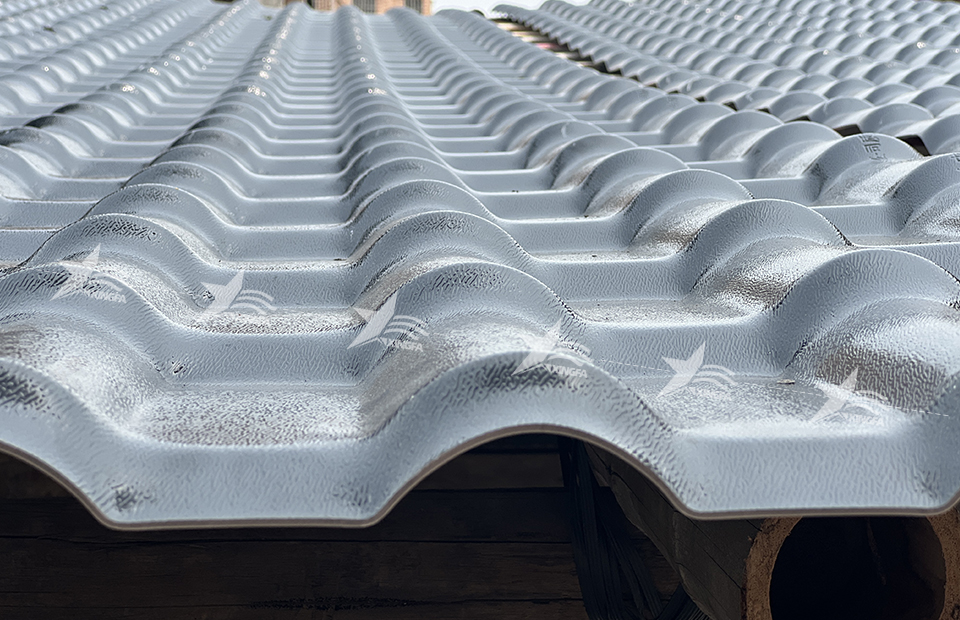
Urban architecture places heightened emphasis on roof appearance and long-term visual integrity. High-quality synthetic resin tiles incorporate an ASA (acrylonitrile–styrene–acrylate) co-extruded surface layer, delivering exceptional ultraviolet (UV) resistance and oxidation stability. This ensures minimal color fading or chalking even after prolonged sun exposure, preserving consistent roof aesthetics over time—fully aligned with urban façade management objectives. Moreover, resin tiles offer broad flexibility in color palettes and profile designs, enabling realistic simulation of traditional materials such as clay tiles or natural stone slates. This versatility supports diverse architectural styles, providing tailored exterior solutions for both residential and public buildings. Compared with corrosion-prone metal tiles and heavy, brittle conventional tiles, synthetic resin tiles demonstrate superior advantages in both long-term weather durability and design adaptability—making them particularly well-suited to the heterogeneous architectural landscape of modern cities.
4. Lightweight Design and Construction Efficiency: Optimized for Urban Construction Environments
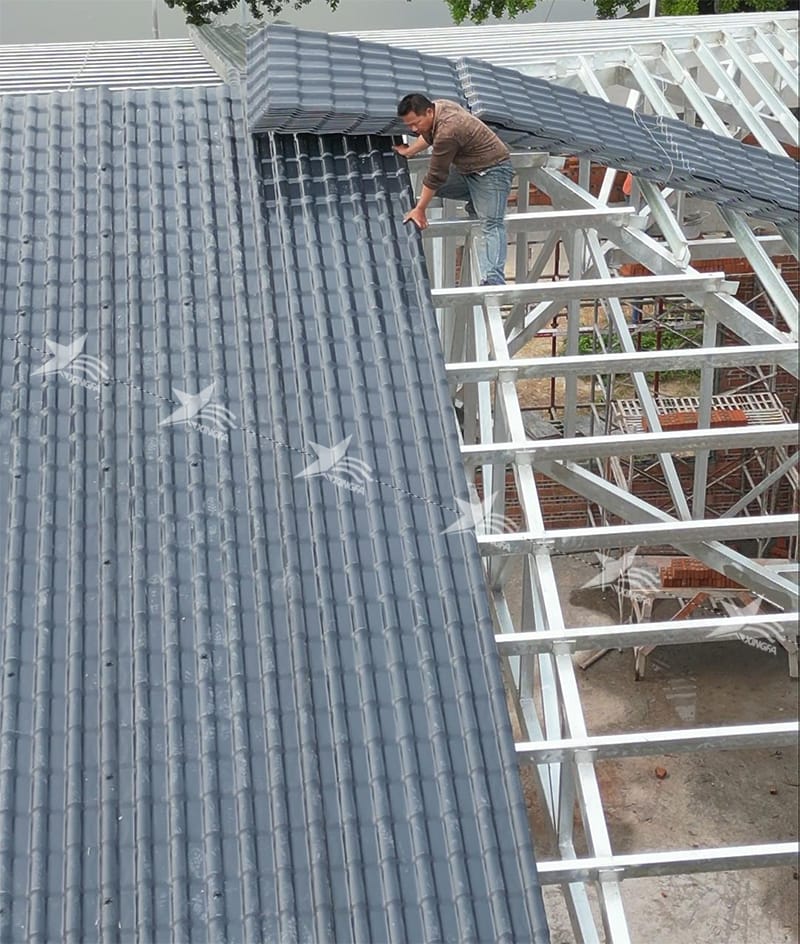
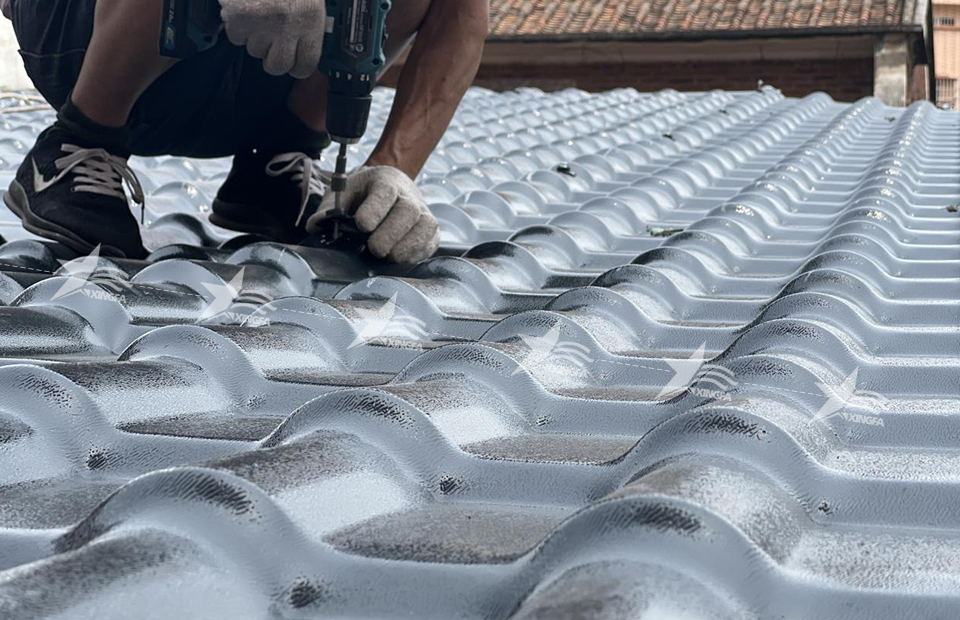
Urban construction is frequently constrained by limited site access, tight schedules, and structural limitations. Synthetic resin tiles possess inherently low self-weight, imposing minimal additional load on roof structures. In multi-story residential developments and rooftop addition projects, this eliminates the need for extensive structural reinforcement of roof framing, thereby reducing associated engineering costs. Furthermore, each tile covers a relatively large area and can be easily cut on-site, facilitating rapid installation—even within confined urban workspaces and compressed timelines. In roof renovation projects, the lightweight characteristic allows direct overlay installation over existing tile layers, avoiding labor-intensive demolition, debris removal, and disposal. This significantly reduces construction waste generation and minimizes disruption to adjacent properties and residents. Such attributes—lightweight design coupled with high construction efficiency—precisely match the operational realities of dense, time-sensitive urban construction environments.
5. Roof Renovation of Existing Buildings: A High-Value Application in Urban Regeneration
A substantial volume of aging urban infrastructure requires roof system upgrades. Conventional renovation methods typically involve full removal of existing tiles, reapplication of waterproofing membranes, and installation of new insulation layers—processes that are time-consuming, costly, and disruptive. In contrast, synthetic resin tiles offer distinct advantages in retrofit applications: their low mass permits direct overlay installation without removing existing tiles or increasing structural load, thereby eliminating demolition and substrate preparation steps. Simultaneously, their durable, aesthetically refined surface delivers immediate visual enhancement to aged building envelopes. For roof renovations of older residential complexes, institutional buildings, and street-facing commercial premises, synthetic resin tiles provide a cost-effective, expeditious, and minimally intrusive solution—representing one of the highest-value application scenarios within broader urban regeneration initiatives.
6. Safety, Regulatory Compliance, and Applicability Boundaries
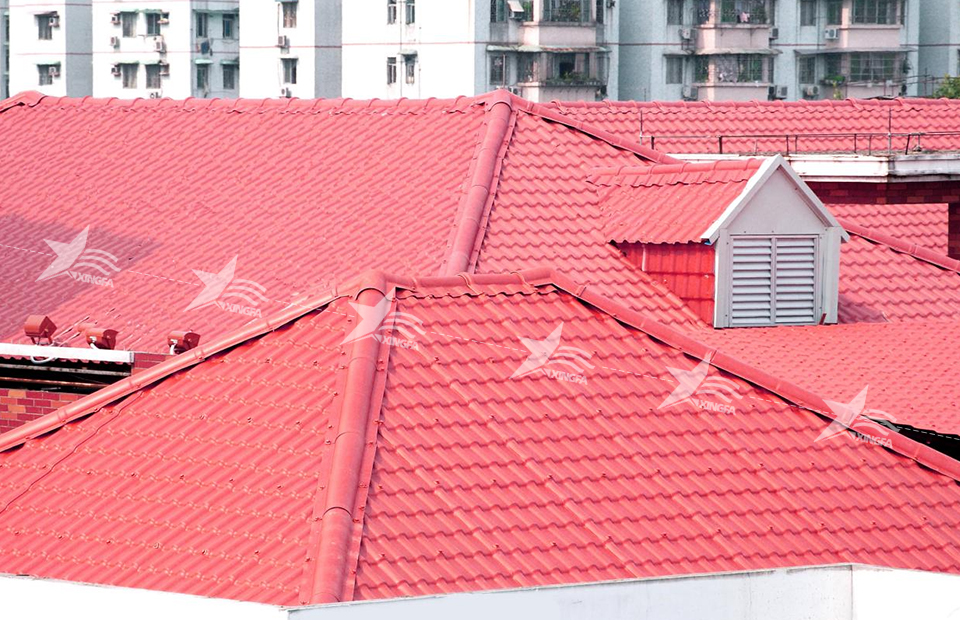
Urban construction is subject to stringent fire-safety and structural regulations. When specifying synthetic resin tiles, attention must be paid to flame-retardant classification: premium-grade products meet “difficult-to-ignite” (Class B1) standards—exhibiting self-extinguishing behavior upon flame removal and low smoke emission—to mitigate fire propagation risks. Nevertheless, resin tiles remain thermoplastic and may deform or melt when exposed to sustained high-temperature sources (e.g., welding operations or open flames); appropriate fire barriers and isolation measures must therefore be implemented at such locations. Additionally, certain municipalities impose specific restrictions on primary roofs of high-rise buildings or façade-visible roofs—pertaining to fire performance, historical preservation, or urban design guidelines. Prior to specification, local regulatory requirements must be verified. In general, synthetic resin tiles are best suited for sloped residential roofs, lightweight auxiliary structures, and renovation projects; applications on primary roofs of high-rise buildings or other specialized contexts require case-specific technical evaluation and approval.
7. Product Selection and Installation Guidelines
To ensure optimal performance in urban applications, synthetic resin tiles should be selected with due diligence. Priority should be given to products manufactured from virgin ASA co-extruded material; inferior alternatives—including spray-coated, laminated, or recycled-material tiles—must be avoided to guarantee long-term weather resistance and service life. Color and profile selection should harmonize with the building’s architectural style and broader urban design context. Crucially, the selected product must comply with local fire-safety regulations regarding flame retardancy. During installation, adherence to manufacturer-specified purlin spacing, provision of adequate expansion joints to accommodate thermal movement, use of compatible underlayment membranes and sealing accessories, and meticulous detailing at ridge caps and eaves terminations are all essential. Only through rigorous product selection and strictly compliant installation practices can synthetic resin tiles deliver sustained, reliable performance—effectively balancing technical functionality, aesthetic quality, and economic viability in urban construction.