EN
EN  ES
ES  RU
RU  AR
AR PVC Factory Roofing Sheet Selection Guide: How to Choose a Qualified, High-Value Product
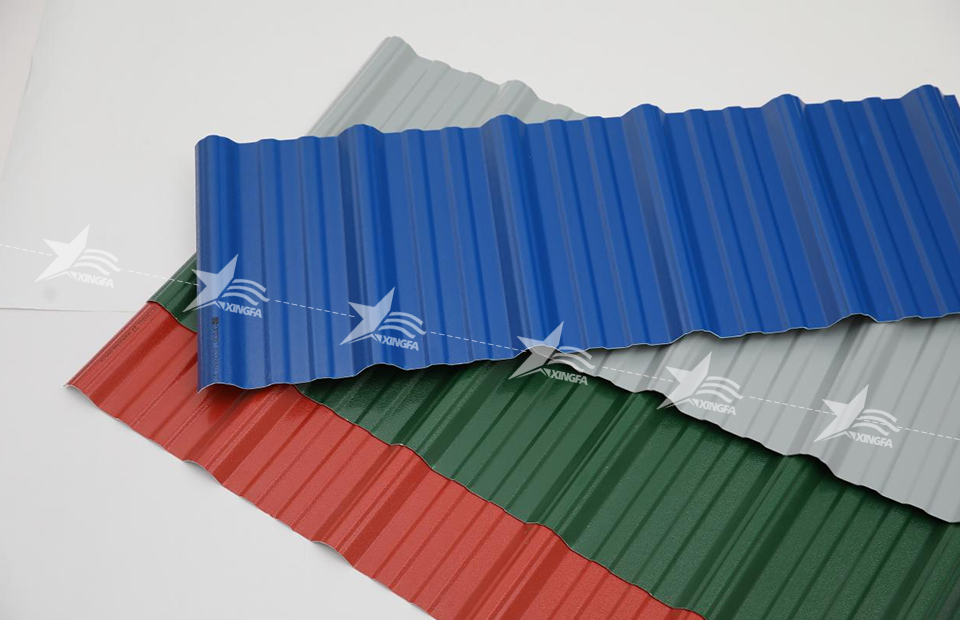
Ⅰ. PVC Factory Roofing Sheet Selection: Are You Facing These Common Challenges?
PVC factory roofing sheets are increasingly replacing traditional color-coated steel sheets and ceramic tiles as the preferred roofing solution for industrial plants, warehouses, and agricultural greenhouses—thanks to their lightweight nature and excellent corrosion resistance. However, many procurement professionals encounter persistent challenges during selection and application: conventional color-coated steel sheets often rust and leak within two to three years; certain PVC roofing sheets fail to meet required fire safety standards, resulting in failed fire inspections; excessive indoor temperatures during summer compromise production efficiency; cracking during installation leads to material waste; premature fading and chalking necessitate frequent recoating or replacement; and overall operational and maintenance costs remain stubbornly high. This article presents a professional, structured framework for selecting PVC factory roofing sheets—equipping you with clear evaluation criteria to avoid common pitfalls and confidently select high-performance, fit-for-purpose products.
Ⅱ. Five Core Selection Criteria for Premium PVC Factory Roofing Sheets
Fire Performance Must Comply with Mandatory Regulatory Requirements
Industrial plants and warehouses are classified as high-occupancy or high-value asset facilities, making fire safety a non-negotiable requirement. A compliant PVC factory roofing sheet must achieve B1-grade flame retardancy (i.e., “difficult-to-ignite” classification per Chinese national standard GB 8624), demonstrating self-extinguishing behavior upon removal of ignition source and zero molten droplet formation. Only products meeting this benchmark satisfy fire inspection requirements—thereby preventing costly project rework, regulatory penalties, or safety incidents.
Corrosion Resistance Must Be Tailored to Actual Service Environments
In environments such as chemical plants, ceramic manufacturing facilities, livestock barns, and coastal industrial buildings, roofing surfaces are continuously exposed to corrosive gases or high-salinity aerosols. To ensure long-term durability, premium PVC roofing sheets must incorporate UV stabilizers and acid/alkali-resistant formulations, while strictly controlling calcium carbonate filler content. Under such demanding conditions, top-tier products deliver service lifespans exceeding 15 years—significantly reducing lifecycle maintenance and refurbishment expenses.
Balanced Toughness and Installation Efficiency High-quality
PVC factory roofing sheets must exhibit optimal toughness: they resist cracking during fastening (e.g., screwing), maintain clean edges during cutting, and allow cold bending to accommodate complex roof geometries. Additionally, integrated design features—including precise interlocking alignment marks and proprietary waterproof sealing accessories—enable efficient, error-free installation by standard construction crews. This minimizes labor costs, reduces material wastage, and accelerates project completion timelines.
Thermal Insulation and Heat Reflection Performance Supporting Energy Efficiency
Excessive interior temperatures during summer not only impair worker productivity and equipment performance but also inflate air-conditioning energy consumption. A qualified PVC roofing sheet leverages both inherent low thermal conductivity of PVC resin and engineered structural features—such as hollow multi-layer cross-sections—to deliver measurable thermal insulation and solar heat reflection. This eliminates the need for supplementary insulation layers while simultaneously attenuating airborne noise transmission—enhancing workplace acoustic comfort.
Lightweight Design Reducing Structural Load and Initial Construction Costs
A lower unit-area weight directly reduces load-bearing demands on primary roof support structures (e.g., purlins and rafters), thereby lowering initial structural engineering and material investment—particularly advantageous for retrofitting aging industrial facilities where structural reinforcement is impractical or cost-prohibitive. Moreover, lighter sheets simplify handling and reduce onsite safety risks during installation. Premium PVC roofing sheets typically weigh approximately one-fifth that of ceramic tiles and half that of color-coated steel sheets.
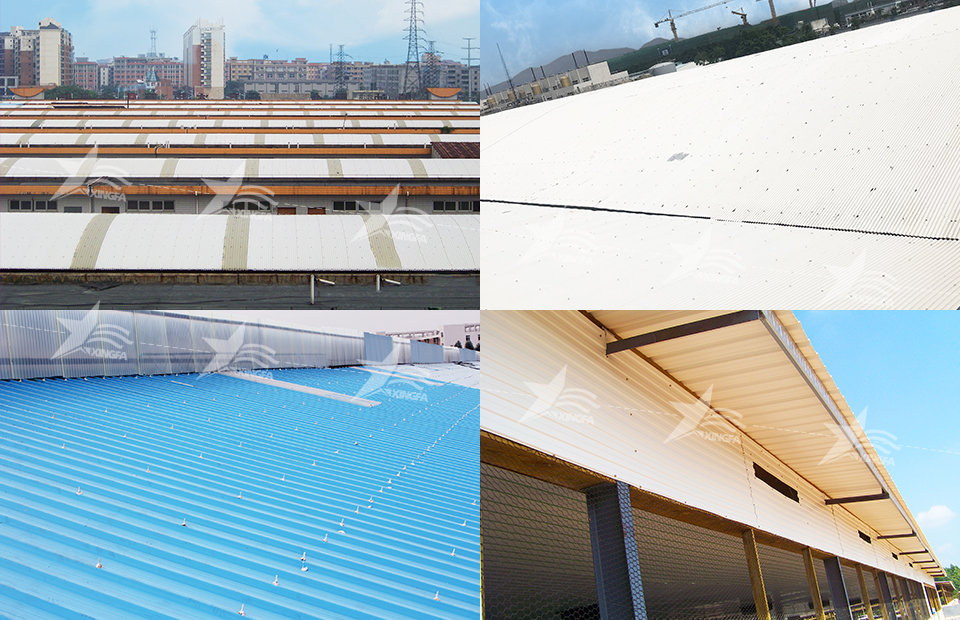
Ⅲ. Three Critical Misconceptions to Avoid When Selecting PVC Factory Roofing Sheets
Misconception #1: Prioritizing Thickness Over Formulation and Performance Balance
Many buyers assume greater thickness equates to superior quality. In reality, some manufacturers artificially increase thickness by overloading calcium carbonate filler—yielding a deceptively robust appearance but severely compromising impact resistance and flexibility. Such products are prone to cracking during installation and rapid embrittlement, chalking, or delamination within a short service life. True quality stems from scientifically optimized polymer formulation—not dimensional exaggeration.
Misconception #2: Focusing Solely on Initial Unit Price, Neglecting Total Lifecycle Cost
Low-cost alternatives often utilize recycled or substandard raw materials, offering minimal upfront savings but delivering only 2–3 years of service life. Frequent repairs, replacements, and downtime drive cumulative ownership costs up to 40% higher than those of premium products over a 10-year horizon. Procurement decisions should therefore be based on comprehensive lifecycle cost analysis—including acquisition, installation, maintenance, and renewal expenses—not just initial purchase price.
Misconception #3: Overlooking Post-Sale Warranty Coverage and Integrated Support Services
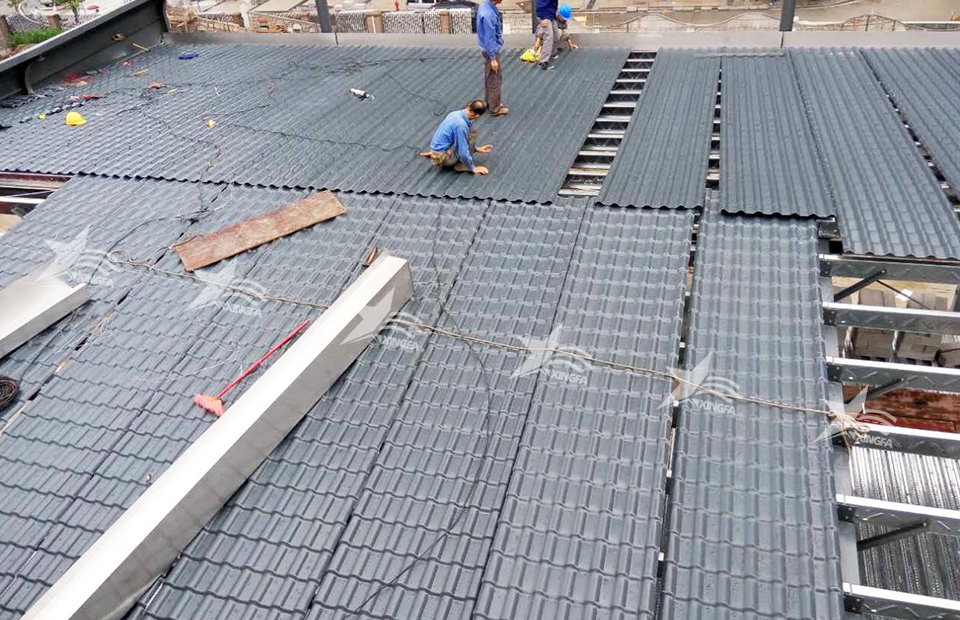
Numerous small-scale suppliers offer only bare roofing sheets—without compatible waterproofing accessories, technical installation guidance, or formal warranty documentation. When leaks or failures occur, responsibility cannot be traced, and recourse is limited due to absent or ambiguous warranty terms. Buyers must select reputable manufacturers offering end-to-end solutions: certified product warranties with clearly defined coverage periods, dedicated technical support, and complete accessory systems—ensuring accountability and long-term peace of mind.
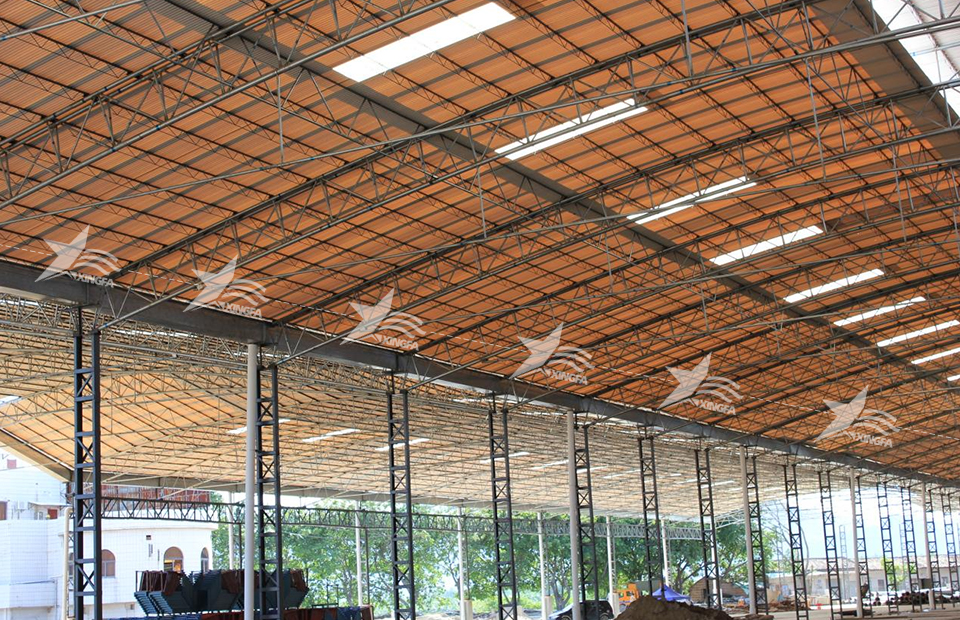
Ⅳ. What Does an Ideal PVC Factory Roofing Tile—Fully Compliant with All Key Standards—Look Like?
What characteristics should an ideal PVC factory roofing tile possess to meet all core performance criteria? It must satisfy professional requirements across five critical dimensions: fire resistance, corrosion resistance, ease of installation, thermal insulation and heat retention, and cost efficiency.
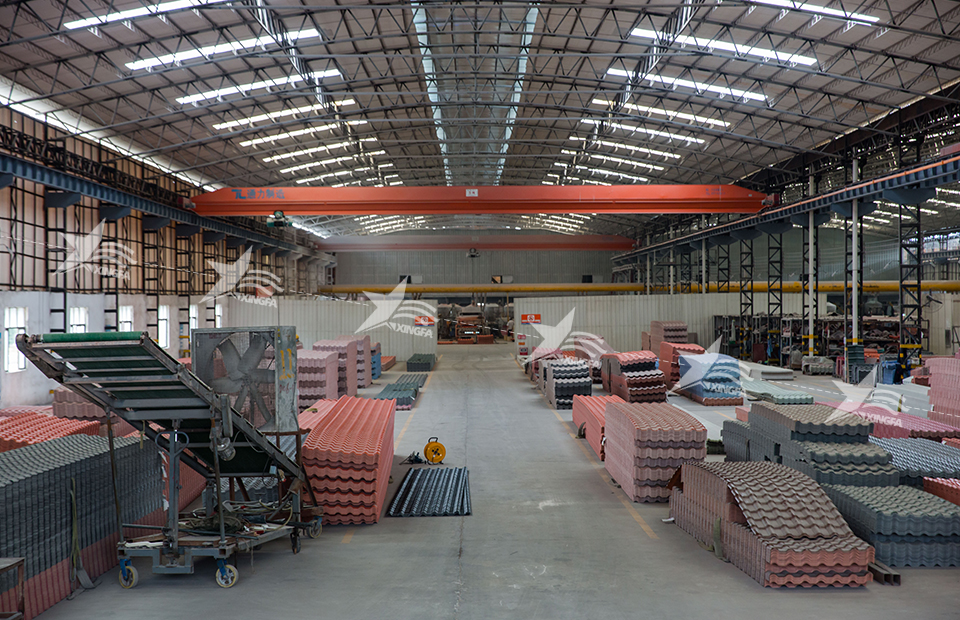
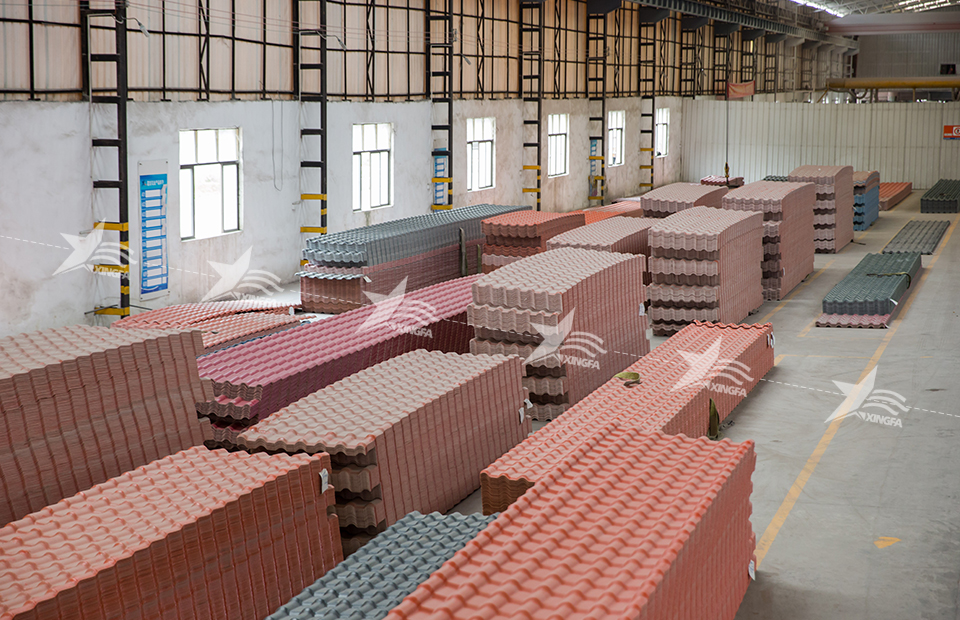
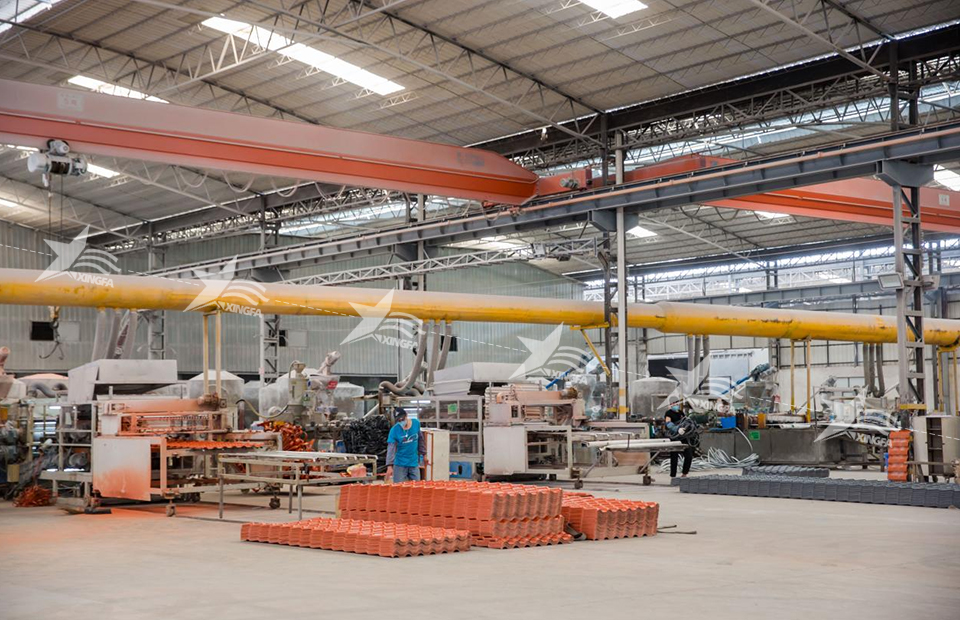
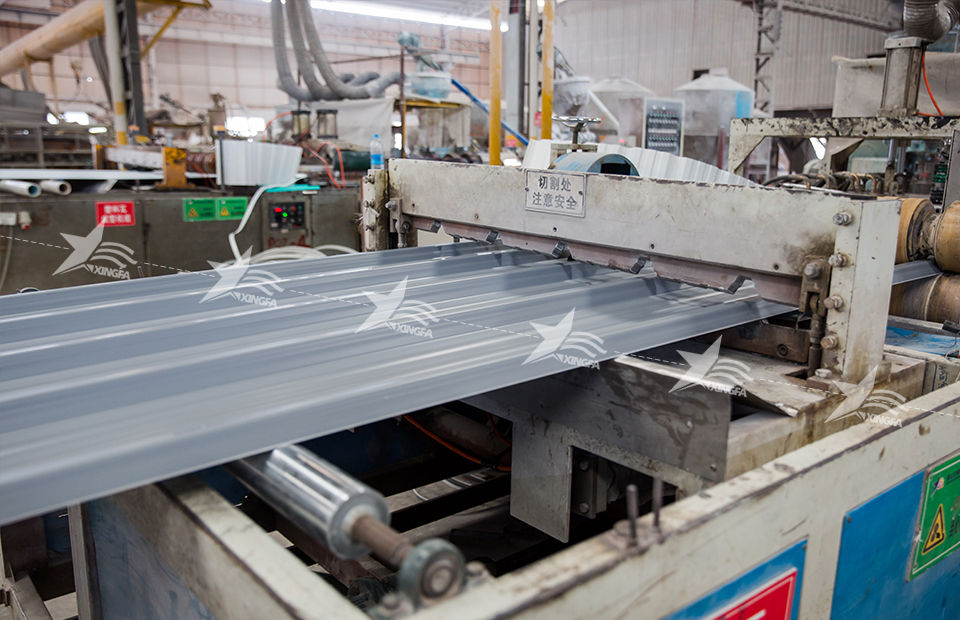
For instance, the Xingfa brand PVC factory roofing tile fully complies with these standards. With 21 years of R&D and manufacturing expertise in roofing materials, this product uses food-grade virgin PVC resin as its base material. Its proprietary “Fire Resistance–Toughness Balance Technology” enables simultaneous compliance with B1-level flame retardancy (self-extinguishing within 5 seconds after flame removal) and high impact resistance—fully meeting mandatory fire safety inspection requirements for industrial facilities. The formulation strictly limits calcium carbonate filler content to ≤30%, while incorporating UV stabilizers and acid/alkali-resistant additives. It has successfully passed a 1,000-hour salt-spray corrosion test, ensuring a service life of over 15 years—even under harsh conditions typical of chemical plants and coastal environments. Integrated alignment markings on the tile surface facilitate precise overlapping; the material resists nail-splitting and edge chipping during cutting, boosting installation efficiency by 20% compared to industry averages and reducing labor costs by approximately 15%. Certain hollow-profile variants deliver a thermal barrier effect, achieving indoor–outdoor temperature differentials of 10–15°C and cutting HVAC energy consumption by 20–30%. With a lightweight design—weighing only 3.5–5.5 kg/m²—the product reduces structural load requirements, lowering initial building framework investment by around 10%.
In a 12,000 m² warehouse roof renovation project at a major ceramic manufacturing plant in Foshan, the original color-coated steel roofing had severely corroded and leaked, failed fire safety inspections, and allowed interior temperatures to soar to 43°C. Following replacement with Xingfa PVC factory roofing tiles, internal warehouse temperatures dropped consistently below 33°C. Annual maintenance expenses decreased from ¥120,000 to ¥12,000; the facility passed official fire safety certification; and annual operational savings reached approximately ¥100,000. After five years of continuous service, no fading, cracking, or leakage has been observed. Furthermore, the product is covered by product liability insurance underwritten by Ping An Insurance (Group) Company of China, Ltd., backed by a formal 10-year weathering warranty. Comprehensive support—including dedicated waterproofing accessories and professional installation guidance—is provided to eliminate post-installation concerns.
Ⅴ. Summary: Action Checklist for Selecting PVC Factory Roofing Tiles
- Prioritize products certified to B1-level fire resistance—this is a mandatory requirement for industrial facility fire safety inspections.
- Scrutinize material composition and formulation: avoid products containing excessive recycled content or high-calcium filler; select corrosion-resistant grades appropriate for your specific operating environment.
- Evaluate total cost of ownership—not just upfront price. Choose reputable manufacturers offering transparent, long-term warranty commitments.
- Verify installation efficiency and after-sales support capabilities—including technical guidance, compatible accessories, and responsive service—to minimize labor expenditure and mitigate long-term maintenance risks.
The choice is yours. We hope this guide equips you with a clear, structured evaluation framework to identify the optimal PVC factory roofing tile solution for your project. Companies such as Foshan Chancheng Xingfa Tile Industry Co., Ltd.—a specialist roofing materials enterprise with 21 years of industry experience, large-scale production capacity, and a comprehensive service system—offer sample requests, custom fabrication, and tailored, cost-effective roofing solutions for diverse project requirements. We encourage you to explore their offerings in greater depth.