EN
EN  ES
ES  RU
RU  AR
AR In-Depth Analysis of PVC Roofing Sheet Pricing: A Comprehensive Guide to Per-Square-Meter Costs and Installation Fees
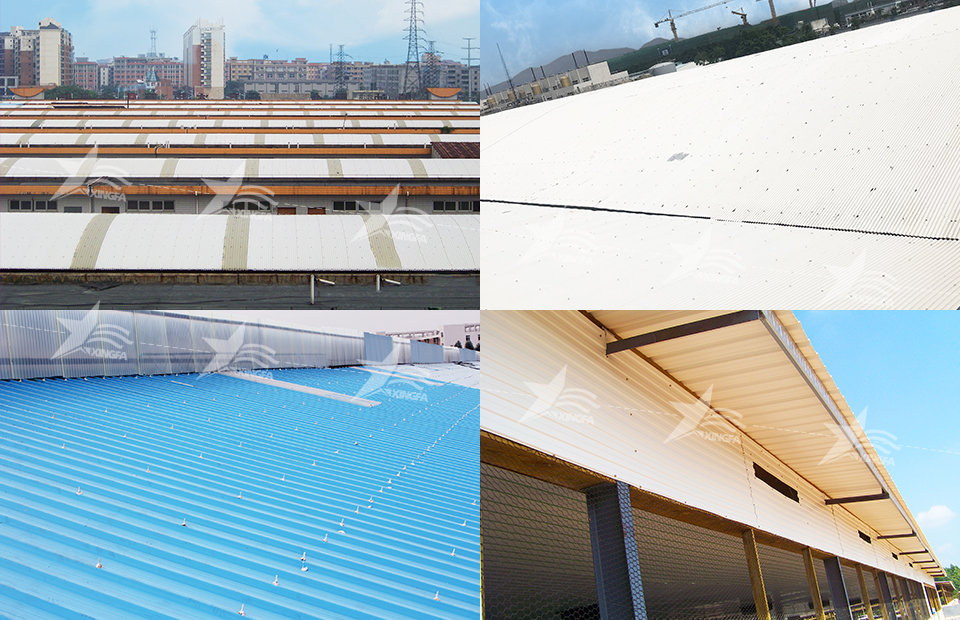
Guide to PVC Roofing Sheet Pricing and Installation Costs
What Are PVC Roofing Sheets? Why Is Pricing a Key Concern?
PVC roofing sheets are a modern roofing material primarily composed of polyvinyl chloride (PVC) resin, manufactured through optimized formulation and extrusion molding processes. Renowned for their corrosion resistance, fire retardancy, lightweight nature, and ease of installation, they are widely adopted in industrial workshops, livestock farming greenhouses, warehouses, and agricultural markets. Compared with traditional color-coated steel sheets and ceramic tiles, PVC roofing sheets offer clear advantages in both initial installation costs and long-term operational expenses. However, their pricing structure is relatively complex—variations in material and installation costs significantly impact overall project budgets. Therefore, a clear understanding of the pricing components of PVC roofing sheets constitutes a fundamental prerequisite for effective project planning.
Key Factors Influencing PVC Roofing Sheet Pricing
The total cost of PVC roofing sheets comprises two primary components: material cost and installation cost. Material pricing is primarily affected by three core factors:
Thickness Specification: Common thicknesses range from 1.5 mm to 3.0 mm. Greater thickness entails higher material consumption and correspondingly higher unit prices; the per-square-meter price differential across thickness grades typically falls between ¥10 and ¥30.
Raw Material Formulation: Products manufactured using virgin PVC resin deliver superior performance and extended service life compared to those incorporating substantial proportions of recycled materials or calcium carbonate filler. Although such premium-grade products command higher upfront prices, their lower long-term lifecycle costs make them more economical over time.
Functional Engineering: Specialized variants—such as those featuring hollow-core thermal insulation structures or enhanced weatherability via specialized stabilizers and modifiers—typically carry a premium of ¥10–¥20 per square meter over standard PVC roofing sheets. This premium reflects significant improvements in thermal insulation, corrosion resistance, and durability.
Key Factors Influencing Installation Costs
Installation costs vary primarily due to the following three considerations:
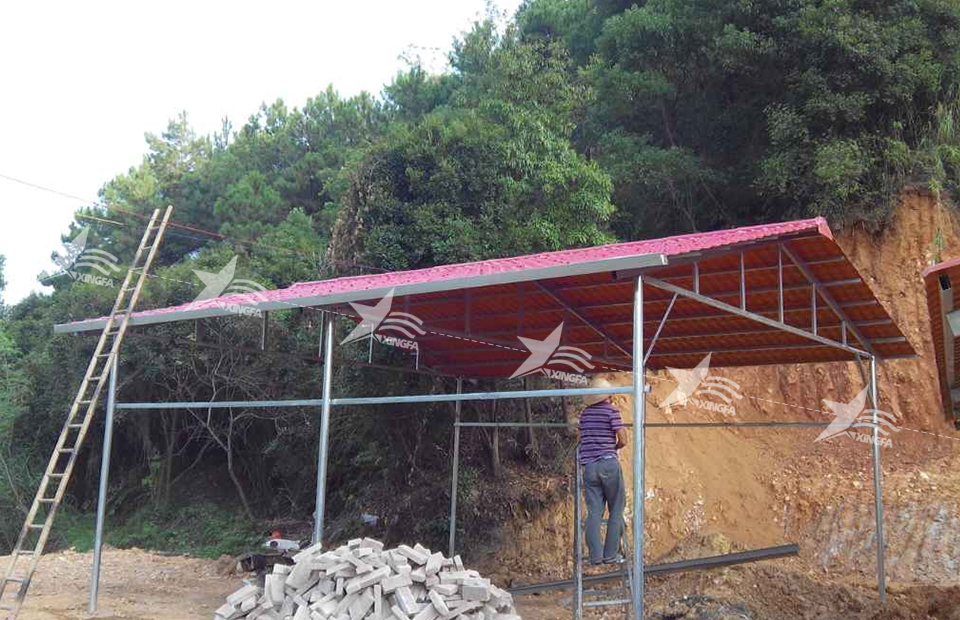
Project Scale: Large-scale industrial building projects benefit from economies of scale, resulting in lower per-square-meter installation fees—typically ¥5–¥10 less than smaller-scale installations—as labor costs are effectively distributed across greater surface areas.
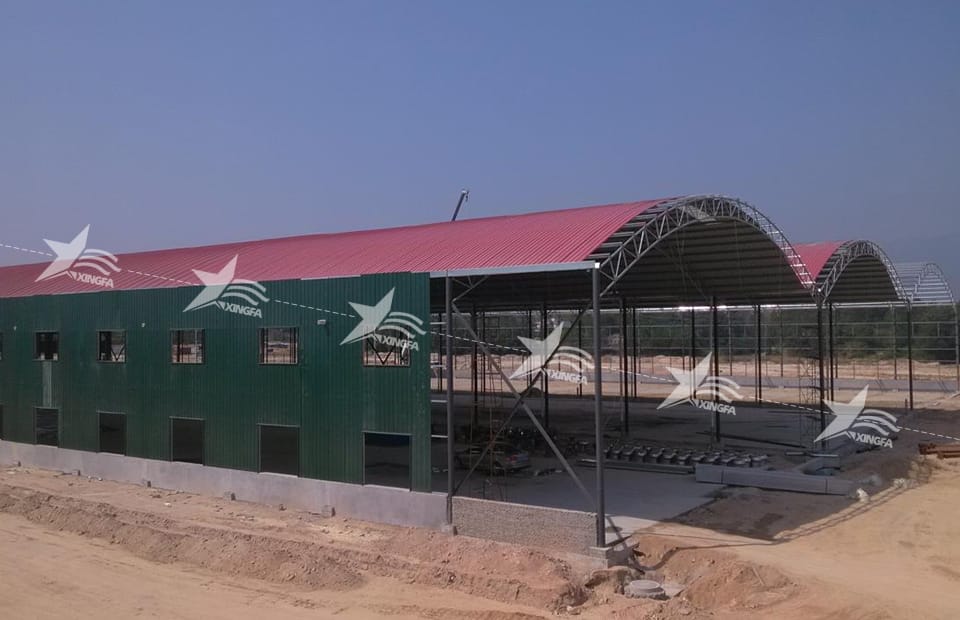
Roof Geometry: Projects involving non-standard roof configurations—such as curved, sloped, or irregularly shaped surfaces requiring extensive on-site cutting and fitting—incur installation costs ¥8–¥15 per square meter higher than conventional flat-roof applications.
Regional Labor Cost Variations: Installation fees in first-tier cities generally range from ¥15 to ¥25 per square meter, reflecting higher local labor rates; in contrast, third- and fourth-tier cities typically see rates between ¥10 and ¥18 per square meter.
Comparative Analysis of Common Quotation Models
Two principal quotation models currently dominate the PVC roofing sheet market, each presenting distinct advantages and limitations:
Bare-Material Quotation: This model covers only the supply of PVC roofing sheets, with installation arranged separately by the client. Its primary advantage lies in granting clients full autonomy in selecting contractors—enabling tighter control over installation expenditures. However, it necessitates independent coordination among multiple parties and introduces ambiguity in responsibility allocation between material suppliers and installers, potentially leading to disputes in case of defects or failures. Bare-material pricing for standard products typically ranges from ¥18 to ¥68 per square meter, varying considerably based on specifications and quality grade.
Turnkey (Material + Installation) Quotation: This all-inclusive model bundles material supply and professional installation into a single, unified price. Its chief advantages include clearly defined accountability, standardized workmanship guarantees, and simplified procurement logistics—eliminating the need for clients to manage multiple vendors. The main drawback is that some suppliers may embed an undisclosed markup within the installation component; thus, careful evaluation of pricing reasonableness is essential. Typical turnkey quotations for standard applications fall within the range of ¥30–¥85 per square meter.
It is important to note that low-cost PVC roofing sheets—while attractive in terms of initial investment—often involve excessive calcium carbonate filler, substandard fire-resistance ratings, and poor UV/weather resistance. Such products frequently exhibit premature fading, cracking, or deformation within just 2–3 years of service, ultimately increasing long-term refurbishment and replacement costs. Conversely, high-quality PVC roofing sheets, though commanding a higher initial price, deliver service lifespans exceeding 15 years and demonstrably lower total cost of ownership over time.
Price Reference for PVC Roofing Sheets Across Different Application Scenarios
Performance requirements for PVC roofing sheets vary significantly across application scenarios, resulting in corresponding differences in product specifications and pricing. Below is a market-based reference range:
Small-Scale Carports and Simple Temporary Warehouses:
These applications impose relatively low performance demands; therefore, standard PVC roofing sheets with a thickness of 1.5–2.0 mm are typically selected. The base material price ranges from RMB 18–30 per square meter, while the total installed cost—including labor—falls within RMB 30–45 per square meter.
General Industrial Plants and Logistics & Warehousing Parks:
These settings require basic fire resistance and corrosion protection. Accordingly, certified PVC roofing sheets with a thickness of 2.0–2.5 mm are commonly used. The base material price ranges from RMB 30–50 per square meter, and the fully installed (turnkey) price is approximately RMB 45–70 per square meter.
Chemical Plants, Coastal High-Salinity Environments, and Livestock Farming Greenhouses:
Such demanding environments necessitate superior corrosion resistance and enhanced fire safety. Premium-grade PVC roofing sheets—2.5–3.0 mm thick—are recommended. The base material price ranges from RMB 45–68 per square meter, and the fully installed (turnkey) price falls between RMB 60–85 per square meter.
Technical Insights and Future Outlook: How to Select High-Value-for-Money PVC Roofing Sheets?
How, then, can one select high-performance, transparently priced, and reliable PVC roofing sheets—while effectively managing budget constraints?
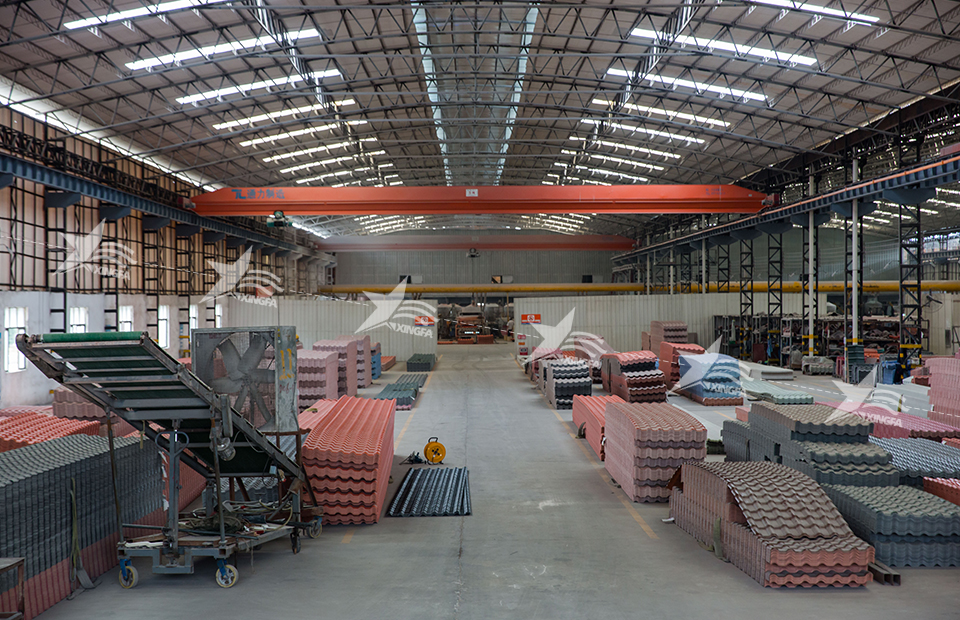
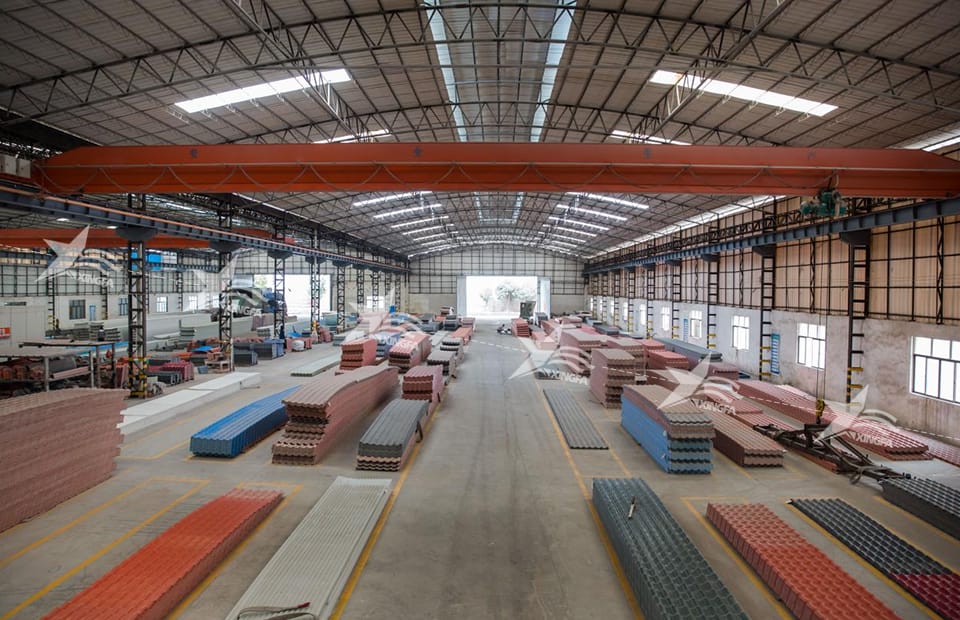
As a high-tech enterprise with 21 years of specialized expertise in roofing building materials, Foshan Chancheng Xingfa Tile Industry Co., Ltd. is committed to delivering cost-effective, scenario-specific PVC roofing solutions. Our “Xingfa” brand PVC roofing sheets incorporate proprietary “Fire-Retardant Toughness Balance Technology,” enabling simultaneous compliance with Class B1 fire rating standards and exceptional impact resistance. We strictly control calcium carbonate filler content to ≤30%, ensuring long-term dimensional stability and weather resistance. A comprehensive range of thickness options—from 1.5 mm to 3.0 mm—is available to match diverse project requirements. Leveraging a direct factory sales model, we guarantee full pricing transparency and provide professional installation guidance to help clients accurately forecast and optimize total project costs. All products are certified under ISO 9001 Quality Management Systems, backed by product liability insurance underwritten by Ping An Insurance (Group) Company of China, Ltd., and supported by a 10-year weathering performance warranty. Our solutions have been successfully deployed across industrial plants, livestock farming greenhouses, and coastal infrastructure projects.
Looking ahead, as the construction industry places increasing emphasis on environmental sustainability and long-term durability, the PVC roofing sheet sector is poised to evolve toward higher quality standards and greater standardization. Price transparency and integrated one-stop service—including design consultation, product supply, and technical support—will become industry norms, empowering clients to conduct precise cost estimation and achieve consistently reliable, long-lasting roof performance.