EN
EN  ES
ES  RU
RU  AR
AR With the development of the construction industry, the types of roof tiles have become increasingly diverse. Choosing the right roof tile not only enhances the aesthetic appeal of the building but also improves its practicality and durability. Today, we will introduce several common types of roof tiles and their advantages and disadvantages.
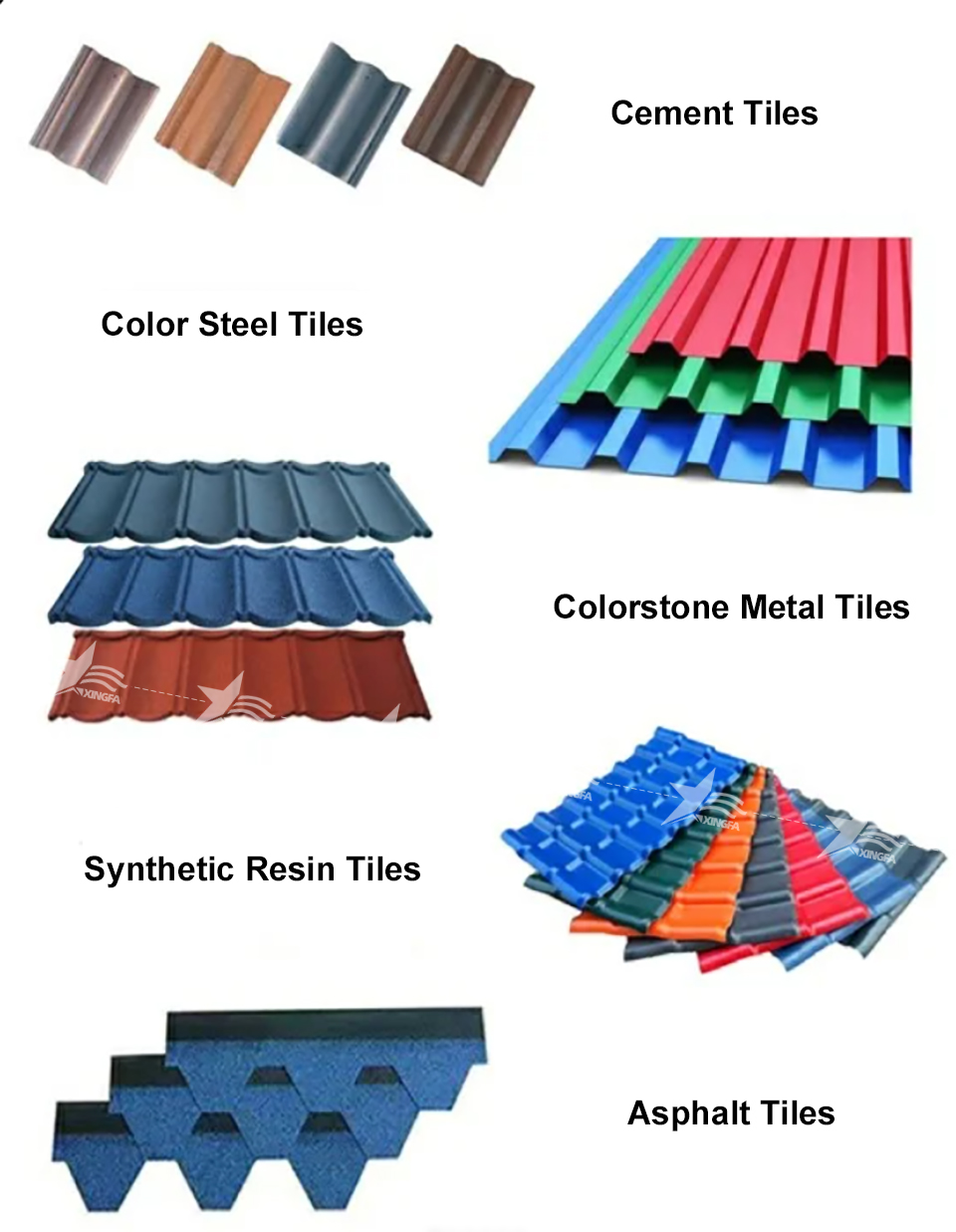
1. Colorstone Metal Tiles
Colorstone metal tiles are favored for their convenient engineering installation, safe material, low cracking tendency, and a lifespan of up to 50 years. They also have features such as sound insulation and noise reduction, corrosion resistance, waterproofing, fire resistance, dust-proof self-cleaning, and a wide color selection, meeting the needs of various architectural styles. However, colorstone metal tiles are relatively expensive, have slightly higher load-bearing capacity than color steel tiles, and are suitable for high-end residences, wooden houses, light steel structures, and villas.
2. Color Steel Tiles
Color steel tiles have gained a place in the market due to their rich colors, light weight, low price, and convenient installation. Their disadvantages are that they are prone to rot, require frequent maintenance, and have a lifespan of approximately 10 years, suitable for temporary buildings such as factories, mobile prefabricated buildings, and car shelters.
3. Asphalt Tiles
Asphalt tiles have the advantages of sound insulation, wind resistance, corrosion resistance, fire resistance, and dust-proof self-cleaning. Their lifespan is between 20 and 30 years, come in a variety of colors, and are inexpensive. However, asphalt tiles have a relatively shorter lifespan and need to be laid on wooden boards and fixed with nails, resulting in a longer construction period, suitable for villas, rockeries, public toilets, etc.
4. Cement Tiles
Cement tiles come in various types, such as corrugated tiles, flat tiles, and S-shaped tiles, with strong load-bearing capacity. Their disadvantages are that they are prone to damage, lack a sense of three-dimensionality, and are difficult to distinguish in quality. Cement tiles are suitable for residential buildings, ancient-style buildings, etc.
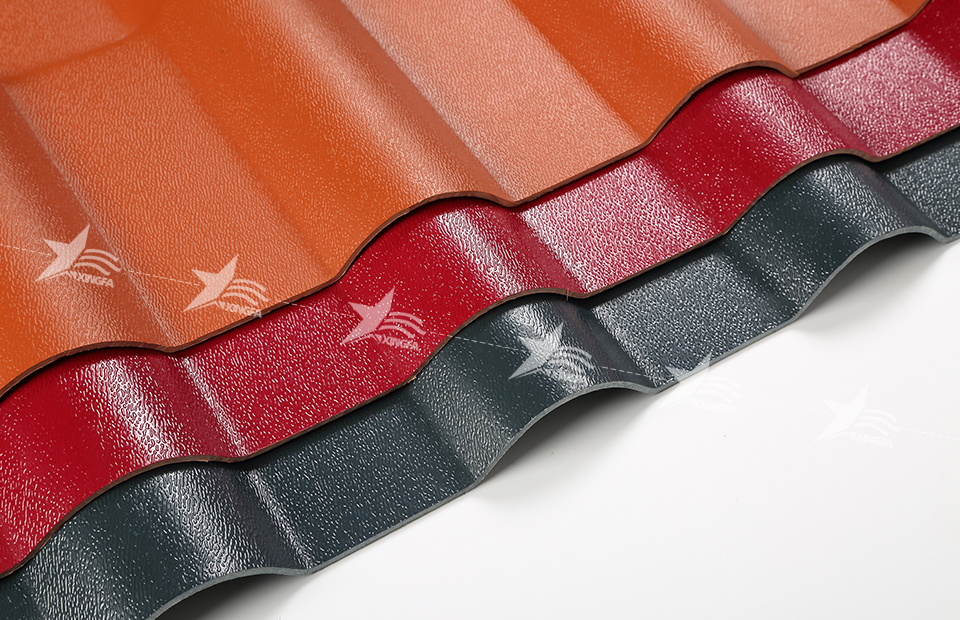
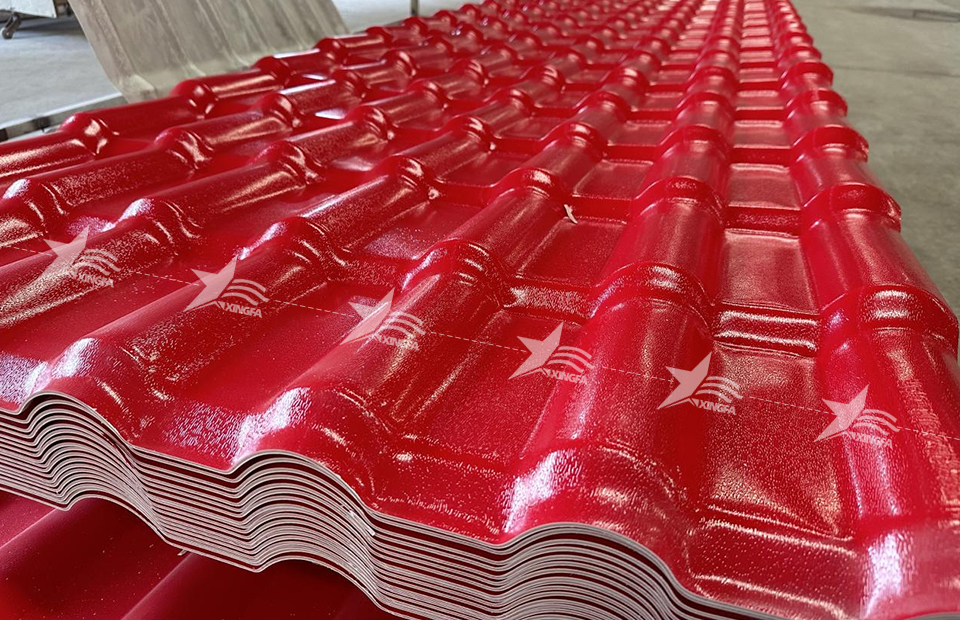
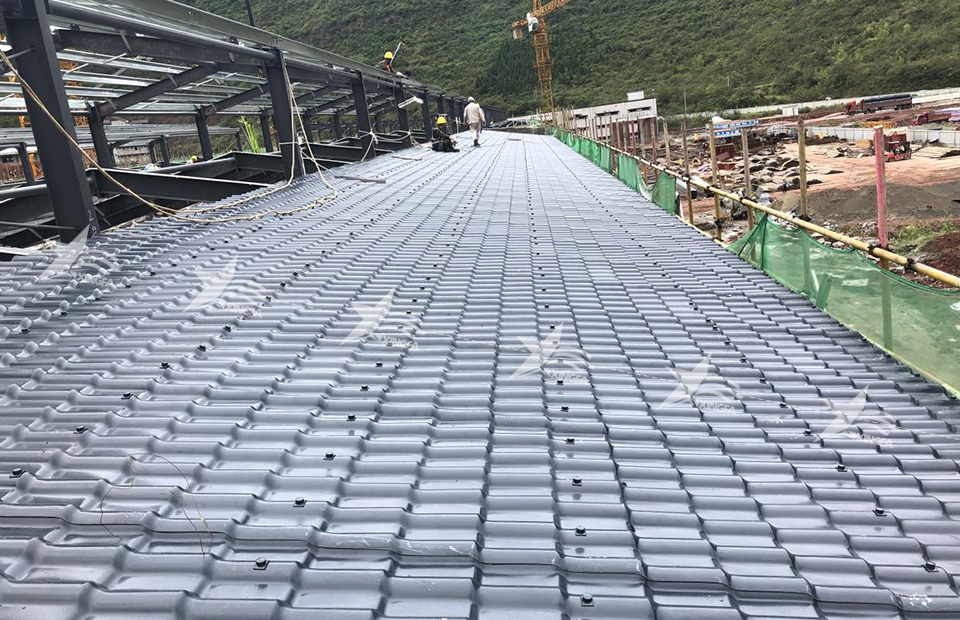
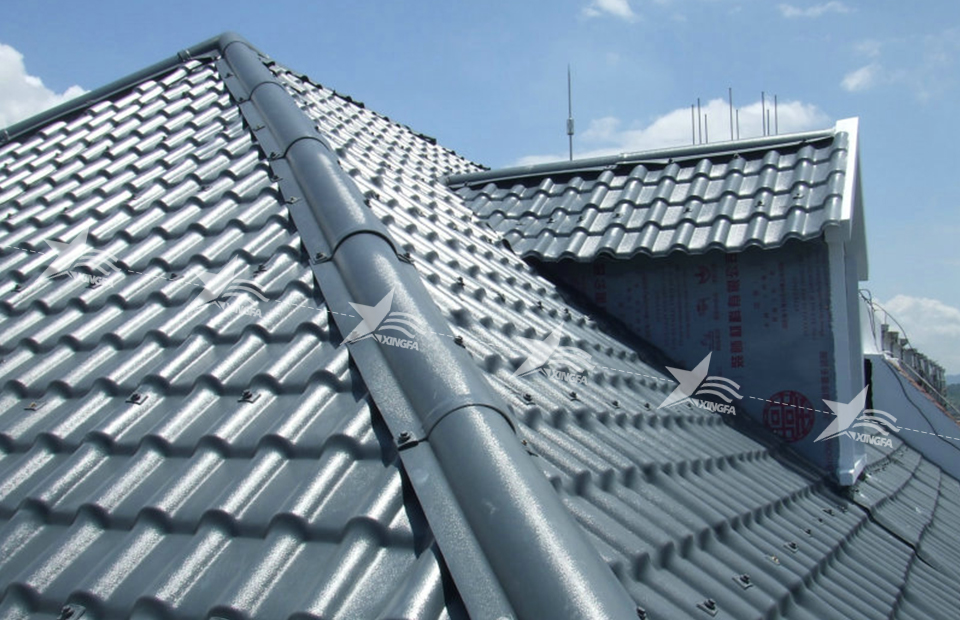
5. Synthetic Resin Tiles
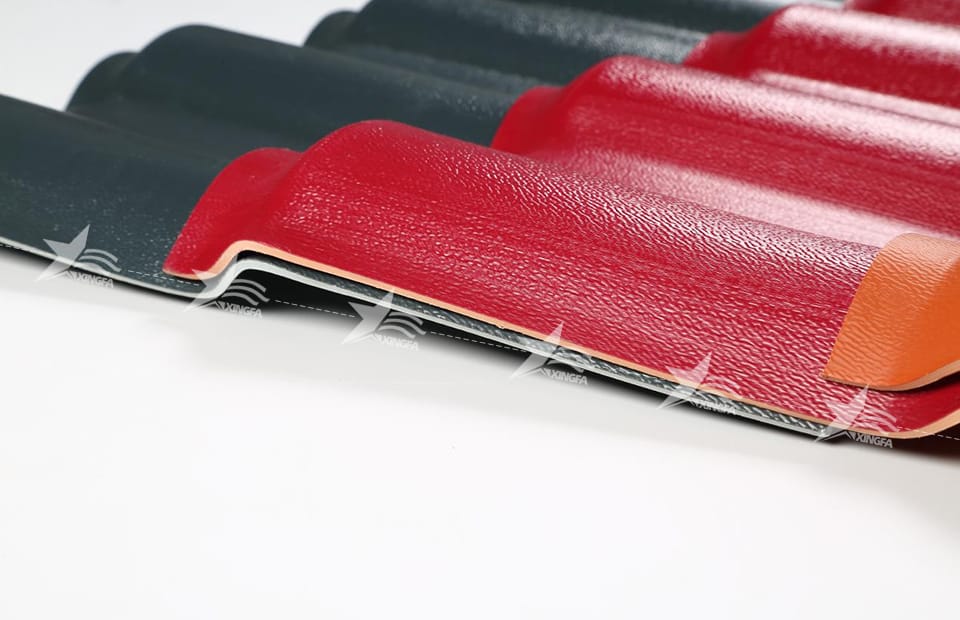
Synthetic resin tiles are lightweight, strong in toughness, and have advantages such as sound insulation, waterproofing, and impact resistance. Their lifespan can reach 25 years or more; they are easy to install and have low costs. However, most of the resin tiles on the market are made from recycled materials and are prone to fading and aging, making them suitable for factories, light steel structures, and residential buildings.