EN
EN  ES
ES  RU
RU  AR
AR What are the raw materials of synthetic resin tiles?
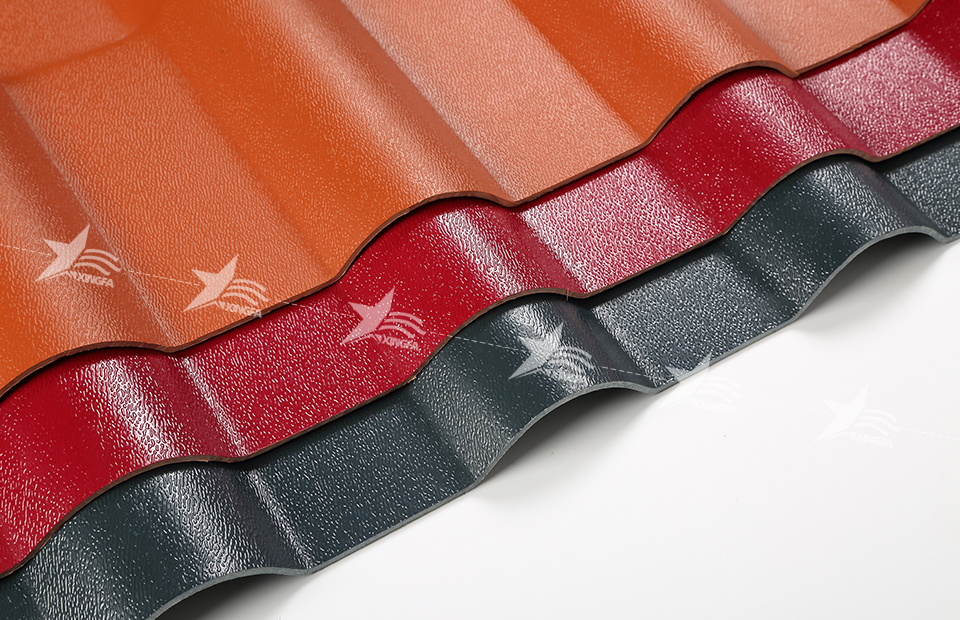
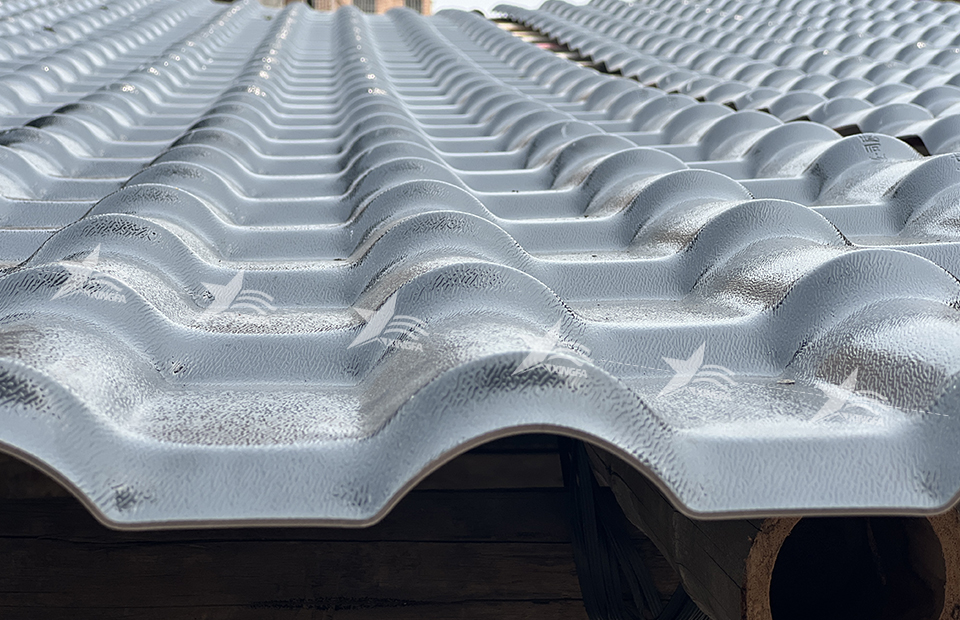
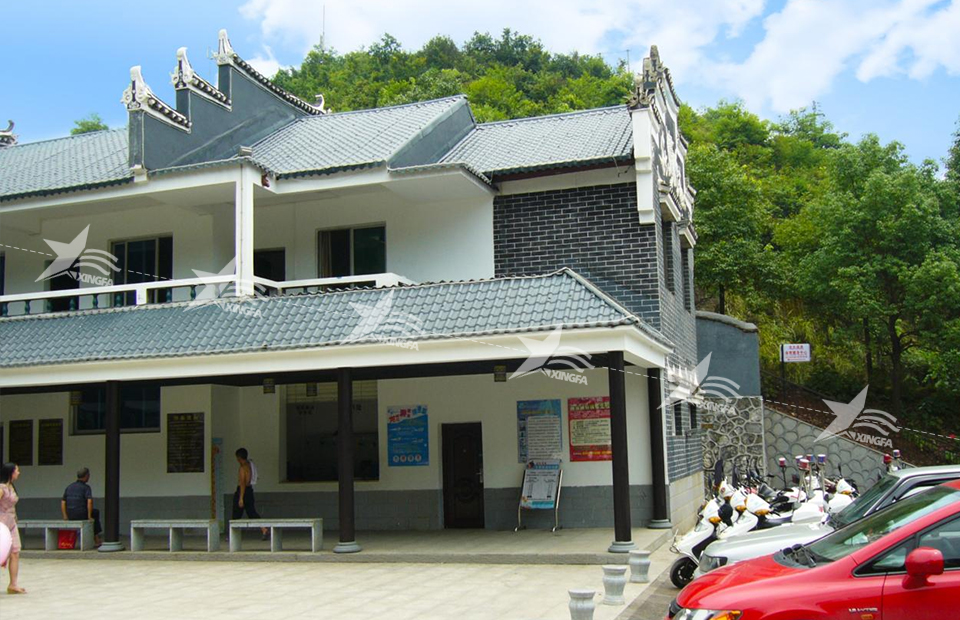
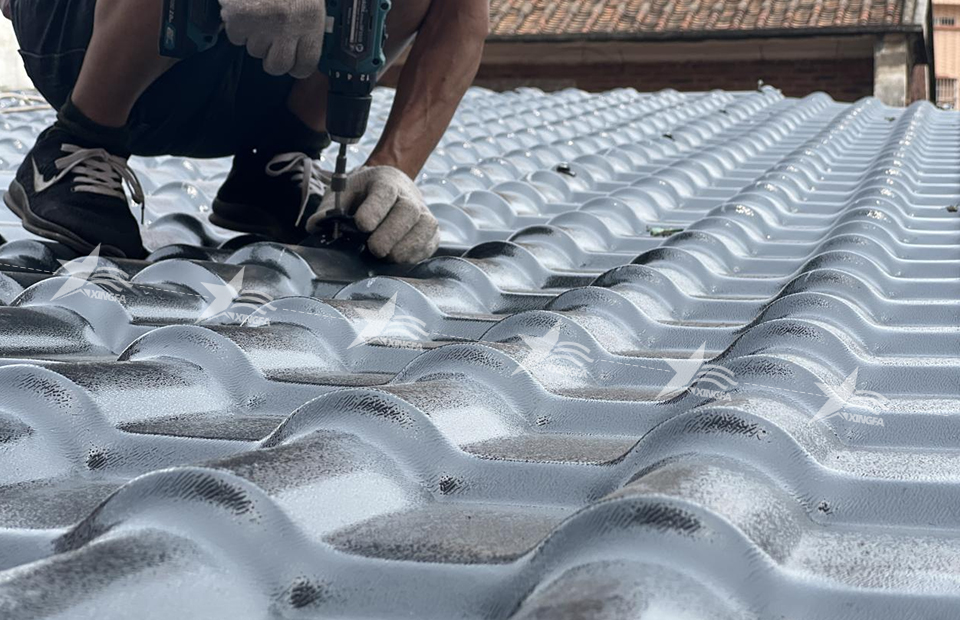
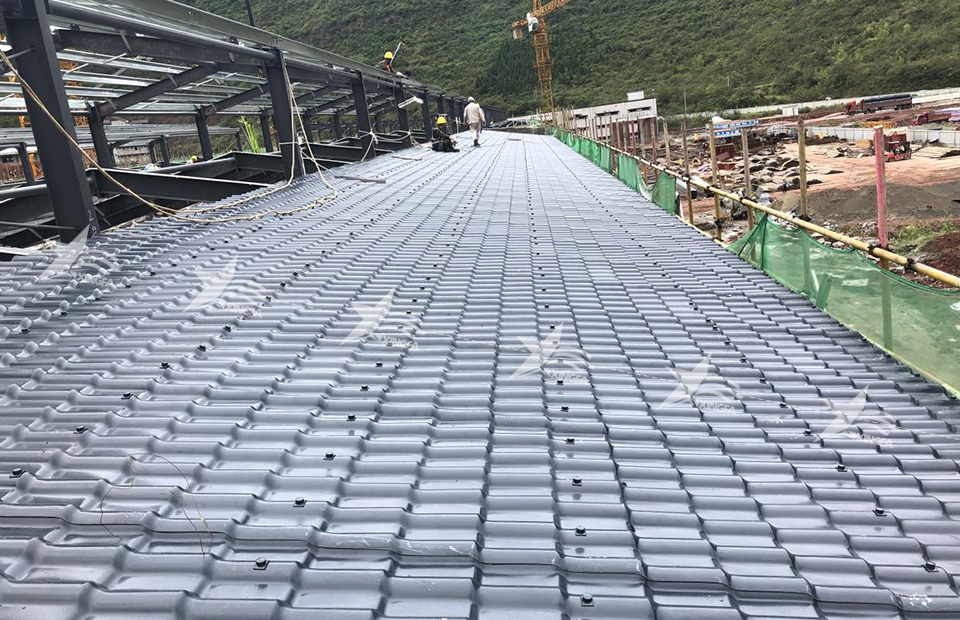
In recent years, synthetic resin tile buildings have become increasingly prevalent, and their beautiful roofs have instantly captured people’s attention. What are the primary raw materials used in the production of this synthetic resin tile?

The main raw material of synthetic resin tiles is synthetic resin, which is a kind of artificially synthesized polymer material. Synthetic resin is essentially a viscous liquid or solid that can be softened by heating and usually has a temperature range for melting or softening. Under the action of external force, synthetic resin can flow in a plastic state, which enables it to be processed into materials of various shapes and uses.
The raw materials for synthetic resin tiles are very abundant. In the early days, coal tar products and calcium carbide were mainly used, but nowadays, petroleum products have become the main source of raw materials, including ethylene, propylene, benzene, formaldehyde, and urea etc. These compounds can be synthesized into various resin materials through different chemical reactions, such as polyethylene, polypropylene, polystyrene, polyvinyl chloride, etc., all of which are thermoplastic resins.
According to different uses and performance requirements, various additives are added during the production process of synthetic resin tiles to enhance their durability, water resistance, and UV resistance. For instance, the surface of synthetic resin tiles is usually covered with a layer of ASA (acrylonitrile-styrene-acrylate copolymer) or PMMA (polymethyl methacrylate) film. These materials have excellent weather resistance and anti-aging performance, which can ensure that the color of the tiles remains bright and lasting.