RU
RU  EN
EN  ES
ES  AR
AR PVC Roofing Tiles vs. ASA Synthetic Resin Roofing Tiles: A Comprehensive Comparative Analysis of Material Properties
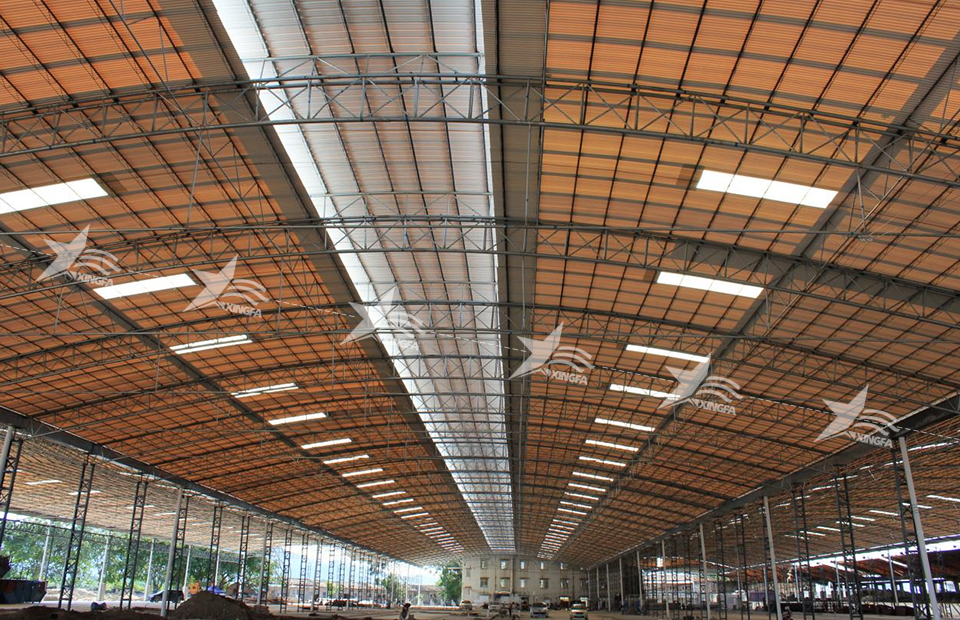
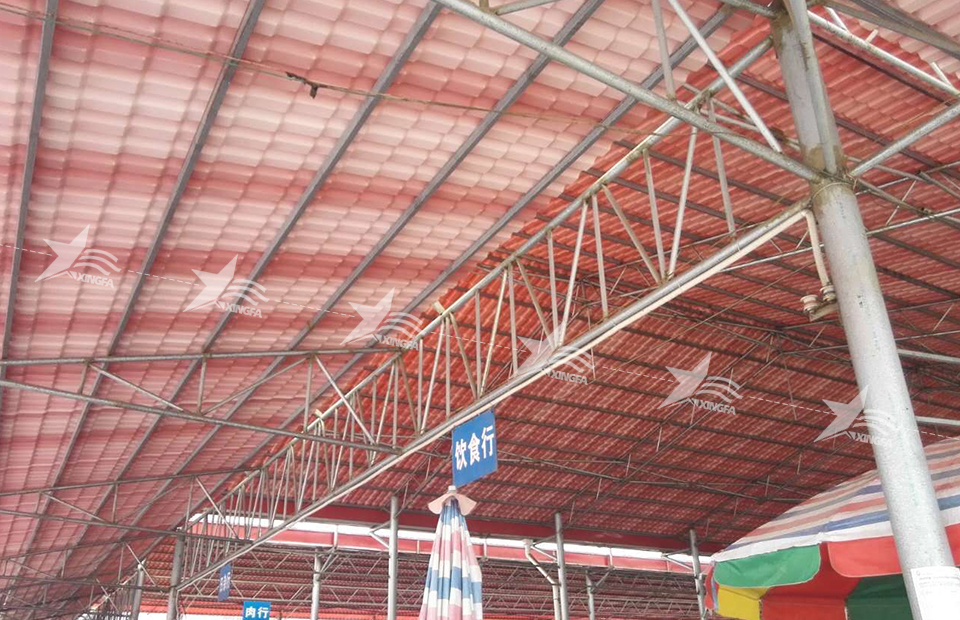
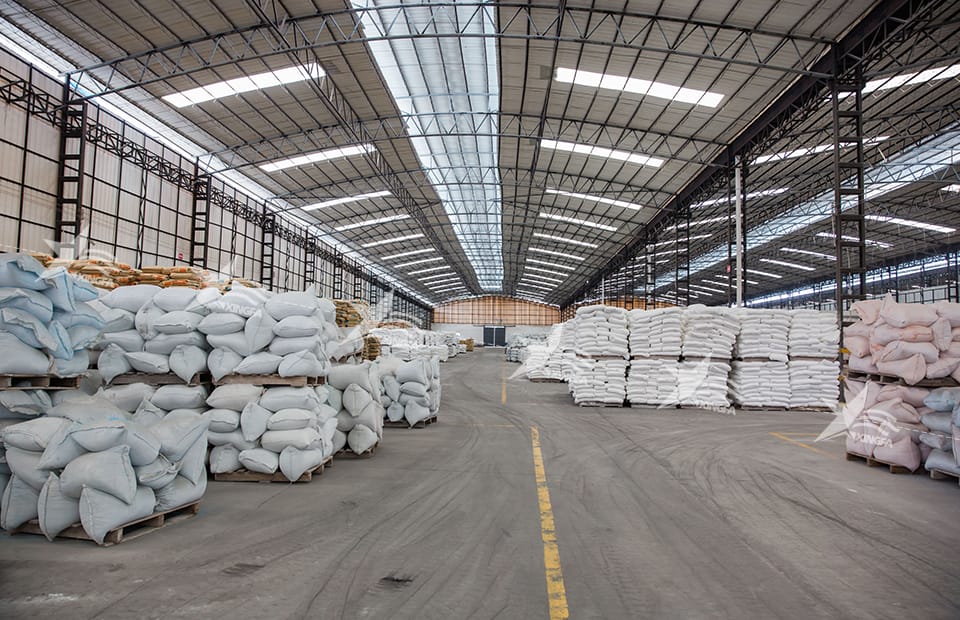
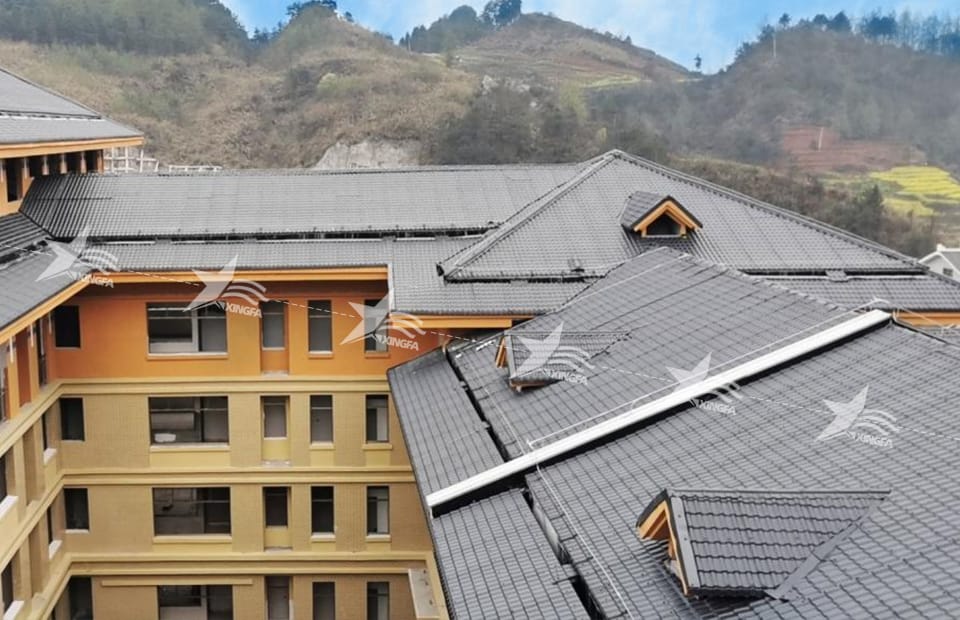
In roof renovation projects for industrial facilities—such as factories, warehouses, and livestock sheds—PVC roofing tiles and ASA synthetic resin roofing tiles are two of the most frequently selected non-metallic roofing materials. While their appearances are similar and both offer advantages including lightweight construction, waterproofing capability, and corrosion resistance, they differ significantly in base material formulation and surface processing technologies. These differences translate into notable disparities in weather resistance, service life, cost efficiency, and suitability for specific applications. Procurement personnel often confuse the two products; selecting the wrong material may lead to premature issues such as color fading, embrittlement, cracking, or water leakage. This article provides a systematic comparison across six critical dimensions—base material composition, weather resistance and anti-aging performance, physical and mechanical properties, cost and pricing, application scenarios, and post-installation maintenance—to support informed, rational material selection.
Ⅰ. Base Material Composition Comparison
- PVC Roofing Tiles
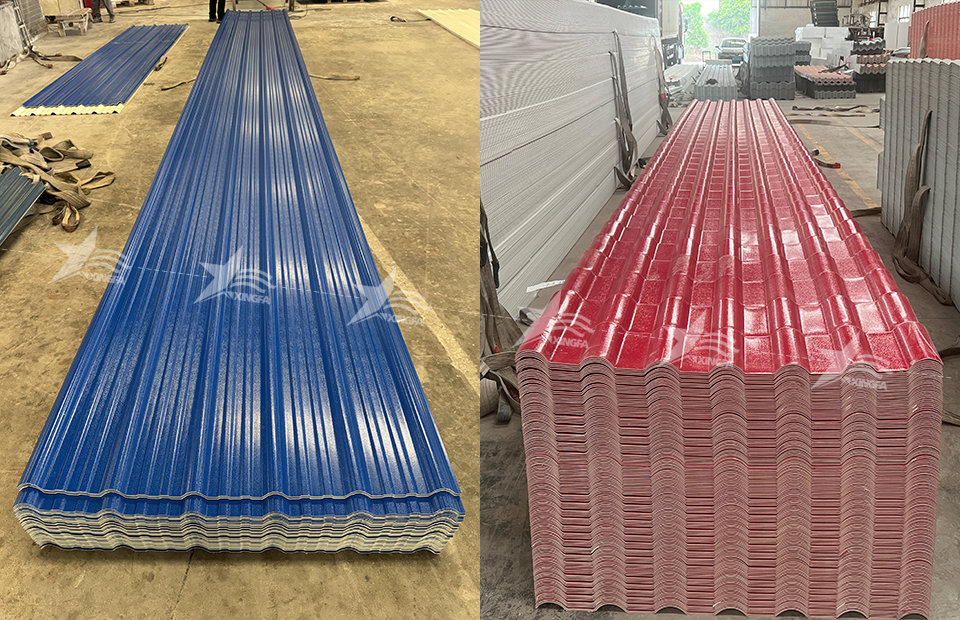
PVC roofing tiles primarily use polyvinyl chloride (PVC) resin as the principal raw material, compounded with thermal stabilizers, plasticizers, and calcium carbonate (CaCO₃) fillers, and formed via extrusion. In standard commercial products, CaCO₃ filler content is often deliberately elevated to reduce manufacturing costs. Many conventional PVC tiles incorporate only minimal amounts of UV stabilizers and lack a dedicated, functionally optimized weather-resistant surface layer; instead, they feature a homogeneous, single-layer structure. Higher filler loading directly reduces the proportion of PVC resin, thereby compromising intrinsic material quality and long-term performance.
- ASA Synthetic Resin Roofing Tiles
ASA synthetic resin roofing tiles employ a co-extruded, multi-layer composite structure: a modified PVC substrate provides structural strength and impact toughness, while an outer layer—co-extruded at high temperature—consists of ASA (acrylonitrile–styrene–acrylic ester) engineering resin. Specifically engineered for outdoor exposure, the ASA layer typically ranges from 0.2 to 0.3 mm in thickness and is integrally fused—not merely coated or laminated—with the underlying substrate. The base layer also incorporates thermal stabilizers and impact modifiers. High-quality products strictly control CaCO₃ filler content to mitigate adverse effects on mechanical integrity and durability.
Ⅱ. Weather Resistance and Anti-Aging Performance
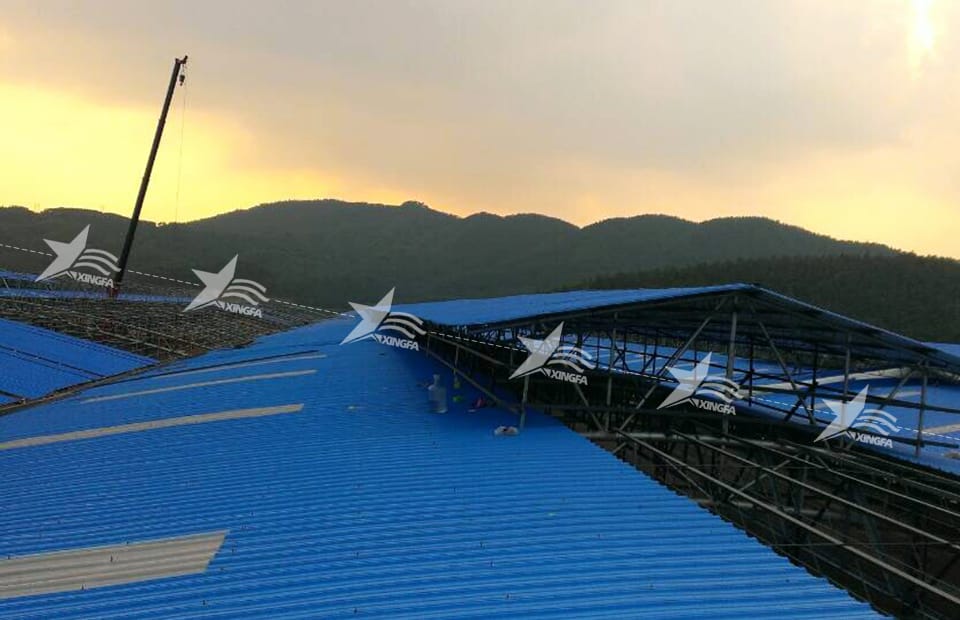
Weather resistance constitutes the most critical performance criterion for outdoor roofing materials, directly governing color retention and functional service life.
Standard PVC roofing tiles exhibit inherently limited ultraviolet (UV) resistance. Under prolonged outdoor exposure, UV radiation penetrates the entire tile body, progressively depleting stabilizers and causing surface yellowing, chalking, and color fading. Combined thermal stress—especially under intense solar irradiation and large diurnal temperature fluctuations—induces molecular chain degradation in the polymer matrix. Over time, this results in surface chalking and overall embrittlement. In southern China’s hot, humid, and high-UV environment, low-grade, highly filled PVC tiles commonly exhibit pronounced fading within 3–5 years; even higher-grade modified PVC variants typically begin to degrade after 8–12 years of outdoor service.
ASA synthetic resin roofing tiles leverage the ASA top layer as a robust protective barrier, effectively shielding the underlying modified PVC substrate from UV radiation, moisture, and ozone-induced degradation. ASA resin itself demonstrates exceptional UV stability and oxidative resistance, exhibiting minimal discoloration or chalking over extended periods. Certified, high-quality ASA roofing tiles maintain consistent coloration for 10–15 years under normal outdoor conditions and achieve an overall service life of 15–20 years. However, substandard products—characterized by insufficient ASA layer thickness or the use of recycled ASA feedstock—exhibit markedly diminished weather resistance.
Ⅲ. Physical and Mechanical Properties
- Impact Resistance and Toughness
Conventional, highly filled PVC tiles suffer from poor low-temperature performance: increased brittleness during winter renders them susceptible to cracking upon impact from hailstones or falling objects. At elevated temperatures, they may undergo slight softening and dimensional deformation. Although premium modified PVC tiles incorporate impact modifiers to enhance toughness, their performance ceiling remains fundamentally constrained.
ASA synthetic resin roofing tiles utilize a modified PVC substrate reinforced with specialized impact-modifying agents, achieving an optimal balance between rigidity and ductility. Their broader operational temperature range ensures superior low-temperature crack resistance—particularly under hail impact—and reduced thermal deformation during summer heat, thereby minimizing roof distortion risks.
- Thermal Insulation, Sound Dampening, and Waterproofing
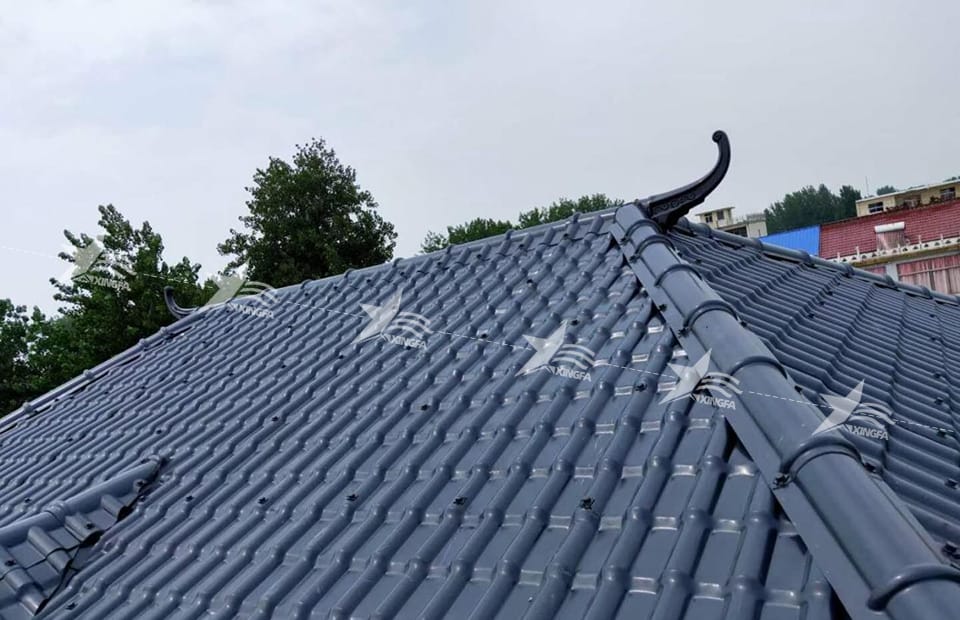
Both materials possess comparable densities and qualify as lightweight roofing solutions. Relative to color-coated steel sheets, they deliver superior thermal insulation and acoustic attenuation. As wave-profiled, monolithic extrusions, both PVC and ASA tiles feature simple interlocking profiles that, when correctly installed, ensure reliable waterproofing. However, once PVC tiles age and embrittle, micro-cracks inevitably develop on the surface, gradually compromising watertightness. In contrast, ASA tiles retain structural integrity far longer due to their slower aging kinetics, thereby sustaining effective waterproofing performance over an extended period.
Ⅳ. Cost and Pricing Differences
PVC roofing tiles benefit from lower raw material costs and consequently command significantly lower market prices—making them suitable for budget-constrained, short-term applications. Nevertheless, economically priced PVC tiles often contain excessive filler content, resulting in accelerated performance deterioration and classifying them as low-cost, low-service-life solutions.
ASA synthetic resin roofing tiles incur higher production costs due to the premium price of ASA engineering resin and the technical complexity of the dual-layer co-extrusion process—which demands advanced equipment and stringent process control. Consequently, their unit price exceeds that of standard PVC tiles. Although initial investment is higher, their extended service life yields a lower average annual cost of ownership. Notably, counterfeit “ASA” tiles exist in the market—featuring ultra-thin ASA layers or recycled ASA feedstock—priced comparably to PVC tiles. Buyers must therefore exercise rigorous due diligence during procurement.
Ⅴ. Application Scenarios Comparison
PVC Roofing Tiles: Best suited for temporary structures—including provisional workshops, basic storage sheds, and short-term transitional buildings—as well as non-critical applications such as wall-mounted canopies or interior ceiling systems where prolonged direct solar exposure is avoided. They are not recommended for permanent industrial roofs subject to high solar irradiance, elevated ambient temperatures, or aggressive chemical environments (e.g., acid rain), particularly in southern regions where accelerated aging is prevalent.
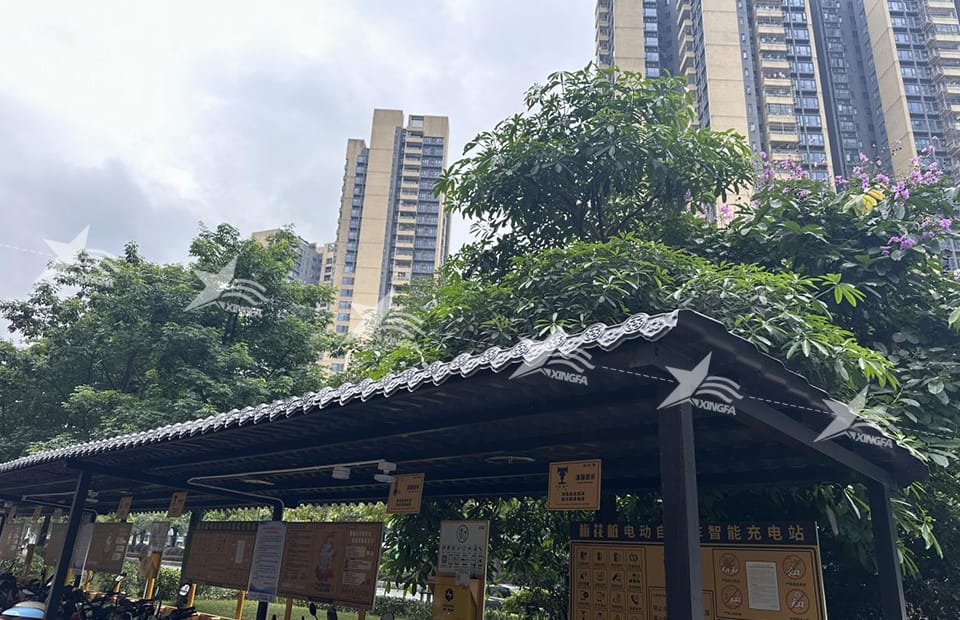
ASA Synthetic Resin Roofing Tiles: Ideal for long-term applications on steel-framed industrial buildings—including factories, warehouses, livestock housing facilities, heritage-style architectural roofs, and residential rooftops. Their robust performance profile accommodates demanding environmental conditions, including intense southern sunlight, acid rain, and mild corrosive atmospheres—making them the preferred choice for durable, all-weather outdoor roofing.
Ⅵ. Post-Installation Maintenance Considerations
PVC Roofing Tiles: Primary maintenance concerns include progressive color fading, surface chalking, and embrittlement. Once significant aging occurs, effective repair is impractical; extensive degradation necessitates full replacement. Routine care should emphasize avoidance of mechanical damage—particularly impacts from sharp or heavy objects.
ASA Synthetic Resin Roofing Tiles: Require minimal routine maintenance under normal operating conditions and generally do not demand special upkeep. Localized damage can be addressed through selective tile replacement. Crucially, meticulous attention during installation—especially proper sealing of fastener penetrations to prevent water ingress at nail/screw holes—is essential to maximize system longevity and overall service life.
Summary
For temporary structures with limited budgets and short service life requirements, PVC roof tiles can meet basic functional needs. However, for long-term applications such as industrial plants and warehouses—where structural stability, superior weather resistance, and minimized maintenance and refurbishment costs are critical—certified ASA synthetic resin roof tiles should be the preferred choice.
When selecting products, purchasers must look beyond superficial appearance and unit price; instead, they should rigorously evaluate the quality of the co-extruded surface layer and the filler content. This due diligence helps avoid substandard counterfeit ASA tiles or highly filled PVC tiles, both of which pose significant long-term risks to roof integrity and performance.