RU
RU  EN
EN  ES
ES  AR
AR In-Depth Analysis of PVC Industrial Roofing Sheets: Performance Standards and Application Guidelines for Industrial Roofing
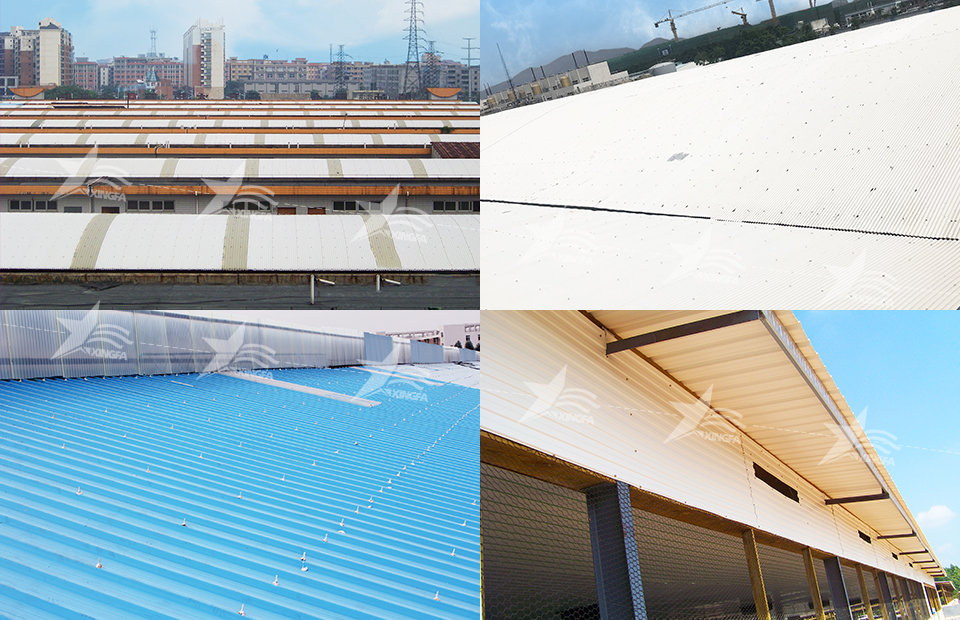
Ⅰ. What Are PVC Industrial Roofing Sheets? Definition and Core Value Proposition
PVC industrial roofing sheets are a new-generation, eco-friendly roofing material specifically engineered for large-span roof applications in industrial plants, warehousing facilities, and livestock farming structures. Composed primarily of high-grade polyvinyl chloride (PVC) resin, these sheets incorporate a precisely formulated blend of functional additives—including flame retardants, ultraviolet (UV) stabilizers, and acid- and alkali-resistant agents—and are manufactured via advanced co-extrusion technology. As such, they represent an upgraded, performance-optimized roofing solution tailored to the rigorous demands of modern industrial infrastructure.
Conventional industrial roofing materials exhibit notable limitations: color-coated steel sheets suffer from poor corrosion resistance and are prone to rusting and perforation in acidic, alkaline, or high-salinity environments—resulting in frequent maintenance requirements; clay tiles impose excessive structural load due to their high self-weight, thereby increasing both retrofitting and new-construction costs; and asbestos-cement sheets pose well-documented carcinogenic risks, rendering them noncompliant with current environmental protection, occupational safety, and regulatory standards. In contrast, PVC industrial roofing sheets deliver a comprehensive suite of advantages—including lightweight construction, superior corrosion resistance, inherent flame retardancy, thermal insulation, and rapid installation—effectively addressing the critical shortcomings of traditional alternatives. Consequently, they serve as a high-performance replacement for conventional roofing materials, resolving key industry challenges such as high operational and maintenance costs, inadequate safety and regulatory compliance, and limited service life.
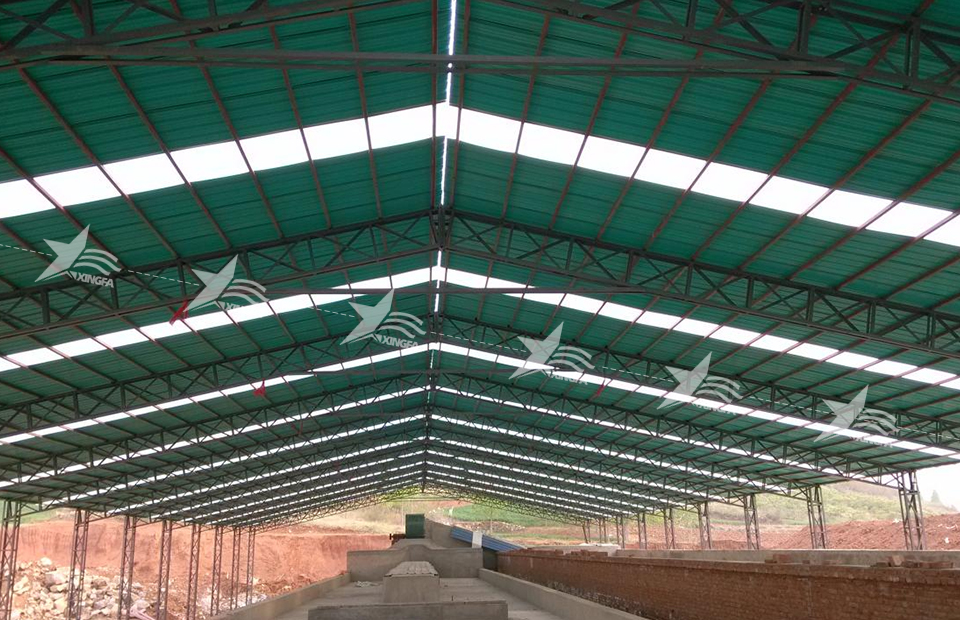
Ⅱ. Core Performance Attributes: Key Technical Parameter Analysis
- Fire Resistance Classification and Flame-Retardant Performance
Fire resistance constitutes a mandatory requirement in industrial roofing design, directly impacting fire safety certification and regulatory approval. In accordance with China’s national standard GB 8624–2012 (“Classification of Burning Behavior for Building Materials and Products”), compliant PVC industrial roofing sheets achieve Class B1 (difficult-to-ignite) performance. Premium-grade products further demonstrate self-extinguishing behavior upon flame removal, absence of flaming droplets, and no lateral flame spread—fully satisfying fire safety acceptance criteria for diverse industrial plants and warehouses. Their flame-retardant reliability significantly surpasses that of common commercial B2-class roofing products, thereby mitigating fire propagation risk at the material source.
- Wind Resistance Rating and Structural Characteristics
PVC industrial roofing sheets feature a biomimetic corrugated profile, scientifically optimized to enhance overall structural integrity and wind-load resistance. Certified premium products withstand direct impact from Category 12 typhoons, making them highly suitable for coastal and high-wind regions. Moreover, their exceptionally low unit weight—ranging from 3.5 to 5.5 kg/m²—represents less than half the mass of conventional color-coated steel sheets, substantially reducing dead-load demands on primary building structures and purlins. When installed using standardized purlin spacing protocols, these sheets remain securely anchored during extreme wind events, effectively eliminating risks of loosening, detachment, or uplift—thereby markedly improving long-term roof safety and stability.
- Weather Resistance and UV Stability
Weather resistance is a fundamental performance indicator governing outdoor service life and thus serves as a core evaluation criterion for industrial roofing materials. Reputable PVC industrial roofing sheets incorporate sufficient quantities of specialized UV-stabilizing modifiers. High-end variants successfully pass accelerated aging tests and salt-spray exposure exceeding 1,000 hours, demonstrating exceptional adaptability to harsh outdoor conditions. Under prolonged exposure, they resist discoloration, chalking, cracking, and deformation. In demanding environments—including coastal zones with high salinity and industrial settings subject to acid/alkali corrosion—their stable service life reliably exceeds 15 years.
Regarding high-temperature performance, premium PVC industrial roofing sheets maintain structural and functional integrity under continuous exposure to 70°C ambient temperatures. They also tolerate short-term thermal shocks up to 100°C—fully meeting the typical thermal requirements of most industrial facilities, including general production workshops and storage warehouses.
- Compressive Strength and Physical Toughness Certified
PVC industrial roofing sheets achieve compressive strengths of ≥8 MPa. Through rigorously optimized raw-material formulation, they strike an ideal balance between rigidity and toughness—overcoming the common trade-off wherein high stiffness compromises impact resistance, or enhanced ductility reduces load-bearing capacity. During installation, they resist splitting when fastened with nails and exhibit no edge chipping during cutting. Furthermore, they support cold bending at low temperatures, enabling seamless adaptation to curved, arched, or other non-standard roof geometries. This dual capability satisfies stringent mechanical performance requirements—including load-bearing capacity and resistance to foot traffic—while simultaneously enhancing construction flexibility and efficiency.
- Waterproofing, Thermal Insulation, Heat Retention, and Acoustic Performance
In terms of waterproofing, the inherent hydrophobicity of the PVC matrix—combined with proprietary interlocking profiles and dedicated waterproof sealing accessories—enables fully seamless roof installation. This eliminates water infiltration at its source, definitively resolving persistent issues associated with conventional roofing materials, such as high water absorption, leak-prone joints, and recurrent post-installation leakage repairs.
For thermal insulation and heat retention, multiple high-performance PVC industrial roofing sheet variants employ optimized hollow-core or corrugated cavity structures. With a low thermal conductivity of only 0.17 W/(m·K), PVC sheets reduce heat transfer by approximately 60% compared to conventional color-coated steel roofing. This yields an effective indoor–outdoor temperature differential of 10–15°C, significantly lowering internal temperatures during summer months and reducing air-conditioning energy consumption. Additionally, the hollow corrugated structure effectively attenuates and impedes sound wave transmission, delivering noise reduction of 20–30 dB—substantially improving the acoustic environment within industrial facilities and enhancing occupant comfort and operational efficiency.
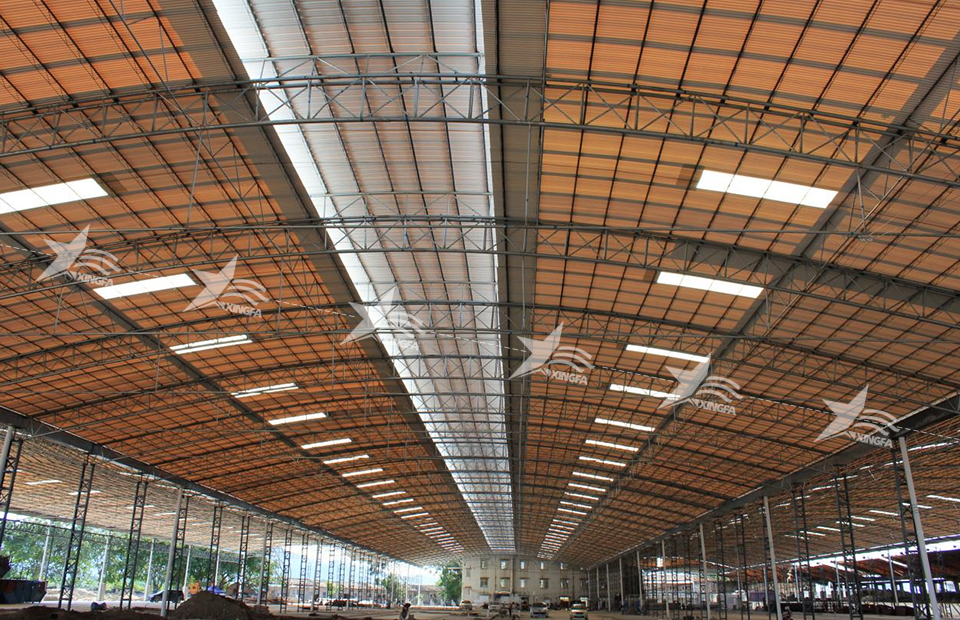
Ⅲ. PVC Factory Roofing Sheets vs. Traditional Building Materials: Analysis of Advantages and Limitations
- Core Competitive Advantages Compared with conventional industrial roofing materials—such as color-coated steel sheets, clay tiles, and asbestos-cement sheets—PVC factory roofing sheets deliver comprehensive, all-dimensional value advantages in terms of cost-performance ratio:
- Superior Corrosion Resistance and Weatherability, Resulting in Lower Operational & Maintenance (O&M) Costs: The base material is inherently non-rusting and offers long-term resistance to acids, alkalis, salt spray, and corrosive gases—making it ideally suited for demanding environments including chemical plants, coastal facilities, and livestock farms. Relative to color-coated steel sheets, annual roof maintenance costs are reduced by over 80%; over the full lifecycle, total cost of ownership is approximately 40% lower than that of traditional roofing materials—significantly reducing enterprises’ long-term O&M expenditures.
- Lightweight and Energy-Efficient, with Broad Structural Compatibility: Weighing only one-fifth as much as traditional clay tiles, PVC roofing sheets reduce initial structural load-bearing requirements, lowering primary construction investment by ~10%. For retrofitting aging industrial buildings, no reinforcement of the main load-bearing structure is required—thus minimizing renovation complexity and expanding applicability across diverse building conditions. Moreover, its excellent thermal insulation performance reduces air-conditioning and mechanical ventilation cooling energy consumption by 20–30%, delivering substantial long-term energy savings.
- High Installation Efficiency, Accelerating Project Timelines: The highly resilient substrate is compatible with standard construction methods and requires no pre-drilling. Installation can be carried out efficiently by ordinary professional contractors. Per-sheet installation speed is 20% faster than the industry average for conventional roofing materials; for typical factory projects, overall construction duration can be shortened by 3–5 days—effectively reducing labor and on-site execution costs.
- Product Limitations PVC factory roofing sheets are not universally suitable for all applications and possess defined operational boundaries: Compared with metal roofing systems, their high-temperature stability at extreme conditions is comparatively limited; they are therefore unsuitable for continuous exposure to ambient temperatures exceeding 80°C—such as in certain high-heat industrial production environments. Additionally, some low-end, substandard products on the market—manufactured using recycled waste feedstock or excessive calcium carbonate filler—may exhibit insufficient toughness, brittleness, premature cracking, and rapid UV-induced fading and discoloration. To mitigate quality risks, purchasers should prioritize certified, reputable brands and fully compliant products.
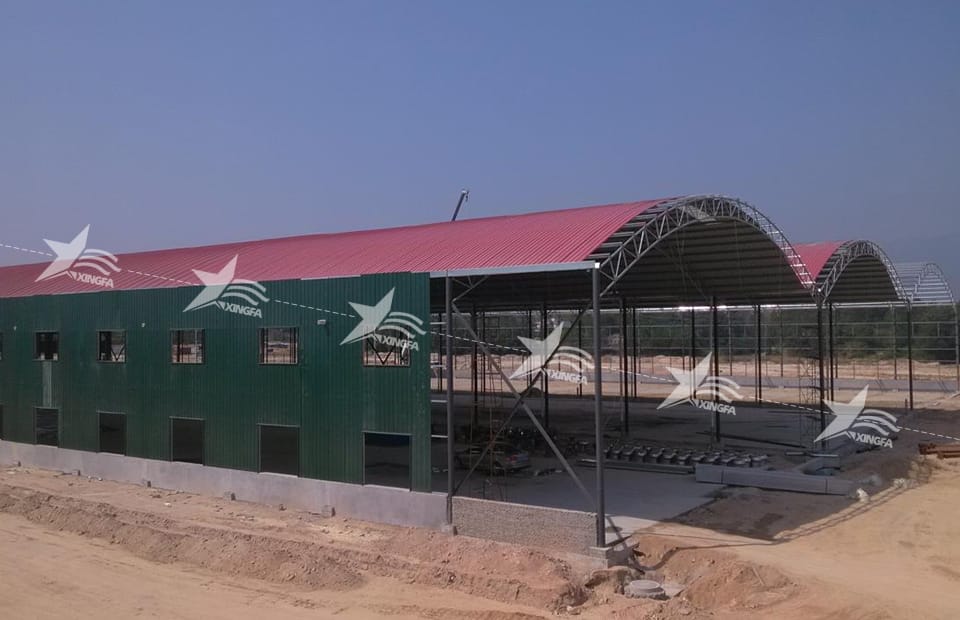
Ⅳ. Core Application Scenarios for PVC Factory Roofing Sheets
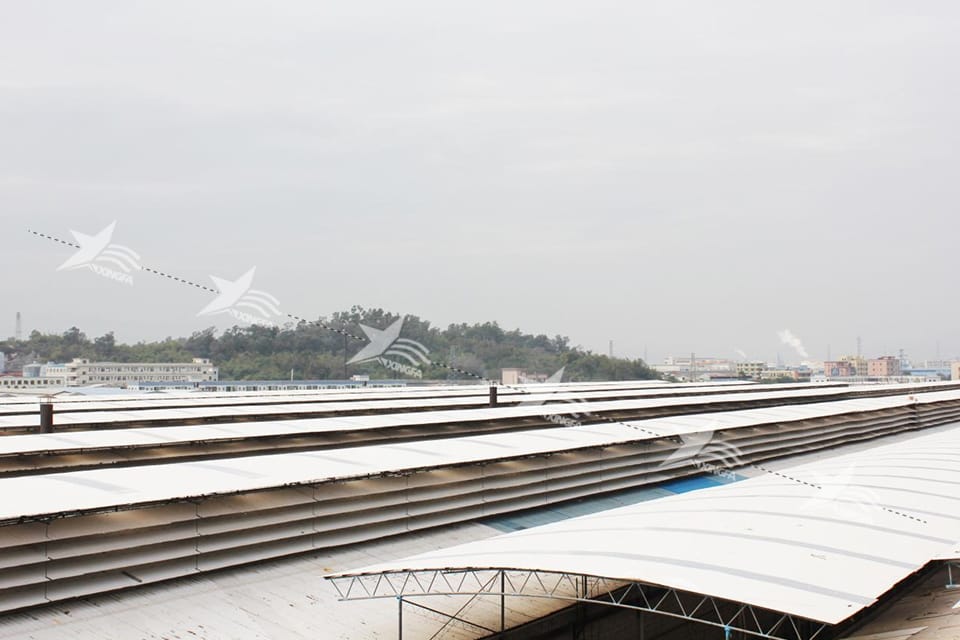
Leveraging integrated advantages—including corrosion resistance, flame retardancy, thermal insulation, durability, and cost-effectiveness—PVC factory roofing sheets are widely deployed across industrial, agricultural, and warehousing roofing applications. Key application domains include:
- Chemical and Manufacturing Plants: Specifically designed for ceramic manufacturing facilities, chemical plants, and metal surface treatment workshops (e.g., acid pickling lines), where acidic/alkaline exposure, dust accumulation, and high-temperature, humid indoor conditions prevail. PVC roofing sheets comprehensively resolve persistent issues associated with color-coated steel roofs—such as rust-induced leakage, poor thermal insulation, and excessive workshop temperatures—thereby optimizing the production environment, ensuring stable operations, and improving product yield rates.
- Coastal and Chemical-Industrial Zone Warehouses: In coastal regions characterized by intense salt-laden atmospheres—and within chemical-industrial parks saturated with acidic/alkaline gases—the roof material faces severe corrosive stress. PVC factory roofing sheets provide long-lasting protection against salt-spray and chemical degradation, significantly reducing the frequency of roof replacement and repair, and effectively controlling long-term O&M costs for warehouse infrastructure.
- Livestock and Poultry Farming Greenhouses: These structures are continuously exposed to ammonia, high humidity, and other corrosive agents, while also requiring strict compliance with fire safety and temperature-control standards. PVC roofing sheets meet national flame-retardant classification requirements (B1 grade), actively regulate internal temperature, resist moisture penetration and corrosion, reduce livestock morbidity, and substantially extend the service life of farming facilities.
- Retrofitting of Aging Industrial Facilities: Given the often-limited load-bearing capacity of older factory structures, PVC roofing sheets enable rapid roof upgrades without structural reinforcement. Installation is swift and minimally disruptive to ongoing production operations. Furthermore, the system readily satisfies updated fire safety and environmental compliance requirements—making it an ideal solution for quality enhancement and modernization initiatives in legacy industrial zones.
Ⅴ. Technical Practice and Future Outlook: Industry Development Trends for PVC Factory Roofing Sheets
Through continuous formulation optimization and advanced manufacturing process enhancements, PVC factory roofing sheets have overcome historical performance limitations—achieving balanced, simultaneous improvements in flame retardancy, impact resistance, weatherability, and energy efficiency. As such, they have emerged as a core green roofing solution for industrial building upgrades.
Among industry leaders, Foshan Chancheng Xingfa Tile Industry Co., Ltd.—a high-tech enterprise with 21 years of dedicated R&D and production experience in eco-friendly roofing materials—has developed the “Xingfa” brand PVC factory roofing sheet, representing a benchmark implementation of advanced technology and quality assurance.
The Xingfa PVC factory roofing sheet utilizes food-grade virgin PVC resin as its primary matrix material and features a proprietary “Fire-Retardancy–Toughness Balance Technology,” which resolves the longstanding industry trade-off between flame retardancy and mechanical resilience. It simultaneously achieves national B1-level flame-retardant certification and an impact strength of 8 MPa—ensuring both fire safety and structural integrity. For extreme-service environments—including chemical plants and coastal installations—a specialized ultra-corrosion-resistant formulation is employed: calcium carbonate filler content is strictly capped at ≤30%, while premium imported UV stabilizers are added in sufficient dosage to guarantee stable, reliable performance for over 15 years under complex environmental conditions. The product is certified to ISO 9001 Quality Management System standards and backed by product liability insurance underwritten exclusively by Ping An Insurance (Group) Company of China, Ltd. A formal 10-year weathering warranty further ensures dual-layer assurance of quality and after-sales support.
Looking ahead, as national policies promoting building energy efficiency and green construction continue to deepen, industrial roofing materials will evolve toward higher weather resistance, enhanced energy-saving performance, and greater functional integration. The PVC factory roofing sheet industry will sustain technological innovation—focusing particularly on emerging integrations such as photovoltaic (PV)-integrated roofing systems, intelligent thermal regulation, and next-generation waterproofing and flame-retardant enhancements—to continually expand application scope and deliver more robust, holistic, and future-ready roofing solutions for the green, energy-efficient, and long-life upgrade of industrial buildings.