ES
 EN
 RU
 AR
How Often Should Synthetic Resin Roofing Tiles Be Maintained?
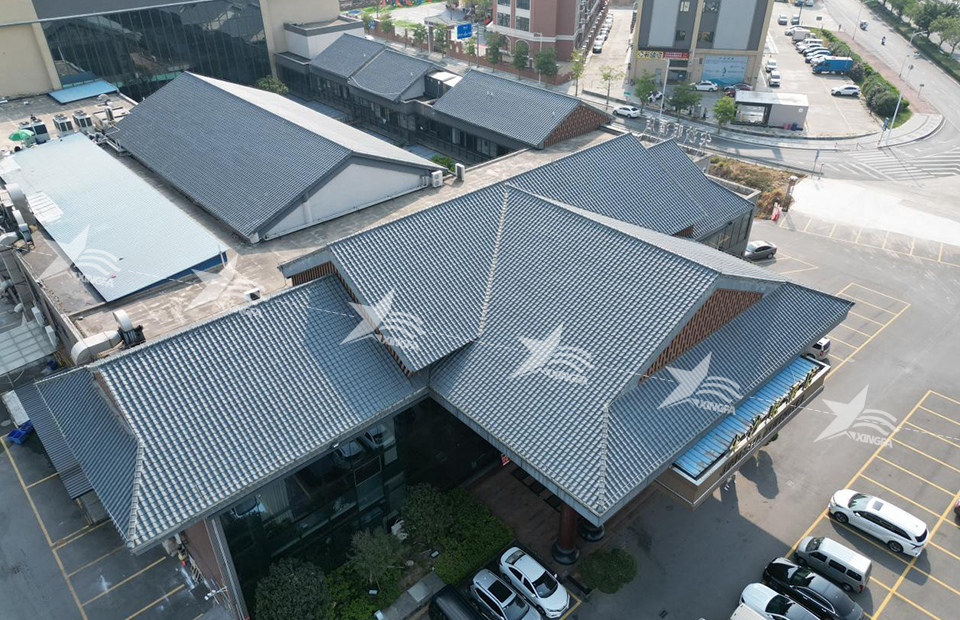
There is no nationally standardized maintenance interval for synthetic resin roofing tiles. Asking “How often should they be maintained?” is, in essence, asking: Under what environmental conditions is this roof installed? How many years has it been in service? And what functional requirements does the building impose? For instance, a newly installed roof on a cleanroom facility may require only a visual inspection every six months; by contrast, roofs over livestock barns or chemical plants—where aggressive atmospheric contaminants accelerate degradation—may demand inspection as frequently as every three months. For newly installed roofs, observation-based monitoring suffices; whereas roofs older than ten years warrant progressively more rigorous inspections, calibrated to the degree of material aging. The optimal approach is to first establish a baseline inspection frequency based on environmental exposure, then adjust inspection intensity according to tile service life, and finally trigger ad hoc inspections upon detection of abnormal indicators.
This article outlines a systematic framework for determining appropriate maintenance intervals across seven dimensions: (1) the logic underlying interval determination; (2) environmental classification; (3) seasonal timing; (4) service-life stages; (5) roof function and usage; (6) early-warning anomaly signals; and (7) execution methodology.
Ⅰ. Intervals Are Not Fixed: Three Key Variables Determine Frequency
The core determinants of inspection frequency are three interrelated variables:
- Environmental aggressiveness — Higher intensities of ultraviolet (UV) radiation, salt spray, acidic/alkaline gases, wind-blown sand, and accumulated debris collectively accelerate the aging of fasteners, seals, and surface layers.
- Service life (tile age) — The ASA co-extruded top layer remains highly stable during the first five years; between years five and ten, accessory components (e.g., gaskets, sealants) enter a phase of concentrated aging; beyond ten years, the substrate itself begins to exhibit chalking and embrittlement.
- Functional criticality and tolerance for failure — A leak in a residential roof compromises interior finishes and thermal insulation; in an industrial plant, it may damage sensitive equipment, raw materials, or finished goods; in a livestock barn, it directly affects animal health and production efficiency through humidity fluctuations and corrosive manure exposure.
Only when these three variables are jointly assessed can an appropriate, site-specific inspection interval be determined.
Ⅱ. Environmental Classification: Establishing Baseline Inspection Frequency
- In clean environments — e.g., standard residential buildings or general-purpose manufacturing facilities — conduct visual inspections every six months, supplemented by one comprehensive maintenance session prior to the rainy season each year.
- In high-corrosion environments — such as livestock barns and chemical processing workshops — where ammonia, acidic vapors, or alkaline mists rapidly degrade elastomeric seals and surface coatings, increase visual inspections to every three months and perform deep maintenance biannually.
- In coastal regions with high salinity and arid or sandy areas — where salt deposition and abrasive particulates erode surface layers and clog tile valleys — schedule visual inspections every three to four months and carry out full cleaning one to two times annually.
- In cold-climate, snow-prone regions — maintain the semiannual inspection rhythm, but add targeted checks immediately before winter onset and again prior to spring snowmelt.
Higher environmental severity corresponds directly to shorter inspection intervals.
III. Seasonal Timing: Critical Checkpoints Throughout the Year
For any given roof, inspection priorities shift with the seasons:
- Pre-rainy season is the most critical annual checkpoint. Focus efforts on clearing gutters and tile valleys, repairing cracked or degraded sealant joints, and re-tightening loose fasteners — proactively mitigating risks before heavy rainfall begins.
- During summer, monitor for signs of abnormal softening, localized buckling (arching), or accelerated color fading — all potential indicators of thermal degradation or UV-induced polymer breakdown.
- Autumn offers the optimal window for annual deep maintenance: stable weather, low ambient humidity, and dry tile surfaces facilitate thorough cleaning, resealing, and minor repairs.
- Prior to winter, remove leaf litter and other debris obstructing drainage pathways, and assess structural capacity to withstand anticipated snow loads.
Embedding these four seasonal checkpoints into a maintenance calendar proves far more practical and actionable than relying solely on generic “quarterly” reminders.
Ⅳ. Service-Life Stages: Escalating Inspection Depth with Age
Tile age dictates not only how often inspections occur, but also their scope and rigor:
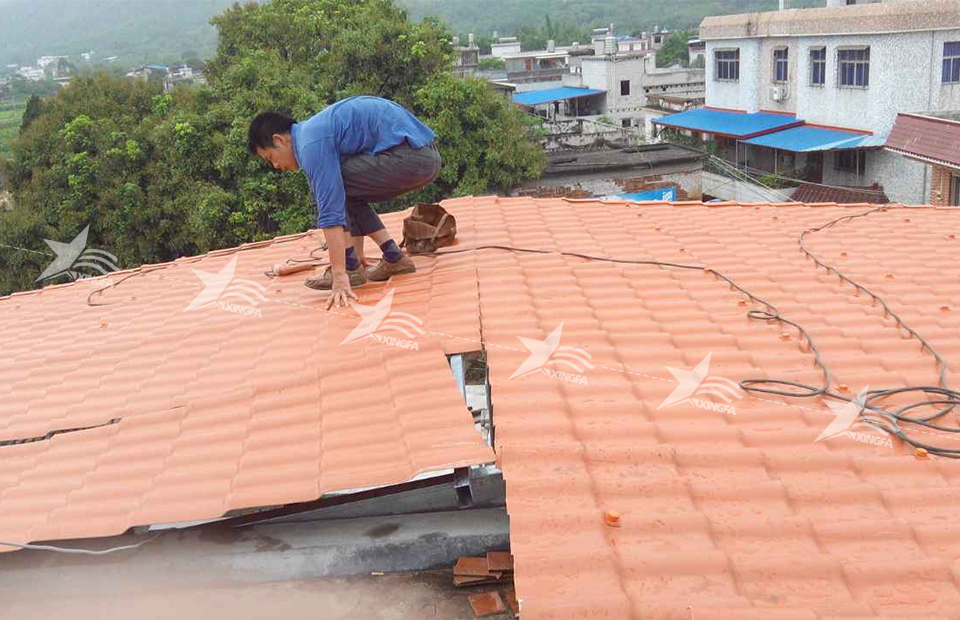
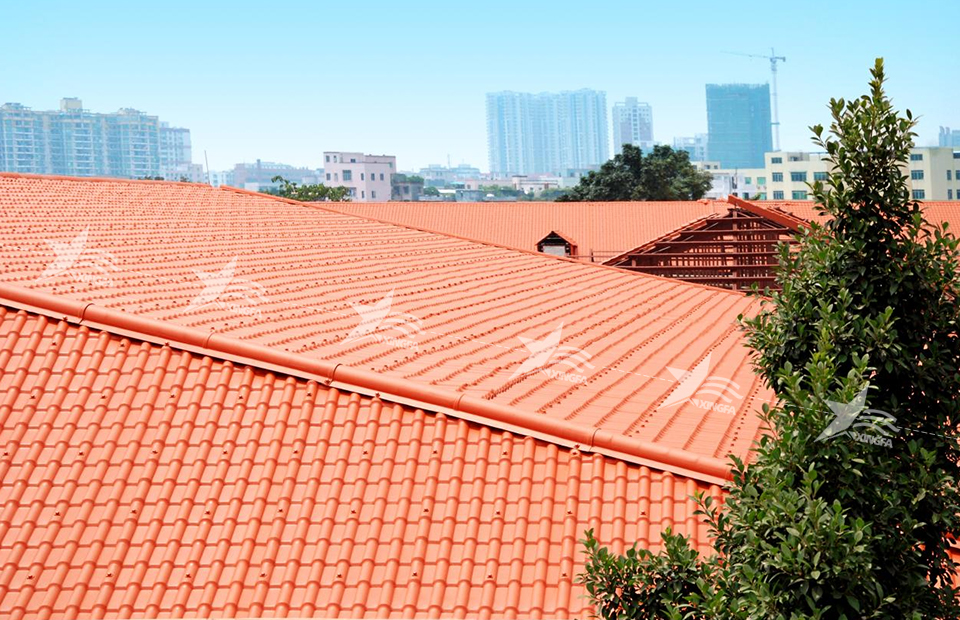
- Years 0–5 (Stable Phase): Conduct primarily visual inspections. Emphasis should be placed on fastener integrity (including washers and垫片), lap-joint condition, and drainage functionality. The tile substrate itself typically requires no intervention during this period.
- Years 5–10 (Accessory Aging Phase): Rubber gaskets and silicone sealants commonly begin to harden, shrink, and crack. In addition to routine visual checks, implement a dedicated assessment to identify and replace aged accessories in batches — avoiding piecemeal, reactive repairs that compromise long-term reliability.
Years 10+ (Substrate Degradation Phase): Perform annual evaluations of substrate chalking, embrittlement, purlin deflection, and substrate-to-support interface integrity. Replace individual tiles exhibiting through-thickness cracking or widespread embrittlement to prevent localized failures from propagating into system-wide deterioration requiring full replacement.
Ⅴ. Roof Function and Usage: Failure Tolerance Dictates Inspection Frequency
Functional requirements directly influence acceptable risk thresholds—and thus inspection cadence:
- Residential roofs: Leaks may saturate ceilings, insulation, and interior finishes, resulting in high remediation costs and occupant disruption. A conservative, slightly more frequent inspection schedule is strongly advised.
- Industrial and warehouse roofs: Water intrusion poses serious threats to machinery, inventory, and process continuity. Sectors such as electronics, food processing, and textiles are especially vulnerable to even minor drips; accordingly, inspection intervals should be shortened relative to standard benchmarks.
- Livestock barns: Leaks elevate relative humidity, impair ventilation, and exacerbate corrosion from fecal effluents. These structures should consistently be treated as operating under high-corrosion conditions, regardless of geographic location.
Temporary structures and open-air storage sheds may allow for modest relaxation of inspection frequency—but scheduled inspections must never be omitted entirely.
Ⅵ. Anomaly-Driven Inspections: Immediate Action Required Beyond Scheduled Intervals
Regardless of established periodicity, the following indicators necessitate immediate, unscheduled inspection:
- Appearance of new water stains, active dripping, or wall condensation inside the building;
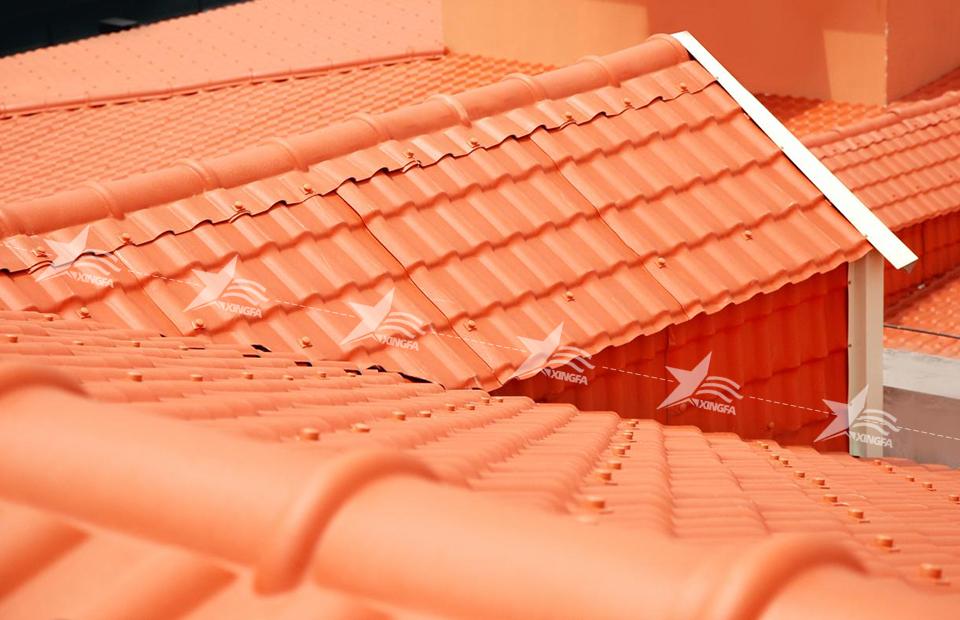
- Visible edge lifting, misalignment, or localized sagging of tiles;
- Persistent ponding at eaves or within gutters;
- Following extreme weather events — including high winds, hailstorms, or torrential rain;
- After nearby hot-work activities — such as welding, cutting, or grinding — which may generate radiant heat or spatter damaging to polymer surfaces;
- Observation of extensive chalking, powder shedding, or irregular discoloration across the tile surface.
Such anomalies signal localized system failure. Delaying inspection until the next scheduled interval will inevitably amplify damage, escalate repair costs, and compromise overall roof longevity.