ES
 EN
 RU
 AR
Synthetic Resin Tiles: Suitability for Villa Construction
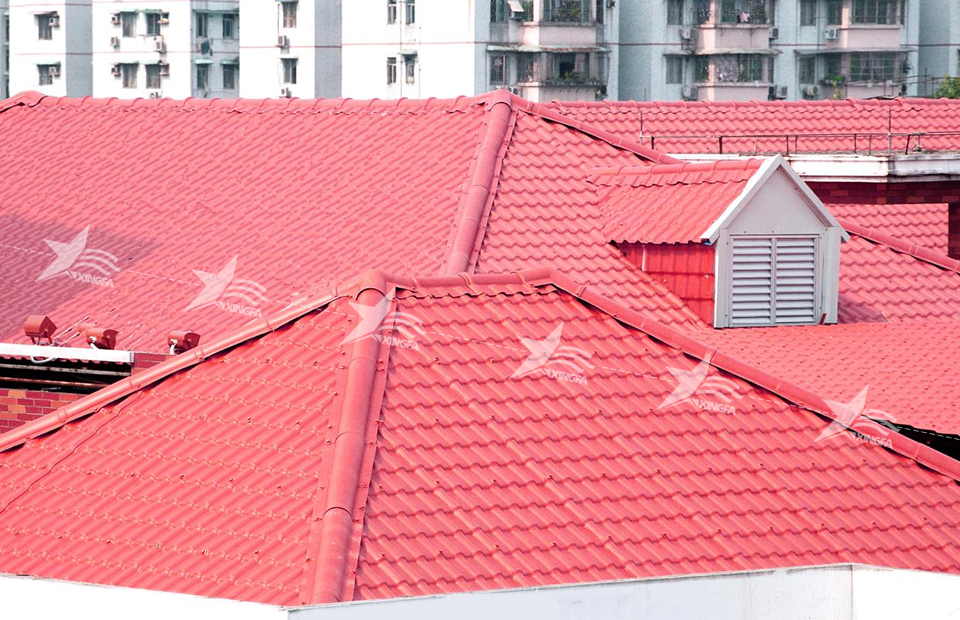
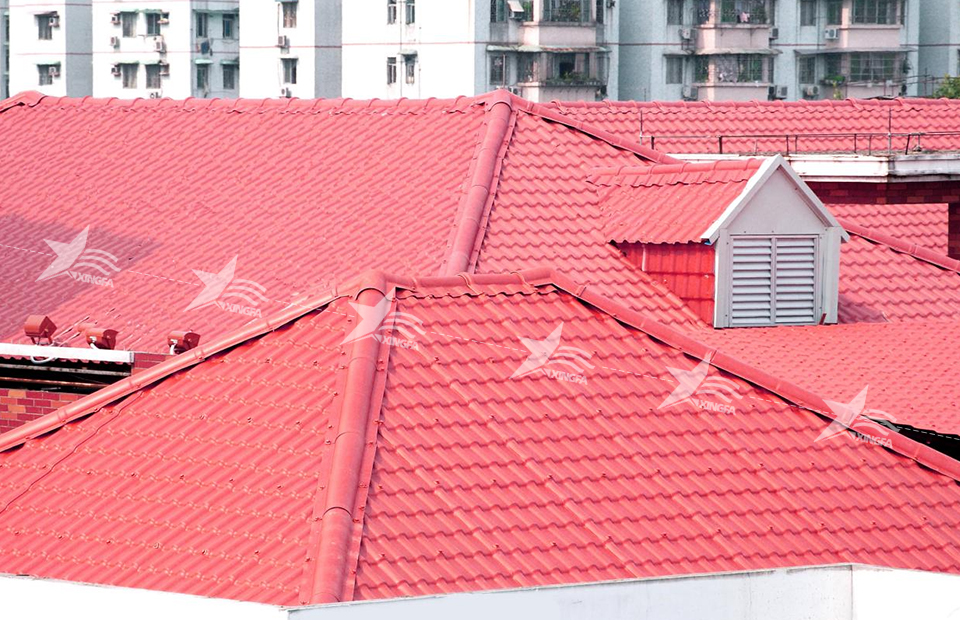
Roofing materials for villas must meet several stringent requirements: aesthetic appeal, waterproofing and thermal insulation performance, long-term durability, lightweight properties, structural safety, and harmonious integration with the building’s architectural style and overall quality. Synthetic resin tiles—offering rich color options, diverse profile designs, and inherent advantages such as light weight and reliable waterproofing—have seen increasingly widespread application in self-built villas and sloped-roof residential buildings. However, their suitability for high-end villas and compatibility across all architectural styles require careful, multi-faceted evaluation.
This article systematically analyzes the applicability of synthetic resin tiles in villa construction from seven key dimensions: aesthetic appearance, waterproofing and thermal insulation, lightweight structural performance, durability and weather resistance, comparative analysis against traditional roofing materials, cost-effectiveness over the full life cycle, and application boundaries and critical considerations—providing owners and architects with a robust, evidence-based foundation for informed material selection.
1. Aesthetic Appearance: Alignment with Architectural Style
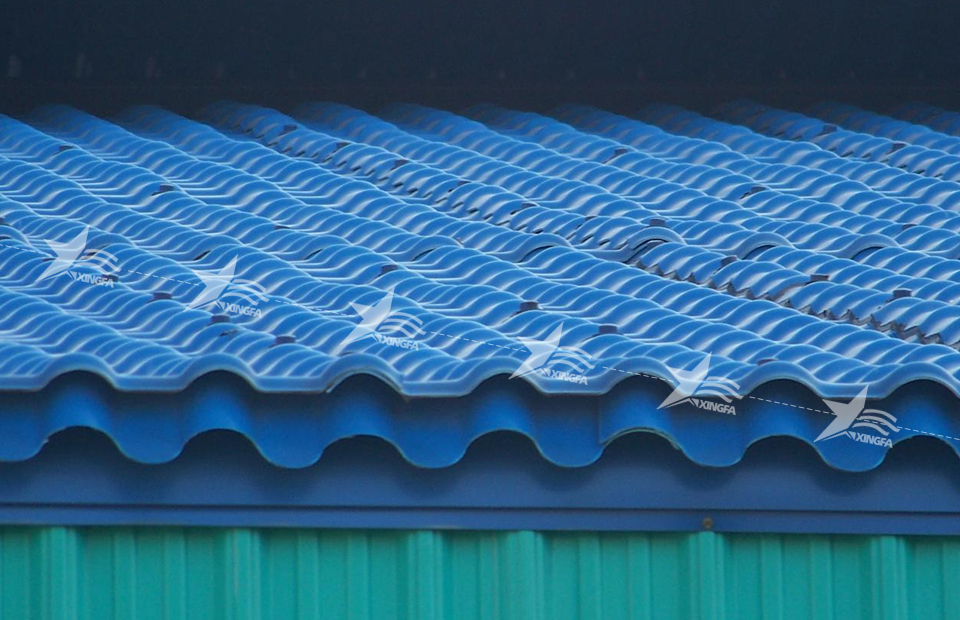
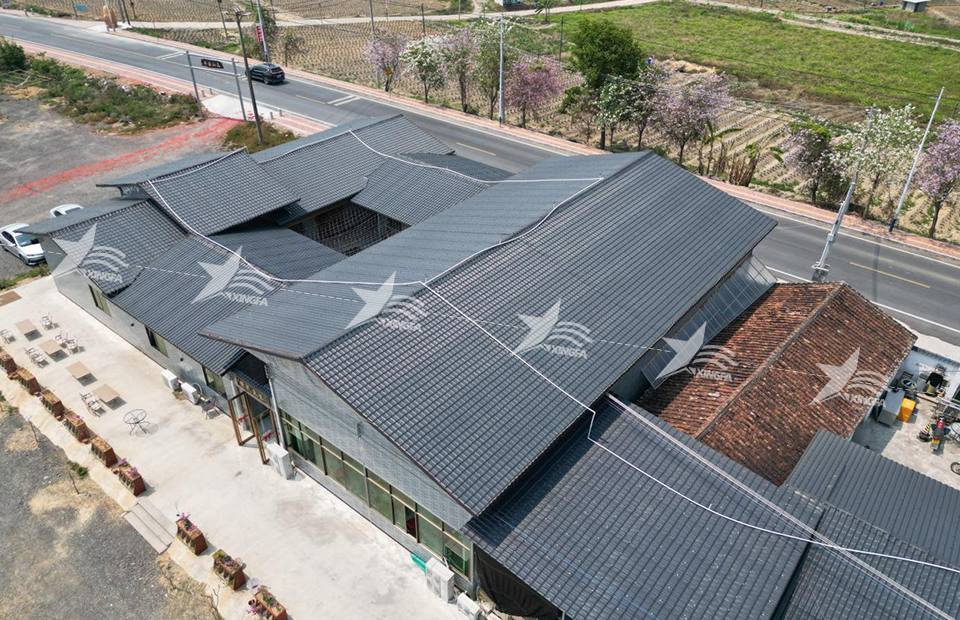
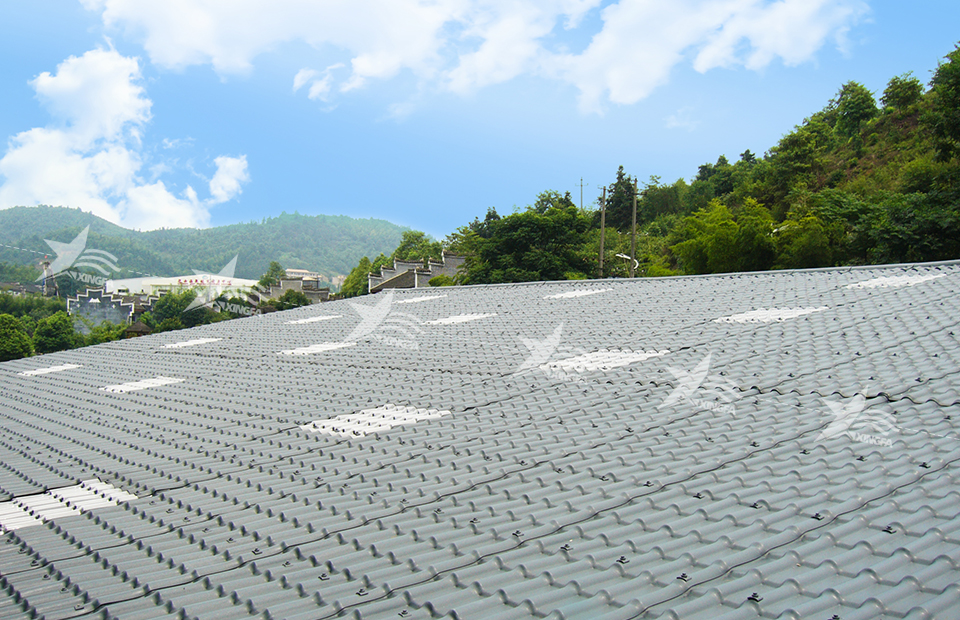
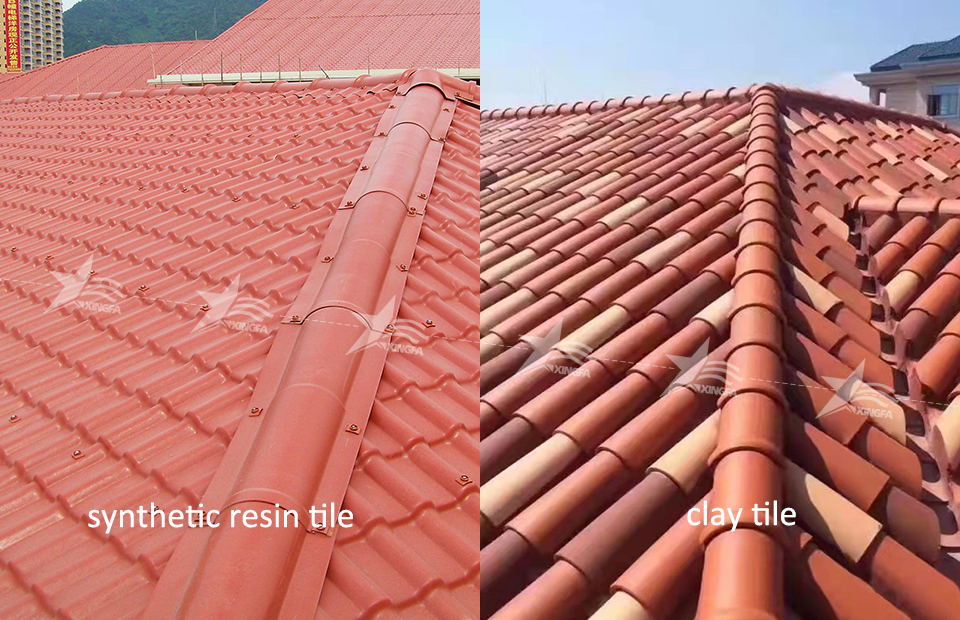
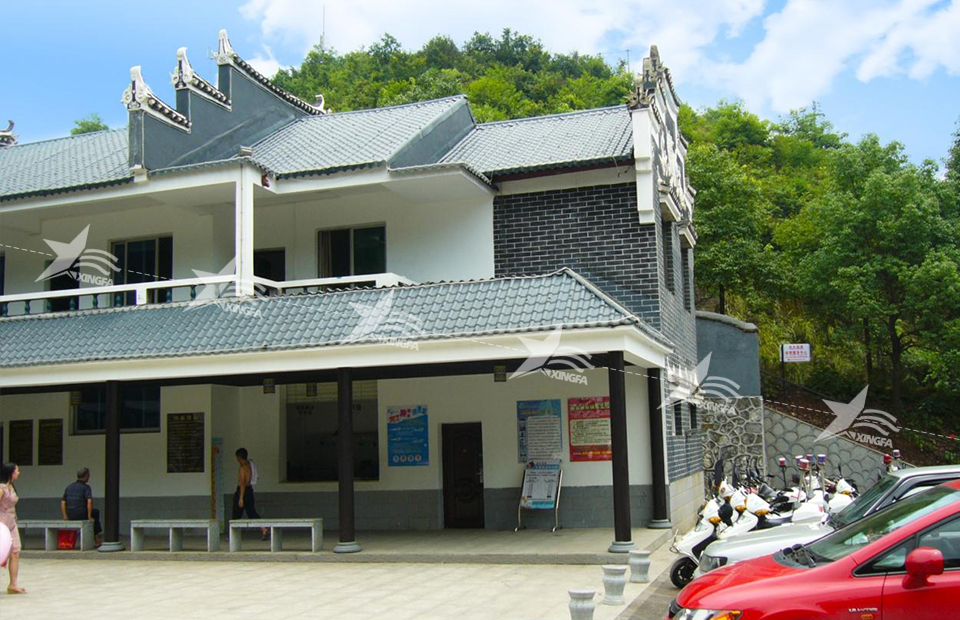
Villas place high demands on roof aesthetics. The visual impression of synthetic resin tiles depends significantly on profile design and product quality. These tiles offer a wide range of profiles capable of emulating the textures of clay tiles, slate, glazed ceramic tiles, and other traditional materials, along with extensive color options—enabling seamless integration with European, Chinese classical, modern minimalist, and other architectural styles. Nevertheless, low-cost, substandard products often exhibit poor color consistency, rapid fading, and coarse surface texture, which can compromise the perceived quality and prestige of a villa. In contrast, premium-grade ASA co-extruded resin tiles deliver exceptional color stability, refined surface finish, and authentic textural fidelity. Therefore, for villa applications, only high-quality resin tiles should be selected—and tile profiles must be deliberately matched to the architectural language of the façade to ensure visual coherence and elegance.
2. Waterproofing and Thermal Insulation: Enhancing Occupant Comfort
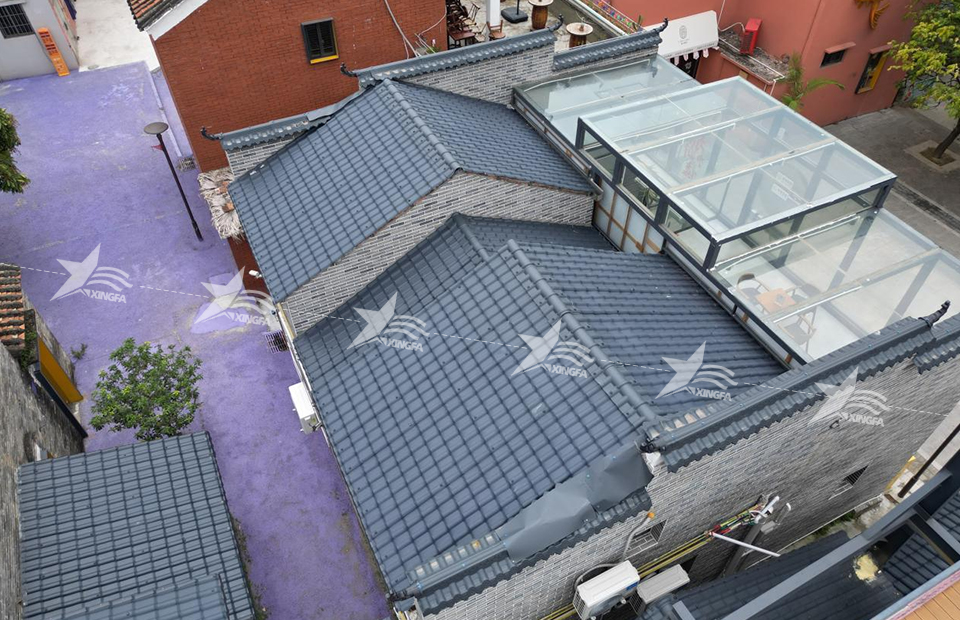
Given the elevated comfort expectations in villa living, effective waterproofing and thermal insulation are fundamental functional requirements for roofing systems. Synthetic resin tiles achieve dependable waterproofing through interlocking profile geometry, complemented by purpose-designed underlayment membranes, sealing tapes, and flashing components. Their non-corrosive, rain-resistant composition ensures long-term integrity without leakage risks. Regarding thermal performance, resin tiles possess a lower thermal conductivity than metal roofing systems; when combined with light-colored surfaces that enhance solar reflectance, they effectively mitigate heat transfer into the attic space—reducing peak indoor temperatures during summer, improving thermal comfort, and lowering air-conditioning energy consumption. For high-comfort, premium residential projects, synthetic resin tiles thus provide practical, proven performance in both waterproofing and thermal regulation.
3. Lightweight Structural Performance: Reducing Structural Load
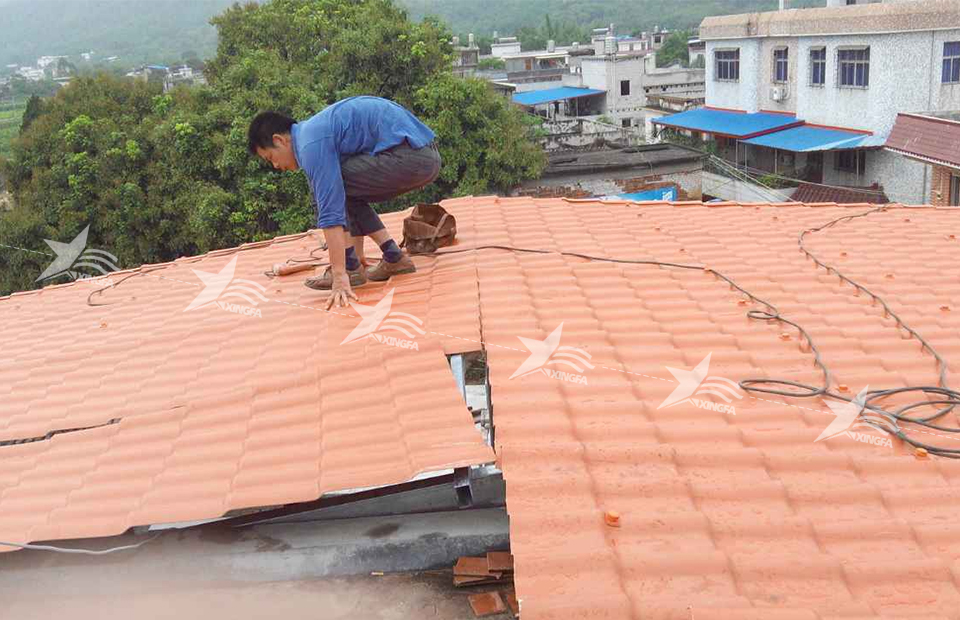
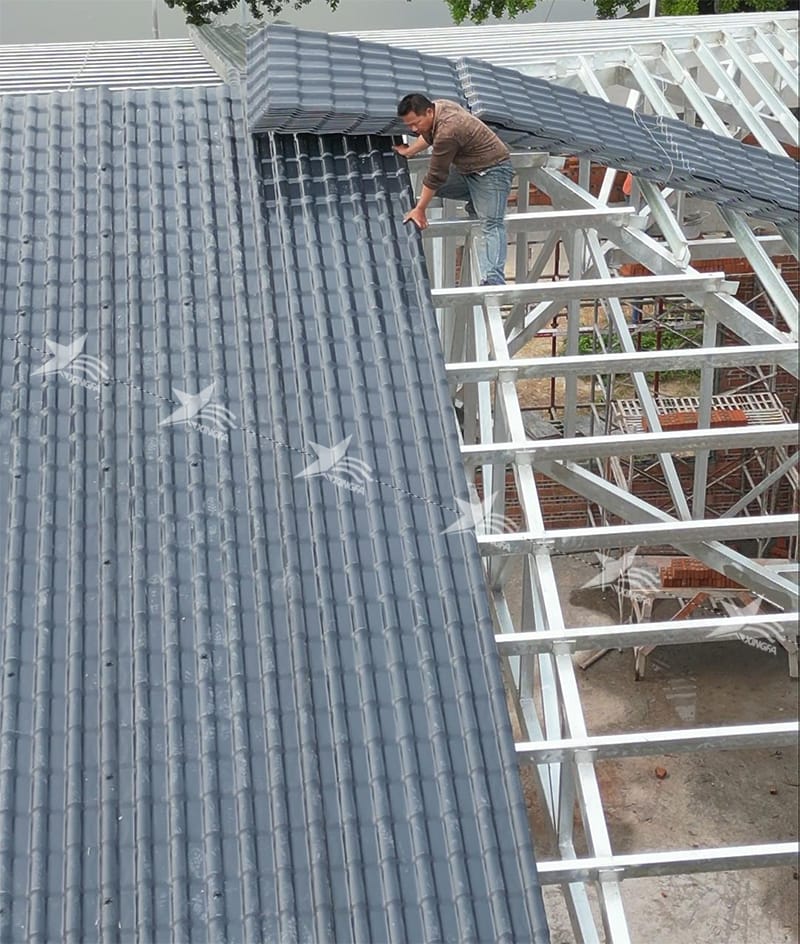
Sloped roofs in villas often feature complex structural geometries, where the self-weight of roofing materials directly influences structural design, material specifications, and overall construction cost. Synthetic resin tiles are exceptionally lightweight—typically weighing only one-third to one-half that of traditional clay or concrete tiles—significantly reducing dead load on roof framing systems. This advantage is especially valuable for light-steel-framed villas and roof extensions or retrofits, where minimizing structural reinforcement is critical. Moreover, the light weight facilitates easier handling, faster installation, and reduced labor intensity—further contributing to cost efficiency and schedule optimization. For villa projects prioritizing structural safety, construction efficiency, and design flexibility, the lightweight nature of resin tiles represents a decisive engineering advantage.
4. Durability and Weather Resistance
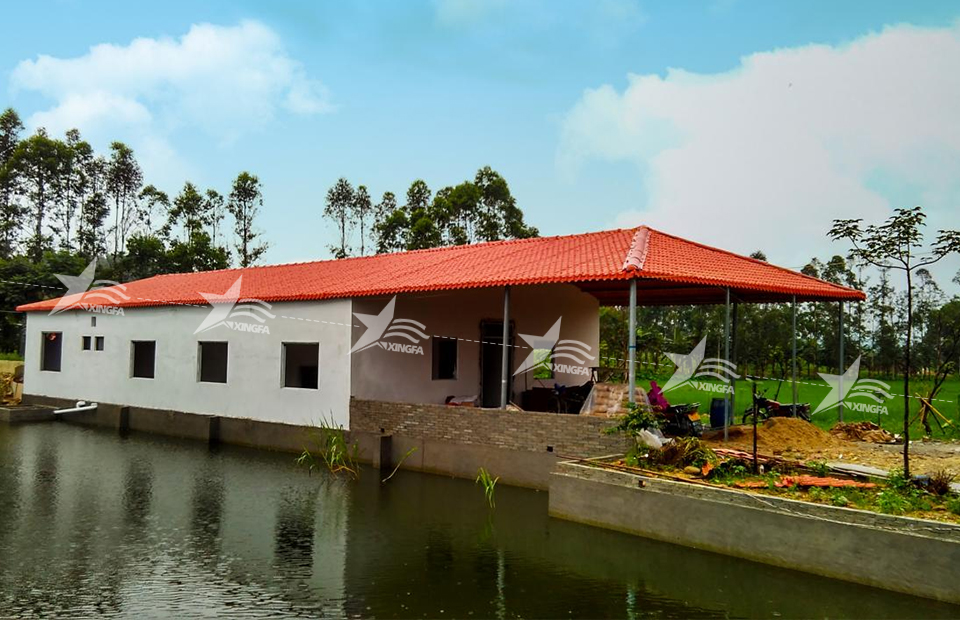
As villa roofs are expected to perform reliably over extended service lives (often 30+ years), long-term durability is a paramount consideration. High-performance ASA co-extruded resin tiles demonstrate outstanding resistance to ultraviolet radiation, oxidation, and environmental degradation. They retain color fidelity and surface integrity even after prolonged exposure to intense sunlight, with typical service lifespans ranging from 15 to 20 years—fully meeting the longevity expectations of villa owners. Their inherent corrosion resistance also surpasses that of metal roofing systems prone to rusting.
By contrast, low-grade tiles manufactured from recycled or regrind materials exhibit poor weather resistance and markedly shortened service life—rendering them unsuitable for permanent villa applications. Accordingly, villa projects must prioritize certified, virgin-material ASA co-extruded products to ensure consistent, long-term performance reliability.
5. Comparative Analysis Against Traditional Roofing Materials
Compared with conventional clay and concrete tiles, synthetic resin tiles excel in weight reduction, impact resistance, and installation efficiency—avoiding the fragility of clay tiles and the excessive mass of concrete alternatives. In terms of weather resistance and color retention, top-tier resin tiles match or even exceed mid-to-high-end traditional tiles. However, traditional materials retain an intrinsic authenticity, natural texture, and substantial visual presence that may be preferred in heritage-inspired or ultra-luxury villa contexts.
Overall, synthetic resin tiles are particularly well-suited to villas emphasizing lightweight construction, budget efficiency, and rapid project delivery; whereas traditional high-end tiles remain the preferred choice where tactile authenticity, historical resonance, or premium material gravitas are central to the architectural vision. Each category possesses distinct, context-appropriate application domains.
6. Cost-Effectiveness and Lifecycle Value
From a holistic lifecycle perspective, synthetic resin tiles deliver compelling value. Their initial procurement cost is moderate relative to premium clay or hand-crafted tiles; their light weight reduces structural framing requirements and associated costs; their ease and speed of installation shorten construction timelines; and their extended service life minimizes maintenance and replacement expenditures.
When evaluating total cost of ownership—including initial investment, structural support costs, installation labor, and anticipated lifecycle maintenance—the synthetic resin solution consistently demonstrates strong cost-effectiveness across most villa projects.
7. Application Boundaries and Critical Implementation Considerations
The application of synthetic resin tiles in villa construction requires attention to specific boundary conditions and technical precautions. In regions subject to extreme climatic loads—such as typhoon-prone coastal zones or areas experiencing heavy snow accumulation or severe winter cold—reinforced, impact-modified tile variants with increased thickness and enhanced anchoring systems (e.g., reduced purlin spacing and supplementary mechanical fastening) are recommended. Installation near open flame sources, welding operations, or high-temperature equipment must be avoided due to thermal sensitivity.
Furthermore, certain municipalities impose regulatory constraints related to fire performance ratings or historic district façade guidelines; compliance with local building codes and planning authority requirements must therefore be verified prior to specification. Only with rigorous attention to both product quality and execution precision can synthetic resin tiles deliver sustained, trouble-free performance in villa applications.