ES
 EN
 RU
 AR
Why Architects Prefer Synthetic Resin Tiles for Rural Villa Projects?
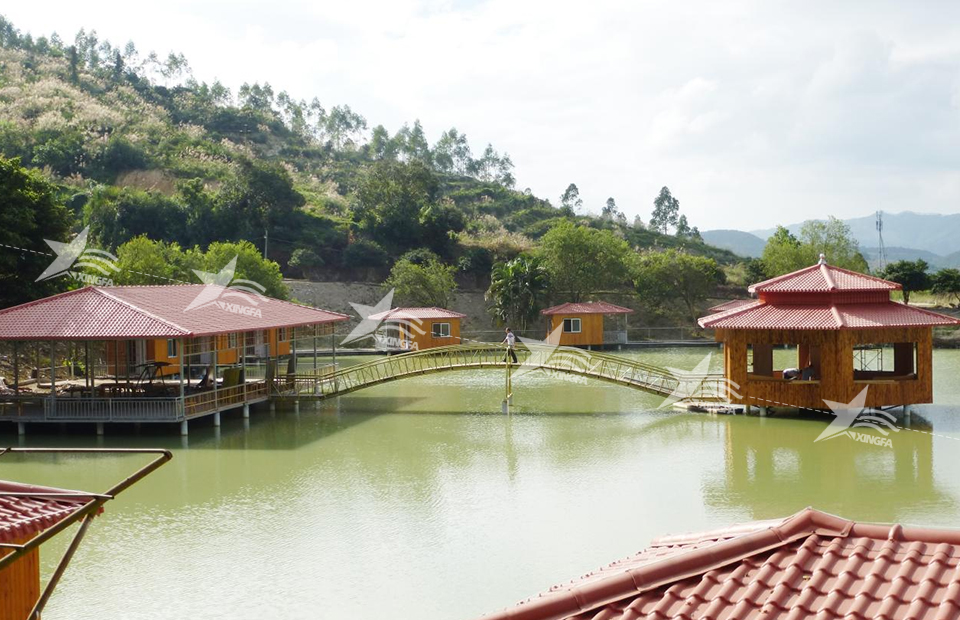
The building material selection logic for rural villas differs significantly from that for high-end urban residences. Rural projects are typically located far from city centers, often face inconsistent contractor capabilities, operate under constrained owner budgets, and lack professional property management post-completion. Consequently, when selecting roofing tiles, architects must simultaneously address five critical criteria: aesthetic compatibility, structural performance, cost efficiency, construction schedule, and long-term maintainability. Synthetic resin tiles deliver viable, balanced solutions across all five dimensions—making them a highly prevalent choice. This article elaborates on the genuine rationale behind architects’ preference for synthetic resin tiles, analyzed through six key dimensions: stylistic compatibility, structural load reduction, cost controllability, construction schedule efficiency, rural-specific environmental adaptability, and whole-life-cycle economics.
1. Stylistic Compatibility: Alignment with Rural Villa Roof Aesthetics
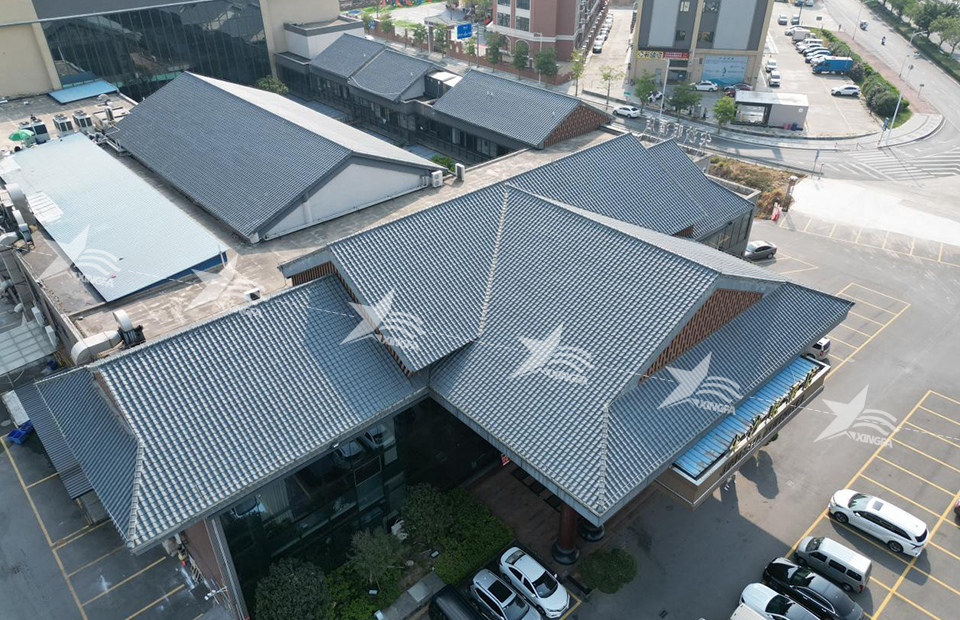
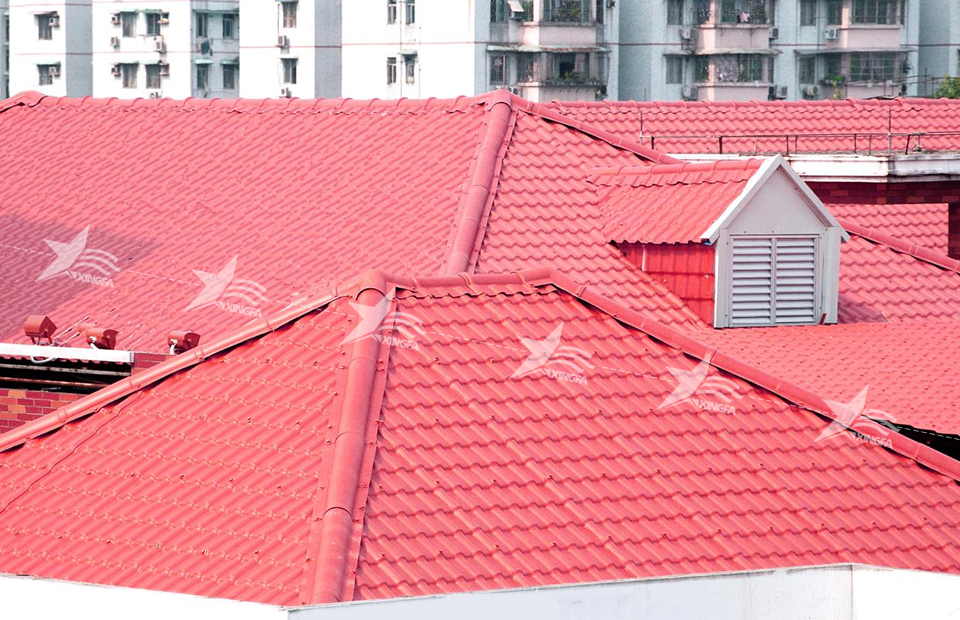
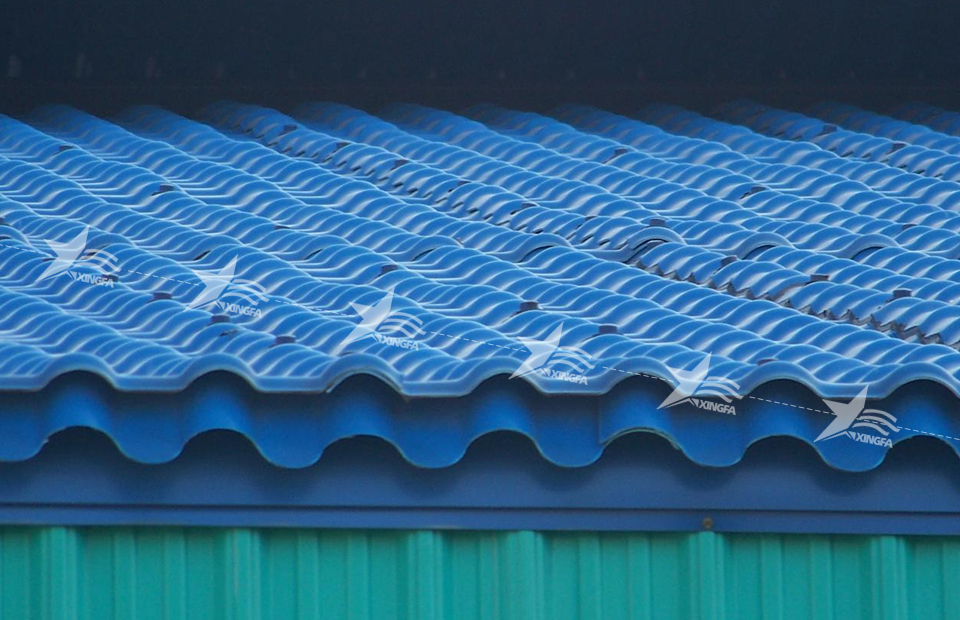
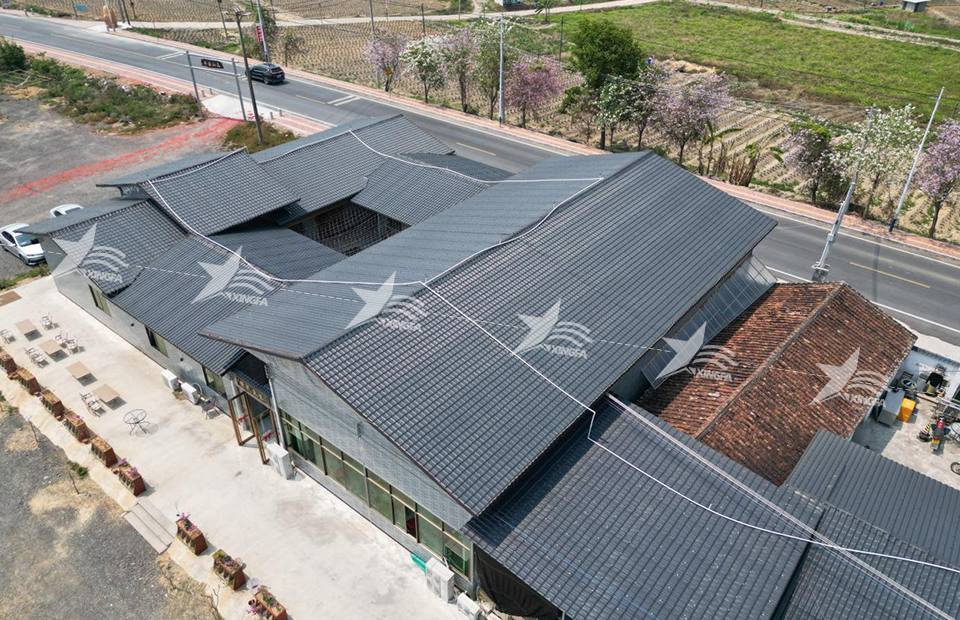
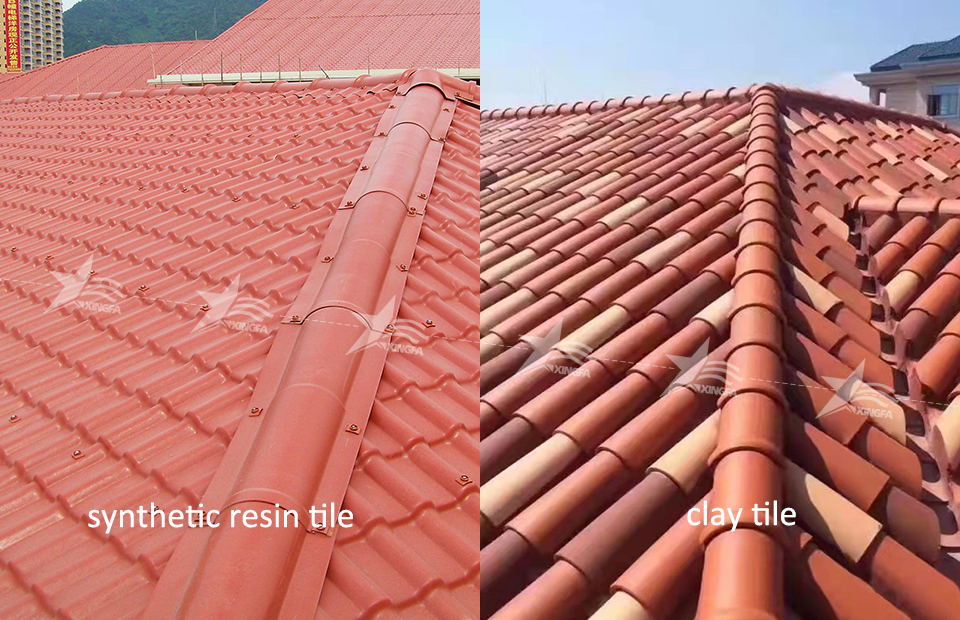
Rural villas predominantly adopt pastoral, neo-Chinese, simplified European, or American country styles—all characterized by pitched roofs, generous eaves, and roof colors that harmonize with façades and surrounding landscapes. Synthetic resin tiles offer a comprehensive range of profiles—including flat tiles, corrugated tiles, antique-style tiles, and ridge tiles—with coordinated color palettes and exceptional batch-to-batch consistency. Architects can directly select tile colors based on façade color schemes without iterative sampling to resolve chromatic discrepancies. For small-scale, multi-unit rural developments, this systematized, fully compatible product family is more valuable than isolated tile types—ensuring visual coherence and unified roof appearance at a distance.
2. Structural Load Reduction: Addressing Practical Constraints of Rural Self-Built Housing
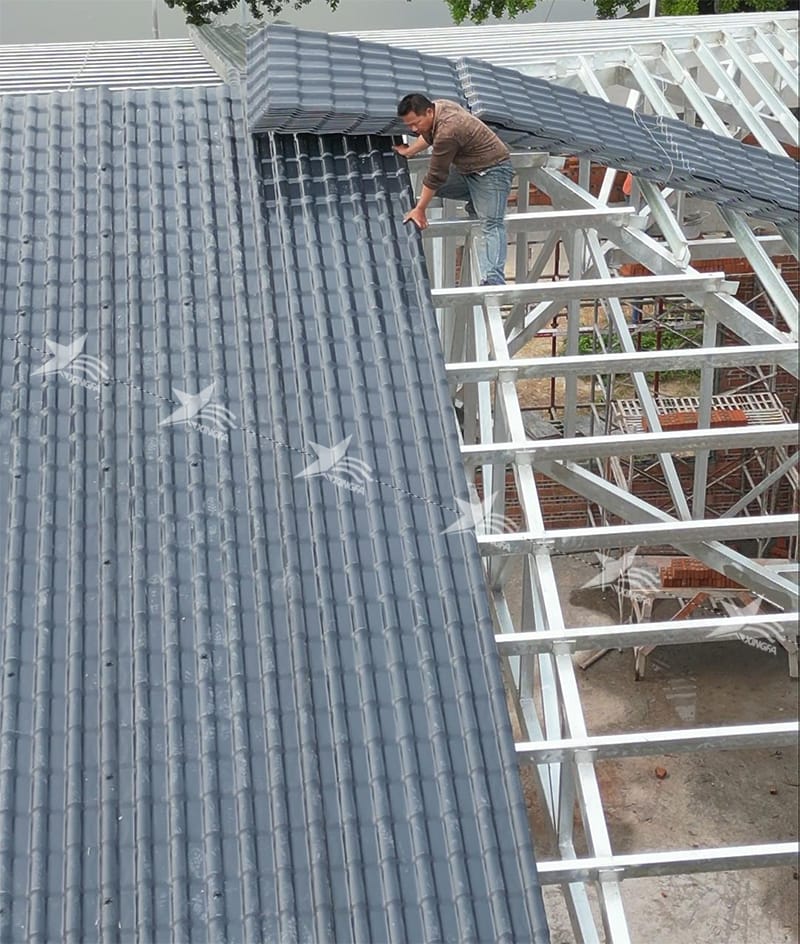
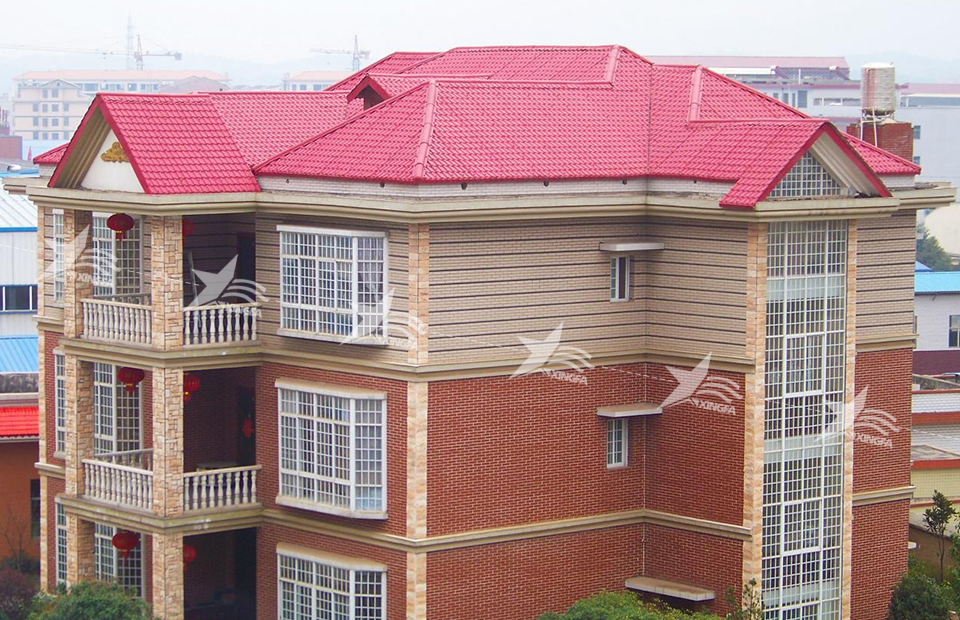
Most rural villas employ masonry-concrete or light steel framing systems, where roof truss load capacity is inherently limited. Roofing material self-weight directly influences steel section sizes and foundation design. Synthetic resin tiles exhibit markedly lower unit weight compared to cement and clay tiles; consequently, reduced dead load enables optimization of purlin spacing, truss cross-sections, and foundation reinforcement. This structural benefit frequently yields greater cost savings than the tile price differential itself—particularly in retrofit, addition, or conversion projects where lightweight roofing is indispensable for preserving existing structural integrity.
3. Cost Controllability: Predictable, All-Inclusive Project Costing
When presenting proposals to owners, architects must provide not merely a base tile unit price, but a comprehensive installed cost—including ridge tiles, edge flashings, waterproof underlayment pads, proprietary fasteners, and labor. Synthetic resin tiles feature a mature, standardized accessory system with transparent pricing, resulting in an overall cost per square meter that falls within a mid-tier range: neither prohibitively expensive nor so low as to raise quality concerns. In contrast, clay tiles incur higher hidden costs due to transport-related breakage and lower tiling productivity; while cement tiles are inexpensive upfront, their heavier weight escalates structural expenditures. Predictability and budget certainty—enabled by transparent, integrated costing—are central to their repeated adoption.
4. Construction Schedule Efficiency: Adaptation to Rural Site Conditions
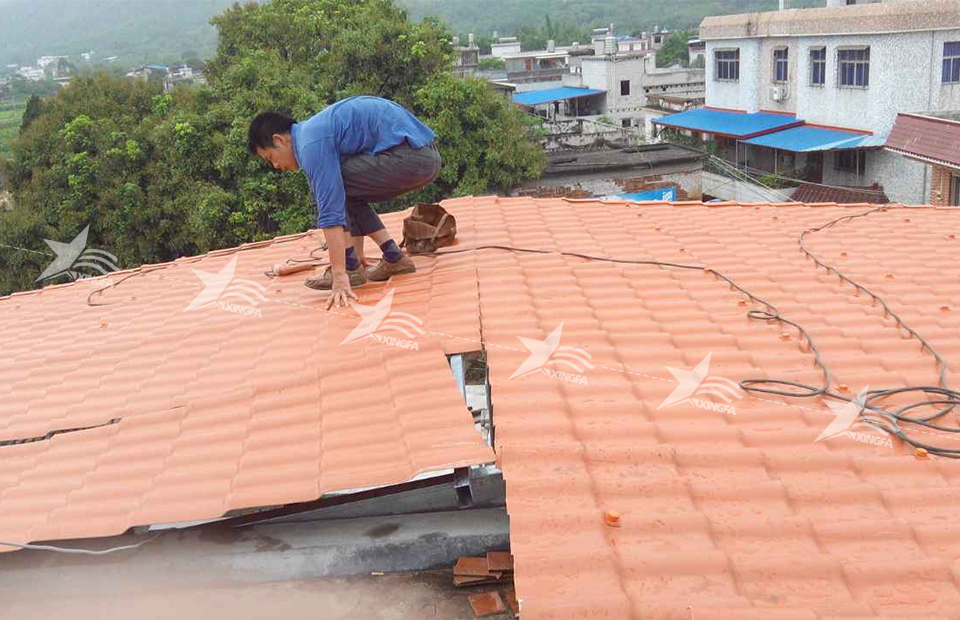
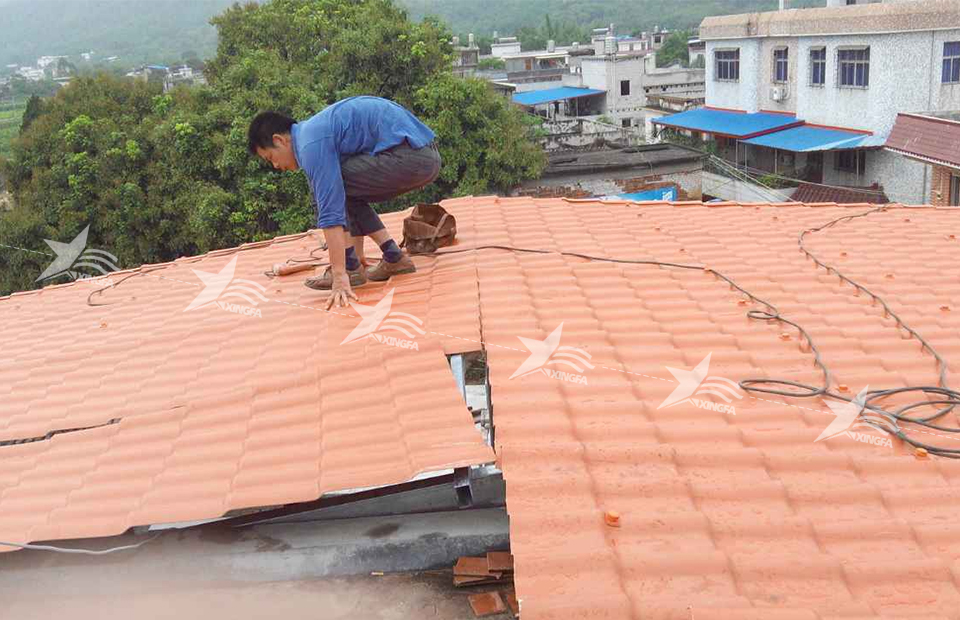
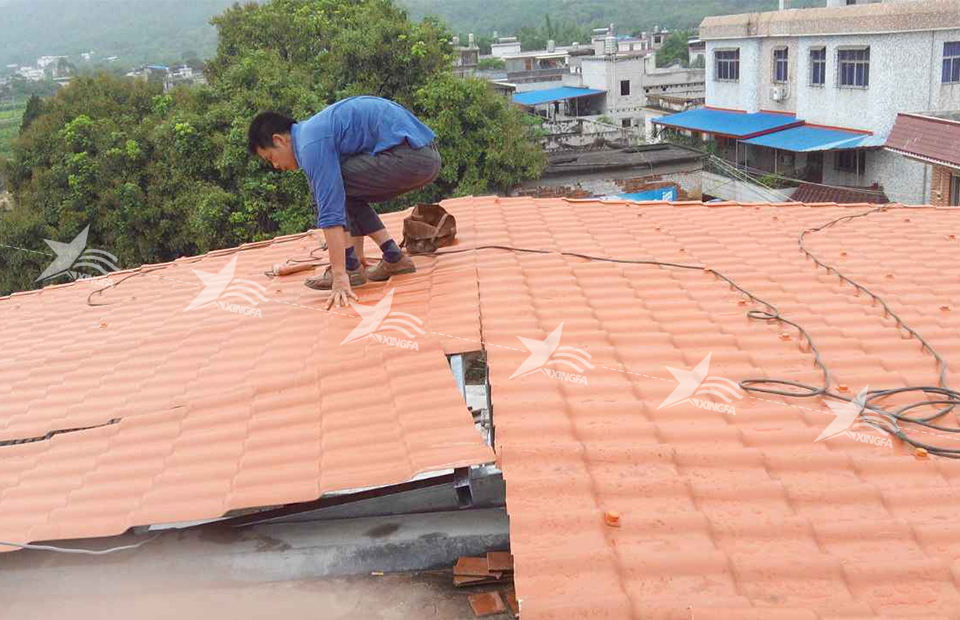
Rural construction teams typically consist of local masons with varying levels of technical proficiency. Synthetic resin tiles are easily cut on-site, lightweight enough for two workers to carry manually onto the roof, and installed using a highly standardized procedure. With minimal briefing, even non-specialist masons can execute installation accurately per drawings. This delivers two immediate advantages: (1) accelerated timelines—roofing can be completed rapidly after structural topping-out, minimizing rain-induced delays; and (2) consistent quality—key practices such as peak-fastening, provision of thermal expansion gaps, and proper overlap are straightforward to train, supervise, and verify. In remote locations with limited supervisory resources, replicable, robust methodology proves more practical—and reliable—than technically sophisticated but operationally fragile alternatives.
5. Rural Environmental Adaptability: Resilience Against Harsh, Variable Conditions
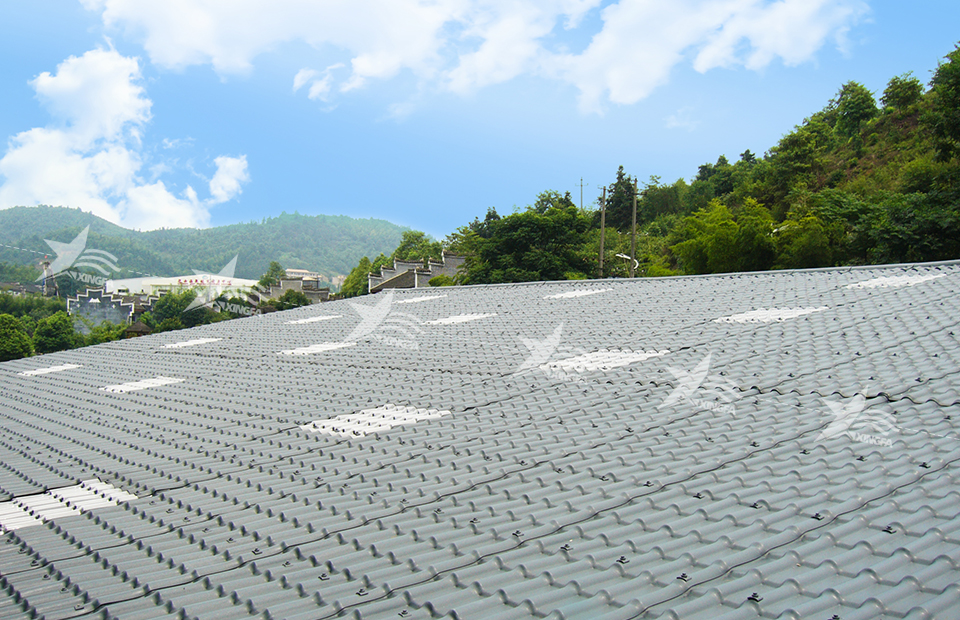
Rural environments present more complex degradation factors than urban settings: prolonged UV exposure, concentrated rainfall, accumulation of dust and organic debris (e.g., fallen leaves), and—in some cases—proximity to livestock operations emitting ammonia and organic effluents that accelerate material aging. Synthetic resin tiles are inherently corrosion-resistant and chemically stable against acidic and alkaline agents. Their surface ASA polymer coating provides exceptional UV resistance, ensuring durability under extended solar irradiation. Moreover, their low thermal conductivity mitigates condensation-related dripping—a common issue with metal roofing in mountainous regions experiencing large diurnal temperature swings. These attributes collectively reduce post-handover repairs and owner complaints during the first three to five years.
6. Whole-Life-Cycle Economics: Low Maintenance Burden and Simplified Refurbishment
Rural villas rarely benefit from formal property management; maintenance responsibilities fall entirely on owners. Thus, “low-maintenance” is not merely a convenience—it represents tangible value. Unlike color-coated steel roofing, synthetic resin tiles require no periodic anti-corrosion repainting. Routine upkeep consists solely of biannual visual inspections and pre-monsoon drainage clearance—entailing minimal labor time and cost. Should refurbishment become necessary after several years, the lightweight nature of synthetic resin tiles permits overlay installation directly atop the existing roof—eliminating full demolition, reducing project downtime, and minimizing waste disposal logistics. When evaluated over a 20-year service life, its unit cost per year of functional performance consistently outperforms metal alternatives requiring recurrent maintenance interventions.