ES
ES  EN
EN  RU
RU  AR
AR Synthetic Resin Roofing Tiles: Real-World Pitfall Experiences and Comprehensive Avoidance Guidelines
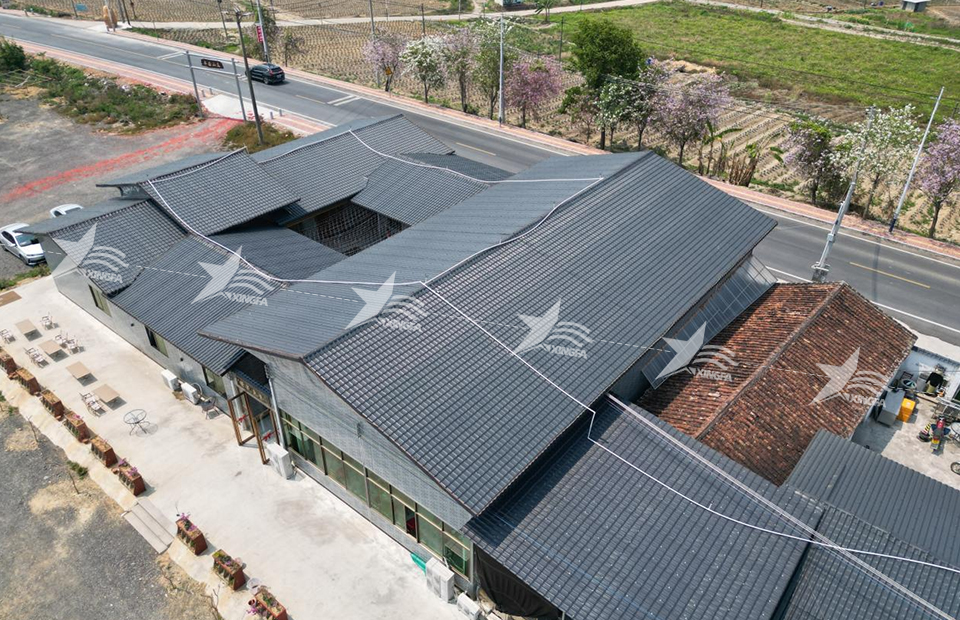
Many homeowners, factory owners, and warehouse operators undertaking roof renovations encounter various issues after installing synthetic resin roofing tiles—such as rapid color fading within two to three years, recurrent roof leaks, low-temperature embrittlement and cracking of tiles, and roof buckling or warping. In most cases, these failures stem not from inherent product defects, but rather from misconceptions during selection, deceptive sales practices, or improper installation. Drawing on extensive hands-on engineering experience across numerous real-world projects, this article systematically analyzes common causes of failure through five critical dimensions: (1) selection misconceptions, (2) material misrepresentation, (3) parameter-related deception, (4) installation risks, and (5) post-sale pitfalls. It delivers practical, evidence-based guidance to help future users make informed decisions and avoid costly mistakes.
1. Pitfalls in Selection Awareness: Overreliance on Sellers’ “All-Powerful” Marketing Claims
(A) Blind Trust in Marketing Slogans Such as “Never Fades” and “Lifetime Durability”
This is the most prevalent initial pitfall for newcomers. Many vendors claim their resin tiles offer a 30-year service life and “permanent” color stability—yet the vast majority of low-cost products on the market fall far short of such performance standards. Real-world experience shows that substandard resin tiles typically exhibit widespread yellowing, whitening, or chalking within just three to five years. Even high-quality ASA-coextruded tiles undergo gradual, subtle color change over time due to prolonged UV exposure; truly “non-fading” roofing tiles do not exist. Unquestioning acceptance of “lifetime warranty” promises often leads to disputes and unfulfilled commitments when aging-related issues arise—leaving end-users without effective after-sales support.
(B) Prioritizing Unit Price While Overlooking Total Installed Cost
During initial procurement, many buyers focus solely on the bare-tile unit price and opt for the lowest quotation—only to incur higher overall expenses later. Low-cost suppliers commonly adopt a “loss-leader pricing” strategy: offering artificially discounted base tiles while charging premium prices for essential accessories—including ridge caps, edge trims, waterproof washers, and specialized fasteners—as well as freight and waste-replacement fees. Consequently, the total installed cost frequently exceeds that of reputable, fully integrated system quotations. Moreover, low-cost tiles have shorter service lives and higher rework rates, necessitating full re-roofing within just a few years—making their long-term cost significantly higher than genuine, high-performance materials.
2. Pitfalls in Material Identification: Confusing Genuine ASA with Counterfeit Coatings
(A) Mistaking Spray-Coated or ABS-Laminated Surfaces for True ASA Coextrusion
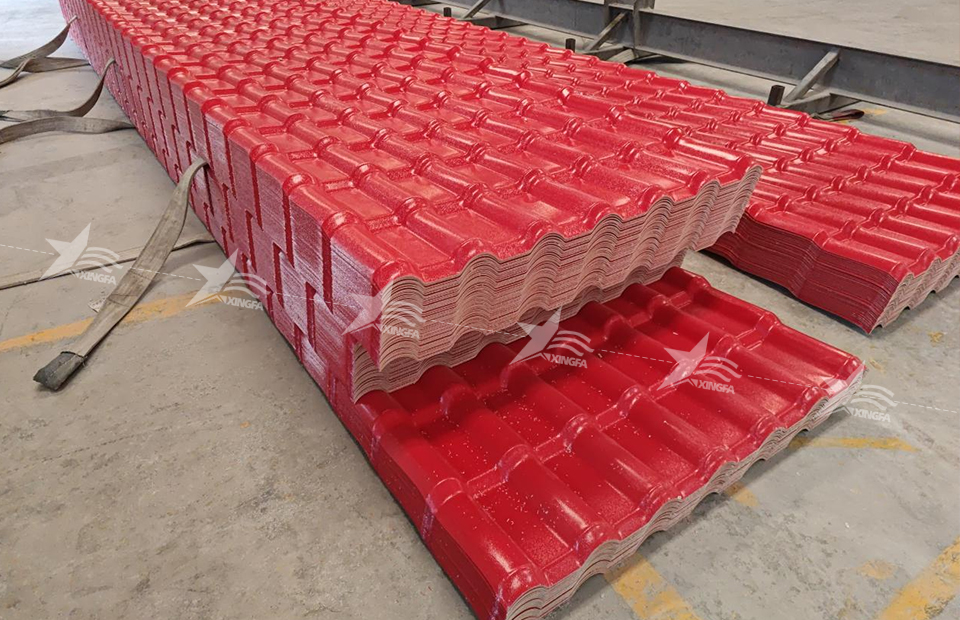
Real-world experience reveals that many low-cost tiles closely mimic the appearance of authentic products—featuring colored surfaces—but are actually produced using ordinary pigment spraying or ABS film lamination, not true ASA coextrusion. Genuine ASA is formed via high-temperature, dual-layer coextrusion, resulting in a seamless, integral surface layer fused with the substrate and delivering superior weather resistance. In contrast, spray-coated or laminated tiles begin peeling, delaminating, and fading en masse after two to three years, completely losing their protective function. Purchasing such counterfeit ASA tiles at mid-tier price points represents one of the most frequent material-related failures.
(B) Inability to Distinguish Virgin Material from High-Filler Recycled Material
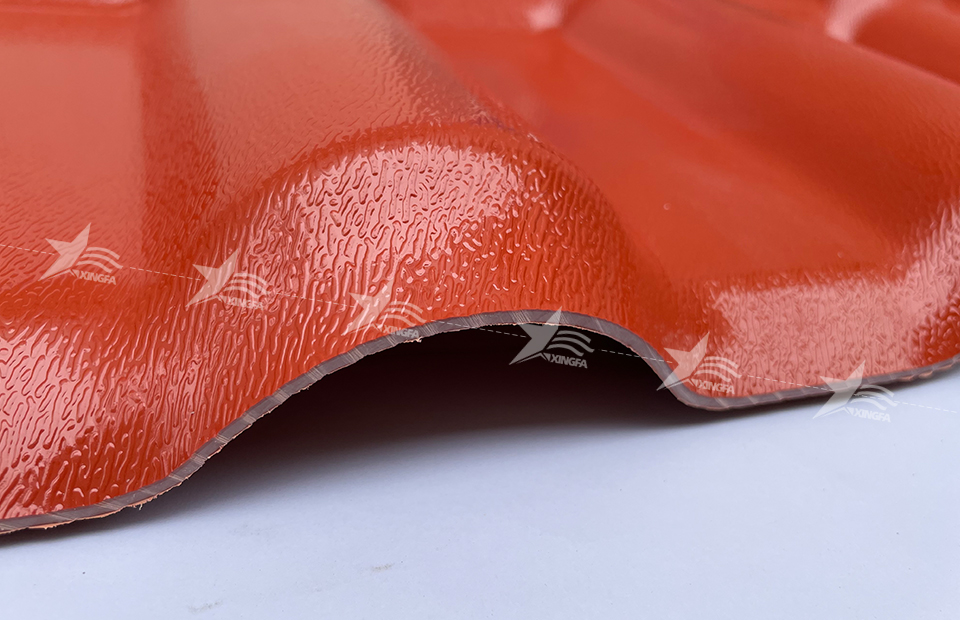
Distinguishing recycled-material tiles from virgin-material tiles by visual inspection alone is extremely difficult. Substandard products often contain excessive amounts of calcium carbonate filler and post-consumer recycled plastics, rendering them rigid and highly brittle. Under hail impact or low-temperature conditions, they crack easily; even light foot traffic during maintenance may cause breakage. By comparison, virgin-material tiles exhibit fine-grained cross-sections, excellent flexibility, and resistance to fracture under bending. High-filler tiles display coarse, granular cross-sections and produce a brittle, hollow sound upon tapping. Users who rely solely on surface appearance—without verifying core material composition—frequently end up with prematurely embrittled, short-lived products.
3. Pitfalls in Parameter and Specification Evaluation: Deceptive Thickness and Weight Claims
(A) Misguided Belief That “Thicker = Heavier = Better”
This is a widespread industry misconception—and a classic source of error. Many assume greater thickness or weight automatically indicates superior quality. In reality, excessively thick or heavy tiles are often the result of excessive calcium carbonate filling, which increases density but severely compromises toughness and accelerates aging and cracking. In contrast, high-purity virgin-material resin tiles feature uniform density and excellent resilience; their performance at any given thickness far surpasses that of overfilled, thickened alternatives. Prioritizing thickness and weight while ignoring formulation integrity constitutes fundamentally flawed material selection.
(B) Widespread Thickness Misrepresentation and Significant Measurement Shortfalls
Thickness mislabeling is rampant across the market. Tiles advertised as 3.0 mm thick frequently measure only 2.4–2.6 mm in actuality—achieving nominal thickness through profile ridges or surface coating layers. Without on-site verification using calipers, purchasers relying solely on vendor-provided labels risk acquiring substandard, under-specification products. Insufficient thickness directly undermines load-bearing capacity, increasing susceptibility to sagging, deformation, and premature deterioration under snow loads or wind pressure.
4. Pitfalls in Installation Practices: Turning High-Quality Tiles into “Short-Life” Roofs
(A) Incorrect Fastener Placement, Creating Permanent Leakage Risks
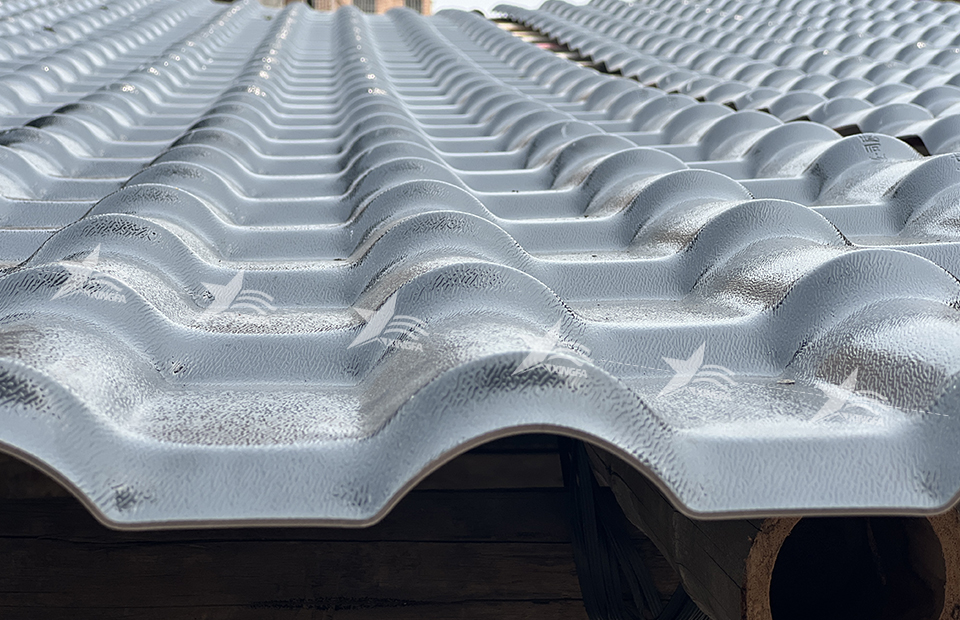
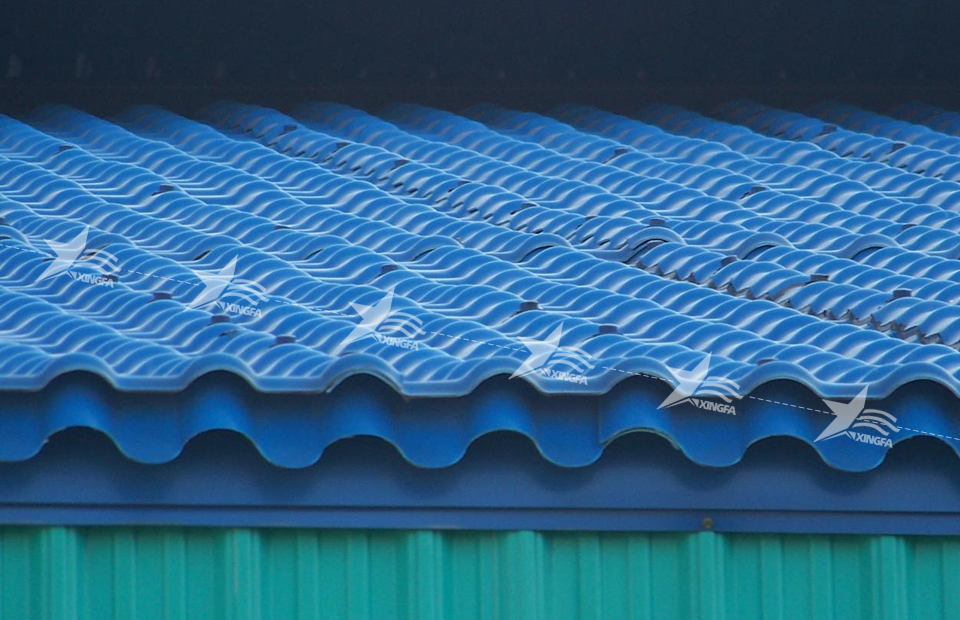
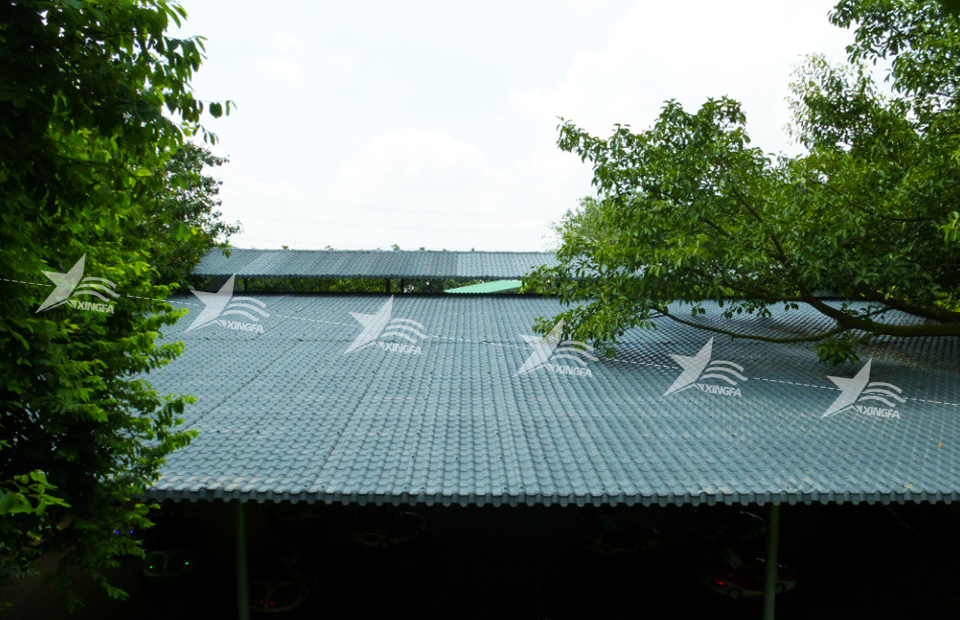
Even top-tier, certified resin tiles become functionally obsolete if installed incorrectly. The most common error involves driving screws into the wave troughs—or overtightening screws at the wave peaks. Due to resin’s high coefficient of thermal expansion and contraction, rigidly fixed screws eliminate necessary movement allowance. During summer heat, tiles expand and buckle upward; during winter cold, they contract and tear around screw holes—leading to progressive hole cracking and chronic water infiltration. Proper practice mandates fastening exclusively at wave peaks, applying moderate torque, allowing adequate expansion clearance, and using waterproof washers for complete sealing.
(B) Excessive Purlin Spacing and Inadequate Tile Overlap
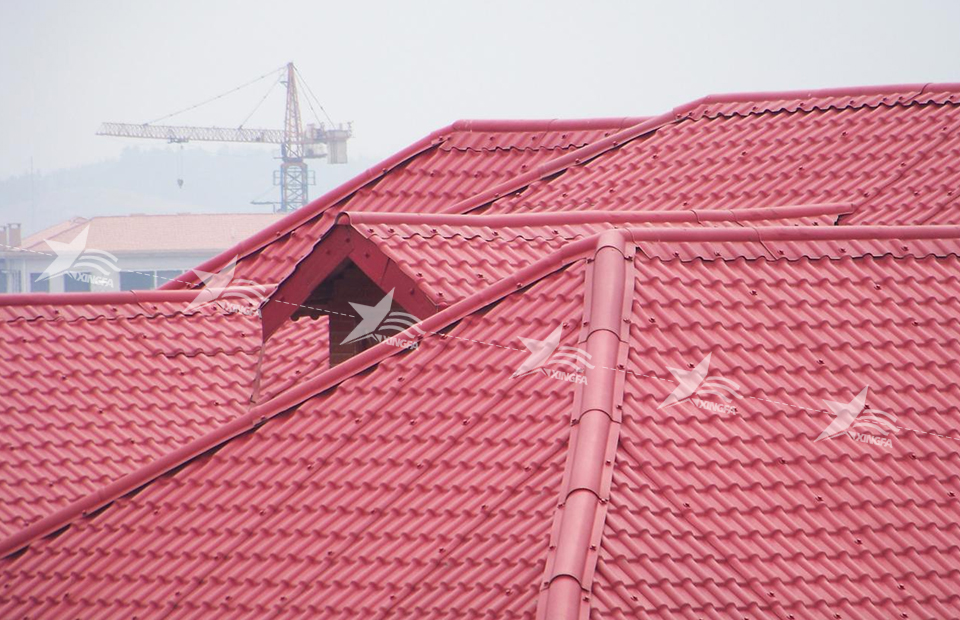
In many self-built or retrofitted roofs, purlin spacing exceeds the recommended maximum of 660 mm. When resin tiles are laid over such widely spaced supports, large sections remain unsupported and subject to sustained flexural stress. Under elevated temperatures, tiles soften and gradually sag or buckle; over time, this induces material fatigue, embrittlement, and cracking. Additionally, inexperienced installers often underestimate required overlap widths—particularly for windward and longitudinal joints—resulting in rainwater backflow during storms. Such deficiencies lead to persistent leakage and exceptionally difficult, costly repairs.
5. Pitfalls in Application-Specific Selection: Applying Generic Products Across Diverse Environments
A significant number of failures occur because users select standard-grade tiles without accounting for local environmental conditions. In southern regions characterized by intense heat, strong sunlight, and high UV radiation, thin-coated or low-grade tiles rapidly fade and chalk. In northern cold-climate zones with heavy snowfall and frequent freeze-thaw cycles, high-filler brittle tiles suffer widespread cracking under ice impact or thermal stress. In industrial settings—such as chemical plants, livestock farms, or coastal facilities exposed to salt-laden air—standard tiles lacking corrosion-resistant formulations degrade rapidly due to chemical or saline corrosion, drastically shortening service life. Mismatched application—even with otherwise compliant material specifications and parameters—inevitably results in premature failure.
6. Summary: Key Takeaways for Effective Risk Mitigation
Based on years of field validation, the majority of synthetic resin tile failures are attributable not to intrinsic product flaws, but to knowledge gaps, misleading marketing tactics, and noncompliant installation practices. To avoid pitfalls: refrain from accepting exaggerated claims at face value; resist the temptation to prioritize lowest upfront cost; and discard the false assumption that greater thickness or weight equates to better performance. Instead, rigorously verify the use of virgin-material substrates, authentic ASA coextrusion technology, and independently verified, specification-compliant thickness. During installation, strictly adhere to prescribed purlin spacing, precise fastener placement, adequate expansion allowances, and meticulous sealing details. Crucially, always match tile specifications—including UV resistance, low-temperature impact strength, and corrosion protection—to the specific climatic and operational conditions of the site. By proactively addressing all the above risk factors, users can reliably achieve a stable, maintenance-free service life of 15–20 years—delivering genuine value in terms of cost efficiency, longevity, and operational simplicity.