ES
ES  EN
EN  RU
RU  AR
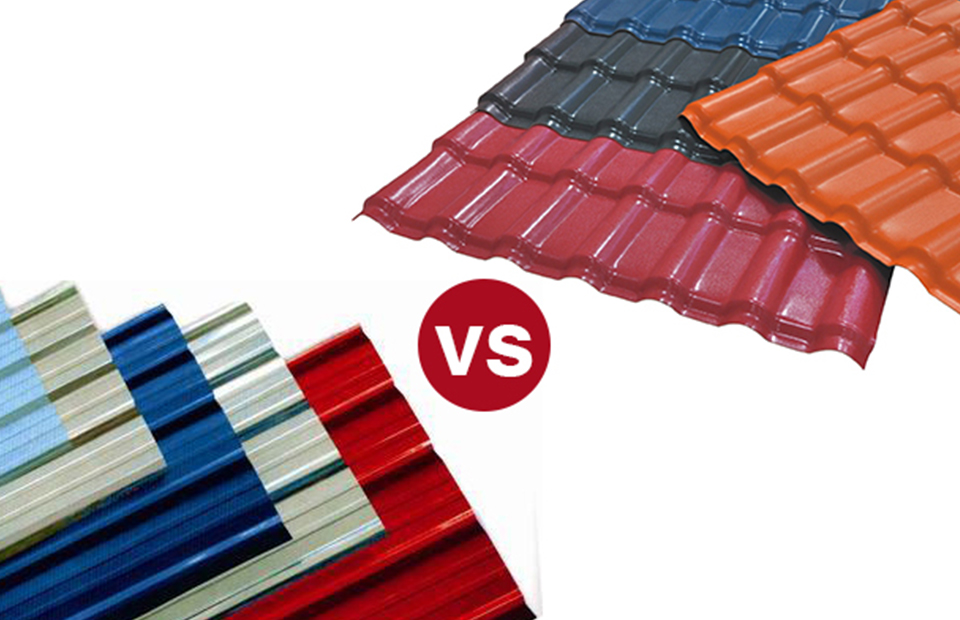
AR Synthetic Resin Roofing Tiles vs. Color-Coated Steel Roofing Sheets: A Comprehensive Comparison to Debunk the Misconception That “Resin Tiles Have Shorter Lifespans Than Steel Tiles”
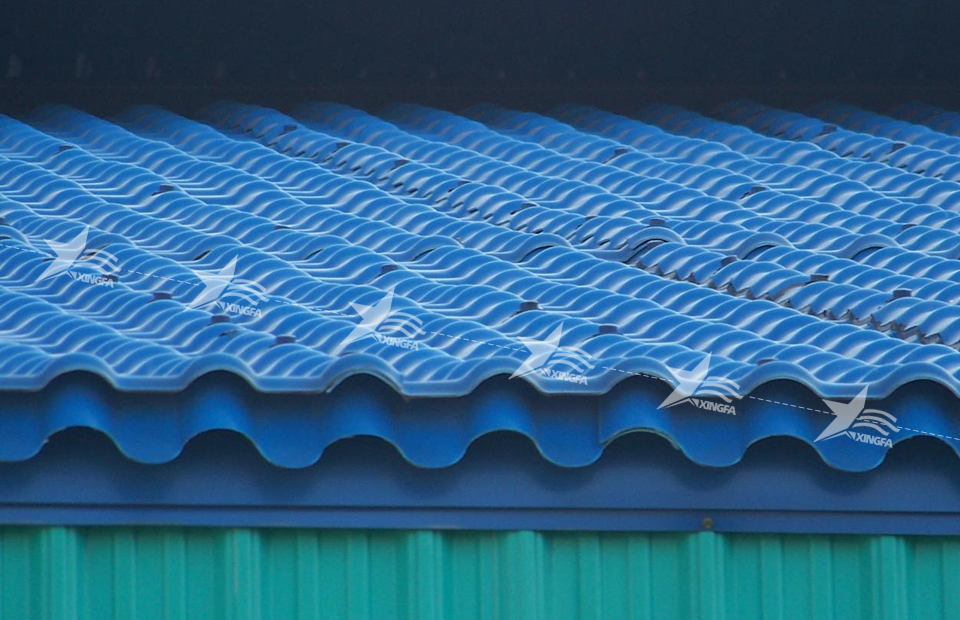
In rural self-built housing, factory retrofitting projects, and flat-to-sloped roof conversions, synthetic resin roofing tiles and color-coated steel roofing sheets are currently the two most widely adopted roofing materials. A prevalent misconception holds that, as a plastic-based product, synthetic resin tiles inherently offer inferior service life compared to metallic color-coated steel sheets. In reality, the two materials differ fundamentally in composition, degradation mechanisms, and durability logic. High-quality synthetic resin tiles—when properly manufactured and installed—typically deliver superior overall service life compared to standard-grade color-coated steel sheets. This article provides an objective, multidimensional comparison across five key dimensions: material characteristics, application suitability, market pricing, installation methodology, and service life—offering a comprehensive, evidence-based reference for informed roofing material selection. The full text comprises approximately 1,500 words.
1. Core Material Characteristics Comparison
Synthetic Resin Roofing Tiles
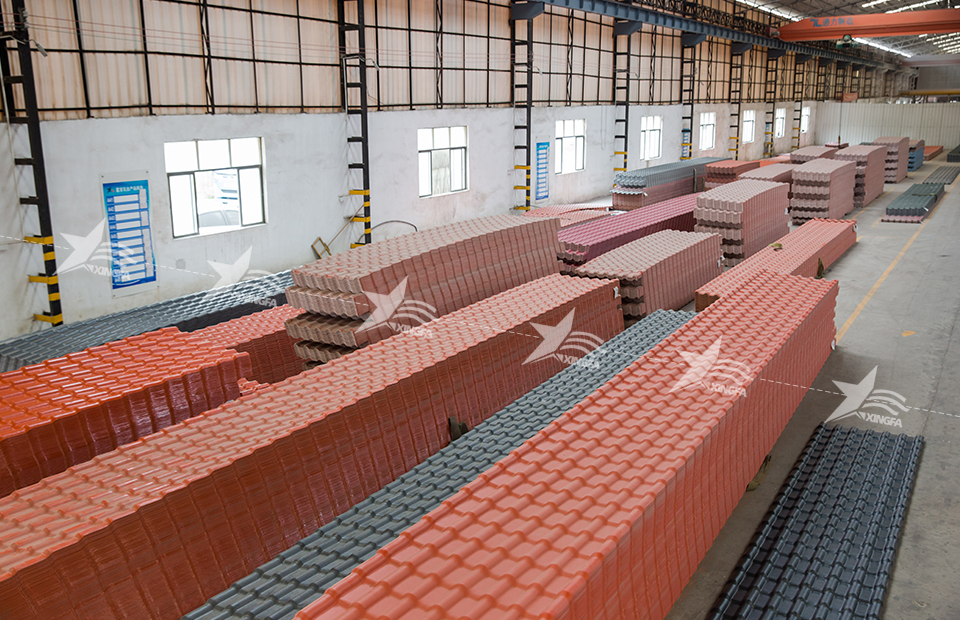
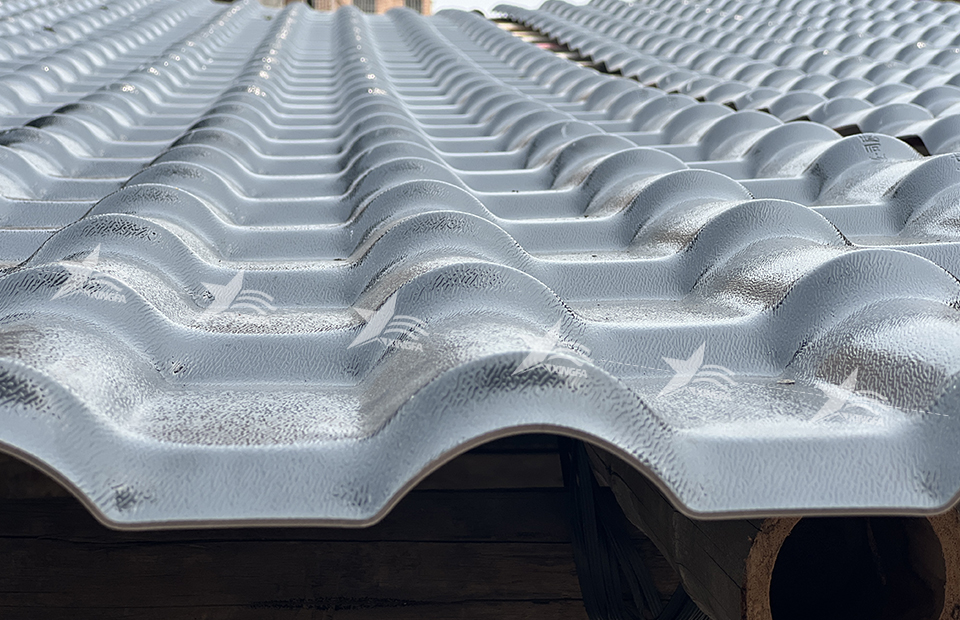
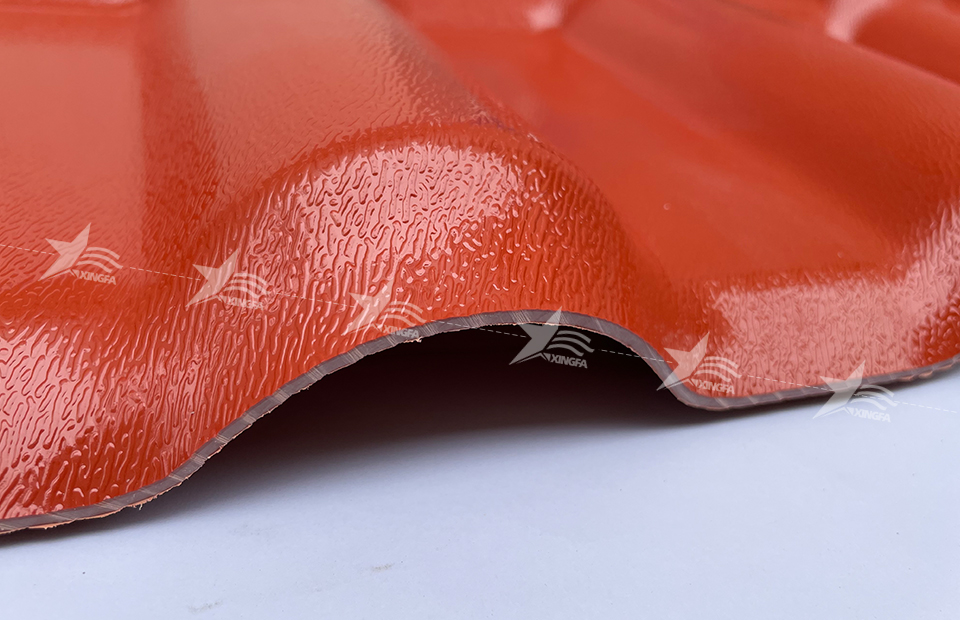
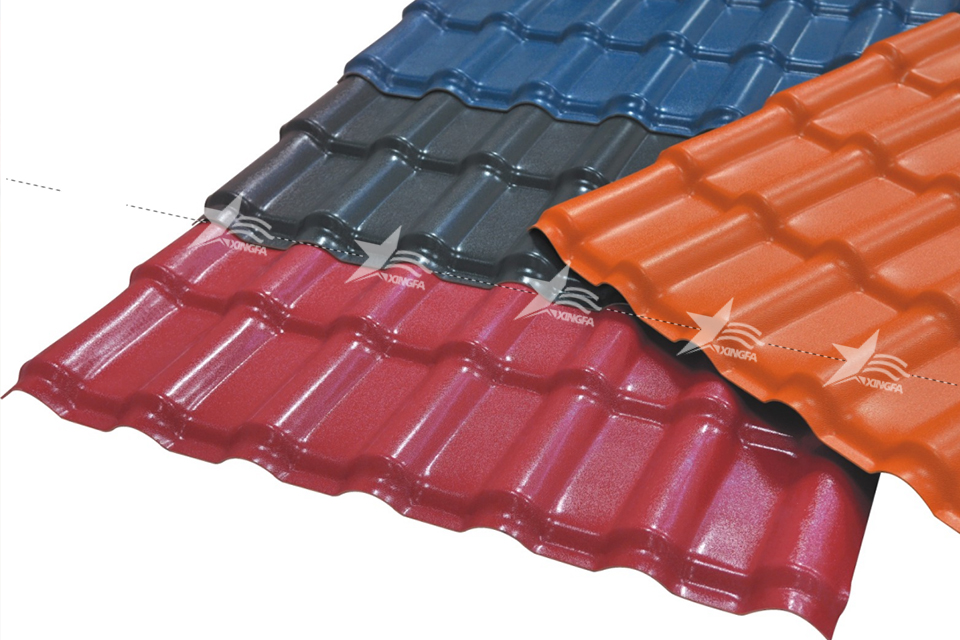
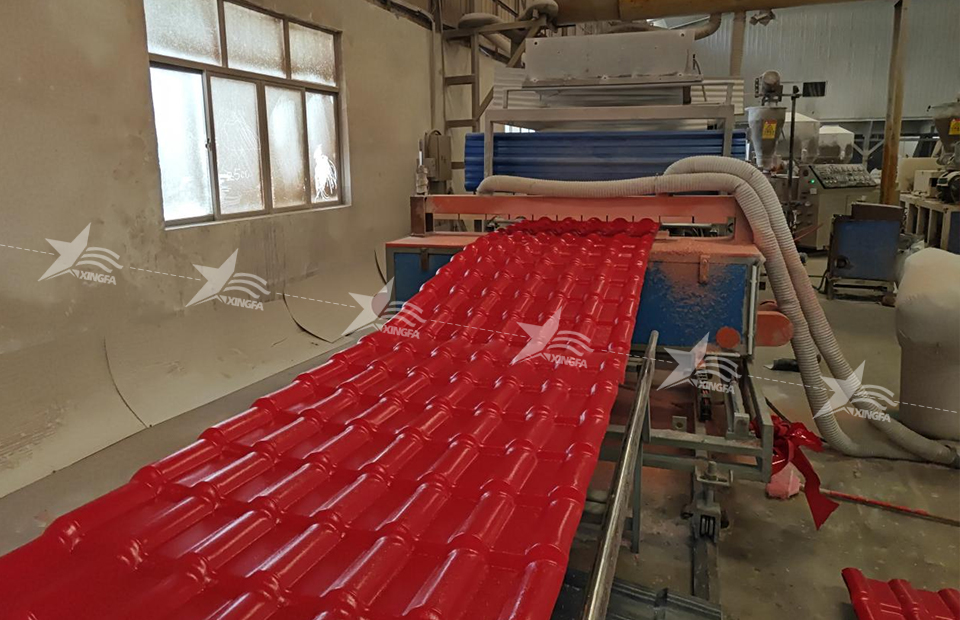
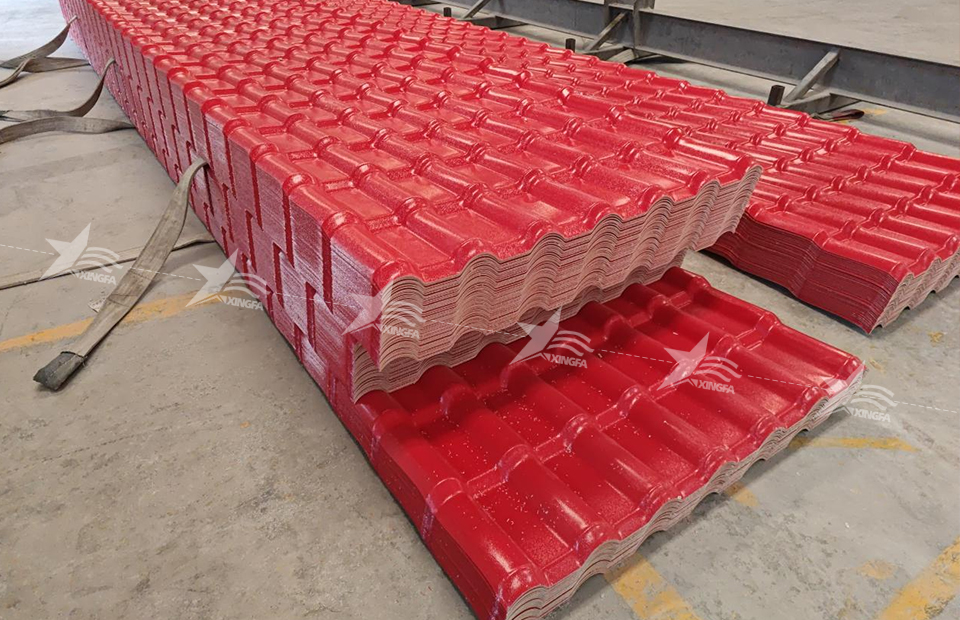
Synthetic resin roofing tiles utilize modified PVC as the base substrate, with a top layer of ASA (Acrylonitrile Styrene Acrylate) high-weatherability engineering resin. They are manufactured via a four-layer co-extrusion process into a monolithic, high-molecular composite building material. Weighing only 5–6 kg/m²—approximately two-thirds the weight of color-coated steel sheets—their primary advantages lie in corrosion resistance, thermal insulation, and acoustic performance:
- The ASA surface layer effectively resists ultraviolet radiation, acid rain, coastal salt fog, and corrosive gases (e.g., ammonia and hydrogen sulfide) commonly found in livestock farms—eliminating the risk of metal oxidation or rust;
- With a low thermal conductivity of just 0.325 W/m·K, they absorb significantly less solar heat during summer, resulting in indoor temperatures 3–5°C cooler than under comparable color-coated steel roofs;
- Their undulating profile dampens raindrop impact energy, reducing rainfall-induced noise by approximately 30% relative to steel sheets—enhancing residential comfort.
Key limitations include:
- As organic polymeric materials, they may soften or deform under prolonged exposure to ambient temperatures exceeding 70°C—rendering them unsuitable for high-temperature industrial facilities such as foundries, steel mills, or glass manufacturing plants;
- Their relatively high coefficient of thermal expansion necessitates a minimum roof pitch of ≥15° and strict adherence to expansion joint specifications during installation;
- Low-tier products made from recycled feedstock often feature insufficient ASA layer thickness, leading to premature fading, embrittlement, and cracking within 3–5 years.
Color-Coated Steel Roofing Sheets
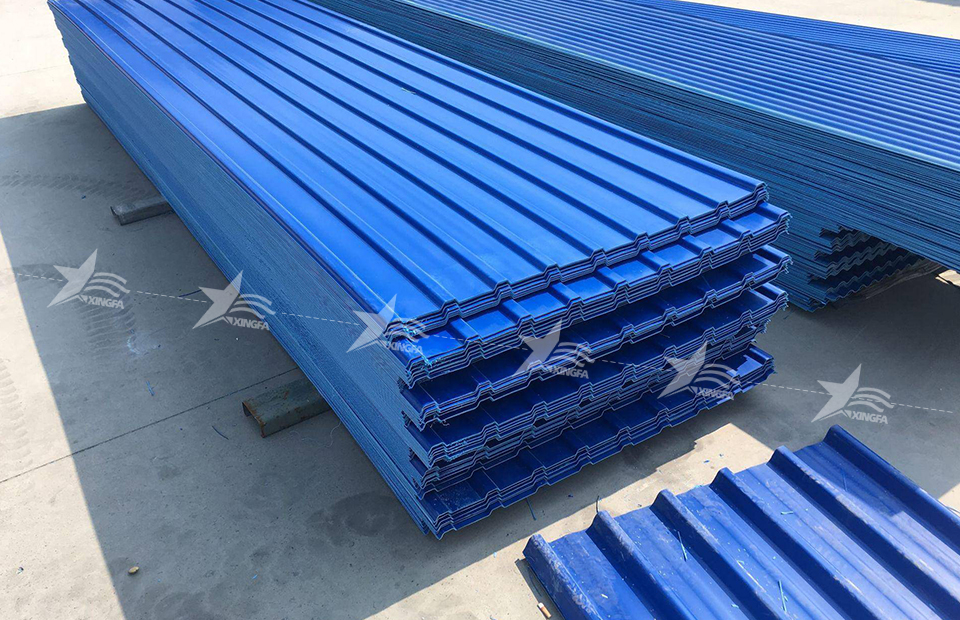
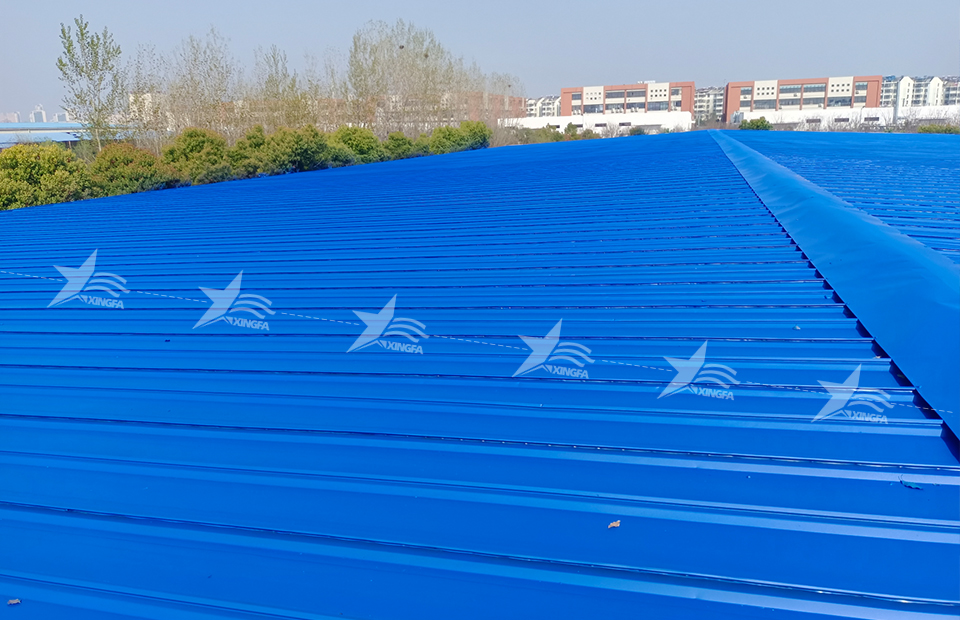
Color-coated steel sheets consist of galvanized or aluzinc-coated steel substrates, cold-formed into profiled sheets and coated with polyester-based organic paint via roll-coating. As purely metallic structural components, they exhibit exceptional mechanical strength, impact resistance, and fire performance—remaining non-melting under direct flame exposure.
However, inherent electrochemical corrosion remains their principal weakness: microscopic pinholes in the organic coating allow moisture, salt aerosols, and acidic/alkaline vapors to penetrate and corrode the underlying steel substrate. Fastener points, cut edges, and lap joints constitute critical corrosion-prone zones. Additional drawbacks include:
- High thermal conductivity—single-layer steel sheets provide negligible thermal insulation, resulting in excessive heat gain in summer and significant heat loss in winter;
- Pronounced noise generation during heavy rainfall or hailstorms, causing long-term acoustic discomfort in habitable spaces. Performance varies markedly across tiers: standard galvanized steel sheets offer limited corrosion resistance, whereas premium aluzinc-magnesium alloys with fluorocarbon coatings substantially enhance durability—albeit at significantly higher cost.
2. Application-Specific Suitability
Synthetic Resin Roofing Tiles — Recommended Use Cases:
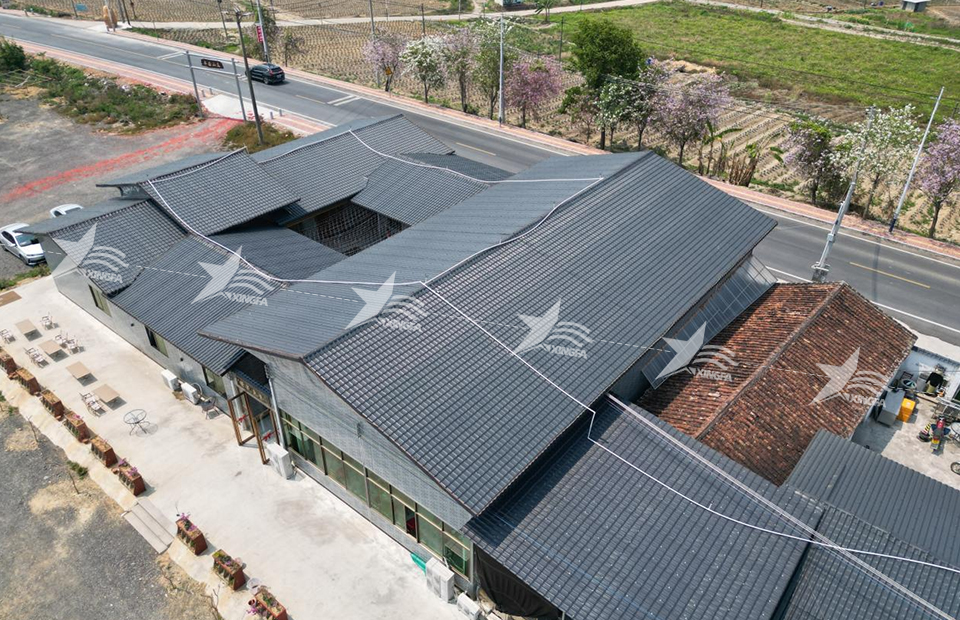
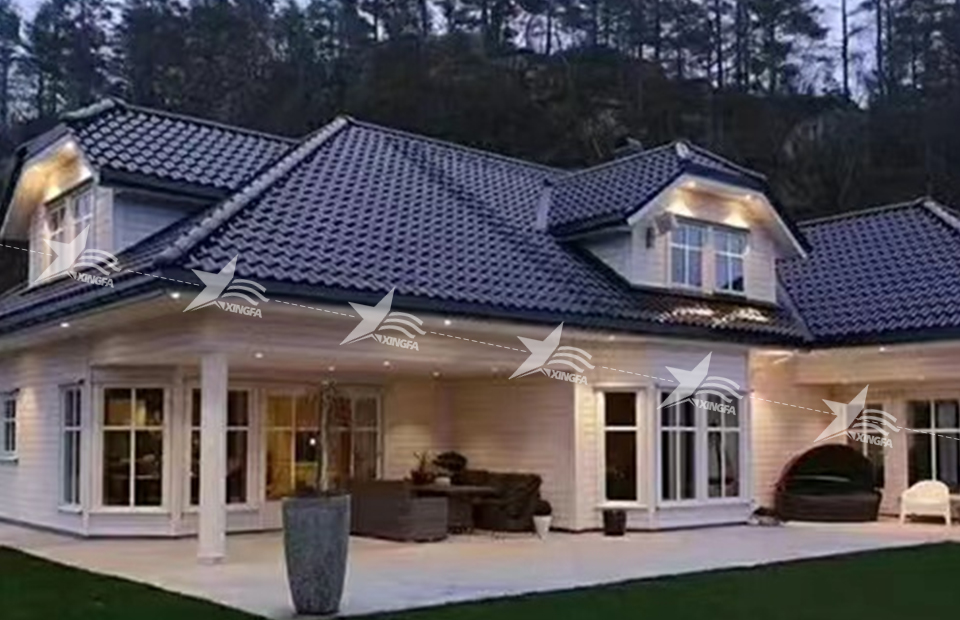
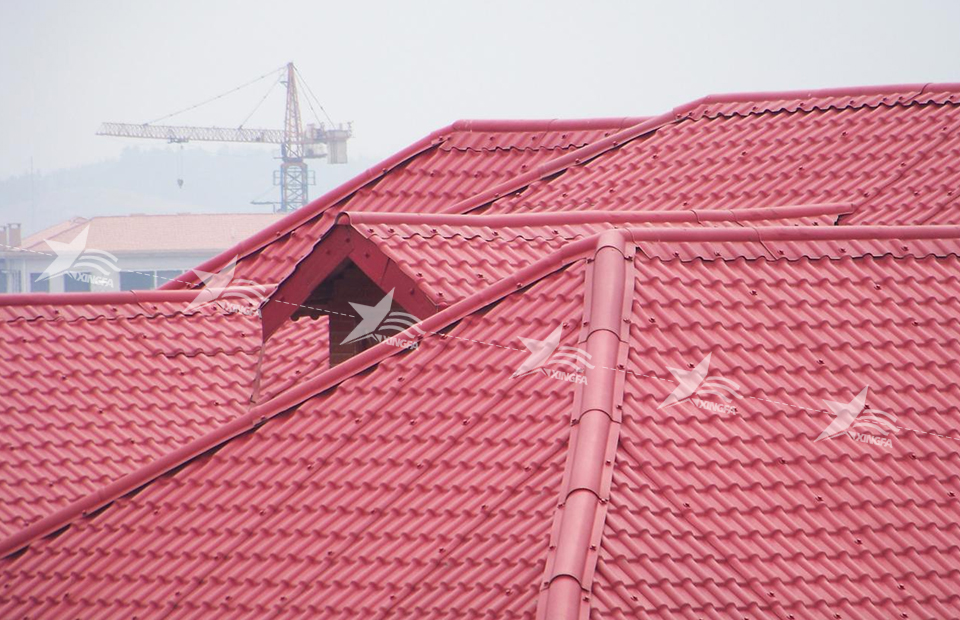
- Long-term residential buildings: rural self-built homes, boutique guesthouses, culturally themed tourism architecture, and urban flat-to-sloped roof conversion projects—where aesthetic appeal, thermal comfort, and acoustic performance align with residential requirements;
- Highly corrosive environments: coastal fishing villages, intensive livestock/poultry farms, small-scale chemical processing facilities, and humid, rainy mountainous regions in southern China—where resistance to salt fog, ammonia, and acid rain is paramount;
- Roof refurbishment of aging structures: timber-framed or masonry buildings where lightweight roofing minimizes structural reinforcement needs and reduces overall renovation costs;
- Medium-to-low-temperature industrial applications: warehouses, light manufacturing sheds, and landscape-supporting ancillary buildings.
Prohibited Applications: High-temperature industrial settings—including metallurgical plants, iron-and-steel production facilities, and glass furnaces—where sustained roof surface temperatures exceed 70°C, accelerating polymer degradation and dimensional instability.
Color-Coated Steel Roofing Sheets — Recommended Use Cases:
- Temporary or short-term structures: construction site dormitories, temporary storage sheds, and short-duration agricultural enclosures—where rapid, low-cost deployment is prioritized;
- Standard inland industrial facilities: dry, pollution-free, non-coastal steel-framed workshops—where regular maintenance can extend service life;
- Large-span minimalist industrial roofs and prefabricated modular buildings—where high tensile strength and rigidity match structural demands of wide-span steel frameworks.
Cautious or Discouraged Applications:
- Coastal zones, southern monsoon-affected regions, chemical plants, and livestock farms—where standard color-coated steel sheets typically suffer perforation and leakage within 3–6 years;
- Permanent residential dwellings—especially with single-layer configurations—due to inadequate thermal and acoustic performance, which severely compromises livability.
3. Market Pricing Comparison (2026 Mainstream Market Data)
Synthetic Resin Roofing Tiles
Pricing reflects raw material quality, tile thickness, and ASA layer integrity:
- Entry-level products using recycled feedstock: ¥20–¥30/m², with service life <5 years;
- Mid-tier, virgin-material, three-layer constructions: ¥30–¥45/m², backed by 15–20-year warranty;
- Premium four-layer co-extruded tiles with high-purity ASA surfacing: ¥45–¥80/m², warrantied for 25–30 years.
While initial procurement costs exceed those of standard color-coated steel sheets, synthetic resin tiles incur virtually no recurring maintenance or replacement expenses—yielding lower total cost of ownership over their full lifecycle.
Color-Coated Steel Roofing Sheets
- Standard 0.4–0.5 mm galvanized single-layer sheets: ¥20–¥35/m²;
- Reinforced aluzinc-coated variants: ¥35–¥50/m²;
- High-end fluorocarbon-coated aluzinc-magnesium sheets: ≥¥50/m².
Although upfront acquisition costs are comparatively low, ongoing maintenance liabilities accumulate: full-scale rust removal, repainting, and resealing are typically required every 5–6 years—with each refurbishment costing roughly one-third the price of new material. Over time, cumulative maintenance expenditures frequently surpass the initial investment in premium synthetic resin tiles.
4. Installation & Construction Comparison
Synthetic Resin Roofing Tiles
Owing to large panel dimensions and moderate flexibility, these tiles can be precisely cut using standard utility knives. Complete accessory systems—including ridge caps, flashing, and waterproof end caps—are readily available. A single skilled worker can install over 100 m² per day, reducing labor costs by ~30% versus steel sheet installation. Their low mass permits direct installation on timber purlins or lightweight steel rafters—eliminating the need for structural reinforcement and lowering substructure costs. Critical installation protocol requires consistent provision of expansion joints to prevent thermal buckling, edge lifting, or water infiltration.
Color-Coated Steel Roofing Sheets
High hardness necessitates specialized cutting tools—such as plasma cutters or angle grinders—and poses elevated safety risks due to sharp edges. All lap joints and fastener penetrations must be fully sealed with high-performance silicone or butyl sealant; otherwise, moisture ingress and subsequent corrosion are inevitable. Greater unit weight demands heavier support framing—particularly for large-span roofs—increasing substructure material and fabrication costs. Their principal advantage lies in superior wind uplift resistance and impact resilience against hail or debris—making them more robust under extreme convective weather conditions.
5. In-Depth Analysis of Service Life: Dispelling Common Misconceptions
Many people mistakenly assume that metal color-coated steel roofing sheets offer longer service life—overlooking critical factors such as environmental corrosion conditions and long-term maintenance costs. In reality, the actual service life of both materials varies significantly depending on environmental context and product grade:
- **Standard inland dry environments**: High-quality, virgin-material synthetic resin roofing tiles demonstrate stable performance for 25–30 years; mid-tier aluzinc-coated steel sheets—when regularly maintained—can last 10–15 years, whereas low-end galvanized steel sheets typically endure only 8–10 years. Synthetic resin tiles exhibit clear durability advantages: they require no anti-corrosion treatments or refurbishment throughout their service life. In contrast, steel sheets necessitate rust removal and repainting every few years; failure to maintain them results in rapid corrosion penetration and structural failure.
- **Highly corrosive environments** (e.g., coastal zones, livestock farms, chemical plants): Synthetic resin tiles are inherently immune to rust and reliably perform for over 20 years under normal conditions. Conventional color-coated steel sheets, however, often develop widespread perforation and leakage within just 3–6 years. Even premium corrosion-resistant steel variants see their service life reduced to under 8 years—substantially shorter than that of synthetic resin tiles.
- **Exceptions involving substandard products**: Low-cost synthetic resin tiles made from recycled or inferior raw materials may last only 3–5 years—a consequence of material adulteration and manufacturing shortcuts, not an inherent limitatioaaan of the resin material itself. Similarly, steel sheets with undersized base steel or subpar coating layers degrade rapidly regardless of type. Thus, the root cause of shortened service life in both categories lies not in material category but in cost-driven compromises on quality.
In summary, when comparing products of equivalent budget and certified quality, synthetic resin tiles consistently outperform color-coated steel sheets in service life across all typical application scenarios. Only in short-term (3–5 year) temporary structures does steel sheeting offer superior cost-effectiveness.
Conclusion
Synthetic resin tiles and color-coated steel sheets are not categorically superior or inferior to one another; optimal material selection hinges on intended service duration and environmental exposure. For permanent residential use—or applications located in humid, coastal, or chemically aggressive settings—high-grade ASA-based synthetic resin tiles are strongly recommended. Although their initial investment is slightly higher, their superior thermal and acoustic insulation, zero-maintenance requirement, and extended service life deliver significant long-term cost savings. Conversely, for short-term auxiliary structures (e.g., temporarya