EN
EN  ES
ES  RU
RU  AR
AR Comprehensive Comparative Analysis of PVC Roofing Sheets versus Color-Coated Steel Roofing Sheets for Industrial Facilities
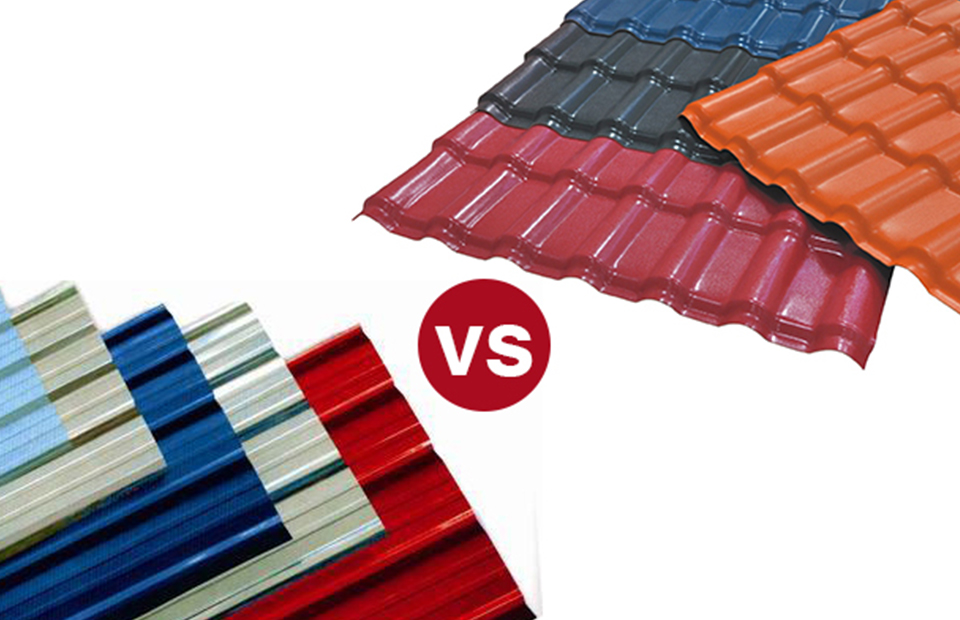
During the construction of new steel-structure industrial facilities or the renovation of existing roofs, PVC roofing sheets and color-coated steel roofing sheets represent the two dominant roofing material options in the market. Many enterprises face challenges in selecting the optimal solution, as these materials differ significantly in terms of material properties, procurement cost, service life, and suitability for specific operating conditions. Relying solely on unit price comparisons is insufficient to determine overall value; instead, a holistic evaluation—incorporating production environment, intended service life, and long-term maintenance costs—is essential. This article conducts a systematic comparison across four key dimensions: material properties, market pricing, application scenarios, and post-installation maintenance—clearly delineating the respective advantages and limitations of each roofing system to support informed material selection for industrial roofing projects.
1. Differences in Material Composition and Fundamental Performance
Characteristics of Color-Coated Steel Roofing Sheets
Conventional color-coated steel sheets utilize galvanized or aluzinc-coated steel as the base substrate, with an additional protective paint layer applied to the surface. The metallic substrate provides high structural strength, excellent impact resistance, and superior wind-load performance, supported by mature fabrication and installation practices. However, inherent limitations exist: metals exhibit relatively high thermal conductivity, leading to rapid interior temperature rise during summer months; moreover, steel is susceptible to corrosion when exposed to moisture and acidic/alkaline gases. Once the protective coating is compromised—even minimally—corrosion propagates progressively, eventually resulting in perforation and leakage. Standard thin-gauge color-coated steel sheets possess limited weather resistance; in humid environments or facilities emitting corrosive gases, their aging rate accelerates markedly.
Characteristics of PVC Roofing Sheets for Industrial Facilities
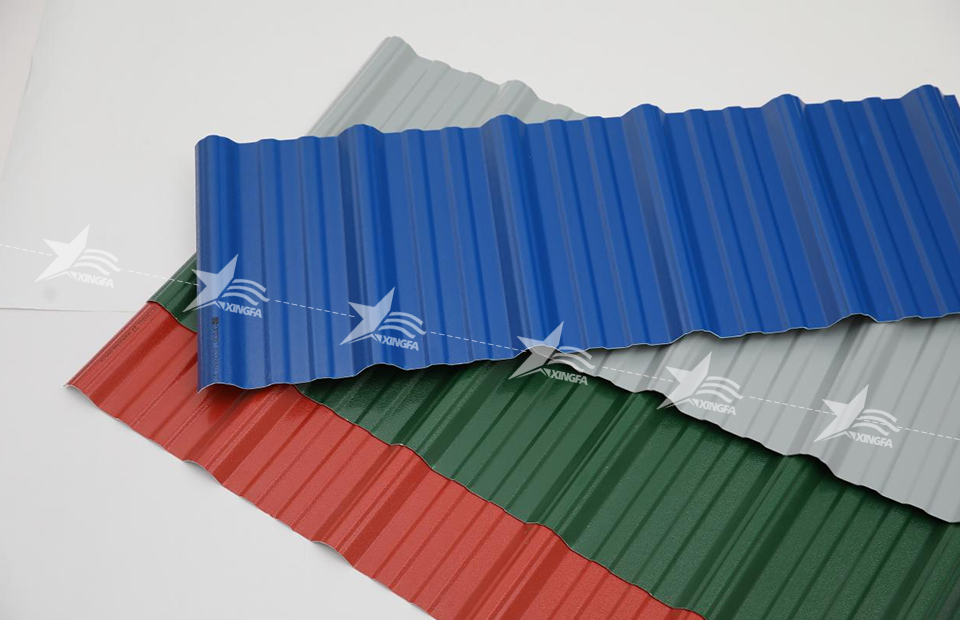
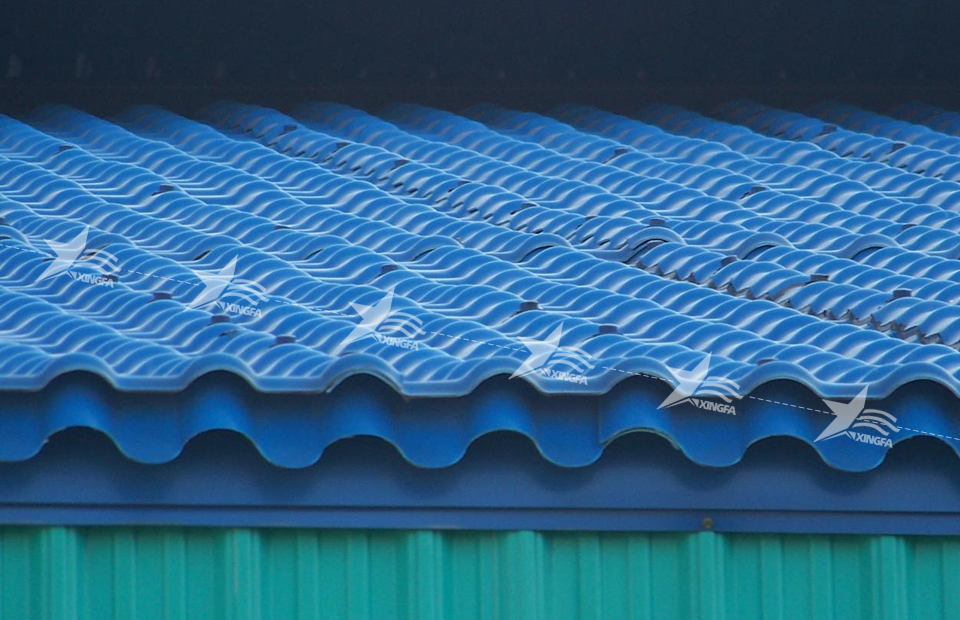
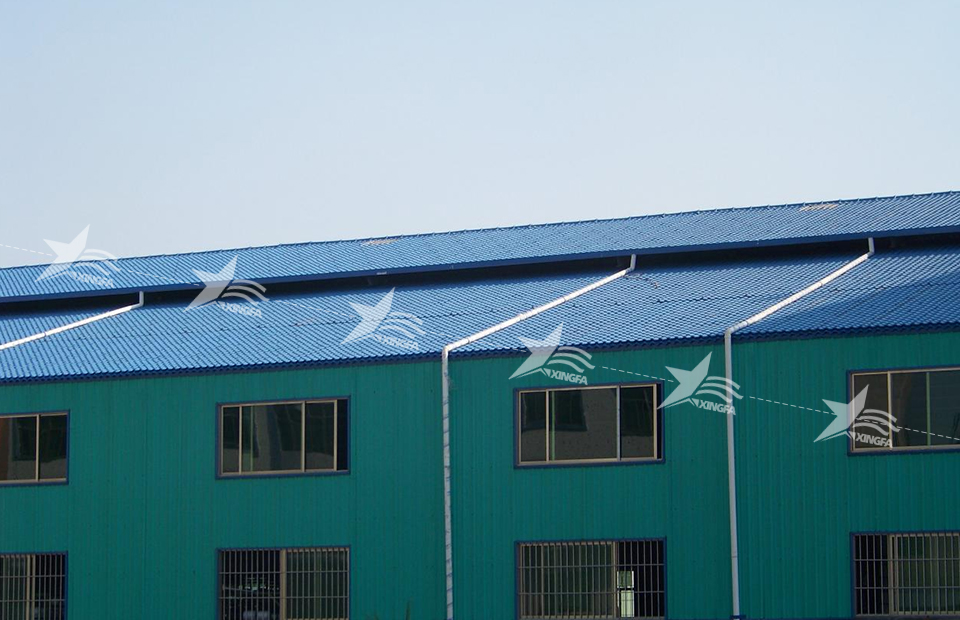
Industrial-grade PVC roofing sheets are primarily available in two configurations: single-layer PVC sheets and multi-layer ASA-composite PVC sheets. The core matrix consists of PVC resin, while premium products incorporate an outer ASA (acrylonitrile–styrene–acrylate) weather-resistant layer. As non-metallic building materials, PVC sheets inherently resist acids, alkalis, and corrosion—and do not rust. Their low thermal conductivity delivers superior insulation performance compared to standard color-coated steel sheets, effectively mitigating summer heat buildup within facilities. Key limitations include susceptibility to thermal degradation under prolonged exposure to elevated temperatures (particularly in substandard products), lower hardness relative to steel, and reduced resistance to heavy-impact loading. Multi-layer ASA-composite PVC sheets address these shortcomings through the engineered weather-resistant top layer, substantially extending service life.
2. Market Pricing and Total Cost of Ownership Comparison
From a raw-material unit-price perspective, both product categories exhibit distinct pricing tiers. Thin-gauge (0.3–0.4 mm) conventional color-coated steel sheets command relatively low prices—approximately CNY 25–38 per square meter. Thicker variants (≥0.5 mm) using aluzinc substrates range from CNY 38–55/m², while fluorocarbon-coated corrosion-resistant grades carry a further premium. PVC roofing sheet pricing varies by specification: recycled-material single-layer sheets cost CNY 18–28/m²; virgin-material 2.5-mm ASA-composite sheets range from CNY 35–50/m²; and 3.0-mm reinforced composite sheets are priced at CNY 48–62/m². While raw-material cost ranges overlap considerably, total cost of ownership diverges significantly due to maintenance requirements. Conventional color-coated steel sheets typically begin exhibiting corrosion after 5–8 years of service, necessitating periodic rust removal and recoating—entailing recurring labor and material expenditures. In contrast, PVC sheets are immune to rust; high-quality ASA-composite variants require minimal preventive maintenance. For short-term or temporary facilities where initial capital outlay is paramount, color-coated steel offers a cost advantage; however, for long-term operational facilities, PVC roofing sheets demonstrate superior lifecycle economics. Installation labor and ancillary component costs remain broadly comparable between the two systems.
3. Application-Specific Suitability
Recommended Applications for Color-Coated Steel Roofing Sheets
Owing to their high structural integrity, color-coated steel sheets are ideally suited for industrial facilities located in dry, non-corrosive environments—such as hardware manufacturing workshops and dry-storage warehouses. They are particularly appropriate where stringent requirements exist for hail resistance, typhoon resilience, or protection against falling objects from overhead structures. Additionally, for time-sensitive projects requiring rapid deployment—e.g., temporary or interim facilities—thin-gauge color-coated steel sheets are frequently selected. It should be noted, however, that conventional color-coated steel sheets are strongly discouraged in chemical processing plants, acid-pickling facilities, and coastal regions with high salinity, owing to their pronounced vulnerability to accelerated corrosion and perforation.
Recommended Applications for PVC Roofing Sheets
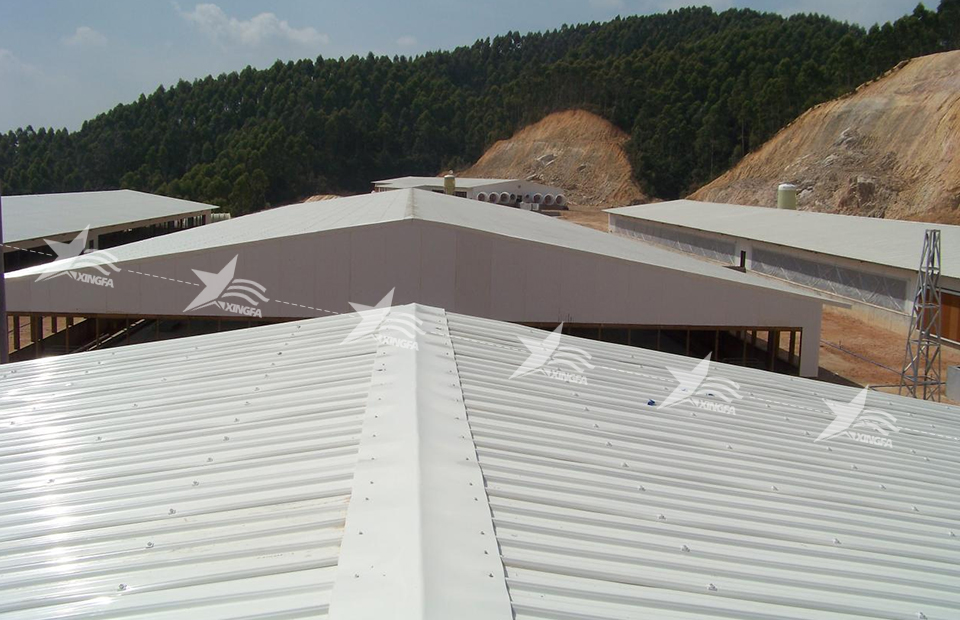
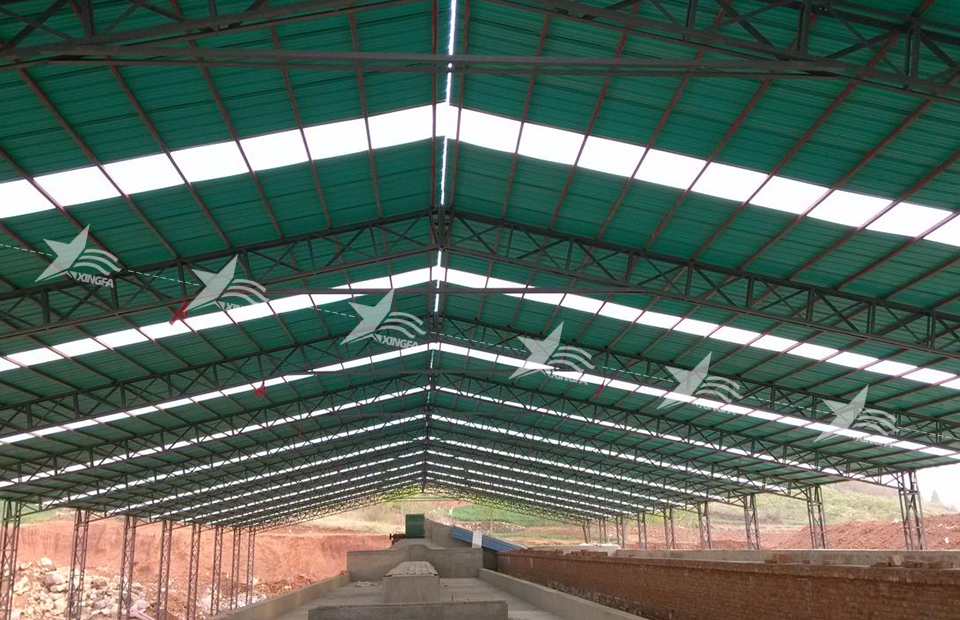
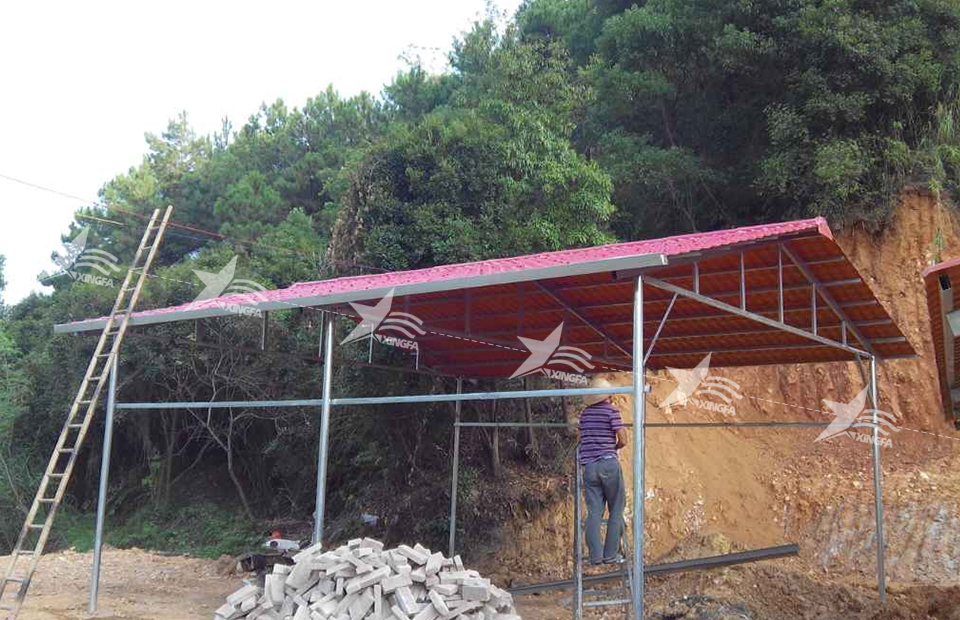
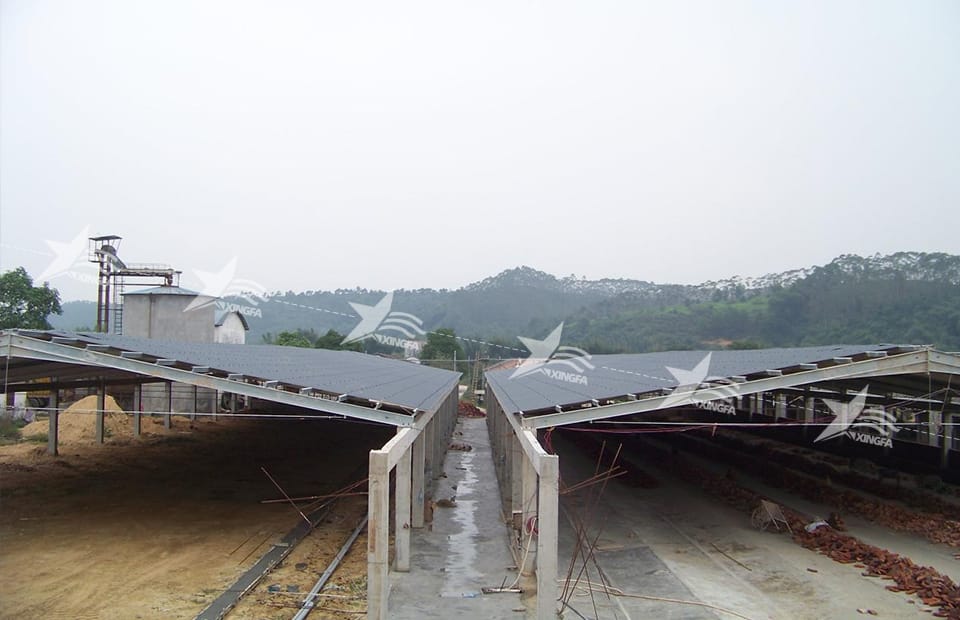
The primary advantage of PVC roofing sheets lies in their exceptional corrosion resistance—making them the preferred choice for chemical plants, dyeing and printing workshops, livestock farms, coastal industrial zones, and any facility exposed to acidic/alkaline fumes or corrosive dust. Furthermore, their superior thermal insulation and sound-dampening properties render them especially suitable for hot, humid environments where improved indoor thermal comfort and noise reduction are priorities. Rainfall-induced impact noise is markedly lower than with color-coated steel sheets. Nevertheless, usage constraints apply: PVC sheets are unsuitable for facilities involving open flames or sustained high-temperature exposure—e.g., metallurgical smelting or heat-treatment workshops—nor are they recommended for areas subject to frequent heavy-object impacts, which may cause cracking or fracture. Single-layer PVC sheets may suffice for simple, short-term canopies; for permanent, long-life industrial buildings, ASA-composite, thickened PVC sheets are strongly advised.
4. Service Life and Post-Installation Maintenance Requirements
Actual service life is highly dependent on environmental and operational conditions.
Standard painted thin-gauge color-coated steel sheets typically last 6–10 years in dry, benign environments but degrade to only 3–5 years in corrosive settings—exhibiting rust-through and leakage. Aluzinc-coated, thicker variants achieve 10–15 years under normal conditions.
Single-layer conventional PVC sheets offer an outdoor service life of approximately 5–8 years; certified virgin-material ASA-composite PVC sheets deliver 15–20 years of reliable performance under typical operating conditions.
Maintenance represents the most critical differentiator between the two systems. Rust remains the principal failure mode for color-coated steel sheets, mandating inspection and touch-up painting every 2–4 years. Once perforation occurs, localized replacement becomes unavoidable. By contrast, PVC sheets eliminate rust-related risks entirely; routine maintenance is limited to periodic cleaning of surface debris, with repairs required only at isolated points of physical damage. Leakage in color-coated steel roofs commonly originates from rapidly propagating rust holes; in PVC roofs, leaks predominantly occur at lap joints or fastener penetrations—both of which are readily preventable through proper installation practices, thereby reducing the likelihood of large-scale failure.
5. Conclusion
In summary, neither PVC nor color-coated steel roofing sheets is categorically superior; optimal selection hinges on precise alignment with site-specific operational conditions. For dry, non-corrosive environments where impact resistance and short-term cost efficiency are prioritized, color-coated steel sheets constitute a sound choice. Conversely, for facilities exposed to acidic/alkaline atmospheres, coastal salt spray, or demanding thermal/noise-control requirements—and where extended service life and minimized long-term maintenance are strategic objectives—ASA-composite PVC roofing sheets provide a more robust, sustainable solution. Procurement decisions must transcend simplistic unit-price comparisons and instead integrate environmental parameters, planned service duration, and projected maintenance expenditures into a unified total-cost assessment. Selecting materials without due consideration of local environmental characteristics risks premature roof failure, potentially triggering unplanned production stoppages, inventory spoilage, and other avoidable financial losses.