EN
EN  ES
ES  RU
RU  AR
AR 【In-Depth Analysis】Synthetic Resin Roofing Tiles: Technical Principles, Application Scenarios, and Manufacturer Selection Guide
Ⅰ. What Are Synthetic Resin Roofing Tiles? Definition, Origin, and Core Value
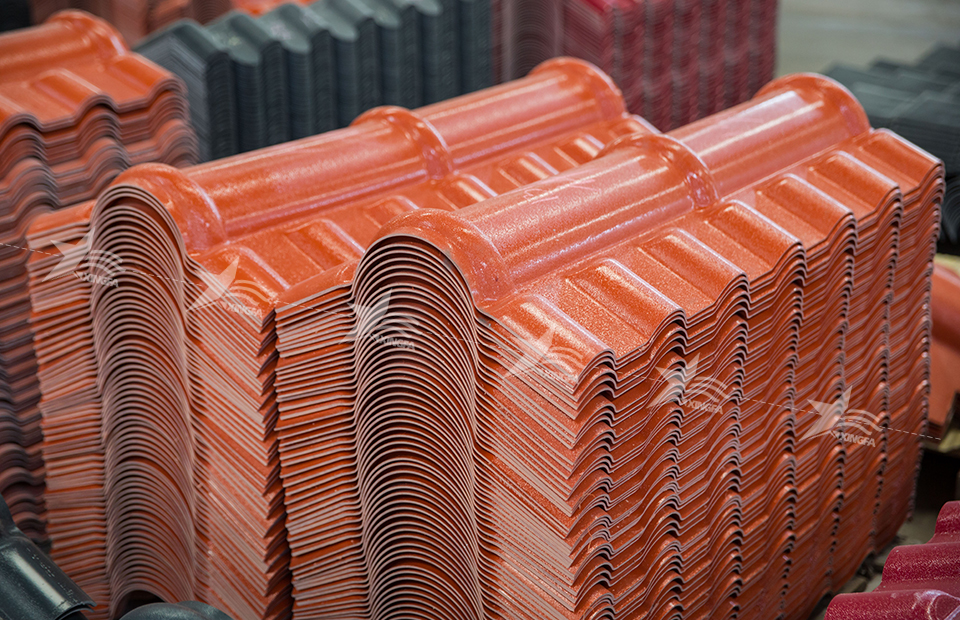
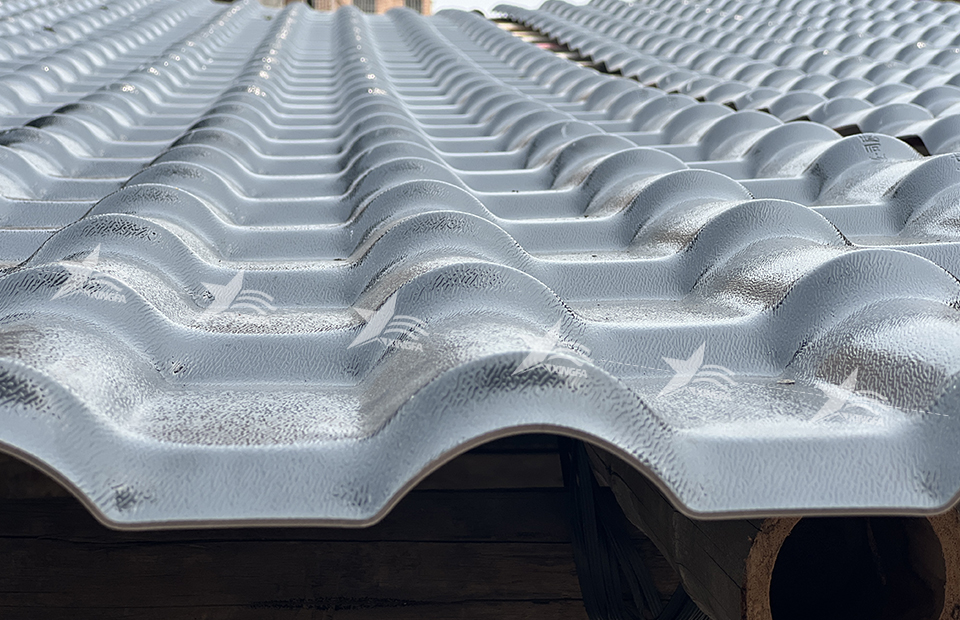
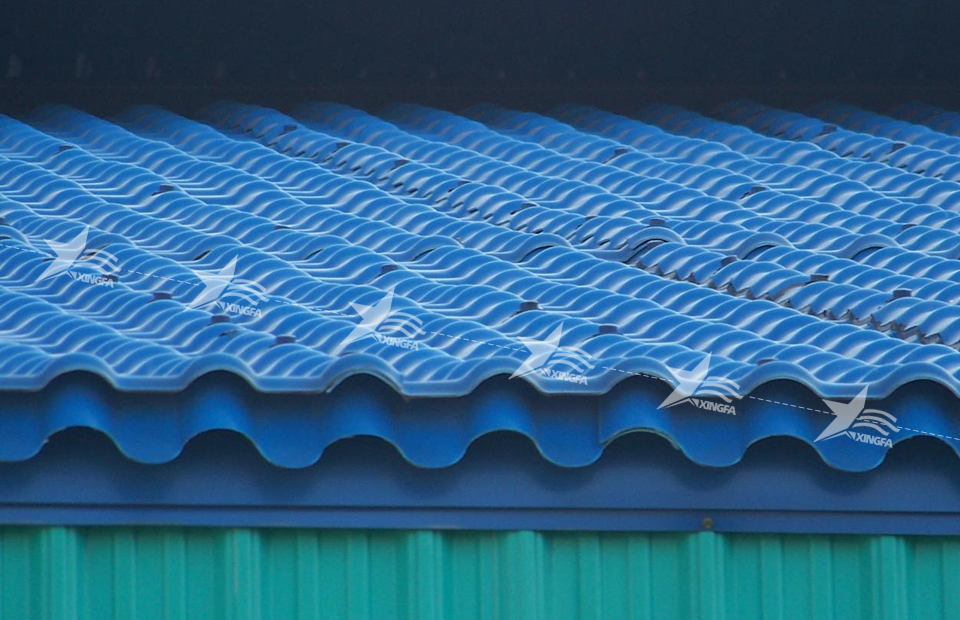
Synthetic resin roofing tiles—commonly referred to as “resin tiles”—are a modern roof cladding material manufactured via co-extrusion of ASA (Acrylonitrile–Styrene–Acrylate) polymer with a structural substrate. Functioning as a high-performance protective “outer layer” for building roofs, they effectively address longstanding limitations of traditional roofing materials: the excessive weight and susceptibility to cracking in clay tiles, and the corrosion vulnerability and poor thermal insulation of color-coated steel sheets.
With the ongoing advancement of China’s urbanization, the nationwide implementation of flat-to-sloped roof renovation projects, and accelerated rural revitalization initiatives, market demand for environmentally friendly, energy-efficient, durable, and aesthetically pleasing roofing solutions has grown steadily. Owing to their superior comprehensive performance, synthetic resin tiles have increasingly become one of the mainstream choices for roof systems. Consequently, a broad spectrum of manufacturers has emerged—prompting frequent questions from end users regarding product selection, quality differentiation, and application suitability.
Ⅱ. Core Technical Principles: Architectural Framework and Performance Logic
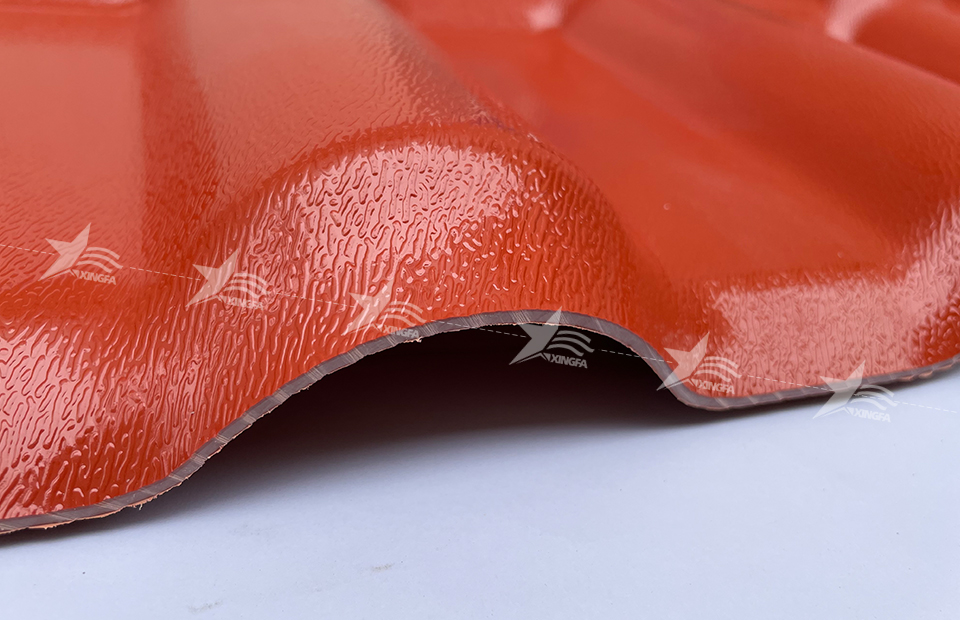
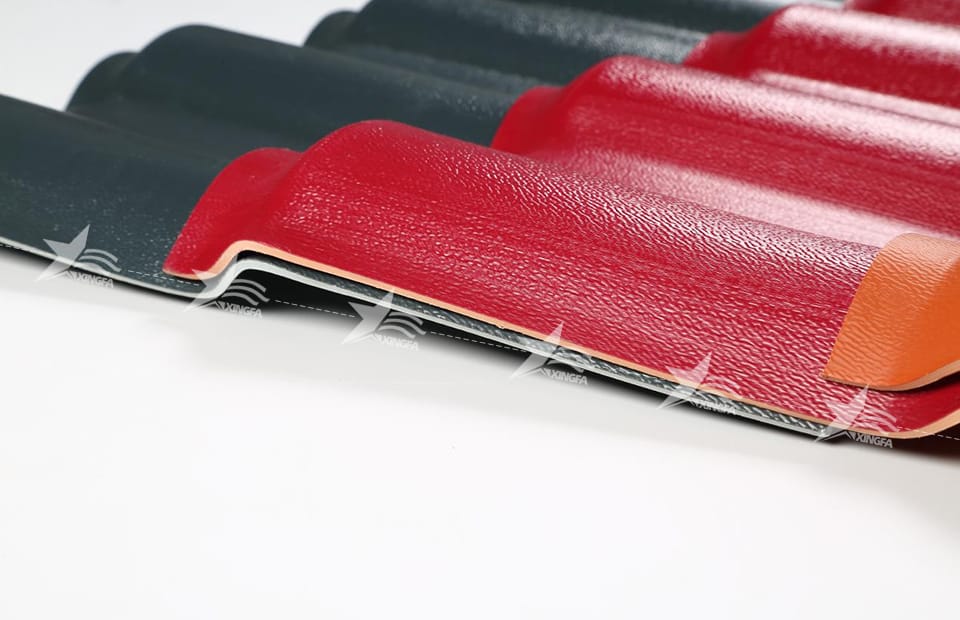
High-quality synthetic resin tiles are fabricated using a multi-layer co-extrusion process, wherein functionally distinct layers synergistically enhance overall performance. The core structure comprises three precisely engineered layers:
1. Surface Weather-Resistant Layer
Composed of ASA polymer, this topmost layer delivers exceptional resistance to ultraviolet radiation, wind-driven rain, and atmospheric corrosion—ensuring long-term color stability and preventing fading or chalking.
2. Middle Structural Layer
Based on PVC resin and enhanced through scientifically optimized formulations—including functional additives—this layer provides essential mechanical strength, impact resilience, and dimensional stability, while simultaneously enabling critical performance attributes such as fire retardancy and thermal insulation.
3. Bottom Corrosion-Resistant Layer
Formulated with proprietary chemical compositions, this layer significantly enhances resistance to acidic, alkaline, and other corrosive environmental agents—ensuring reliable performance under harsh service conditions. Through integrated structural design and advanced material formulation, synthetic resin tiles achieve balanced, multi-functional performance—including waterproofing, fire resistance, thermal insulation, impact resistance, and weather durability—thereby meeting diverse application requirements across varied climatic and functional contexts.
Ⅲ. Comprehensive Comparative Assessment: Advantages and Limitations vs. Traditional Roofing Materials
Compared with conventional roofing materials, synthetic resin tiles offer multiple distinct advantages:
- Significantly Reduced Weight: At approximately one-fifth the unit-area weight of traditional clay tiles, they substantially lower structural load demands—facilitating easier handling and installation, and enabling roof retrofits without requiring reinforcement of the underlying structure.
- Enhanced Performance Stability: Highly resistant to acid/alkali corrosion and rust-free, they exhibit markedly longer service life than color-coated steel sheets and superior color retention compared to cement-based tiles.
- Streamlined Installation: Compatible with on-site cutting and cold bending, they accommodate complex roof geometries—including curved, irregular, or low-pitch configurations—and can be installed efficiently by standard construction crews without specialized tools or training.
- Superior Energy Efficiency: Their low thermal conductivity contributes to effective heat insulation—reducing heating and cooling loads and aligning with national building energy conservation standards.
Nevertheless, certain challenges warrant attention: Substandard products from non-compliant manufacturers—often incorporating recycled feedstock or reducing ASA layer thickness—may suffer premature fading, embrittlement, cracking, and shortened service life. Additionally, improper installation practices—particularly inadequate overlap or sealing at joints—can compromise waterproof integrity. Therefore, selecting reputable manufacturers and certified professional installers is essential.
Ⅳ. Key Application Scenarios and Frequently Asked Questions (FAQs)
Synthetic resin tiles demonstrate broad applicability across diverse architectural and environmental contexts:
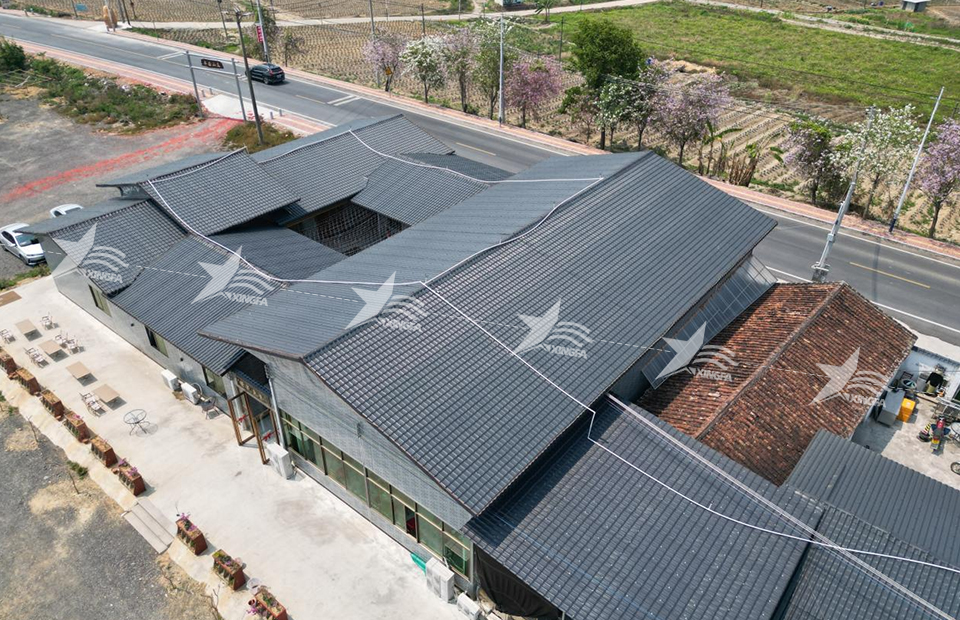
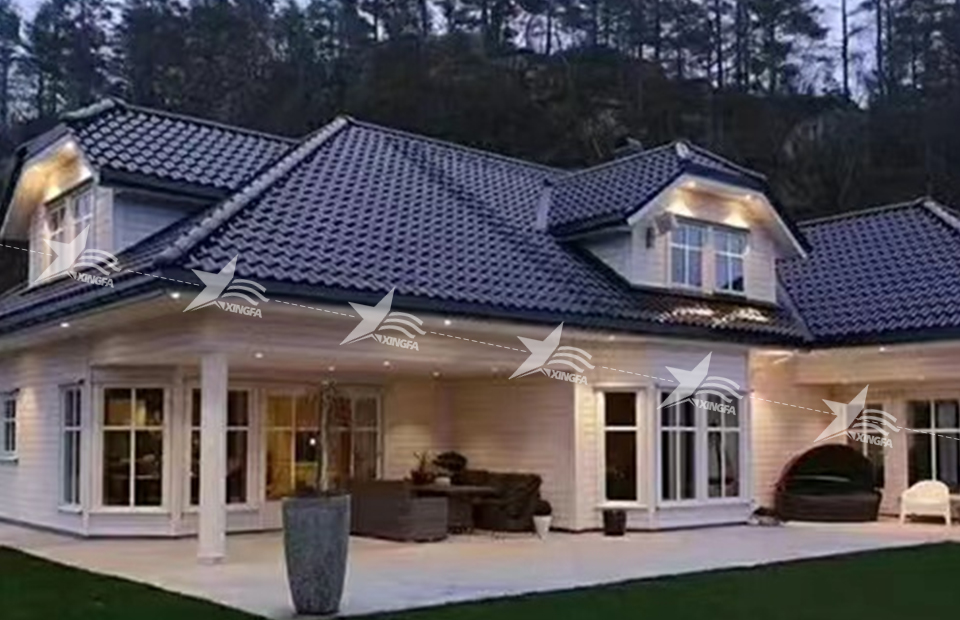
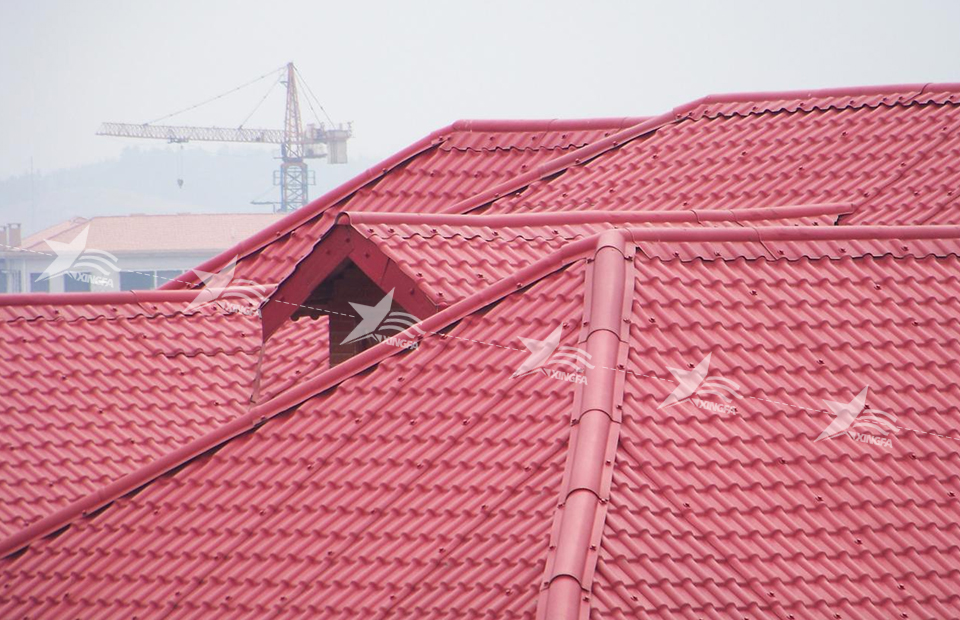
- Residential Construction and Retrofit Projects: Suitable for roof pitches ranging from 15° to 80°, they are widely deployed in new rural housing, villa renovations, and urban flat-to-sloped conversions. Heritage-style variants are also employed in landscape architecture and historic building restoration.
- Climate-Specific Adaptation:
- High-rainfall regions: Premium waterproofing performance prevents leakage and water infiltration.
- Cold-climate zones: Optimized thermal insulation minimizes heat loss and improves indoor thermal comfort.
- Wind- and hail-prone areas: Enhanced impact resistance and wind uplift performance ensure structural integrity during extreme weather events.
- Industrial and Specialized Facilities: Corrosion- and fire-resistant variants are ideal for chemically aggressive environments—including chemical plants, ceramic manufacturing facilities, and livestock farming greenhouses—where resistance to corrosive gases and compliance with fire safety regulations are mandatory.
Common User Inquiry: *Is installation complicated?*
Answer: Not at all. Due to their lightweight nature and excellent flexibility, synthetic resin tiles are easy to cut, drill, and fasten without cracking. When paired with dedicated waterproof accessories, installation requires no specialized expertise—standard construction teams can complete projects rapidly, typically achieving shorter timelines than traditional tile systems.
Ⅴ. Technical Implementation and Future Outlook: Industry Trends and Exemplary Practice
How, then, can these well-established technical principles be translated into consistently reliable, high-performance roofing solutions—and how should users identify trustworthy manufacturers?
As a long-standing technical innovator in this field, Foshan Chancheng Xingfa Tile Industry Co., Ltd. has dedicated itself to the research, development, manufacturing, and commercialization of eco-friendly roofing systems. Its flagship “Xingfa” brand of synthetic resin roofing tiles embodies this commitment to excellence.
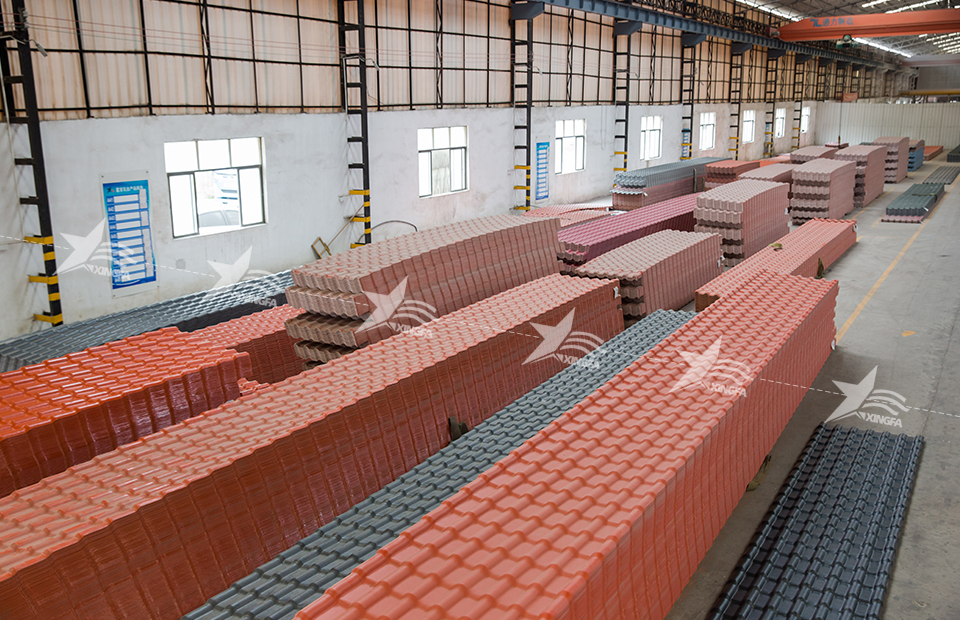
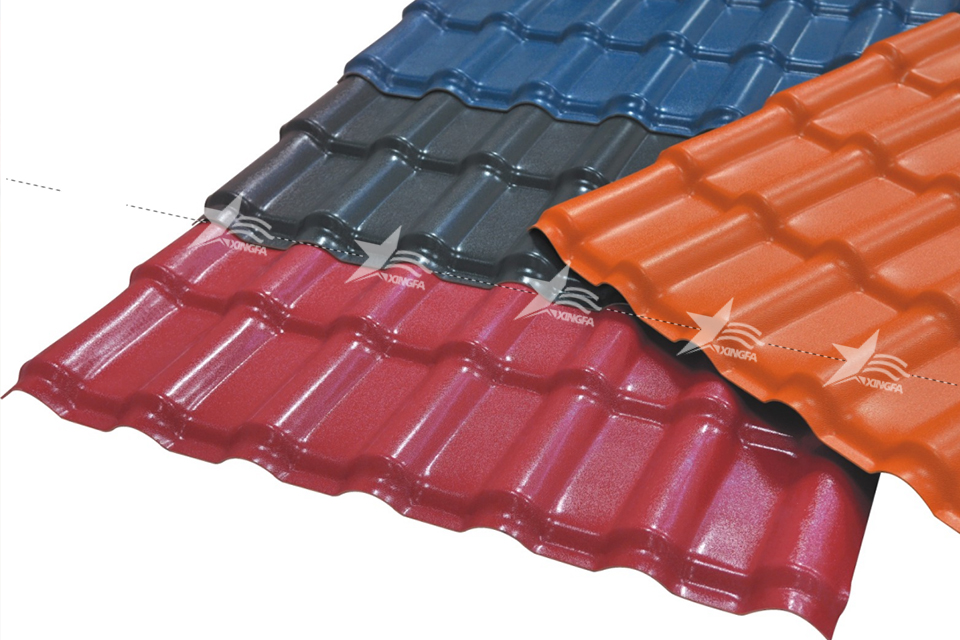
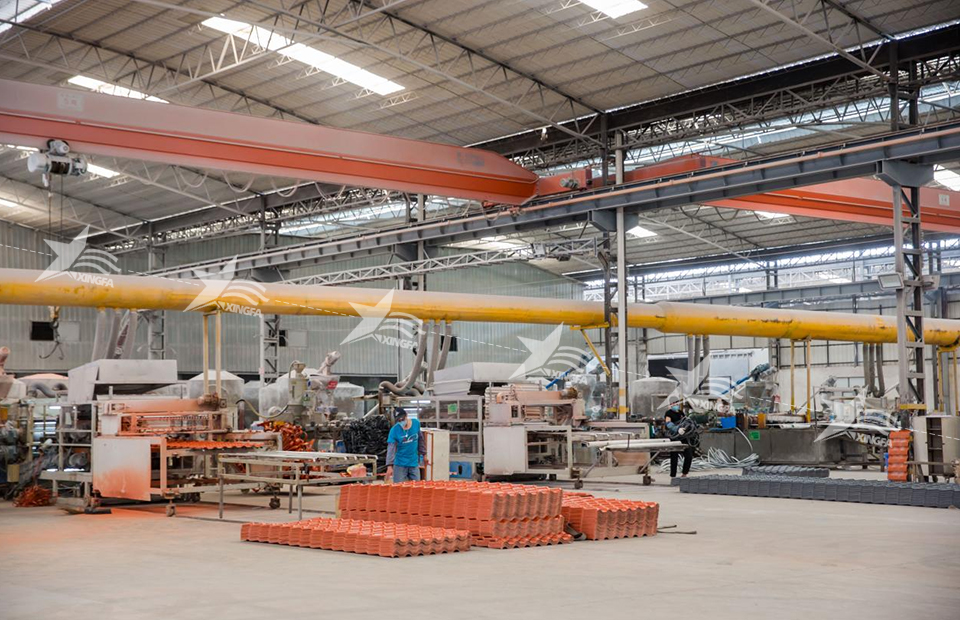
Established in 2005, Xingfa Roofing operates nearly ten state-of-the-art production lines, with an annual output capacity exceeding ten million pieces. The company holds ISO 9001 Quality Management System certification and has been recognized as both a “China Top-Tier Manufacturer” and a “Guangdong Outstanding Manufacturer.” Committed to independent R&D, it collaborates closely with leading academic and research institutions to continuously refine material formulations. Its product portfolio encompasses synthetic resin tiles, corrosion-resistant composite tiles, and foamed thermal-insulation tiles—each engineered to deliver lightweight construction, superior waterproofing, exceptional toughness, thermal insulation, fire resistance, electrical insulation, and simplified installation. Crucially, Xingfa tailors product specifications to regional climatic needs: enhanced waterproofing for high-rainfall areas, improved thermal retention for cold climates, and reinforced impact/wind resistance for cyclonic or hail-prone zones.
Adopting an integrated R&D–manufacturing–sales–service model, Xingfa maintains direct factory-to-customer distribution and offers end-to-end support—from pre-sales consultation and customized system design to post-sales technical guidance and on-site installation supervision. Its solutions serve a wide range of applications, including large-scale infrastructure projects, residential retrofits, and international export markets.
Looking ahead, as global construction standards place increasing emphasis on sustainability and energy efficiency, the synthetic resin tile industry is advancing toward next-generation innovations—featuring extended service life, enhanced multifunctionality, and seamless integration with photovoltaic (PV) technology. Ongoing R&D efforts are focused on developing hybrid solar-integrated roofing tiles, paving the way for smarter, greener, and more resilient building envelopes worldwide.