EN
EN  ES
ES  RU
RU  AR
AR In-Depth Analysis: Service Life of Synthetic Resin Roofing Tiles and Its Environmental Influencing Factors
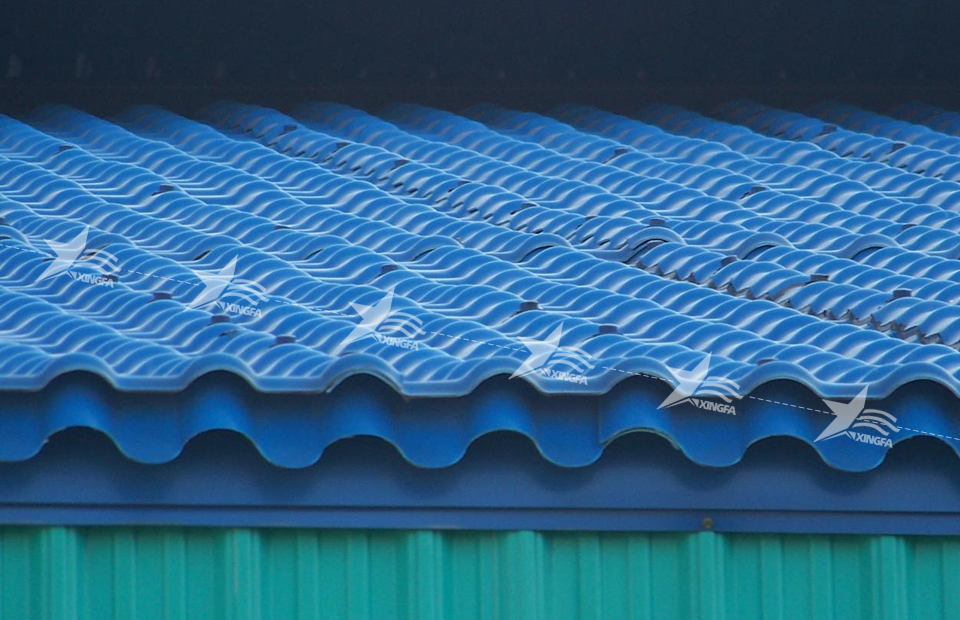
In-Depth Analysis of the Service Life of Synthetic Resin Roofing Tiles
Definition and Core Value of Resin Tile Service Life
The service life of synthetic resin roofing tiles refers to the maximum duration during which such tiles—used as roofing materials—retain their essential performance characteristics (including waterproofing capability, mechanical strength, and aesthetic integrity) under normal usage conditions and with appropriate maintenance. As a next-generation alternative to traditional clay tiles and color-coated steel sheets, synthetic resin tiles offer superior weather resistance and corrosion resistance. Their theoretical service life significantly exceeds that of conventional roofing materials, effectively addressing longstanding issues associated with traditional tiles—such as susceptibility to corrosion, rapid color fading, and frequent replacement requirements. Consequently, actual service life constitutes one of the most critical evaluation criteria for property owners and engineering contractors alike.
Fundamental Principles Governing Resin Tile Service Life
Aging Mechanism of Resin Tiles
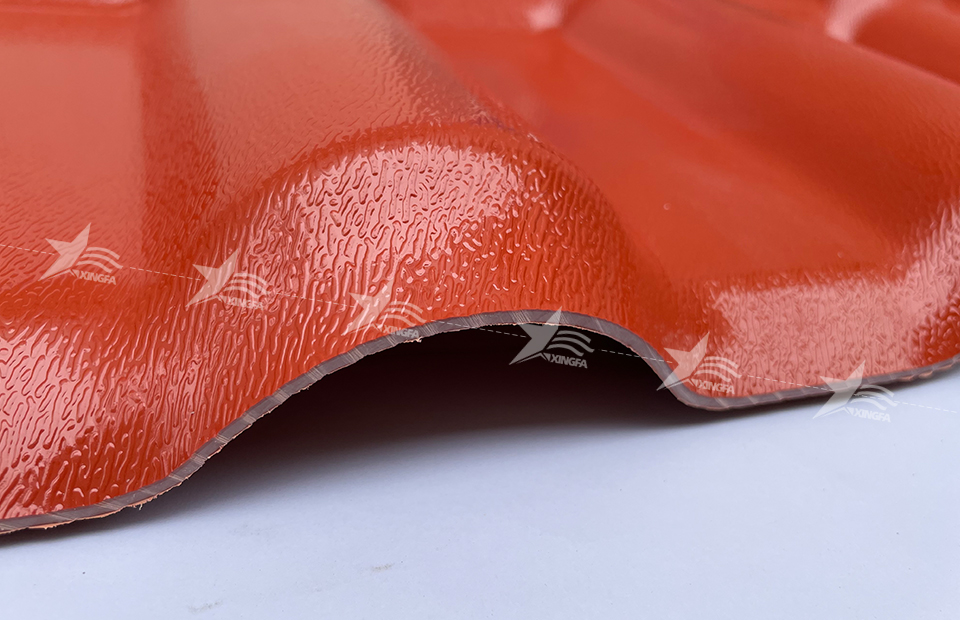
The service life of synthetic resin tiles is primarily determined by two key components: the surface anti-aging layer and the underlying substrate material. High-quality resin tiles typically feature a co-extruded ASA (acrylonitrile–styrene–acrylate) anti-aging layer on the substrate surface. This ASA layer serves as the primary protective barrier against external environmental stressors.

- Environmental aggressors—including ultraviolet (UV) radiation, acidic/alkaline substances, and salt-laden aerosols—gradually penetrate the material;
- Molecular chains within the surface ASA layer undergo scission, resulting in visible degradation phenomena such as discoloration and chalking;
- Once the protective ASA layer deteriorates, the substrate becomes directly exposed to environmental elements, leading to a progressive decline in mechanical properties;
- Ultimately, cracking, warping, and leakage occur, rendering the tile functionally obsolete.
Thus, the intensity and composition of environmental aggressors in the surrounding environment directly govern the rate of material aging—and, consequently, determine the actual service life of the resin tile.
Comparative Advantages and Challenges Regarding Service Life
Compared with conventional roofing materials, synthetic resin tiles demonstrate distinct advantages in terms of longevity:
- Versus traditional color-coated steel sheets: Steel sheets are highly vulnerable to corrosion induced by acids, alkalis, and salt spray, often exhibiting rust formation and leakage within 10 years. In contrast, premium-grade synthetic resin tiles can achieve a service life two to three times longer.
- Versus traditional clay or concrete tiles: Clay and concrete tiles are prone to weathering and cracking, with typical service lives of approximately 20 years. Moreover, their high unit weight imposes significant structural load demands on buildings. By comparison, high-performance synthetic resin tiles match or even exceed this lifespan while weighing only one-third as much—thereby reducing structural requirements and lowering installation costs.
Nevertheless, certain challenges persist: Product quality across the market varies considerably. Substandard products—manufactured using recycled raw materials or featuring an excessively thin ASA layer—exhibit markedly reduced service life under harsh environmental conditions, potentially distorting end-users’ perceptions of resin tile durability. Furthermore, extreme environments—such as coastal zones with intense salt fog or industrial areas characterized by severe chemical corrosion—place exceptionally high demands on material performance; standard-grade products may fail to meet long-service-life expectations in such settings.
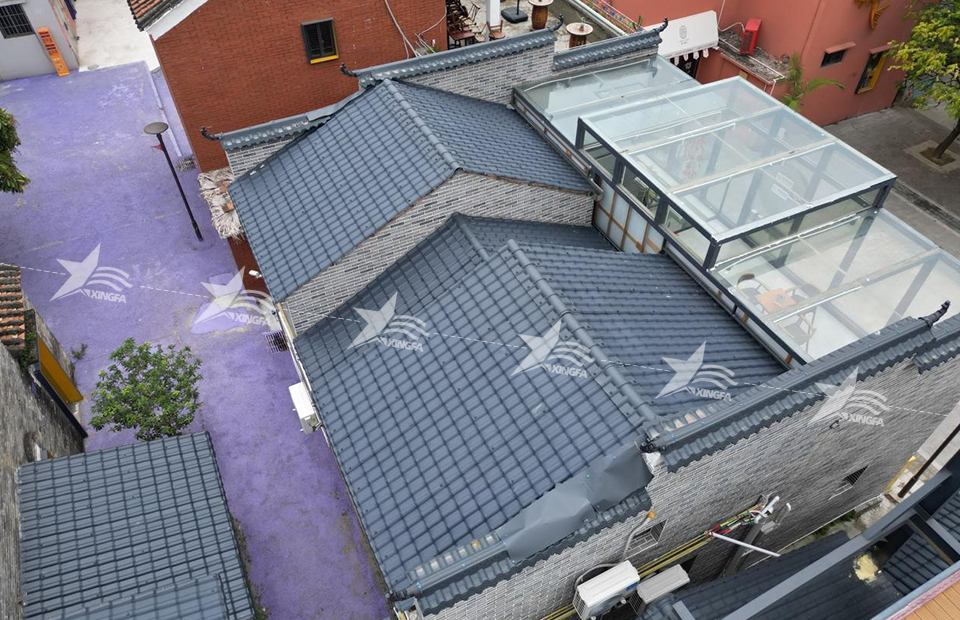
Service Life Performance Across Typical Application Scenarios
Resin tile service life exhibits notable variation depending on application context:
- Industrial Facilities and Corrosive Environments: In settings such as chemical plants, ceramic manufacturing facilities, and livestock farming greenhouses—where exposure to acids, alkalis, ammonia, and other corrosive agents is common—high-performance corrosion- and weather-resistant resin tiles can deliver service lives ranging from 15 to 30 years. Such longevity enables “install-once, maintain-minimally” operation, substantially reducing lifecycle maintenance expenditures. Conversely, low-grade alternatives may require replacement after only 3–5 years, resulting in a higher total cost of ownership.
- Residential Housing and New Rural Construction Projects: In relatively benign environments—such as rural self-built homes and urban flat-to-sloped roof conversion projects—premium resin tiles can achieve service lives of 25–35 years with virtually no post-installation maintenance required, offering greater convenience and reliability than traditional roofing solutions.
- Coastal and High-Altitude Special Environments: In coastal regions subject to heavy salt fog or at high altitudes where UV radiation is exceptionally intense, specially engineered weather-resistant resin tiles retain color stability and resist chalking for over 15 years, with overall service life extending beyond 30 years—effectively resolving the premature failure issues commonly observed with conventional roofing materials.
Technical Practice and Future Outlook: Ensuring Extended Resin Tile Service Life
How, then, can theoretical understanding of resin tile longevity be translated into consistently reliable, long-lasting roofing solutions?
As a technology-driven enterprise with 21 years of dedicated expertise in this field, Foshan Chancheng Xingfa Roofing Co., Ltd. has continuously advanced innovation to enhance the weather resistance and service life of synthetic resin tiles. Our flagship Xingfa Synthetic Resin Roofing Tiles embody this commitment. Engineered with a co-extruded ASA anti-aging layer ≥0.3 mm thick and a proprietary “Triple-Protection” formulation—designed to prevent corrosion, deformation, and cracking—and manufactured exclusively from 100% virgin raw materials, these tiles deliver exceptional long-term durability. Even in highly demanding environments—including chemical industrial zones and coastal salt-fog regions—they maintain color stability and resist chalking for over 15 years, backed by a comprehensive product warranty of up to 35 years—ensuring robust performance across diverse application scenarios.
Looking ahead, ongoing optimization of resin formulations and manufacturing processes will enable increasingly sophisticated, climate-specific product customization. As a result, the service life of synthetic resin tiles is expected to extend further, providing more durable, energy-efficient, and sustainable roofing solutions for green building initiatives worldwide.