EN
EN  ES
ES  RU
RU  AR
AR Resin Roof Tile Lifespan: In-Depth Analysis of Installation Impacts
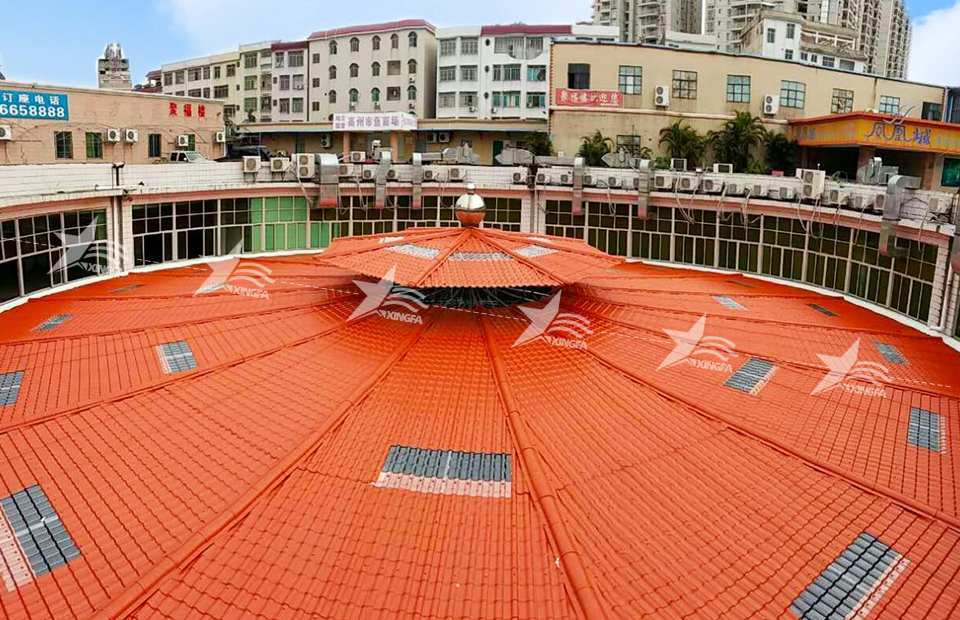
What Is Resin Roof Tile Lifespan, and Why Is Installation So Critical?
Resin roof tiles represent a new generation of eco-friendly roofing materials. Their lifespan refers to the effective service period during which the tiles reliably fulfill both protective and aesthetic functions under natural environmental conditions. Compared with traditional alternatives—such as color-coated steel sheets and clay tiles—high-quality resin roof tiles boast a theoretical service life spanning several decades. However, in practice, premature failure is frequently observed, with non-compliant installation being the primary contributing factor. Even top-tier resin tiles can experience a reduction in service life by more than 50% due to installation deficiencies. Therefore, a clear understanding of how installation practices influence tile longevity is essential for maximizing roof system durability and minimizing long-term maintenance costs.
Core Mechanism Analysis: How Do Installation Factors Affect Resin Roof Tile Lifespan?
Many users question whether resin roof tile lifespan is truly influenced by installation quality. The answer is unequivocally yes—and the correlation is profound.
A resin roof tile’s service life results from the interplay between its inherent material performance (“intrinsic capability”) and the degree of protection afforded by proper installation (“post-installation safeguarding”). Correct installation effectively distributes structural stresses, prevents unintended mechanical damage, and enables the tile to fully realize its core functional properties. Conversely, substandard practices—such as an uneven substrate or purlin spacing exceeding design specifications—induce uneven load distribution, leading to deformation, cracking, and subsequent water infiltration. Once moisture penetrates, it accelerates material degradation, directly shortening the tile’s operational lifespan. Thus, compliant installation is not merely beneficial—it is fundamental to preserving the tile’s intrinsic longevity; poor installation, by contrast, actively depletes that potential.
Does Roof Pitch Affect Resin Roof Tile Lifespan?
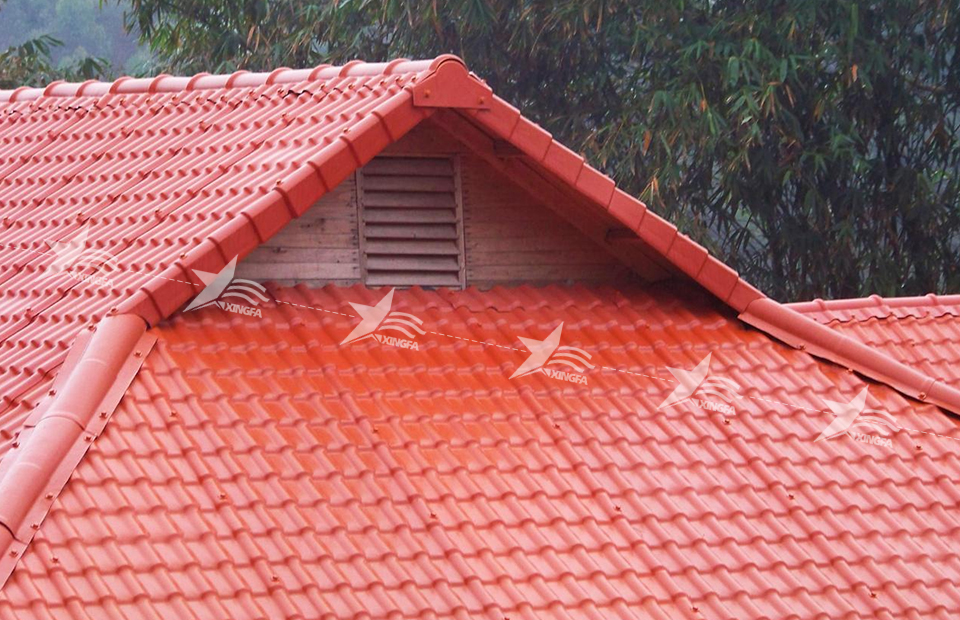
Roof pitch exerts a direct and significant influence on resin roof tile lifespan. These tiles rely on gravity-driven runoff for effective drainage. Industry standards stipulate a minimum pitch of 15°. Insufficient pitch impedes drainage, resulting in ponding and increased risk of leakage—both of which accelerate surface aging. Excessively steep pitches (beyond 45°) elevate downward sliding forces, potentially causing fastener loosening and tile displacement—also compromising longevity. An optimal pitch range of 15°–30° is therefore recommended as a foundational requirement for maximizing service life.
Do Fastening and Overlap Methods Impact Resin Roof Tile Lifespan?
Fastening and overlap methods constitute critical technical details—yet they are among the most commonly overlooked aspects of installation.
Oversized pilot holes, under-torqued or over-torqued fasteners, and improper fastener selection all interfere with the tile’s natural thermal expansion and contraction (typical linear expansion coefficient: 3%–5%). Over time, such constraints induce stress concentrations, leading to cracking, leakage, and accelerated aging. Compliant fastening requires deliberate provision of adequate expansion clearance, use of manufacturer-recommended specialized fasteners, and precise torque control to ensure secure yet non-restrictive fixation.
Insufficient overlap width (less than 100 mm) or incorrect overlap direction compromises waterproofing integrity, permitting backflow of rainwater and accelerating deterioration and leakage. Proper overlap must follow the direction of water flow, maintain a minimum width of 100 mm, and incorporate supplementary sealing at critical junctions. The rigor of this practice directly determines both the roof’s waterproofing efficacy and its overall service life.
Is Resin Roof Tile Lifespan Linked to Installer Expertise and Quality Assurance Standards?
Installer expertise directly governs construction quality. Inexperienced personnel are prone to errors in pitch setting, fastening, and overlap execution—introducing latent risks that undermine long-term performance. By contrast, seasoned professionals possess the technical acumen to precisely execute all critical installation parameters, thereby proactively mitigating failure modes.
Rigorous, objective acceptance criteria are equally indispensable. Systematic inspection and verification enable early identification and correction of installation defects—ensuring quality assurance at the source. Where acceptance procedures are perfunctory or inadequately enforced, latent flaws inevitably manifest as rapid post-commissioning failures, drastically curtailing service life.
Comprehensive Assessment: The Core Logic Behind Extending Resin Roof Tile Lifespan
Extending the service life of resin roof tiles hinges fundamentally on the synergistic integration of “premium product quality” and “compliant installation”—two interdependent, non-substitutable pillars:
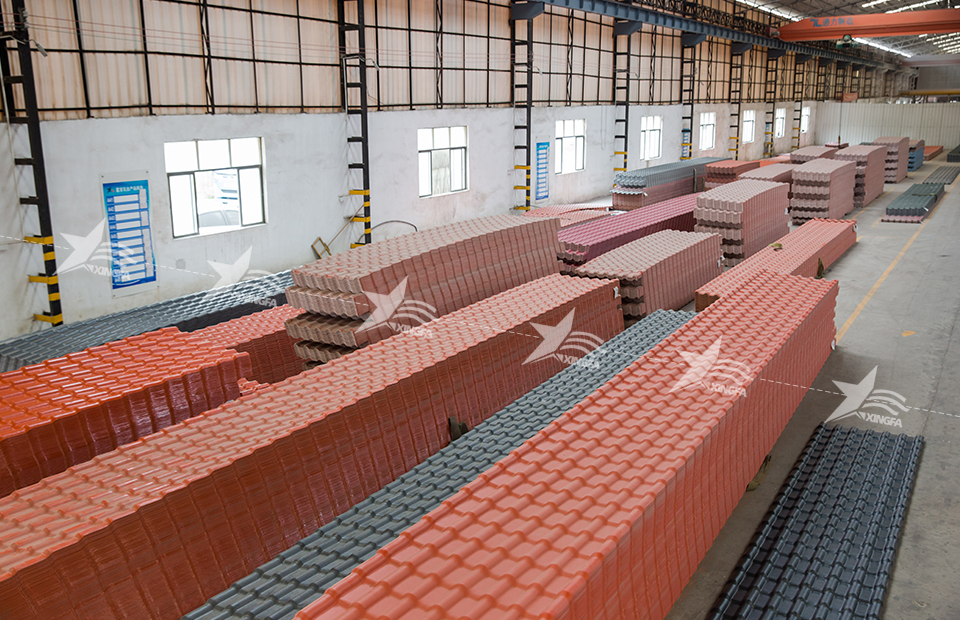
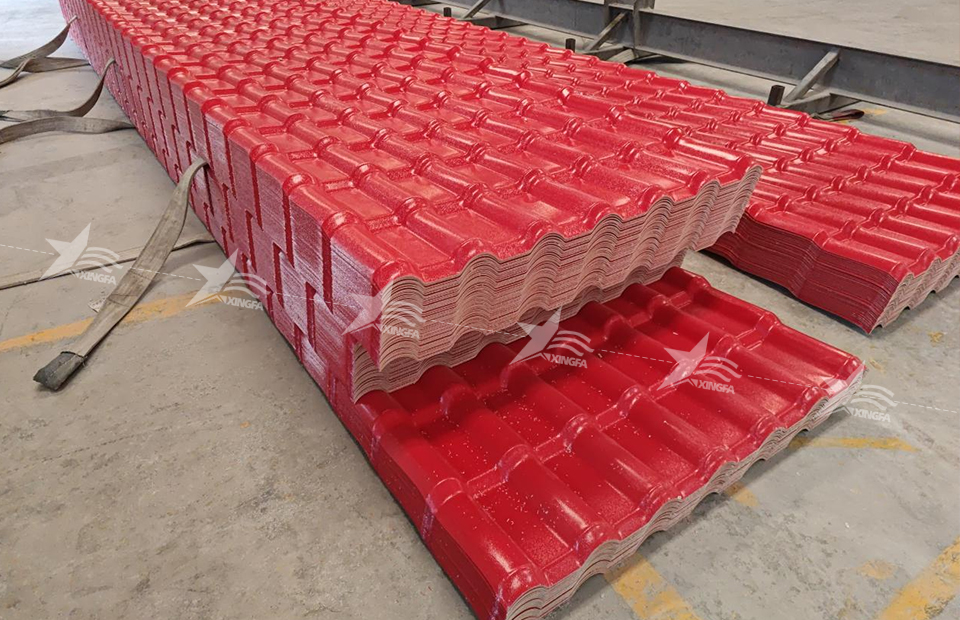
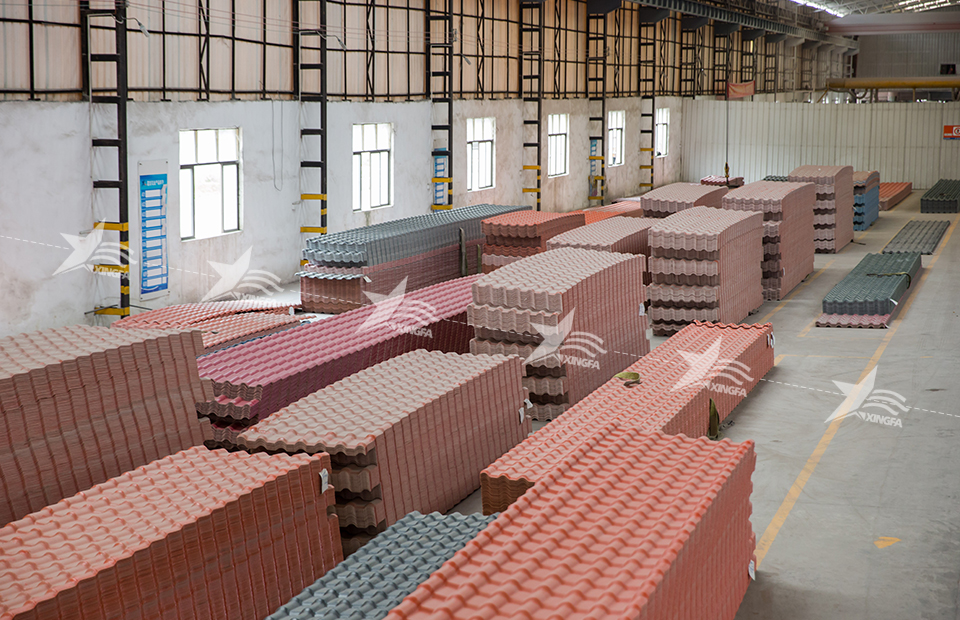
- Product quality forms the foundation: High-grade resin tiles—engineered through scientifically optimized formulations and precision manufacturing—possess inherent resistance to UV degradation, thermal cycling, and mechanical deformation. Substandard materials, however, cannot achieve their designed service life—even when installed flawlessly.
- Compliant installation is the decisive enabler: Even superior products will fail prematurely if improperly installed. Conversely, meticulous adherence to installation protocols maximizes material performance and has been empirically shown to extend service life by 10%–30%.
In essence, product quality represents the “inherent potential,” while compliant installation serves as the “essential safeguard.” Only their harmonious integration ensures that resin roof tiles meet—and potentially exceed—their intended service life.
Which Scenarios Demand Heightened Attention to Installation Quality?
The following three scenarios warrant especially rigorous attention to installation compliance, as installation quality exerts a disproportionately strong influence on service life in these contexts:
- Coastal regions with high salinity and fog, or industrial zones with aggressive chemical corrosion: Such environments impose severe demands on surface integrity. Non-compliant installation increases vulnerability to corrosive ingress; conversely, precise installation—including optimized drainage pathways and robust sealing—significantly retards corrosion progression.
- Steep-pitch roofs and large-span industrial buildings: These applications place heightened demands on mechanical anchorage and load distribution. Improper installation heightens the risk of fastener fatigue, tile slippage, and structural instability; compliant installation ensures long-term mechanical reliability and safety.
- Retrofit projects converting flat roofs to pitched roofs, and rural self-built housing initiatives: These settings often involve variable site conditions and inconsistent contractor capabilities. Strict adherence to installation standards minimizes the need for recurrent repairs and guarantees sustained, trouble-free performance over the long term.