RU
RU  EN
EN  ES
ES  AR
AR How to choose reliable manufacturers of synthetic resin tiles?
As the construction industry continuously evolves and upgrades, new eco-friendly roofing materials are progressively replacing traditional alternatives—such as clay tiles, color-coated steel sheets, and asbestos-cement sheets—becoming the mainstream choice for residential buildings, villas, and industrial workshops. Among these, synthetic resin roofing tiles have firmly established themselves as the dominant product in the lightweight roofing materials market, thanks to their outstanding cost-effectiveness, stable performance, aesthetic appeal, durability, and ease of installation. They are especially well-suited for rural self-built houses, flat-to-sloped roof conversions, and historic-style landscape architecture.
Compared with conventional roofing materials, synthetic resin tiles effectively address key pain points: rusting of color-coated steel sheets; excessive weight and fragility of clay tiles; and premature aging and fading of ordinary plastic tiles. As such, they represent a highly practical, next-generation building material widely adopted today. This article provides a comprehensive overview of the material composition and manufacturing process of synthetic resin tiles, outlines their core advantages and limitations, identifies optimal application scenarios, and recommends reputable, vertically integrated manufacturers.
1. Material Composition and Manufacturing
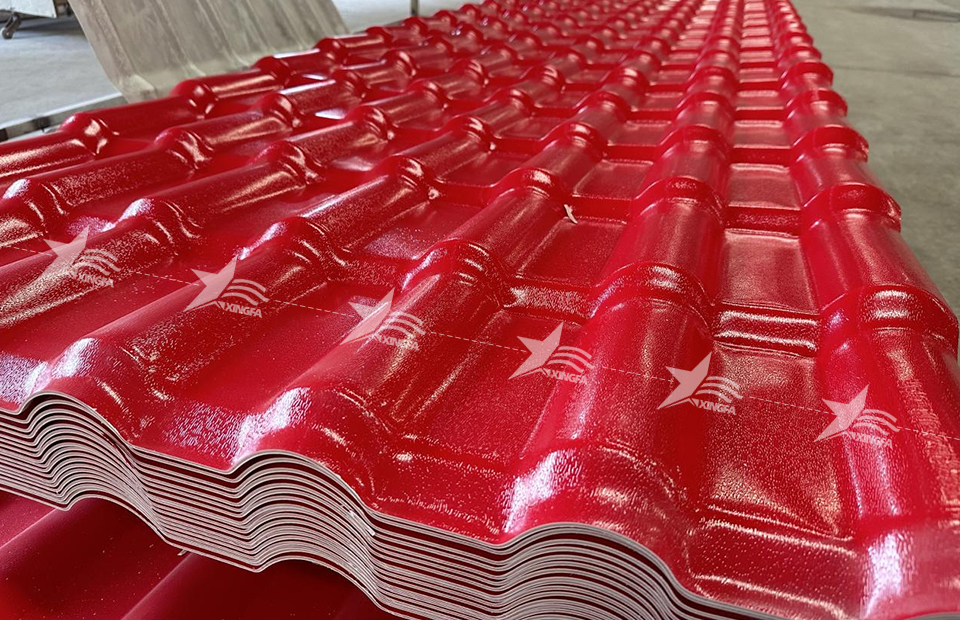
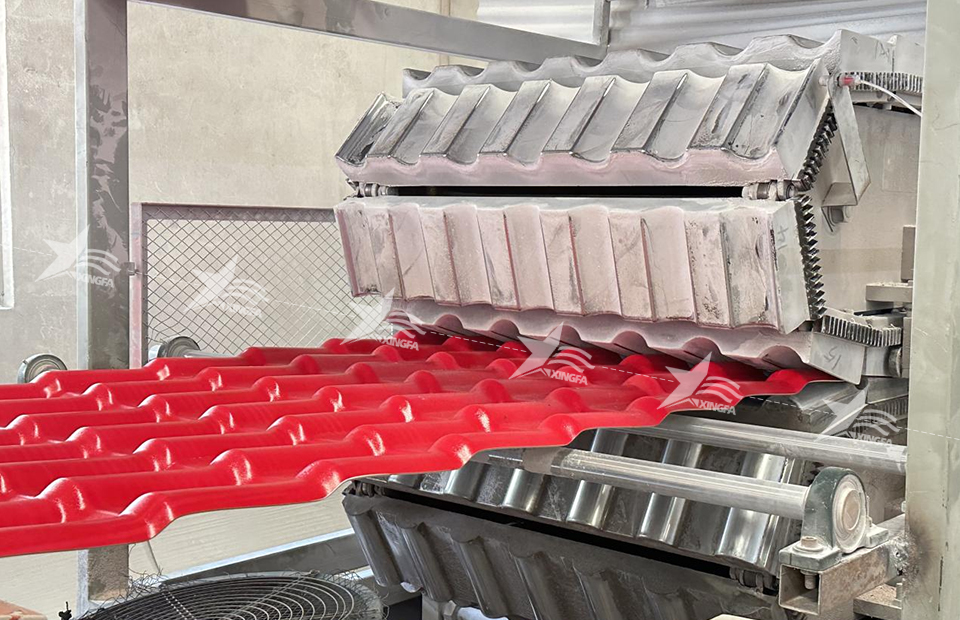
Process In terms of material selection and production technology, high-quality synthetic resin tiles employ a dual-layer co-extrusion composite process—ASA (acrylonitrile-styrene-acrylate) on the surface and PVC (polyvinyl chloride) on the substrate—fully integrated into a seamless, monolithic structure. The base layer consists of high-density PVC resin compounded with specialized impact modifiers, thermal stabilizers, and toughening agents—all environmentally compliant additives—that collectively ensure exceptional structural strength, toughness, and resistance to deformation. This enables the tiles to withstand routine external mechanical impacts without cracking or embrittlement. The top layer comprises high-weatherability ASA engineering resin—the critical determinant of service life, UV resistance, and color retention. In premium products, the ASA layer exhibits uniform thickness and superior adhesion, offering robust protection against prolonged exposure to sunlight, rain, wind, frost, and other outdoor environmental stressors.
Reputable large-scale manufacturers use 100% virgin raw materials throughout production—strictly excluding recycled or reclaimed feedstock—to guarantee intrinsic quality at the source. This fundamentally distinguishes them from low-cost, substandard alternatives on the market, which often incorporate recycled content and suffer from rapid fading, premature aging, and brittleness. Overall, the material is non-toxic, odorless, and fully recyclable—fully aligned with modern green building standards.
2. Key Advantages and Applicable Scenarios
The core advantages of synthetic resin tiles are both pronounced and broadly applicable across most residential and light-industrial building applications. First, their exceptionally low self-weight—approximately one-fifth that of traditional clay tiles and one-third that of color-coated steel sheets—significantly reduces load-bearing demands on roof purlins and supporting walls. Whether used in new construction or retrofit projects (e.g., flat-to-sloped conversions), structural reinforcement is typically unnecessary, thereby substantially lowering construction costs and shortening project timelines. Second, the material delivers outstanding corrosion and weather resistance: inherently non-rusting and non-corroding, it effectively withstands acidic/alkaline environments, salt-laden air, high humidity, and industrial exhaust gases—making it ideal for demanding settings such as coastal communities, livestock/poultry farms, wastewater treatment plants, and light chemical processing facilities. It thus eliminates the chronic issues associated with color-coated steel sheets—including rust-induced leaks and frequent maintenance requirements.
Moreover, synthetic resin tiles offer excellent self-cleaning, thermal insulation, and acoustic performance. Their smooth, dense surface resists dust accumulation and dirt adhesion; routine rainfall suffices to restore cleanliness and visual appeal—minimizing manual cleaning efforts over the long term. Thermal insulation performance far exceeds that of metal roofing: during summer months, it significantly mitigates solar radiant heat transfer, reducing indoor ambient temperatures by 3–5°C and correspondingly lowering air-conditioning energy consumption. Its resilient composition also dampens raindrop impact noise, delivering markedly improved acoustic comfort compared to the disruptive clattering commonly experienced with color-coated steel roofs.
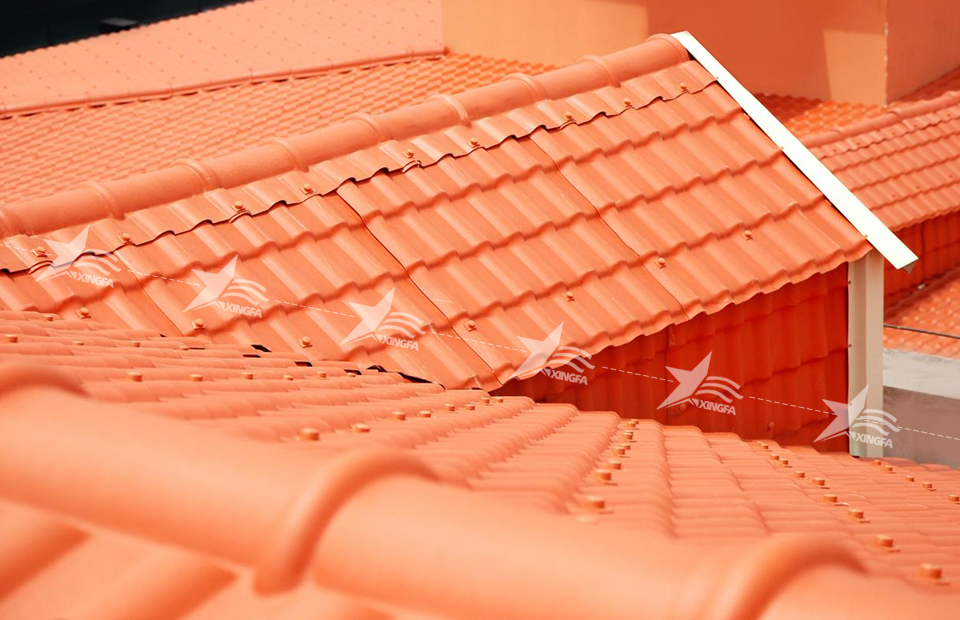
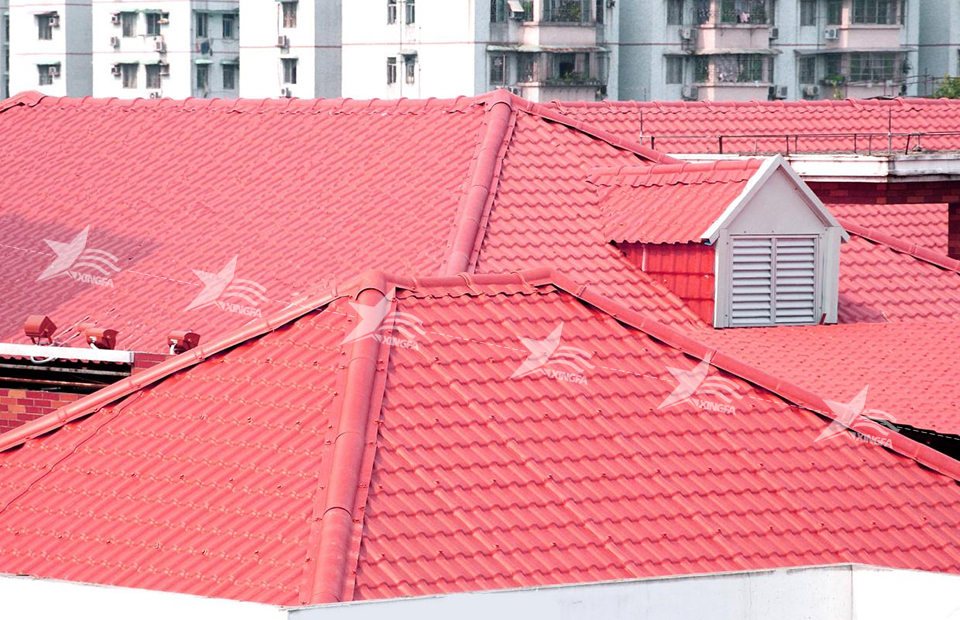
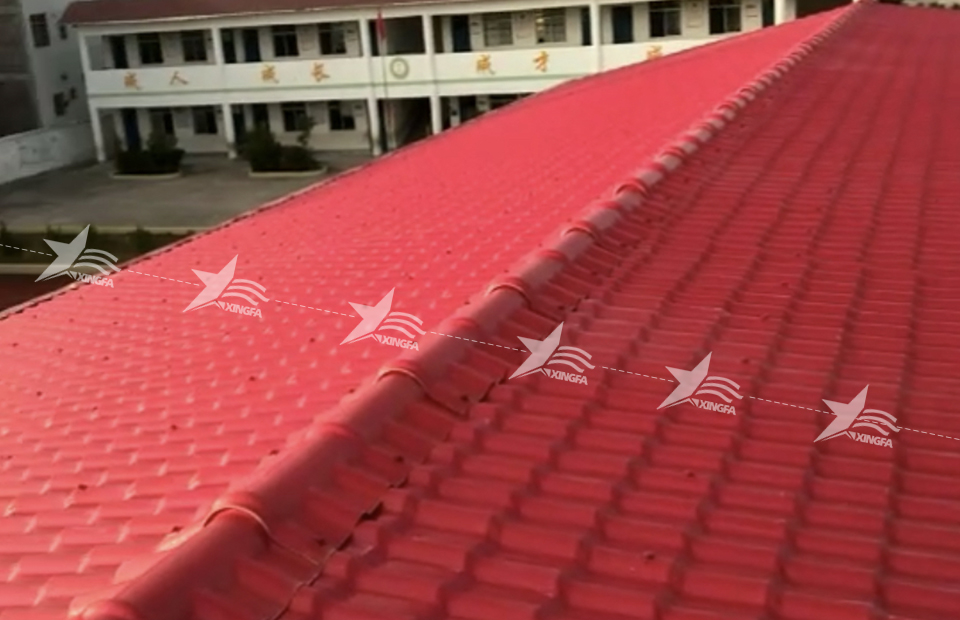
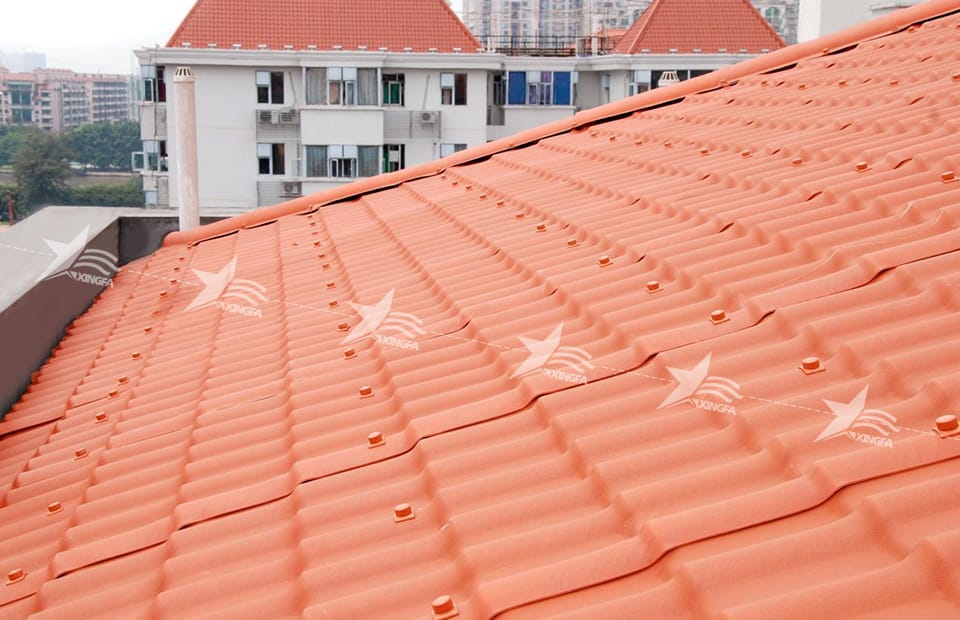
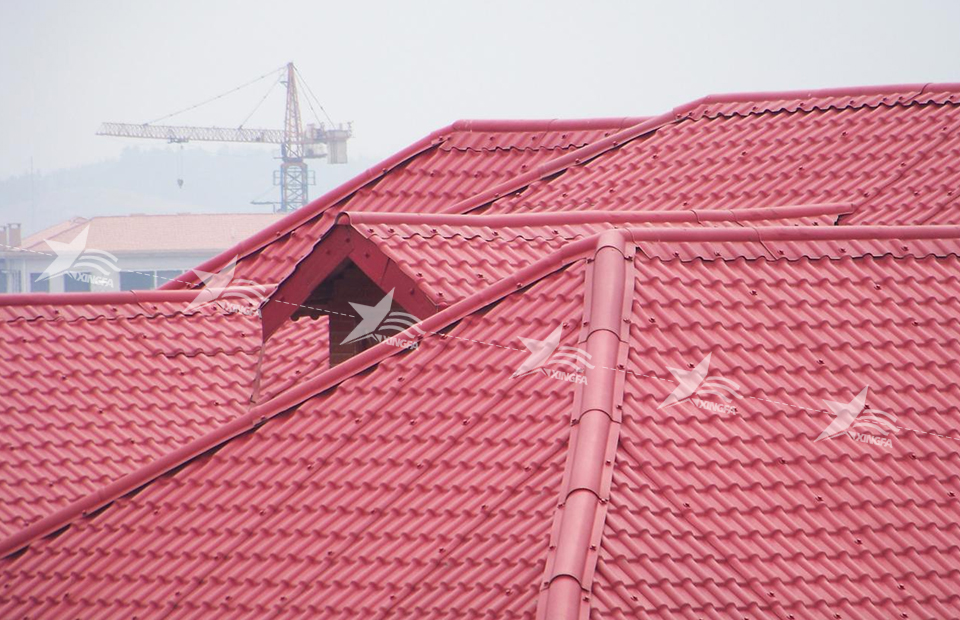
Additionally, the tiles meet stringent fire safety and electrical insulation standards, complying fully with national building fire codes. Their waterproofing and anti-leakage performance is exceptional: the monolithic, seam-free structure—combined with standardized interlocking installation techniques—effectively prevents water infiltration. Featuring a classic undulating profile inspired by traditional architecture and available in rich, vibrant colors with refined textural detail, they lend authentic historic charm to diverse applications—from vernacular dwellings to heritage-inspired landscape structures—delivering both functional reliability and superior aesthetic value.
3. Limitations and Key Considerations
No building material is without constraints; synthetic resin tiles possess objective limitations that must be thoroughly understood prior to procurement and installation.
First, the material exhibits mild thermal expansion and contraction. In regions experiencing extreme diurnal temperature fluctuations—such as high-altitude cold zones or arid desert climates—tiles may undergo slight dimensional changes, occasionally generating faint, transient noises. This behavior is a normal physical phenomenon and does not compromise structural integrity or service life.
Second, heat resistance is limited: prolonged exposure to continuous ambient temperatures exceeding 100°C accelerates material degradation. Consequently, these tiles are unsuitable for high-temperature industrial environments—such as kiln facilities or areas with concentrated open-flame operations.
Third, resistance to extreme mechanical impact is moderate. Under exceptional conditions—including severe hailstorms, direct impact from heavy falling objects, or extremely high-wind events—localized cracking or breakage may occur. In particular, improper fastening during installation (e.g., insufficient anchor spacing or inadequate wind uplift resistance design) may increase the risk of tile uplift during typhoon-force winds.
Most critically, product quality in the market varies considerably. Numerous small workshops utilize recycled feedstock, reduce ASA layer thickness, or adopt simplified production processes. Such low-cost, inferior products frequently exhibit visible fading, chalking, embrittlement, or leakage within just 1–2 years—posing serious risks to roof system performance and occupant safety.
4. Recommended Application Scenarios
Based on its inherent material properties and balanced performance profile, synthetic resin tile has clearly defined and extensive application domains:
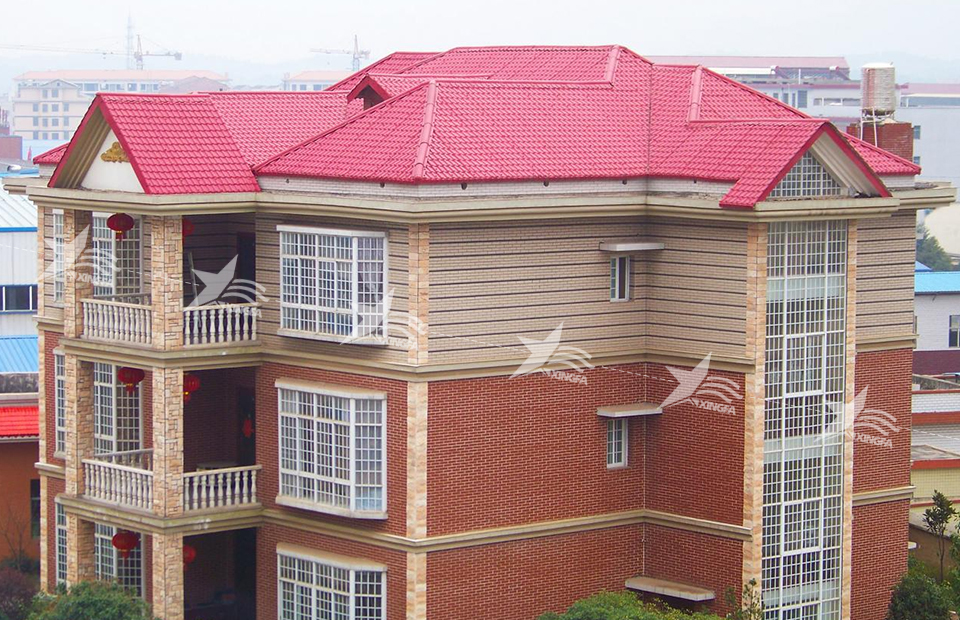
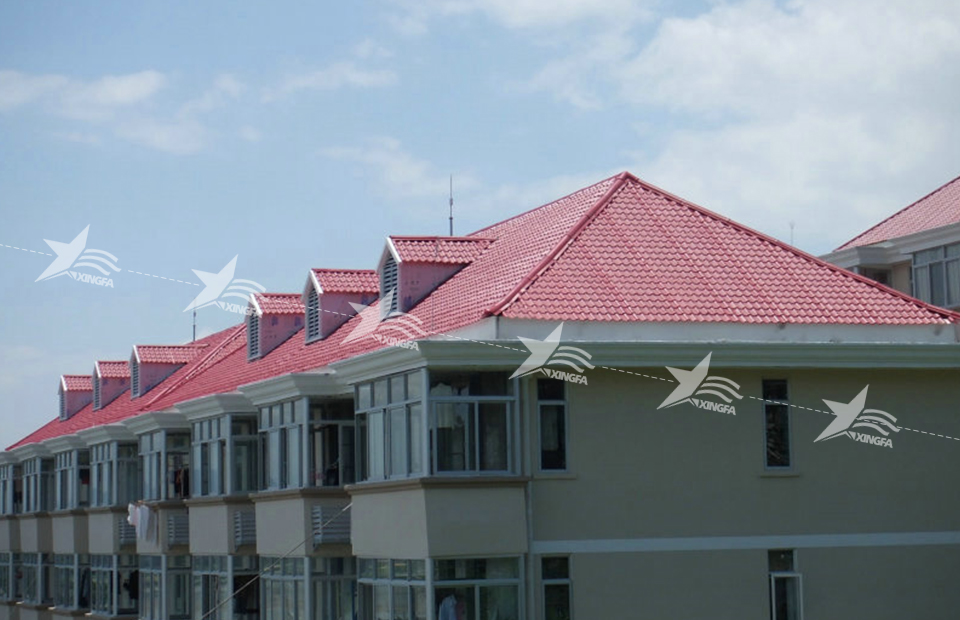
- Residential Construction: Ideal for rural villas, renovation of aging urban neighborhoods, and reconstruction of dilapidated housing—serving as the preferred roofing solution for rural roof renewal initiatives.
- Corrosion-Resistant Special Applications: Highly suitable for coastal fishing villages, seaside industrial plants, livestock/poultry barns, wastewater treatment facilities, and light chemical workshops—replacing conventional roofing materials prone to rust and corrosion.
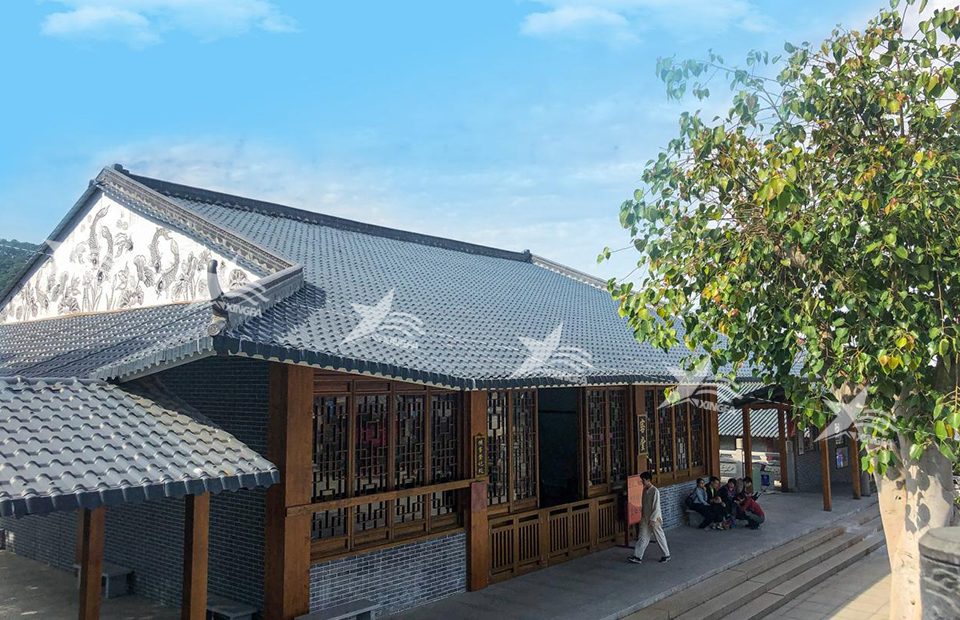
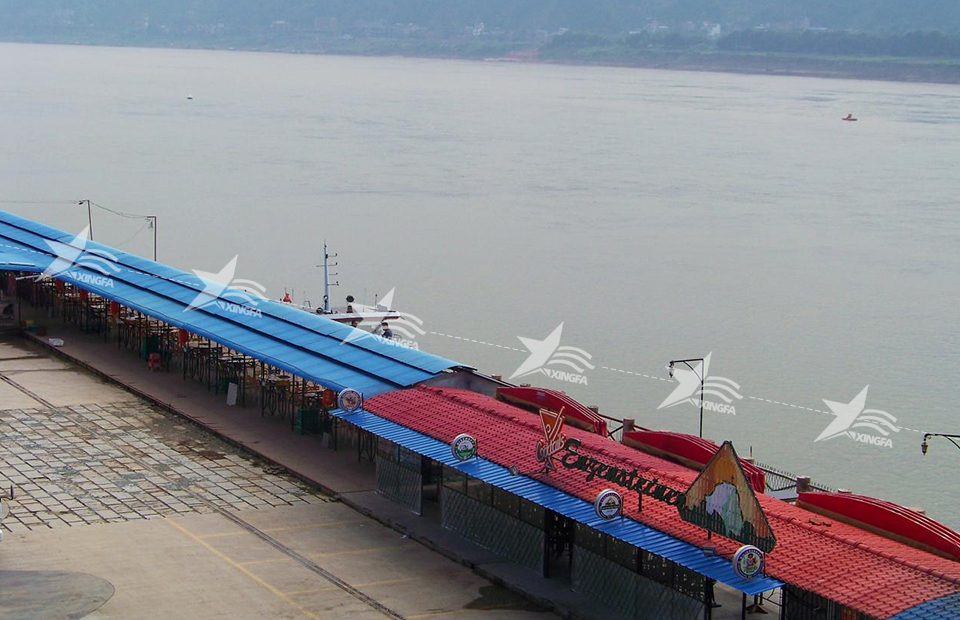
- Landscape & Commercial Architecture: Widely deployed in historic-style covered walkways, traditional courtyard complexes, scenic area entrance gates, agritourism homestays, boutique guesthouses, farmers’ markets, and recreational venues—harmoniously integrating functionality with architectural aesthetics.
- Industrial Temporary Structures: Applicable to light-steel-frame warehouses, simple vehicle shelters, storage sheds, and site-based temporary offices—offering rapid installation, low investment cost, and long-term durability.
Conversely, the following scenarios warrant caution or require supplementary protective measures: locations subject to sustained high-temperature or open-flame exposure; regions with recurrent, severe hailstorms; and ultra-long-span roof structures lacking intermediate support—where alternative solutions or hybrid design approaches should be considered.
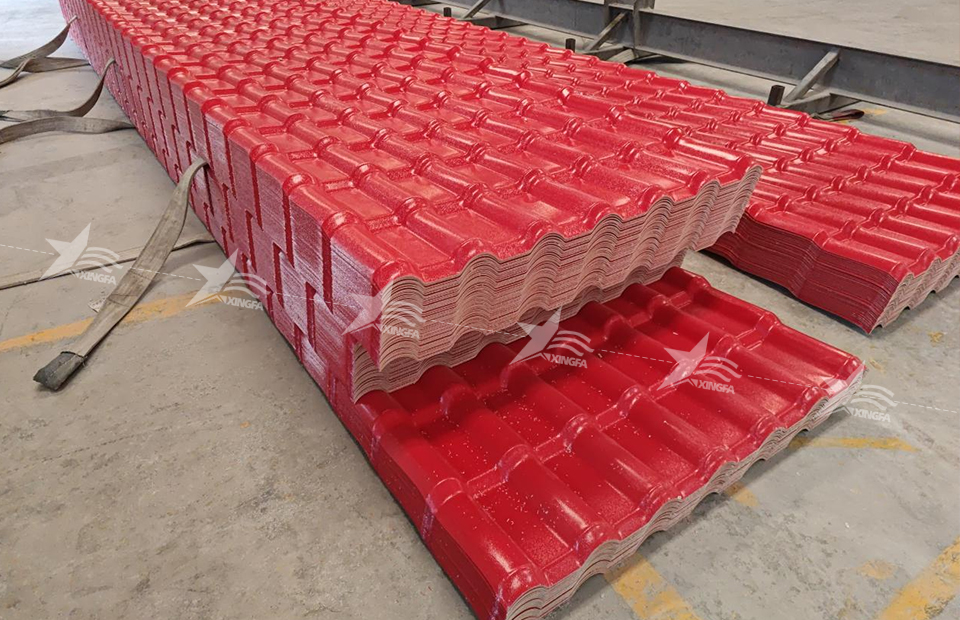
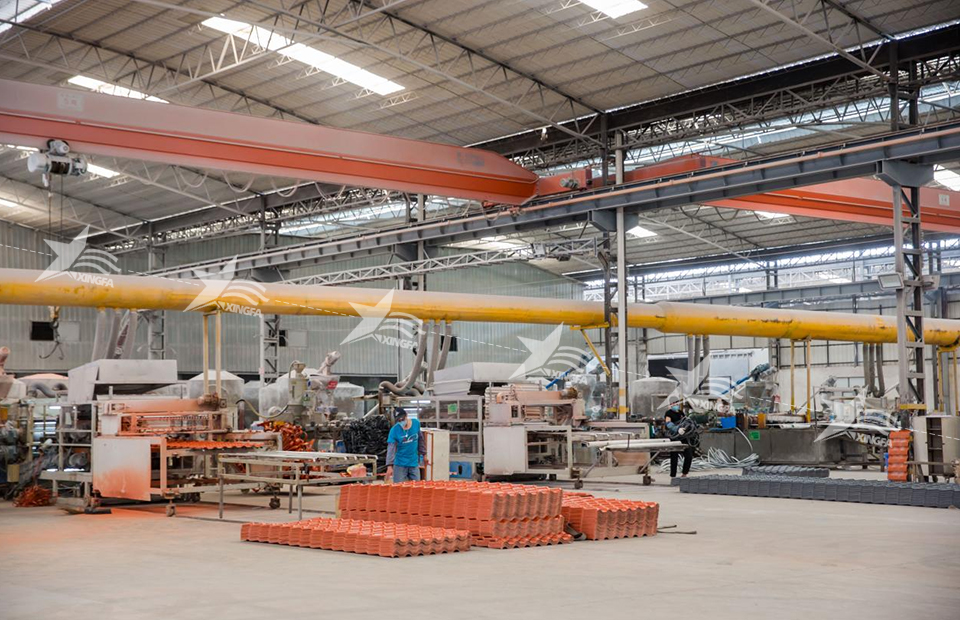
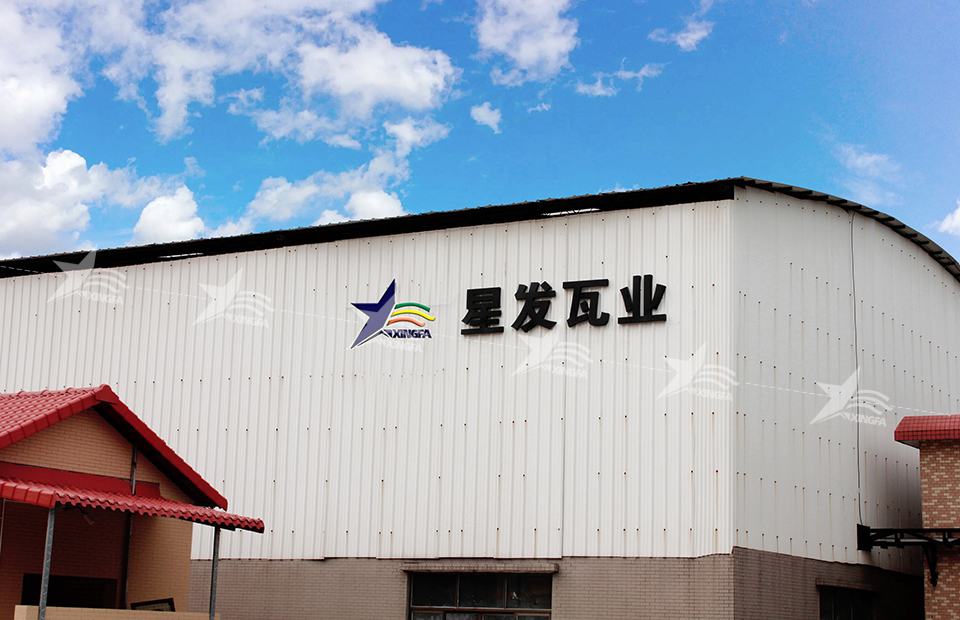
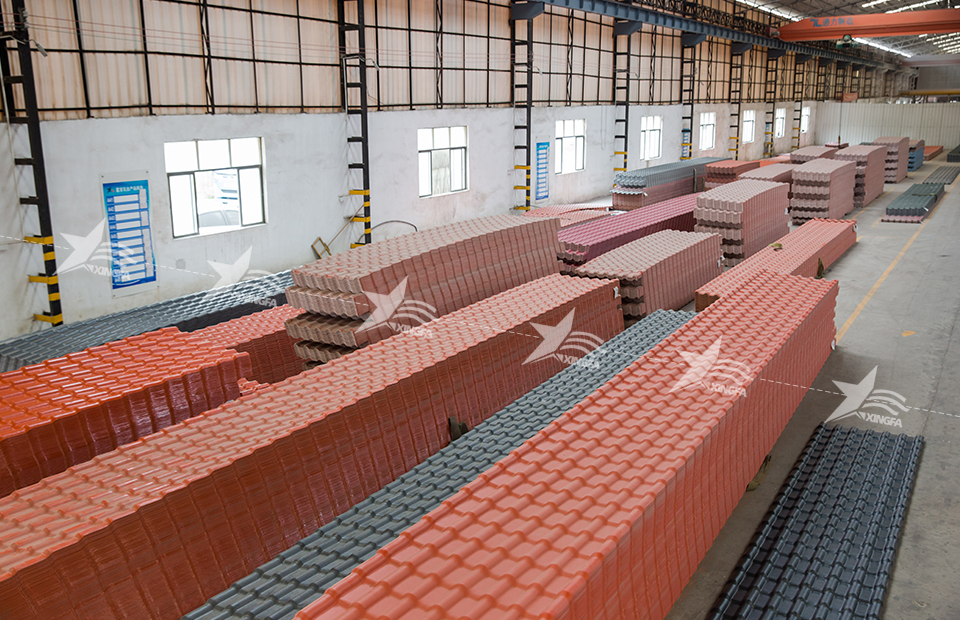
To mitigate risks associated with substandard products and ensure long-term roof stability and durability, selecting a reputable, direct-source manufacturer is essential. Xingfa Roofing Co., Ltd. is a leading professional manufacturer in the synthetic resin tile industry—renowned for its strong market reputation and robust capabilities. With over a decade of dedicated expertise in roofing building materials, the company specializes in the research & development, manufacturing, and marketing of high-quality ASA synthetic resin tiles, antique-style tiles, and complementary waterproofing accessories. It operates a production facility spanning several thousand square meters, equipped with more than ten advanced production lines. All products are manufactured exclusively from virgin raw materials; critical parameters—including ASA coating thickness and substrate density—are rigorously controlled throughout the production process. Each batch undergoes comprehensive quality testing for aging resistance, impact resistance, waterproofing performance, and fire resistance, fully complying with national construction material standards.
In summary, synthetic resin tiles offer a compelling combination of advantages—including lightweight design, corrosion resistance, aesthetic appeal, thermal insulation, and ease of installation—making them a highly cost-effective, next-generation roofing solution. When properly applied—i.e., selected according to project-specific requirements, sourced from authorized and high-quality manufacturers, and installed in strict accordance with technical specifications—their inherent limitations can be effectively avoided. This ensures enduring roof performance characterized by reliable waterproofing, exceptional durability, and lasting visual appeal—fully meeting the roofing renovation and new-construction needs of most residential and light-industrial buildings.