

 RU
RU  EN
EN  ES
ES  AR
AR In recent years, with the advancement of environmental protection policies, the supply of raw materials at the upstream has become tight, and prices have continued to soar. The production cost of synthetic resin shingles has also been constantly increasing. However, to pursue sales volume and profits, some manufacturers have adopted improper methods to produce inferior products, aiming to attract consumers with low prices.
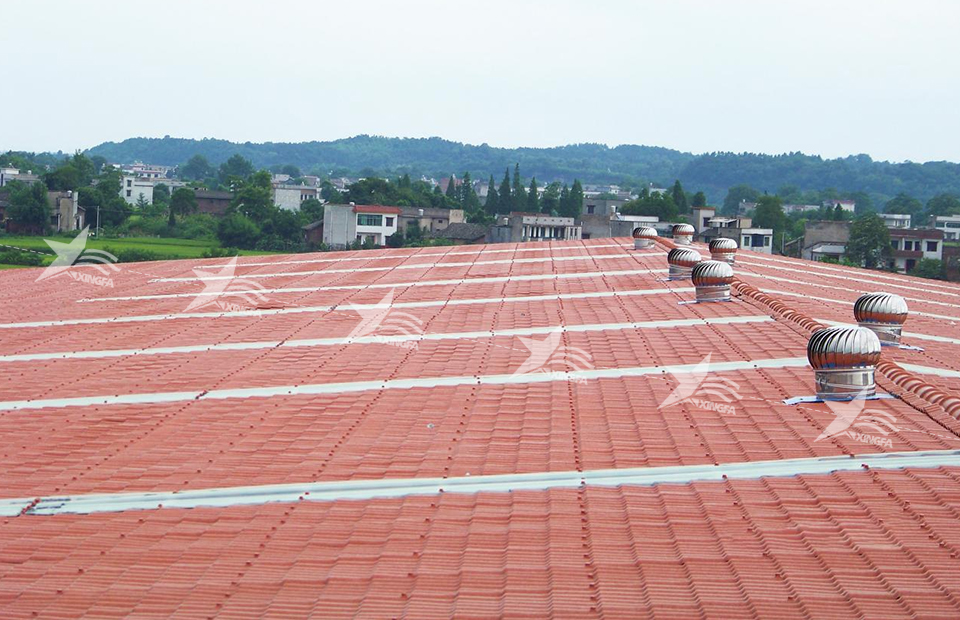
The hidden dangers of substandard resin shingles:
Many consumers choose low-priced synthetic resin shingles. After using them for a period of time, they discover serious problems:
Fast fading: The originally bright color of the shingles gradually becomes dull and even discolored.
Short lifespan: Poor-quality shingles may develop cracks and peeling paint within one year due to aging.
The fundamental cause of these problems lies in the substandard materials used for the synthetic resin tiles:
Surface material does not meet standards: High-quality synthetic resin tiles use imported ASA film, whose thickness and composition must comply with national standards to ensure weather resistance and color retention. However, some manufacturers, in an attempt to cut costs, use films with a thickness less than one-quarter of the national standard, or even replace them with non-weather-resistant materials like ABS.
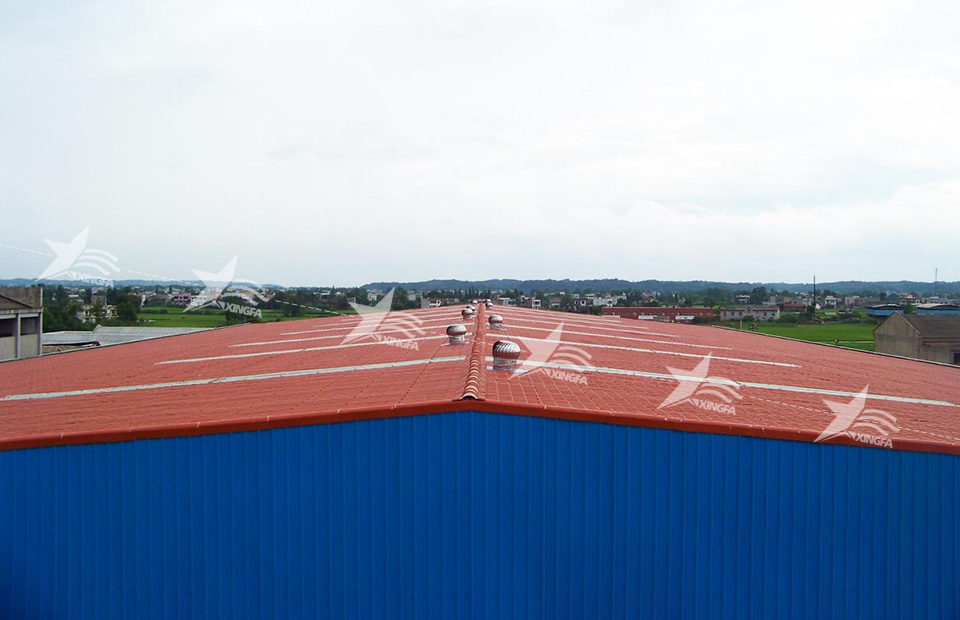
Cutting corners: Inferior resin tiles contain recycled materials or other impurities, resulting in insufficient strength and shortened lifespan.