НОВОСТИ
Why UPVC Roofing Tiles Are Widely Adopted in Hot, Arid Climates
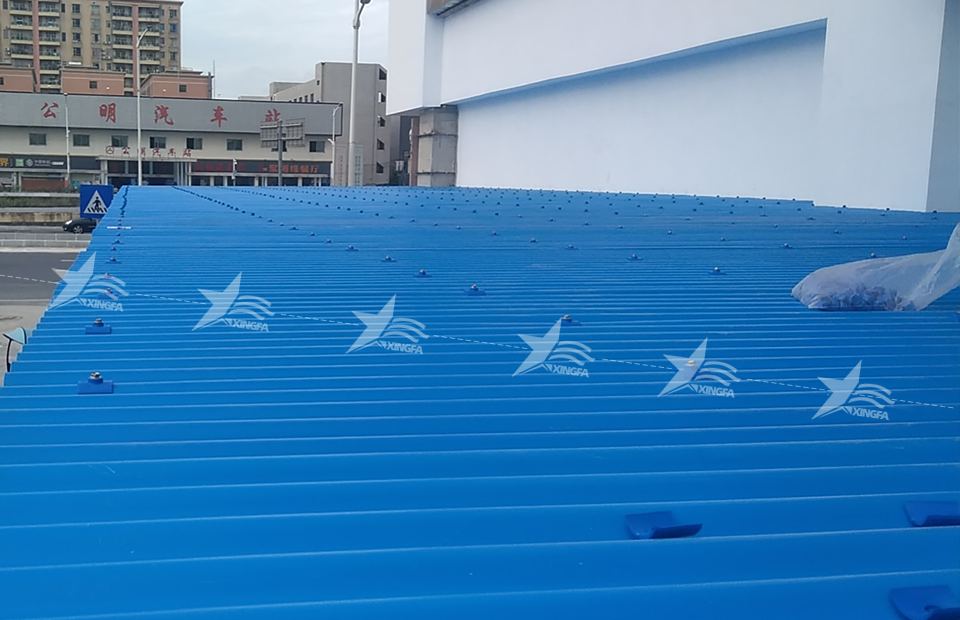
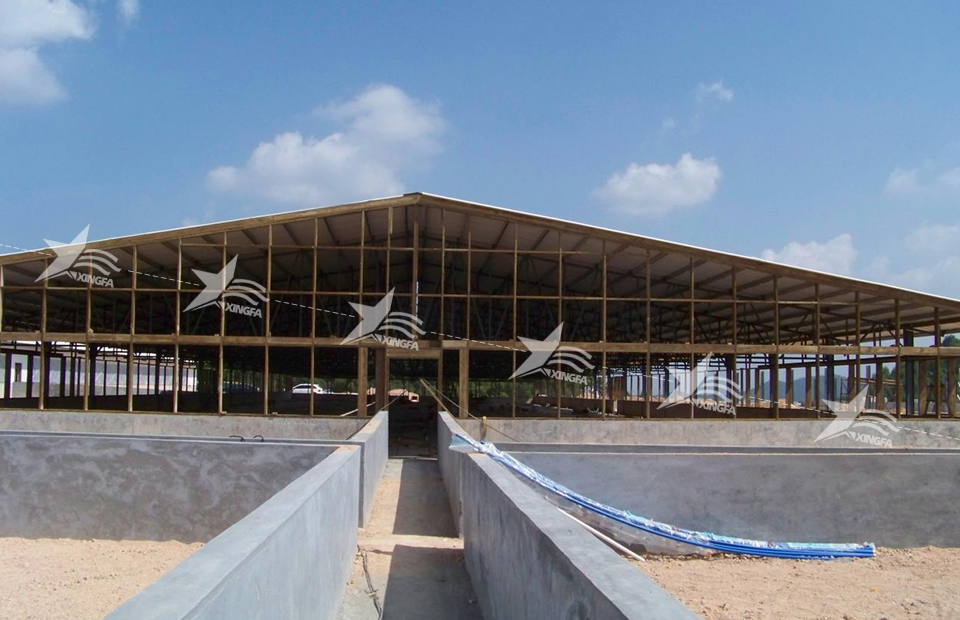
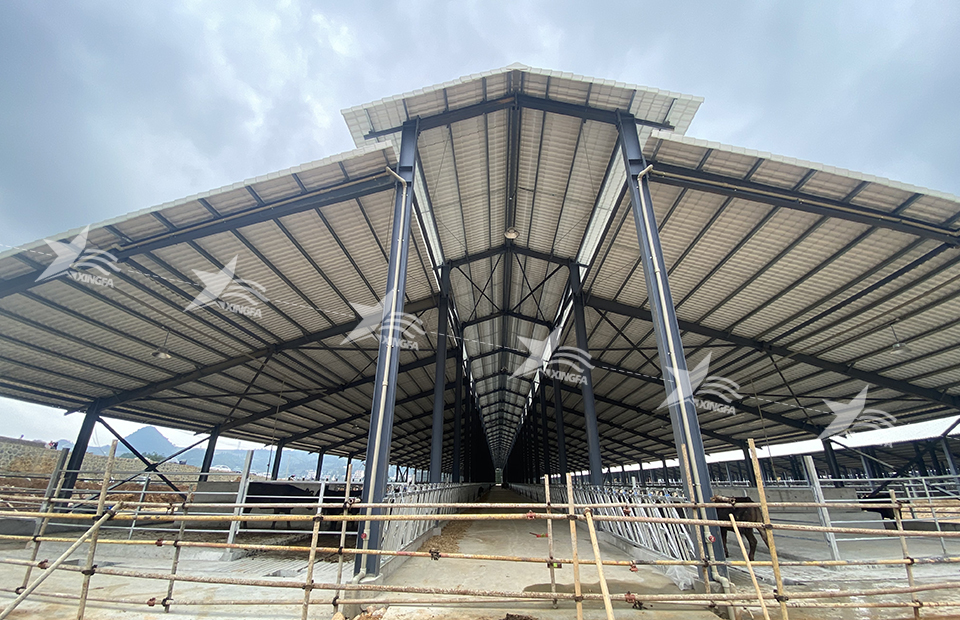
Roofing materials in hot, arid regions must withstand prolonged exposure to intense solar radiation, strong ultraviolet (UV) irradiation, large diurnal temperature fluctuations, and desiccating, sand-laden winds. The widespread adoption of UPVC roofing tiles in such environments is not coincidental—it stems directly from the exceptional alignment between their inherent material properties—namely, high-temperature resistance, thermal insulation, corrosion resistance, lightweight waterproofing, and low-maintenance durability—and the demanding service conditions characteristic of hot, arid climates. Compared with metal roofing sheets, clay tiles, and conventional PVC roofing tiles, UPVC offers an optimal balance of performance and cost-effectiveness. This article analyzes the reasons for its broad application in hot, arid climates across seven key dimensions: weathering and high-temperature resistance; thermal insulation and cooling performance; resistance to dry-heat-induced corrosion; waterproof reliability and long-term durability; lightweight construction and installation efficiency; cost-effectiveness and low lifecycle maintenance; and application boundaries and critical considerations.
1. High-Temperature Resistance and Superior Weatherability: Meeting the Primary Requirement of Arid Environments
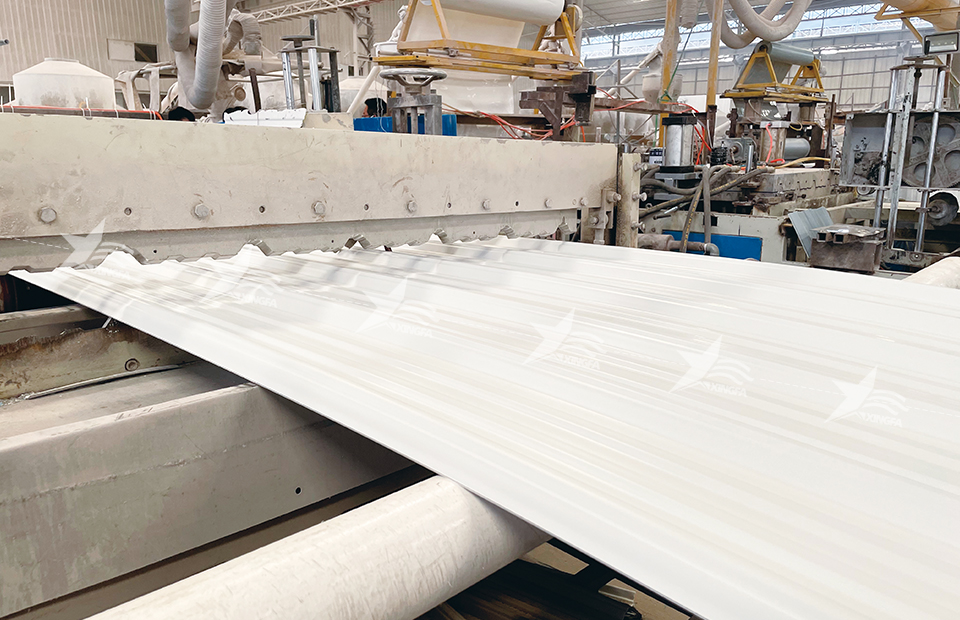
In hot, arid regions, roofing surfaces face continuous high temperatures and intense UV radiation, which can cause discoloration, chalking, embrittlement, and accelerated aging in suboptimal materials. A core advantage of premium UPVC roofing tiles lies in their advanced weather-resistant formulation—specifically, the use of an ASA (acrylonitrile–styrene–acrylate) co-extruded surface layer. ASA resin features a highly stable molecular structure, conferring outstanding resistance to UV degradation and oxidation. It effectively blocks harmful solar radiation, significantly retarding substrate aging. In contrast, painted steel roofing sheets are prone to coating delamination and rust under sustained high temperatures, while standard PVC tiles tend to chalk and crack prematurely. ASA-co-extruded UPVC tiles, however, retain color stability and structural integrity over extended periods of exposure to harsh desert sun. Moreover, the pronounced diurnal temperature swings typical of arid zones induce repeated thermal expansion and contraction. When installed with properly designed expansion joints, UPVC roofing systems accommodate these dimensional changes reliably—forming a fundamental basis for their widespread acceptance.
2. Thermal Insulation and Cooling Performance: Mitigating Indoor Heat Gain and Energy Consumption
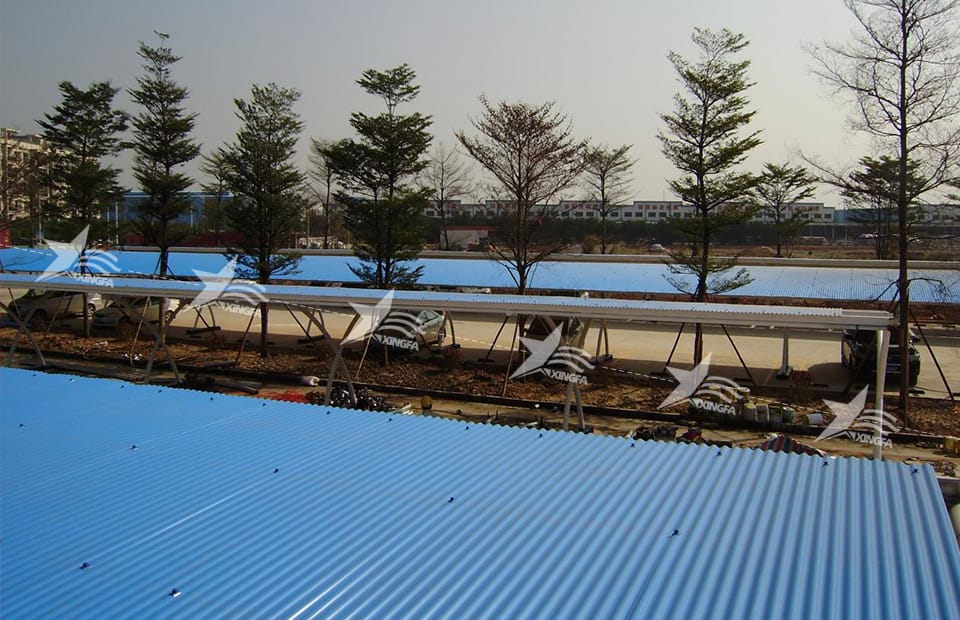
During summer months, intense solar irradiance in hot, arid climates makes the roof the primary pathway for heat ingress into buildings. UPVC roofing tiles exhibit a markedly lower thermal conductivity than metal profiled sheets (e.g., color-coated steel), thereby substantially reducing conductive heat transfer into interior spaces. When combined with light-colored tile surfaces—which reflect a significant portion of incident solar radiation—this insulating property delivers measurable reductions in top-floor indoor temperature rise and associated air-conditioning and mechanical ventilation energy demand. Such thermal performance is especially valuable in residential self-build projects, industrial workshops, and warehouse facilities, where it directly enhances occupant comfort and working conditions—fully aligning with the practical energy-saving and cooling requirements of hot, arid regions.
3. Resistance to Dry-Heat-Induced Corrosion and Chemical Stability
The ambient air in many hot, arid areas contains airborne dust, sand, saline aerosols (particularly near coastal or inland salt flats), and, in certain locations, trace industrial pollutants. As a non-metallic polymer, UPVC is inherently immune to rust and exhibits excellent chemical stability. It resists degradation from accumulated particulate matter, chloride ion exposure, and mild acidic or alkaline contaminants—unlike metal roofing, which is susceptible to pitting corrosion and eventual perforation. Routine maintenance is limited to periodic removal of settled sand and dust; no anti-corrosion treatments or frequent inspections are required. This robust resistance to dry-heat-related corrosion ensures consistent long-term performance in high-wind, high-salinity, or dusty arid environments—significantly lowering lifecycle repair and replacement costs.
4. Reliable Waterproofing and Long-Term Durability
Although annual precipitation is low in arid climates, occasional intense convective storms can produce heavy downbursts. Crucially, once roof waterproofing fails in such settings, remediation is exceptionally difficult due to limited access, extreme ambient temperatures, and logistical constraints. UPVC roofing tiles achieve dependable waterproofing through engineered interlocking profiles, complemented by purpose-designed underlayment membranes, sealing gaskets, and compatible fastening accessories. The material itself is impervious to rainwater penetration, non-corroding, and highly resistant to hydrolytic degradation. When correctly installed per manufacturer specifications, UPVC roofing systems maintain watertight integrity over decades—even under prolonged exposure to arid conditions—minimizing the need for costly re-roofing interventions. This proven durability is a decisive factor for engineering professionals and project owners alike.
5. Lightweight Construction and Installation Efficiency
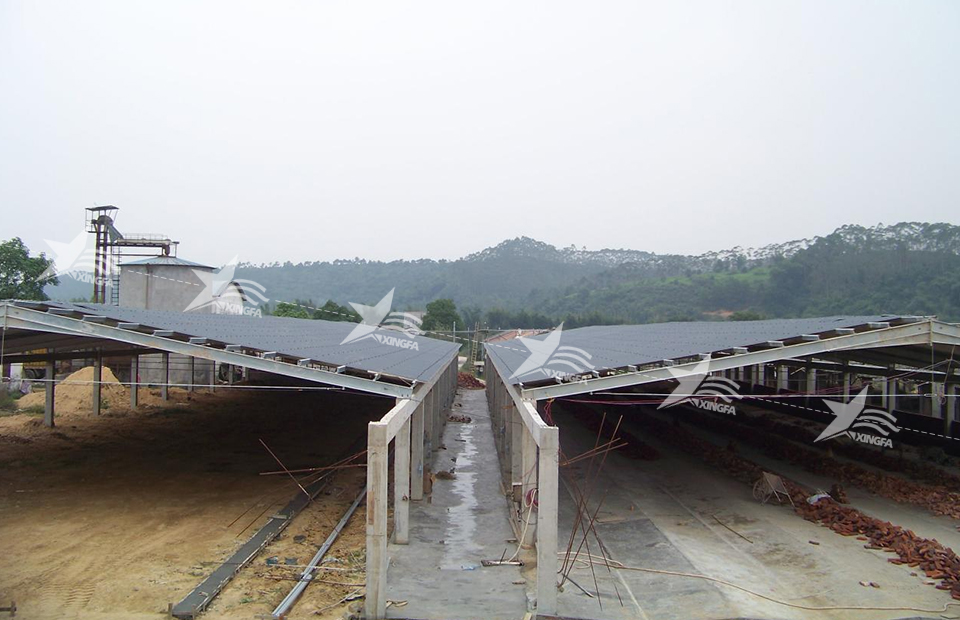
Structural frameworks in hot, arid regions often employ lightweight trusses or cold-formed steel rafters, where roof covering weight directly influences structural design complexity and overall construction cost. UPVC roofing tiles are exceptionally lightweight yet offer large coverage per unit, enabling direct installation onto existing roof structures without requiring extensive reinforcement—thereby reducing civil engineering expenditures. Their ease of on-site cutting, handling, and mechanical fastening further accelerates installation speed, particularly advantageous for large-scale roofing projects. This combination of low mass and high installation efficiency renders UPVC roofing tiles highly competitive for rapid deployment across expansive residential developments and industrial building programs in arid zones.
6. Cost-Effectiveness and Low Maintenance: Lifecycle Economic Advantage
From a holistic perspective, UPVC roofing tiles deliver compelling value: they are lighter and more economical than clay tiles; more corrosion-resistant and maintenance-free than metal alternatives; and significantly more durable and UV-stable than conventional PVC tiles. Critically, their operational requirements remain minimal—no painting, no rust prevention, no specialized servicing. In hot, arid contexts, this translates into a powerful triad of advantages: low initial investment, negligible ongoing maintenance expenditure, and extended service life. Collectively, these attributes establish a clear lifecycle cost advantage—driving broad market adoption across diverse applications.
7. Application Boundaries and Critical Considerations
It is essential to recognize that UPVC roofing tiles are not universally suitable. They must be excluded from proximity to open flames, high-temperature industrial processes, or active welding operations, as UPVC softens and melts at elevated temperatures. In zones subject to extreme UV intensity or persistently elevated ambient temperatures (e.g., >60°C surface temperatures), only high-performance ASA-co-extruded variants—not inferior spray-coated or laminated products—should be specified. Furthermore, strict adherence to installation guidelines—including provision of adequate expansion gaps to accommodate thermal movement—is mandatory; failure to do so may result in buckling, panel distortion, or water infiltration at fastener penetrations. Given the prevalence of wind-blown sand in arid regions, periodic cleaning to prevent abrasive accumulation on tile surfaces is also recommended to preserve long-term aesthetic and functional performance.
Заключение
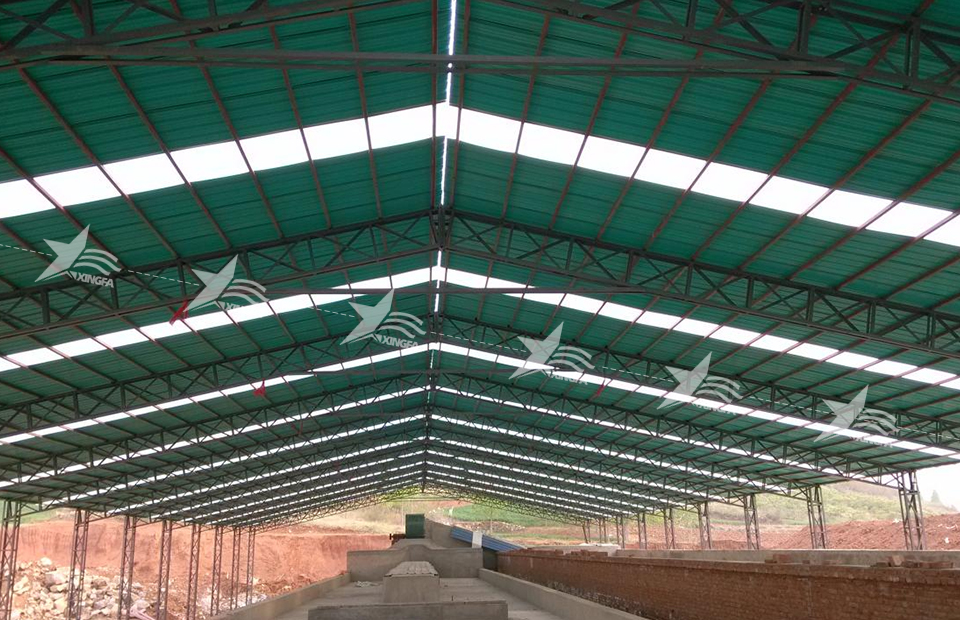
The widespread use of UPVC roofing tiles in hot, arid climates is fundamentally attributable to the synergistic integration of multiple high-performance attributes: superior high-temperature and UV resistance; effective thermal insulation; robust resistance to dry-heat-induced corrosion; reliable, long-lasting waterproofing; lightweight, efficient installation; and favorable lifecycle economics. Together, these characteristics enable UPVC roofing systems to meet the stringent technical, durability, and cost-efficiency demands imposed by arid environments. Provided that site-specific conditions are carefully assessed, appropriate high-weatherability grades are selected, installation follows certified best practices, and basic preventive maintenance is performed, UPVC roofing tiles offer a proven, resilient, and sustainable roofing solution capable of delivering decades of dependable service in even the most challenging hot, dry climates.