

 RU
RU  EN
EN  ES
ES  AR
AR How to do waterproofing for sloping roofs with roof tiles?
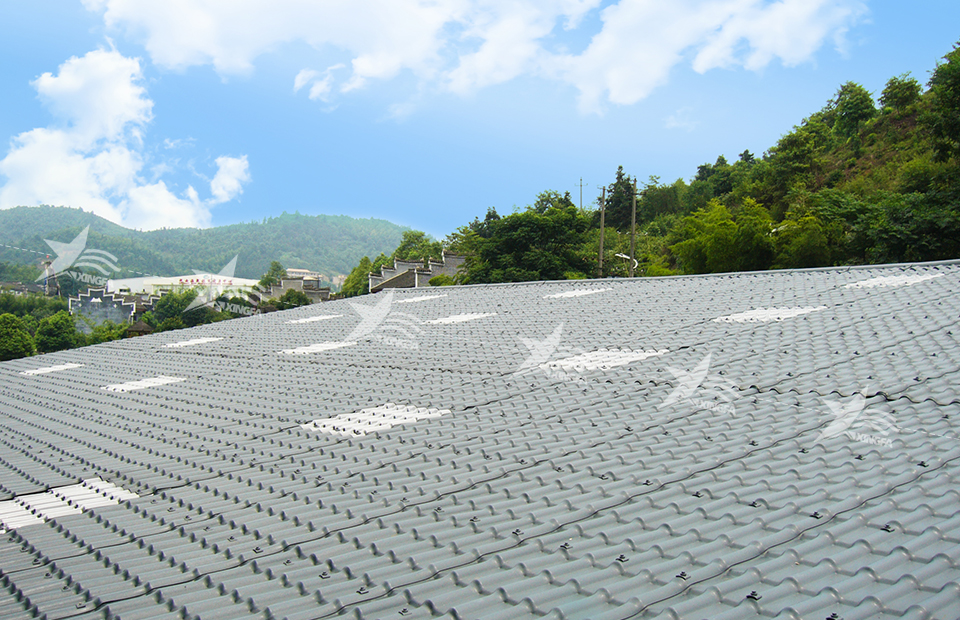
When tiling a sloping roof, waterproofing is an important step that cannot be ignored. If the waterproofing process is not handled properly, it can easily lead to rainwater leakage, affecting the daily use of the building.
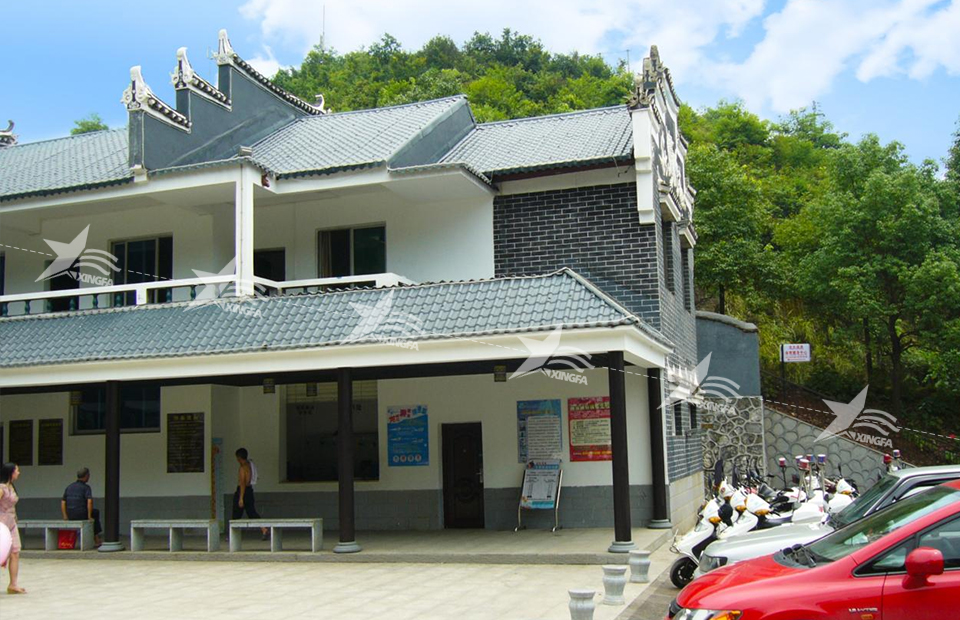
1. Roof tile waterproofing
When laying tiles on the roof, cement mortar or waterproof glue can be used to seal the joints between the roof tiles to prevent rainwater from seeping in. This method applies to traditional tile materials such as cement tiles and ceramic tiles.
2. Asphalt waterproofing
Apply asphalt waterproofing material on the roof surface to form a strong waterproof film. Asphalt has good weather resistance and waterproof performance, and is commonly used for flat roofs and sloping roofs.
3. Elastic waterproof coating
Elastic waterproof coating can form a flexible waterproof film, which can adapt to the expansion, contraction, and deformation of the roof caused by temperature changes. It is suitable for complex roof structures, reducing the risk of cracking caused by thermal expansion and contraction.
4. Waterproof membrane
Lay waterproof membranes on the roof, such as SBS modified asphalt membranes or self-adhesive waterproof membranes. The rolls are connected by hot melt adhesive or welding to ensure a tight joint.
5. Integrated waterproof system
Some roofs adopt an integrated waterproof layer, combining the waterproof membrane, insulation layer, and protective layer in one design to provide multiple protections, which is suitable for high-standard buildings or roof structures with long-term use.