EN
EN  ES
ES  RU
RU  AR
AR Is It Feasible for Individuals to Install Synthetic Resin Roofing Tiles? A Comprehensive Analysis of DIY Viability and Practical Implementation
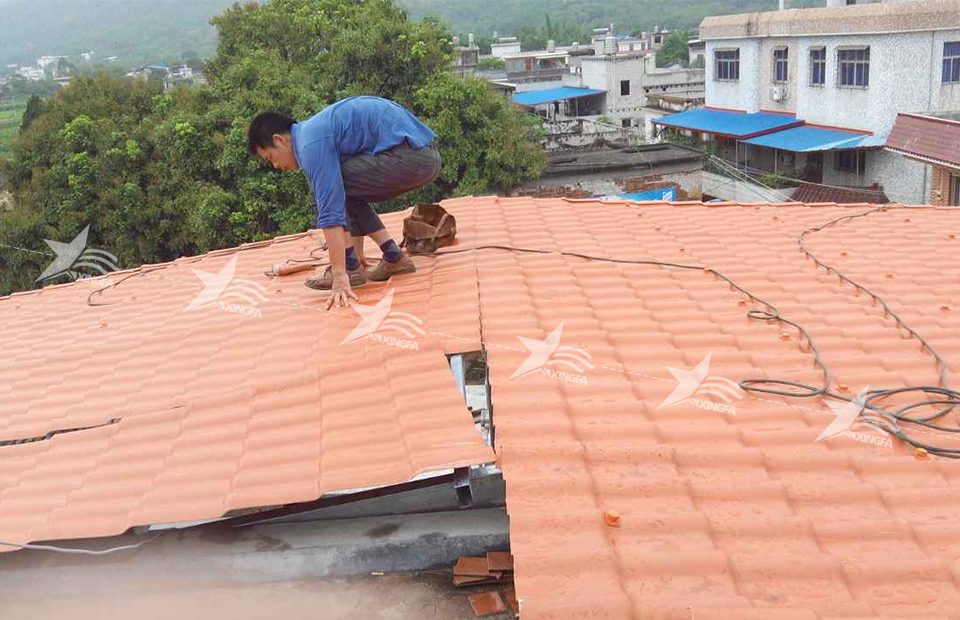
When renovating roofs on self-built houses, garden sheds, or small warehouses, many property owners ask the same question: Can they install synthetic resin roofing tiles themselves to avoid the labor costs of professional contractors? Compared with color-coated steel sheets or glazed tiles, synthetic resin tiles are notably lightweight, easy to cut, and involve fewer installation steps—making them appear highly suitable for DIY projects. However, roof installation entails far more than simply laying and fastening tiles; it requires thorough structural assessment, precise waterproofing overlaps, appropriate accommodation for thermal expansion and contraction, and strict adherence to safety protocols. This article provides a rigorous, multidimensional analysis—covering feasibility advantages, technical complexity, prerequisite conditions, critical technical challenges, safety and quality risks, key construction requirements, and applicable scenarios—to determine whether individual installation of synthetic resin tiles is both technically sound and practically advisable.
I. Feasibility Advantages of Individual Installation of Synthetic Resin Tiles
(A) Lightweight Material Enables Solo Handling
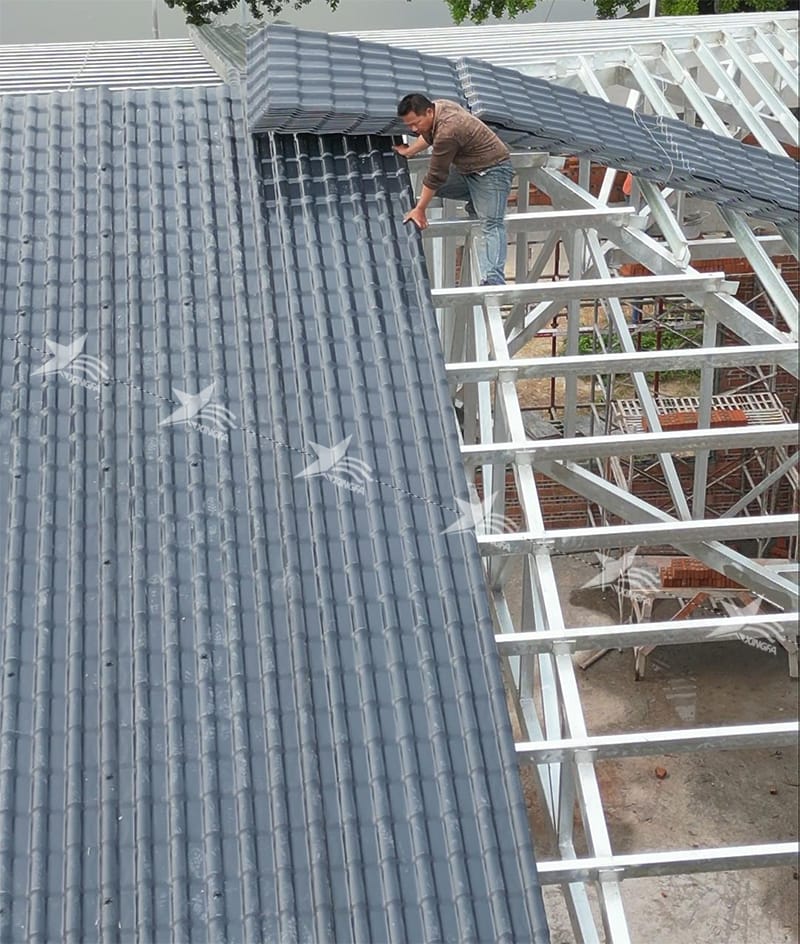
Synthetic resin tiles are exceptionally lightweight—about one-quarter the weight of traditional clay tiles and half that of color-coated steel sheets. Individual tiles are compact and easy to maneuver, allowing a single person to handle transportation, positioning, and alignment without reliance on heavy lifting equipment. Their inherent flexibility further permits minor bending and on-site trimming, facilitating adaptation to roof edges, corners, and irregular geometries. These attributes render synthetic resin tiles among the few roofing materials genuinely suited to competent DIY execution.
(B) Streamlined Process Requires No Specialized Certification
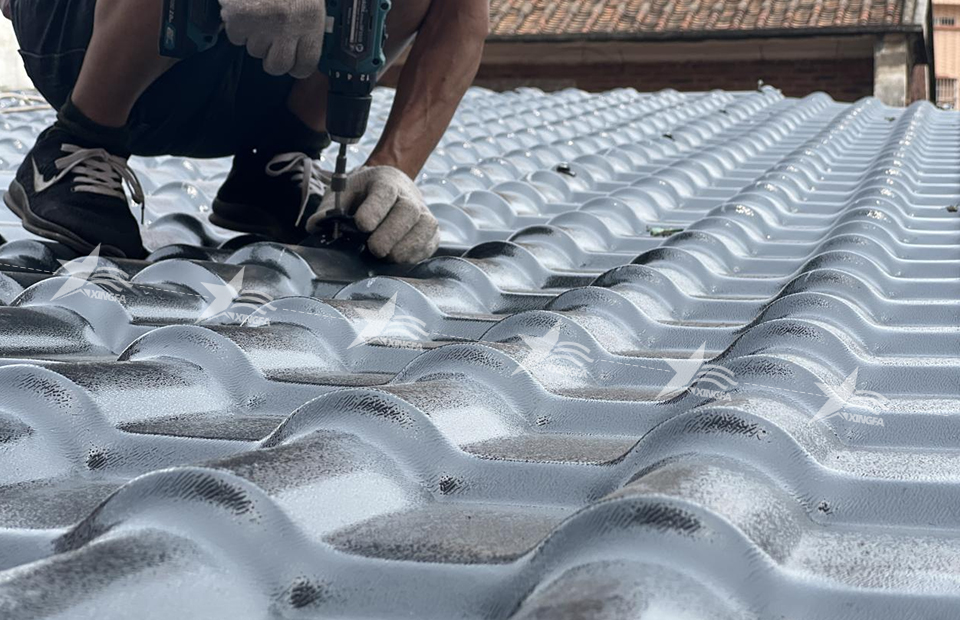
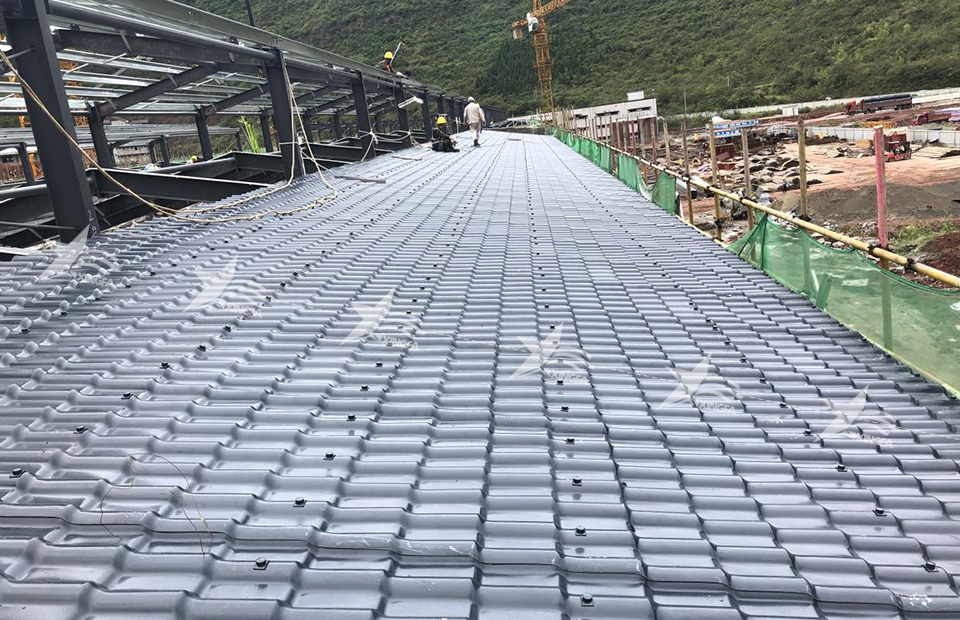
The installation process follows a standardized, four-step sequence: (1) substrate preparation and cleaning; (2) tile cutting and layout; (3) mechanical fastening with self-tapping screws; and (4) sealing of accessories and joints. It involves no high-skill operations such as welding, concrete pouring, or hot-melt waterproofing. For small-scale, structurally regular roofs—including simple canopies and uniformly sloped surfaces—individuals who understand the procedural logic and master fundamental techniques can successfully complete the entire installation. This approach delivers substantial cost savings—typically ranging from several hundred to several thousand RMB—while maintaining high cost-effectiveness.
II. Essential Prerequisites for Successful DIY Installation
(A) Basic Tools and Supporting Materials
No specialized industrial equipment is required. Standard household tools suffice, including a cordless drill, abrasive cutting disc, tape measure, spirit level, safety harness, roof walkboards, and cleaning supplies. Complementary materials must include resin-tile-specific waterproof self-tapping screws, silicone-based sealant, and ridge/edge accessories. Ensuring full tool availability and complete accessory compatibility is essential to uphold baseline installation standards and prevent noncompliance arising from equipment shortages.
(B) Structural Integrity of the Roof Substrate
DIY installation is strictly appropriate only for roofs with sound underlying structures: evenly spaced purlins, uniform slope, and overall dimensional stability. Purlin spacing must fall within the recommended range of 600–750 mm; purlins must be free of looseness, decay, or deformation; and the roof surface must be planar, with minimal localized undulation. Where the substrate exhibits aging, sparse purlin layout, or structural instability, individuals lack the capacity to perform necessary reinforcement or leveling. Attempting installation under such conditions risks post-installation tile subsidence, water infiltration, and warping—rendering DIY inadvisable.

III. Critical Technical Challenges Frequently Overlooked in DIY Execution
(A) Accurate Accommodation for Thermal Expansion and Contraction
This represents the most common source of error—and the leading cause of subsequent leakage—in DIY installations. Synthetic resin exhibits a relatively high coefficient of thermal expansion; significant temperature fluctuations induce measurable dimensional changes. Novice installers often overtighten fasteners or neglect expansion gaps, or apply excessive overlap. As a result, tiles may buckle upward during summer heat or develop cracked screw holes and edge curling during winter contraction—ultimately compromising roof integrity. Professional installers adjust fastener torque and overlap dimensions according to ambient temperature. DIY practitioners must rigorously adhere to the principle of “secure but not rigid”—ensuring adequate clearance for thermal movement while preventing perceptible vibration or slippage.
(B) Precision in Overlap Dimensions and Waterproofing Detailing
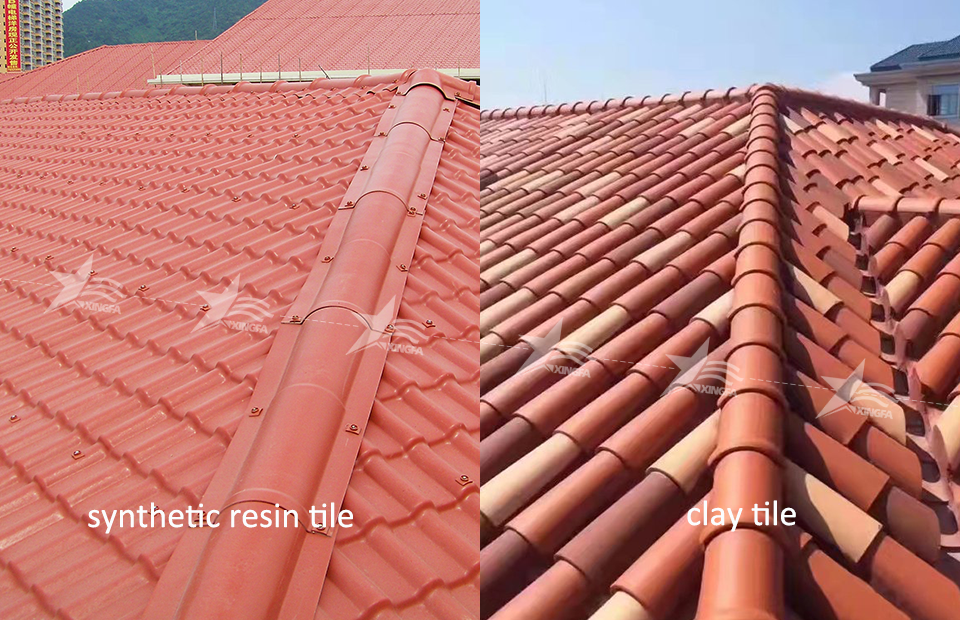
Common errors include insufficient lateral or longitudinal overlap, misalignment of wave peaks, and improper fastener placement (e.g., driving screws into wave troughs instead of peaks). Correct practice mandates fastening exclusively at wave peaks, with a minimum transverse overlap of one full wave and a longitudinal overlap of no less than 150 mm. All critical junctions—including ridges, eaves, corners, and screw penetrations—must be fully sealed with compatible sealant. DIY installers frequently omit these micro-sealing steps. Although the roof may appear visually complete, rainwater will inevitably penetrate through pinpoint leaks or linear gaps—resulting in difficult-to-locate and costly post-installation repairs.
IV. Safety and Quality Risks Associated with DIY Installation
(A) Hazards of Working at Height
Roof installation constitutes work at height—even on low-rise structures—carrying inherent fall risks. Professional crews employ comprehensive personal protective equipment (PPE) and possess extensive field experience in safe access, load distribution, and hazard mitigation. In contrast, DIY practitioners often rely on inadequate safety measures and inconsistent technique. Slippery surfaces, uneven footing, and inadvertent overreaching significantly elevate accident probability—particularly on steep or smooth resin-tile roofs. This remains the most serious risk factor in individual installation efforts.
(B) Installation Defects Accelerating Premature Degradation
Nonconforming installation practices directly compromise service life—often reducing longevity well below the material’s intrinsic durability. Deviations such as incorrect purlin spacing, improper fastener torque, insufficient expansion allowance, or incomplete sealing generate persistent mechanical stress, localized strain concentration, and progressive deformation. Consequently, even high-quality tiles may fail after only 5–8 years—far short of their rated 15–20-year service life—rendering the DIY effort economically and functionally counterproductive.
V. Appropriate Scenarios for DIY vs. Mandatory Professional Installation
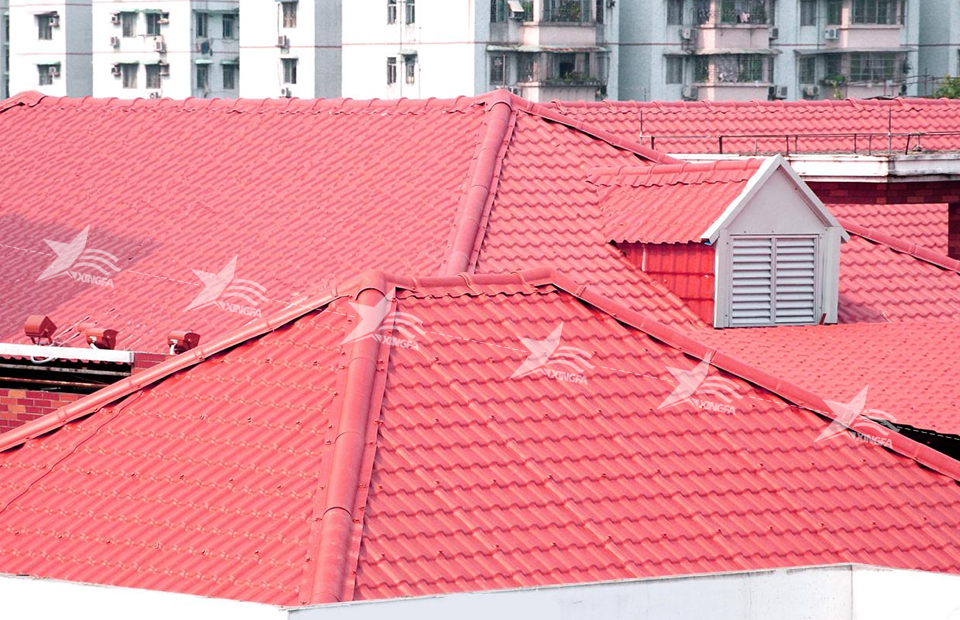
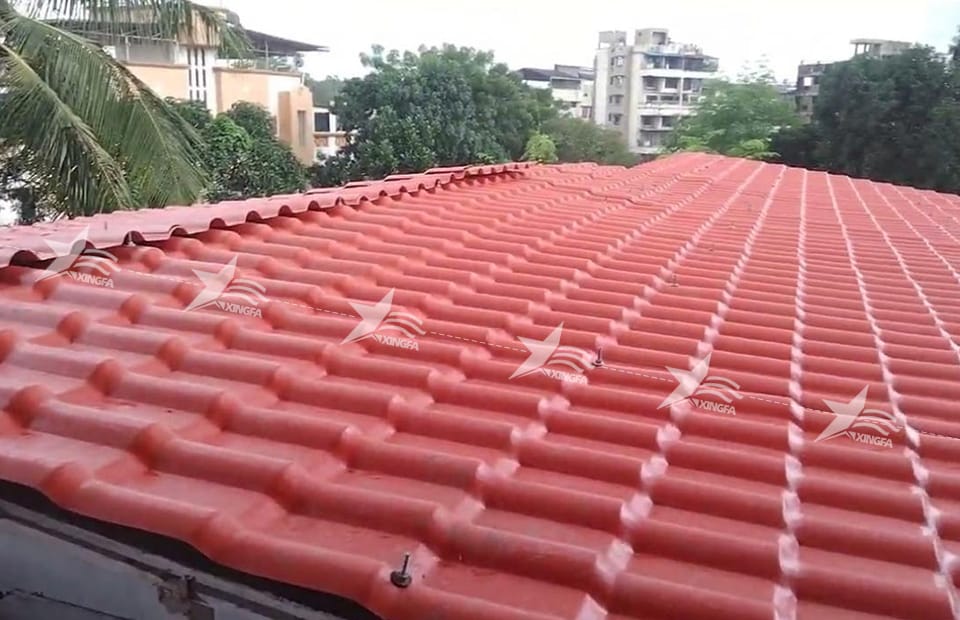
DIY installation is well-suited to small, low-risk applications: garden sunshades, simple utility sheds, low-height temporary storage units, and structurally uncomplicated roofs under 100 m²—with gentle slopes, straightforward geometry, and minimal exposure to environmental extremes. Conversely, professional installation is strictly required for multi-story residential buildings, large-span industrial facilities, roofs with complex configurations or steep pitches, renovation of aged or structurally compromised buildings, and installations in coastal, high-wind, or heavy-snow regions—where structural integrity and long-term waterproofing performance are non-negotiable.
VI. Conclusion
In summary, individual installation of synthetic resin roofing tiles is technically feasible and operationally practical, owing to its low entry barrier, intuitive methodology, and lightweight material handling. For small-scale, low-risk roofs, DIY implementation offers outstanding cost-efficiency, and motivated homeowners can achieve reliable results following targeted learning and careful preparation. Nevertheless, success hinges critically on disciplined attention to technical nuances—especially thermal gap management, waterproofing continuity, and precise fastener placement—as well as rigorous compliance with safety protocols. While low-height, simple roofs may be confidently tackled by individuals, complex, high-risk, or large-area installations demand professional expertise to ensure structural safety, weather resistance, and long-term performance. With meticulous planning, strict procedural adherence, and robust safety safeguards, DIY-installed synthetic resin roofs can deliver durable, leak-free service over their full design lifespan.