

 ES
ES  EN
EN  RU
RU  AR
AR Does UPVC Roofing Tile Require Regular Maintenance?
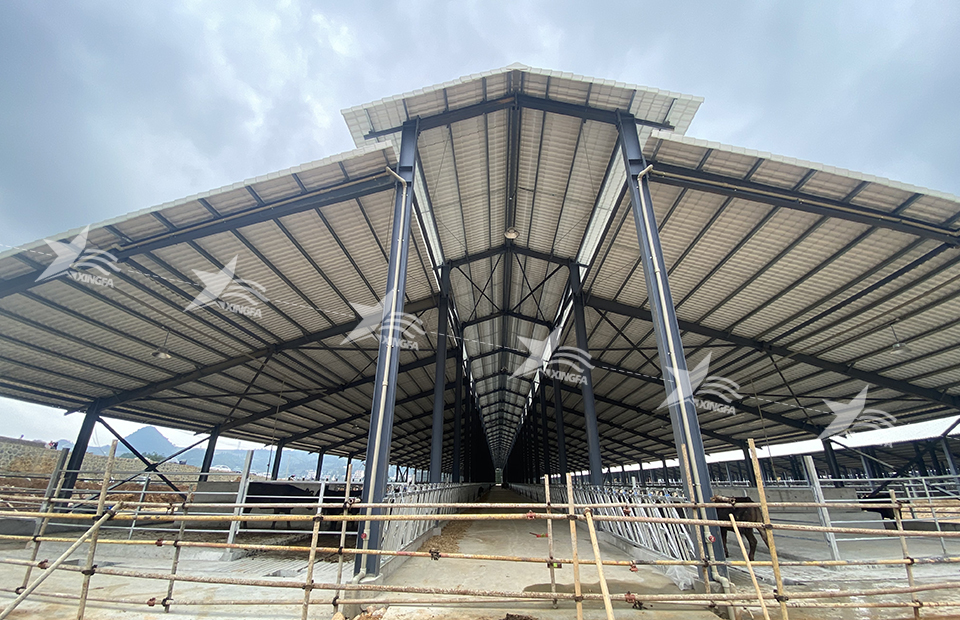
UPVC roofing tiles are widely used on industrial and agricultural buildings—such as factories, warehouses, and poultry houses—owing to their excellent corrosion resistance, lightweight nature, and superior waterproofing performance. A common misconception exists that UPVC sheets constitute a “maintenance-free” roofing material, implying that once installed, they require no further attention throughout their service life. In reality, while UPVC roofing tiles do not demand frequent or intensive maintenance like color-coated steel or asbestos-cement sheets, they are not entirely maintenance-free. Their maintenance intervals are longer and the required effort is comparatively minimal. Systematic periodic inspection and simple, timely interventions can effectively slow down material aging, significantly extend service life, and prevent sudden failures such as roof leakage or cracking. This article comprehensively outlines key maintenance considerations for UPVC roofing tiles across five dimensions: the necessity of maintenance, maintenance tasks categorized by frequency, critical inspection items, solutions to common issues, and essential prohibitions and safety precautions.
1. Necessity of Regular Maintenance for UPVC Roofing Tiles
Although UPVC inherently exhibits strong resistance to acids, alkalis, and rust—unlike color-coated steel sheets, which are prone to rapid corrosion and perforation—its material properties gradually degrade under prolonged environmental exposure. Outdoor conditions—including ultraviolet (UV) radiation, rainwater runoff, dust accumulation, biological growth (e.g., algae or lichen), and thermal expansion/contraction due to temperature fluctuations—continuously affect tile integrity. Specifically:
- UV radiation progressively degrades the surface layer of UPVC. Low-quality sheets lacking an ASA co-extruded top layer are especially vulnerable: prolonged sun exposure leads to discoloration, chalking, and reduced surface strength.
- Accumulation of leaves, silt, or animal manure (particularly in farm settings) can obstruct drainage channels. Prolonged water pooling at panel joints increases the risk of seepage and interfacial degradation.
- Metal self-tapping screws—commonly used as fasteners—are subject to long-term exposure-induced deterioration, including gasket aging and corrosion, resulting in nail-hole leakage.
- Extreme weather events—such as high winds or hailstorms—may cause panel loosening or initiate micro-cracks. If undetected and unaddressed, such damage tends to propagate over time.
Unmaintained UPVC roofs typically achieve less than 70% of their theoretical service life. Crucially, effective maintenance does not entail complex renovation; rather, it centers on proactive hazard identification and early intervention—thereby minimizing the need for costly major repairs.
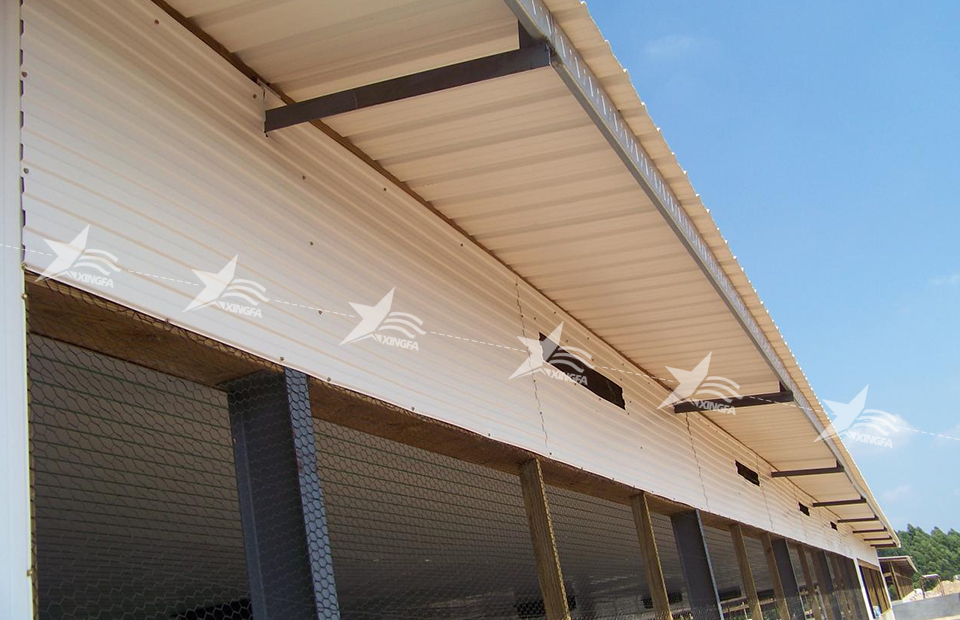
2. Maintenance Tasks by Frequency
(A) Routine Visual Inspection (Every 3–6 Months)
Routine inspections rely primarily on visual assessment and are particularly suitable for factory or farm roofs. Priority should be given to the roof drainage system: clear debris—including leaves, weeds, and silt—from gutters, eaves, and troughs between tile waves. In agricultural facilities, special attention must be paid to accumulated poultry or livestock manure, which contains corrosive components that accelerate surface degradation when left unremoved. Inspect tile surfaces for large-scale discoloration, spotting, or scratches; examine overlapping edges for lifting, misalignment, or displacement. Additionally, inspect high-risk leakage zones—including roof vents, ridges, and flashing details—where water ingress commonly occurs. Conduct inspections during dry, sunny weather; avoid working on wet or rainy days, and always implement appropriate fall-protection measures.
(B) Annual Comprehensive Maintenance (Once Per Year—Recommended Prior to the Rainy Season)
A thorough annual inspection conducted just before the onset of the rainy season constitutes the most critical maintenance activity.
- Fastener Inspection: Examine each self-tapping screw individually. Assess whether the waterproof rubber washer has aged, cracked, or detached; verify whether screws remain securely tightened. Washer failure is the single most frequent cause of UPVC roof leakage. Replace degraded washers promptly and reseal screw heads with high-performance sealant.
- Joint Sealant Inspection: Where sealant at panel overlaps shows cracking or detachment, carefully remove the old sealant and reapply a high-quality, weather-resistant neutral-cure silicone sealant.
- Surface Cleaning: For heavily soiled or oily roofs, use low-pressure clean water combined with a soft-bristle brush for gentle cleaning. Under no circumstances should steel wool pads, metal scrapers, or abrasive tools be employed, as these may scratch and compromise the UV-protective surface layer.
(C) Specialized Assessment (Approximately Every 5 Years)
After five years of service, UPVC roofs warrant a dedicated technical evaluation. Key focus areas include: assessing the degree of embrittlement (e.g., widespread chalking or fine surface cracks); evaluating structural integrity of purlins and the underlying roof substrate for signs of deformation or settlement—since substrate movement can induce tensile stress and lead to panel fracture. Severely aged fasteners should be replaced in batches; localized panel damage may be rectified by replacing individual tiles without requiring full roof replacement.
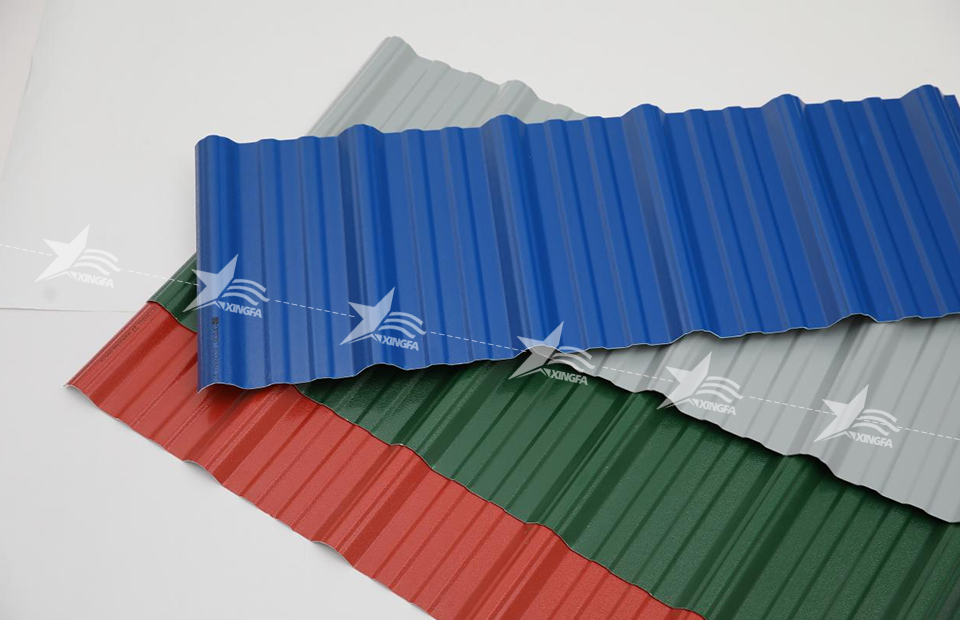
3. Maintenance Variations Across Application Scenarios
Maintenance frequency varies significantly depending on the operating environment.
- Standard industrial or residential roofs—located in areas with relatively low air pollution and clean rainfall—typically require routine inspection every six months and one comprehensive annual maintenance session.
- High-corrosion environments—including farms, livestock facilities, and chemical production workshops—expose UPVC to airborne ammonia, acidic mists, or alkaline vapors. These accelerate surface contamination and chemical degradation. Accordingly, inspection frequency should be increased to every three months, and two professional cleaning and inspection cycles per year are recommended to mitigate cumulative corrosion damage.
- In wind-sand-prone regions, persistent sand abrasion gradually erodes the tile surface. Emphasis should be placed on regularly clearing accumulated sand from wave troughs and inspecting for surface scratches.
4. Remediation Strategies for Common Failures
- Minor Surface Scratches: Superficial scratches that do not penetrate the substrate require no panel replacement. After thorough cleaning, apply a dedicated UPVC weather-resistant protective coating to enhance UV resistance.
- Nail-Hole Leakage: Replace aged rubber washers, retighten screws, and reseal nail holes with weather-resistant sealant.
- Localized Cracks: Short, non-penetrating cracks may be repaired using specialized UPVC-compatible adhesive. Penetrating or through-thickness cracks, however, necessitate full replacement of the affected tile to prevent progressive water infiltration.
- Panel Warping: Often attributable to insufficient thermal expansion allowance during installation, warping results from temperature-induced dimensional changes. Mild warping may be corrected by adjusting fastener positions; severe cases require reconfiguring the overlap configuration to accommodate thermal movement.
5. Prohibited Practices and Critical Safety Precautions
Several common maintenance errors can directly compromise UPVC tile integrity:
- Never use strong acid or strong alkali cleaners on the roof surface—these aggressively attack the polymer matrix, accelerating chalking and premature aging.
- Avoid stepping directly on the wave crests while wearing hard-soled footwear. UPVC panels have limited impact resistance; excessive localized pressure may cause cracking. When walking on the roof, step only on the wave troughs aligned with underlying purlins.
- Do not drill new holes into panels for additional fixings unless absolutely necessary—and if done, ensure meticulous sealing of all new penetrations to prevent secondary leakage paths.
- All elevated work must comply with strict occupational safety standards: secure lifelines, properly erected scaffolding or guardrails, and non-slip footwear are mandatory. Under no circumstances should personnel access the roof during wet or icy conditions.
Conclusion
UPVC roof sheets are not maintenance-free materials, yet they feature low maintenance difficulty and controllable costs. The core principle of their maintenance lies in prevention, rather than major repairs after damage occurs. Routine maintenance mainly involves regular debris clearance, inspection of sealing accessories, and timely repair of minor defects.
Roofs in mild environments allow longer maintenance intervals. For corrosive settings such as farms and chemical workshops, inspection frequency should be increased. With standardized periodic maintenance, UPVC roof sheets can deliver stable service for around 20 years. Without proper upkeep, aging fittings, ponding corrosion and continuous UV degradation will drastically shorten the service life, resulting in high costs for water leakage remediation and rework.
At the stage of roof planning, periodic maintenance should be incorporated into the overall scheme to maximize the cost-performance advantage of UPVC roof sheets.