ES
ES  EN
EN  RU
RU  AR
AR Comprehensive Multi-Dimensional Environmental Performance Analysis of PVC Roofing Sheets for Industrial Facilities
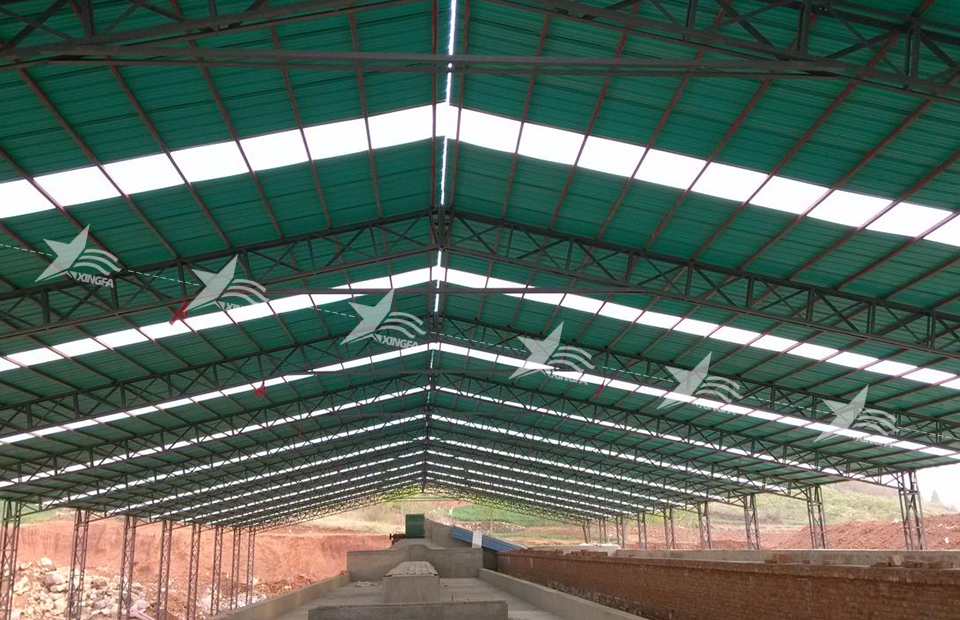
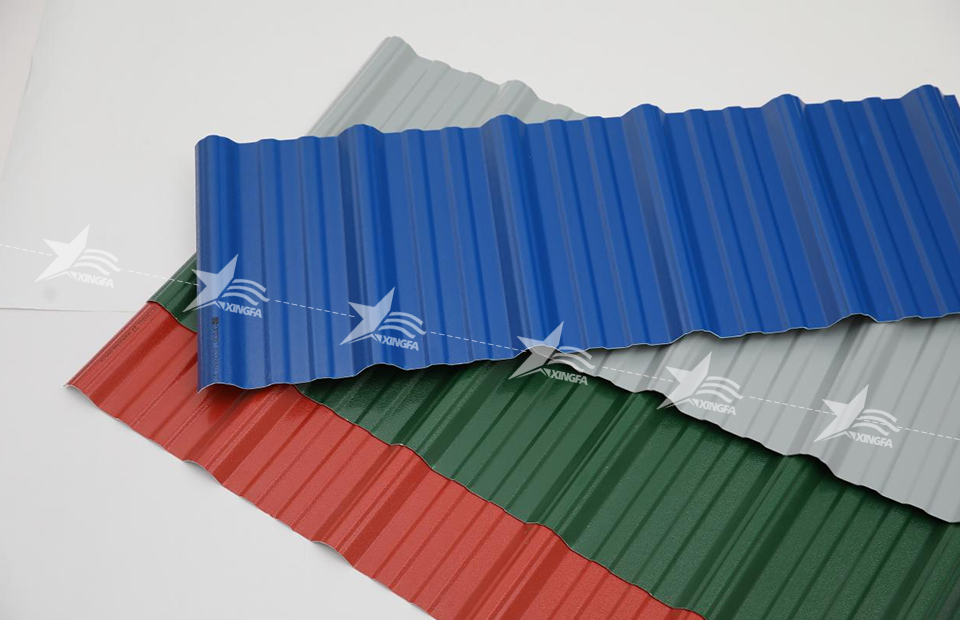
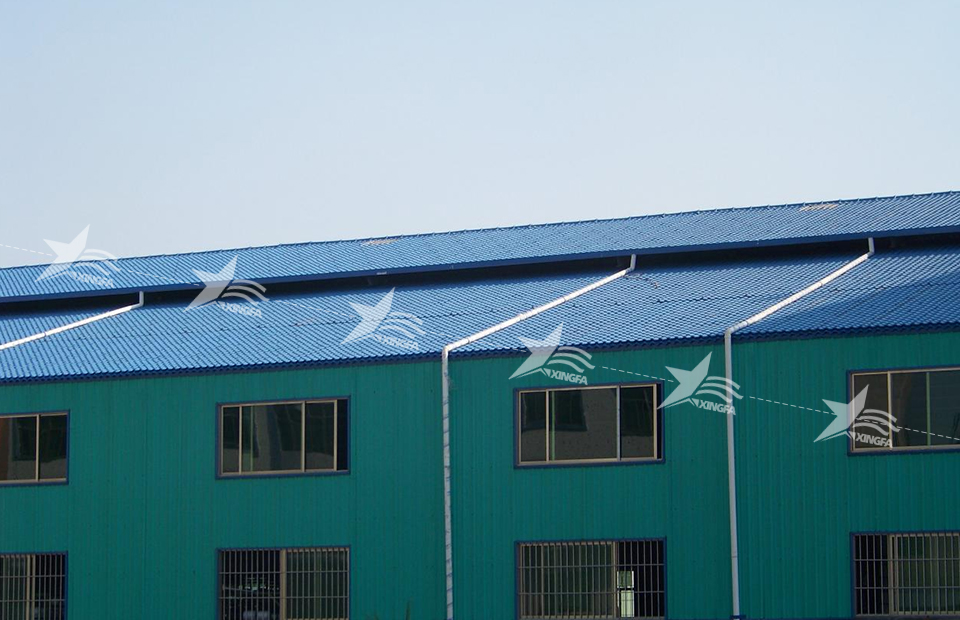
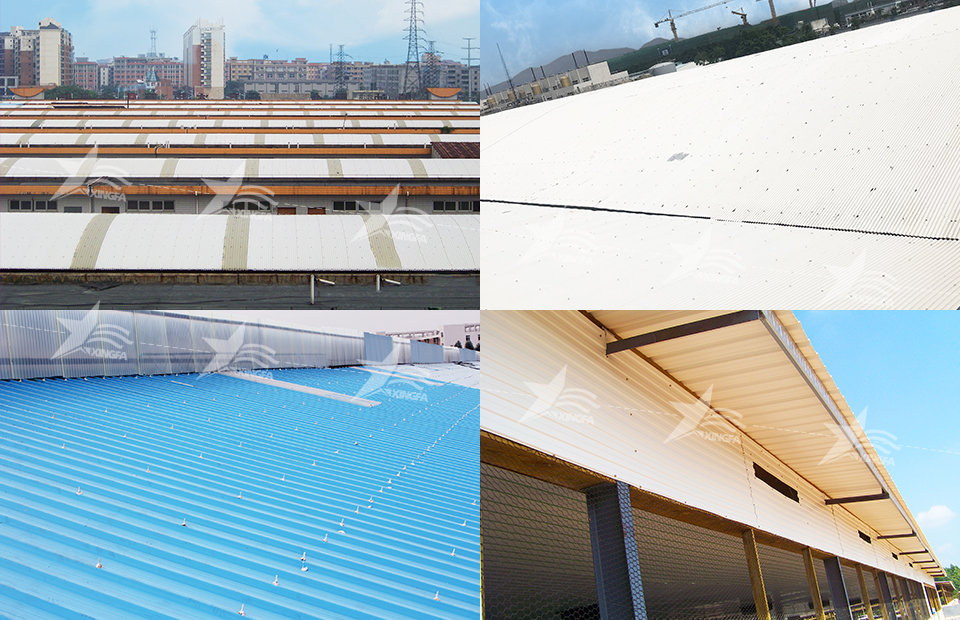
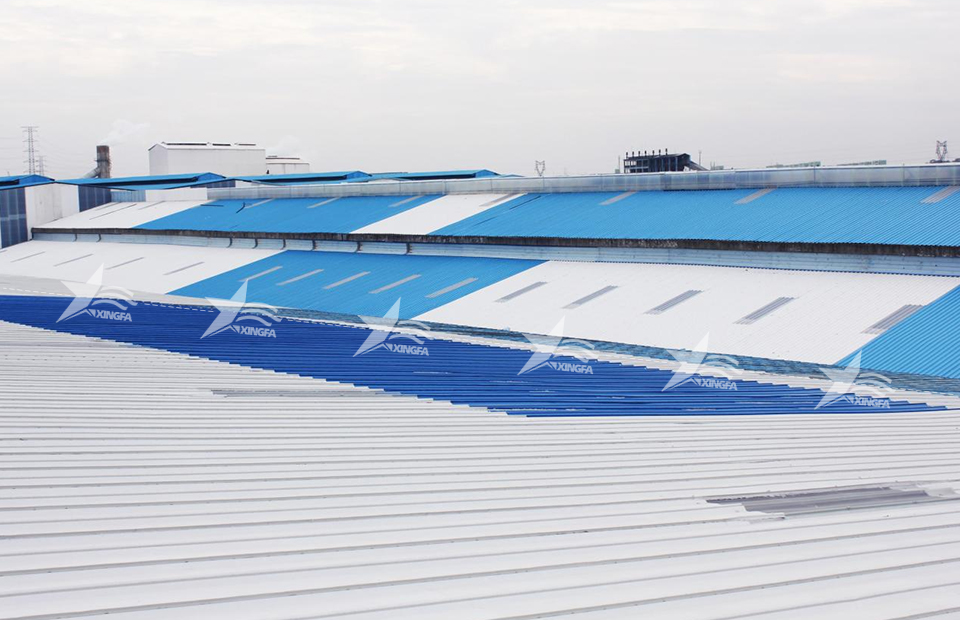
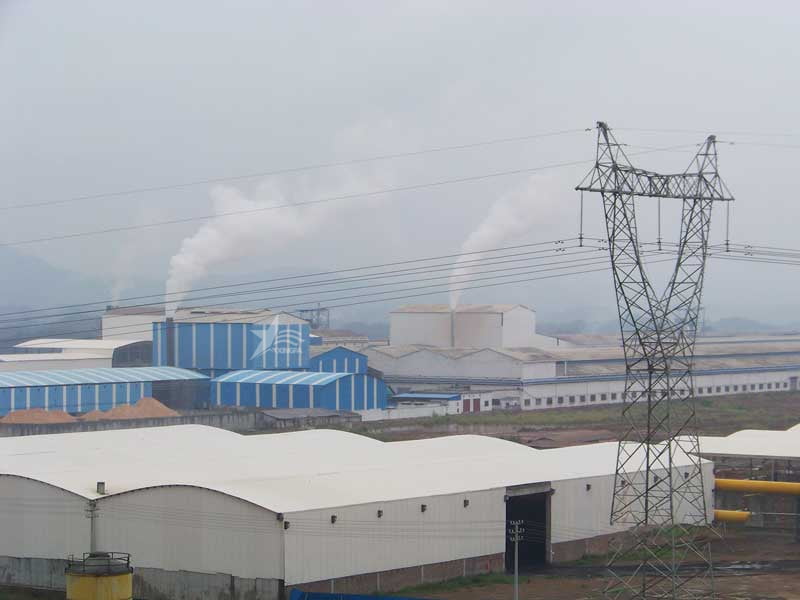
As national policies promoting green industrial production continue to advance, new construction and roof renovation projects for industrial facilities increasingly prioritize not only practicality and cost-effectiveness but also environmental sustainability, low-carbon attributes, and pollution-free performance as core material selection criteria. PVC roofing sheets—widely adopted in industrial roofing applications—stand out as a sustainable alternative to traditional materials such as color-coated steel sheets and asbestos-cement sheets. Their environmental advantages include low-carbon raw materials, clean manufacturing processes, zero pollution during service life, and full recyclability.
A common misconception among enterprises is that plastic-based building materials are inherently non-environmentally friendly; however, high-quality industrial-grade PVC roofing sheets are supported by a comprehensive environmental management system, ensuring compliance with industrial environmental standards across the entire lifecycle—from production and installation to in-service use and end-of-life disposal. This article presents a systematic analysis of the environmental characteristics of PVC roofing sheets for industrial facilities, covering raw material composition, manufacturing processes, in-service performance, end-of-life recyclability, and comparative advantages over conventional roofing materials.
1. Raw Material Composition: Non-Toxic, Non-Hazardous, and Fundamentally Compliant with Environmental Standards
High-Purity Virgin Resin Free from Harmful Volatiles Premium
PVC roofing sheets specifically engineered for industrial facilities utilize food-grade or industrial-grade virgin polyvinyl chloride (PVC) resin as the base polymer, compounded with eco-friendly stabilizers and anti-aging additives. Crucially, they contain no formaldehyde, benzene, heavy metals, or other toxic or hazardous substances. The raw materials exhibit inherent chemical stability and emit no volatile organic compounds (VOCs), distinguishing them fundamentally from substandard plastic building products formulated with hazardous ingredients. Under both ambient and elevated temperatures—including prolonged exposure to intense solar radiation in industrial settings—these sheets release neither toxic nor odorous gases, thereby ensuring no adverse impact on indoor air quality within workshops or ambient air conditions across the facility. They fully satisfy fundamental requirements for industrial ventilation, clean production environments, and occupational health and safety.
Asbestos-Free and Dust-Free Material Composition
Traditional asbestos-cement roofing sheets contain substantial quantities of asbestos fibers, which—upon weathering over time—generate carcinogenic airborne dust, posing persistent risks to both environmental quality and worker health. Consequently, their use has been strictly restricted nationwide. In contrast, PVC roofing sheets feature a dense, homogeneous polymeric structure devoid of fibrous or particulate components. During installation and service life, they generate no dust, fine particulates, or airborne contaminants. Their intrinsic material safety and structural stability make them a leading environmentally compliant replacement for asbestos-cement sheets.
2. Manufacturing Process: Low-Carbon, Clean Production with Minimal Energy Consumption
Closed-Loop Production with Zero Excess Emissions High-quality
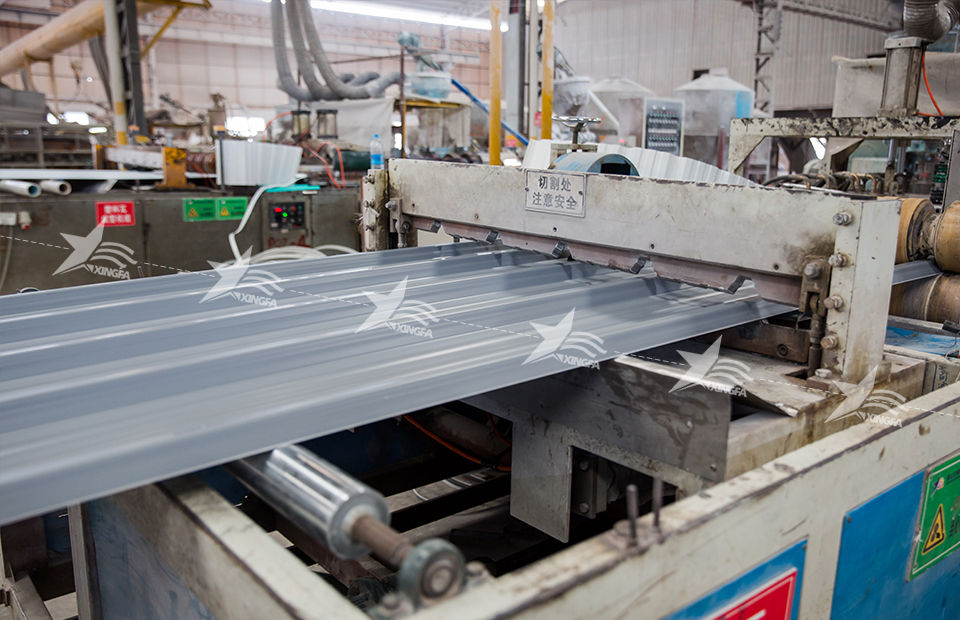
PVC roofing sheets are manufactured using modern, fully enclosed extrusion and high-temperature co-extrusion integrated processes, executed via automated, continuous production lines. This methodology ensures zero discharge of wastewater, exhaust gas, or solid waste beyond regulatory limits. It eliminates energy-intensive and highly polluting unit operations—such as high-temperature baking, galvanizing, or solvent-based coating—commonly associated with color-coated steel sheet production. Furthermore, it generates negligible noise and dust emissions, qualifying as a low-carbon, clean production model. Compared to the energy-intensive corrosion-protection treatments required for steel roofing, PVC sheet manufacturing consumes significantly less energy and produces no hazardous chemical effluents or paint mist, conferring clear environmental advantages at the production stage.
High Material Utilization Rate Minimizing Resource Waste
The mature melt-extrusion forming technology employed for PVC roofing sheets achieves exceptionally high raw material utilization efficiency. Off-cuts and defective units can be centrally collected and reprocessed into reusable granules, resulting in near-zero raw material wastage. The process avoids excessive material consumption, delivering resource efficiency markedly superior to that of conventional roofing materials. This aligns closely with industrial energy conservation, emission reduction, and green development objectives—and meets current green construction standards for industrial facility projects.
3. In-Service Performance: Stable, Pollution-Free Operation Aligned with Facility Environmental Requirements
Exceptional Weather Resistance and Absence of Aging-Related Pollution
Industrial PVC roofing sheets incorporate an ASA (acrylonitrile–styrene–acrylate) weather-resistant top layer, ensuring structural integrity, long-term UV resistance, and robust corrosion protection. Even under prolonged exposure to extreme heat, torrential rain, freeze-thaw cycles, and intense solar radiation, these sheets remain resistant to chalking, delamination, degradation, or leaching. By contrast, inferior plastic roofing products may undergo accelerated aging, releasing harmful substances that contaminate rainwater runoff and underlying soil. High-performance PVC roofing sheets maintain molecular stability throughout their service life, exhibiting negligible aging rates and zero pollutant leaching. Rainwater runoff remains free of impurities and hazardous residues, preventing contamination of ground surfaces and subsurface soils within the facility premises.
Corrosion Resistance and Acoustic Dampening Enhancing the Facility’s Ecological Environment
In specialized industrial environments—such as chemical plants, dyeing and finishing facilities, and livestock housing—airborne acidic or alkaline corrosive agents pose significant challenges. Color-coated steel sheets are prone to rust formation, generating rust scale and runoff that contaminates equipment and floor surfaces. PVC roofing sheets, however, demonstrate outstanding resistance to acids, alkalis, and general corrosion, eliminating rust-related pollutants entirely. Additionally, their inherent acoustic absorption properties effectively mitigate rain-impact noise and attenuate transmission of mechanical equipment noise, thereby reducing industrial noise pollution and improving the overall working environment. This dual functionality delivers both operational reliability and measurable environmental benefits.
4. End-of-Life Management: Full Circularity and Elimination of Construction Waste Burden
Closed-Loop Recyclability and Secondary Processing Capability
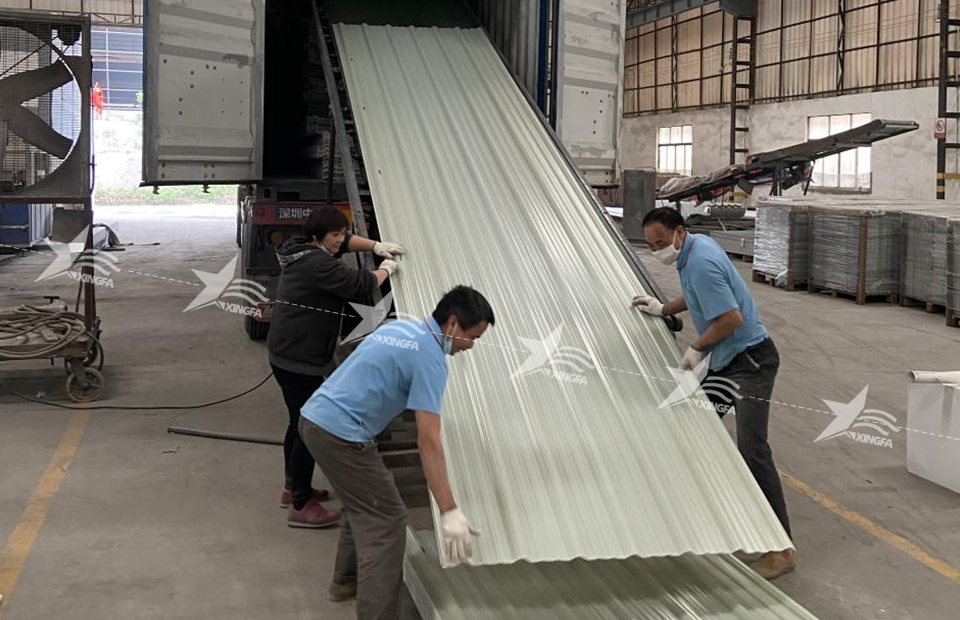
PVC roofing sheets represent a prototypical circular-economy building material. Upon reaching end-of-life, used sheets can be systematically collected, shredded, and pelletized for reuse in the manufacture of new construction products—including auxiliary municipal infrastructure components—enabling true resource regeneration. Unlike asbestos-cement sheets or aged concrete tiles—which must be landfilled as inert solid waste with no recovery value—PVC sheets avoid landfill dependency. Their inherent recyclability substantially reduces solid waste generation and lowers the environmental remediation and disposal costs associated with facility retrofitting or roof replacement projects.
Controlled Degradation with Negligible Long-Term Environmental Impact
Certified industrial-grade PVC roofing sheets comply rigorously with environmental regulations governing material composition. Even in cases where minor quantities of post-consumer material remain uncollected, natural degradation proceeds without generating persistent toxic residues. Such materials pose no risk of soil or groundwater contamination. Relative to single-use, non-degradable, or persistently hazardous building materials, their environmental footprint is exceptionally low—fully supporting the principles of green, circular industrial development.
5. Comparative Environmental Advantages Over Conventional Industrial Roofing Materials
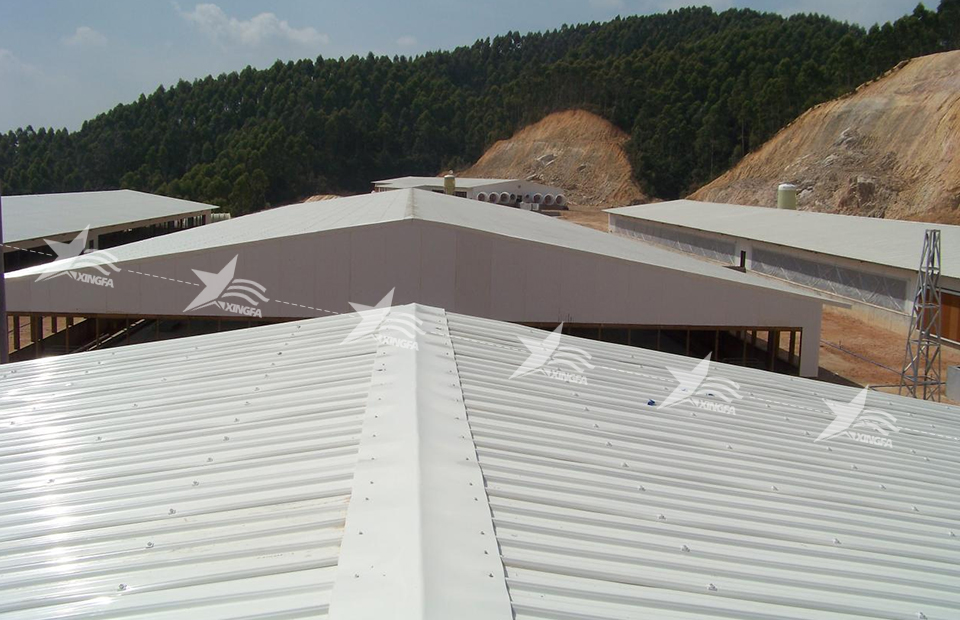
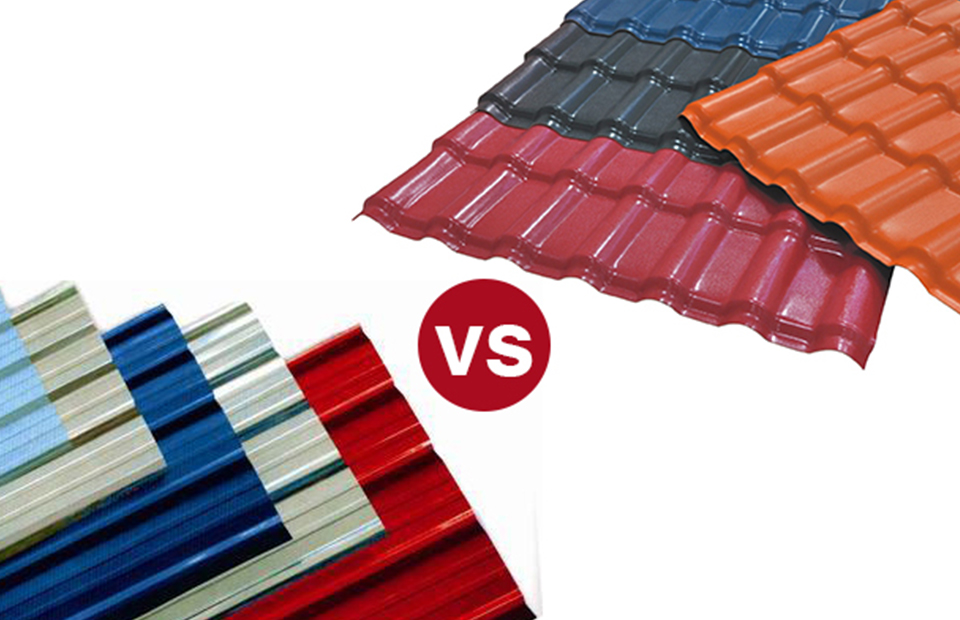
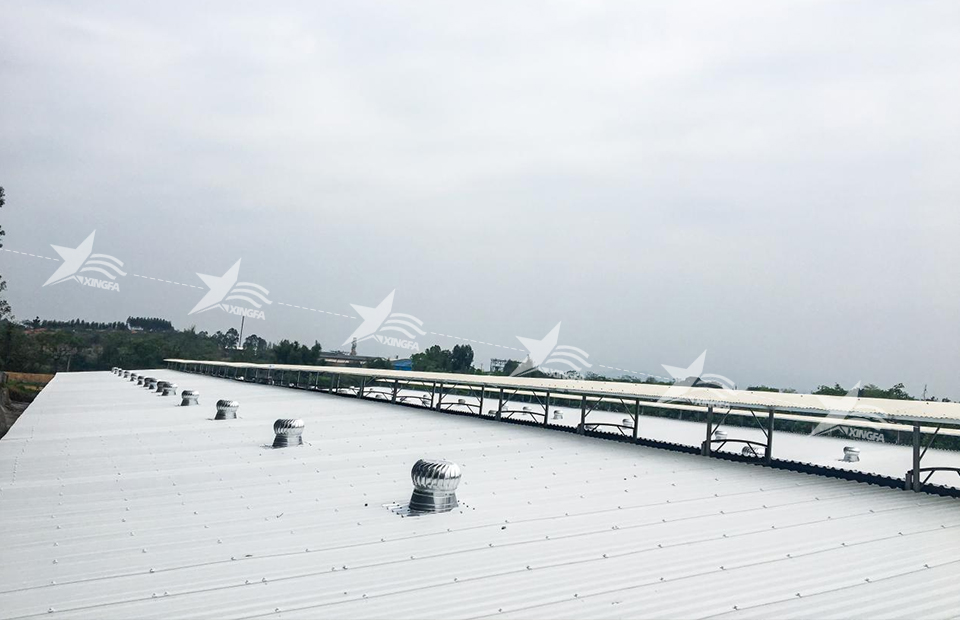
A holistic assessment confirms that PVC roofing sheets deliver superior environmental performance compared to traditional alternatives. Color-coated steel sheets entail high-pollution surface treatment processes, suffer from progressive corrosion-induced contamination during service, and exhibit low scrap recovery rates. Asbestos-cement sheets present well-documented carcinogenic hazards and have been phased out nationally. Concrete roofing tiles impose excessive structural loads, require energy-intensive production, and generate non-recyclable demolition waste. In contrast, PVC roofing sheets establish a fully integrated environmental lifecycle: low-carbon manufacturing, zero-emission in-service operation, and closed-loop recyclability—making them ideally suited to the green construction needs of diverse industrial facilities, including warehouses, manufacturing plants, and agricultural production sites.
6. Conclusion
PVC roofing sheets for industrial facilities constitute a truly sustainable, cradle-to-cradle green building material. Across all lifecycle stages—raw material sourcing, manufacturing, in-service application, and end-of-life management—they meet stringent industrial environmental standards. Their raw materials are non-toxic and dust-free; their production is low-carbon, clean, and energy-efficient; their in-service performance is stable, non-polluting, and conducive to improved site-level environmental quality; and their end-of-life disposition enables full material recovery and reuse—significantly mitigating construction waste generation and conserving natural resources.
For enterprises undertaking new construction or roof refurbishment, selecting certified, high-quality PVC roofing sheets ensures optimal roof durability, corrosion resistance, and waterproofing performance—while simultaneously fulfilling strategic commitments to green production and low-carbon development. As such, they represent a premier roofing solution that harmoniously balances functional excellence with environmental responsibility.