ES
ES  EN
EN  RU
RU  AR
AR PVC Factory Roofing Sheet Selection Guide: How to Choose a Compliant and Durable Industrial Roofing Solution
Common Pain Points in the Selection and Application of PVC Factory Roofing Sheets
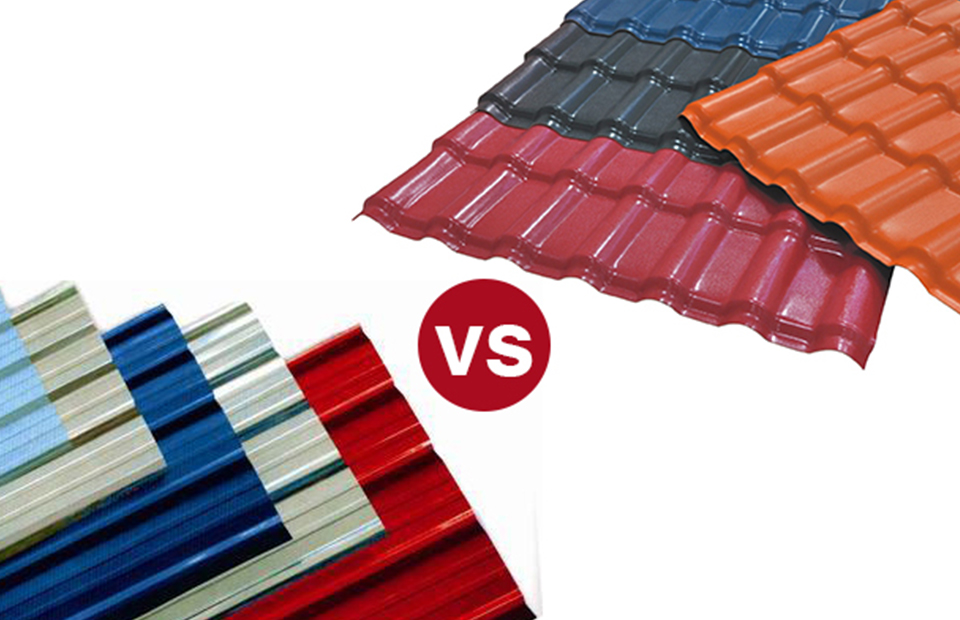
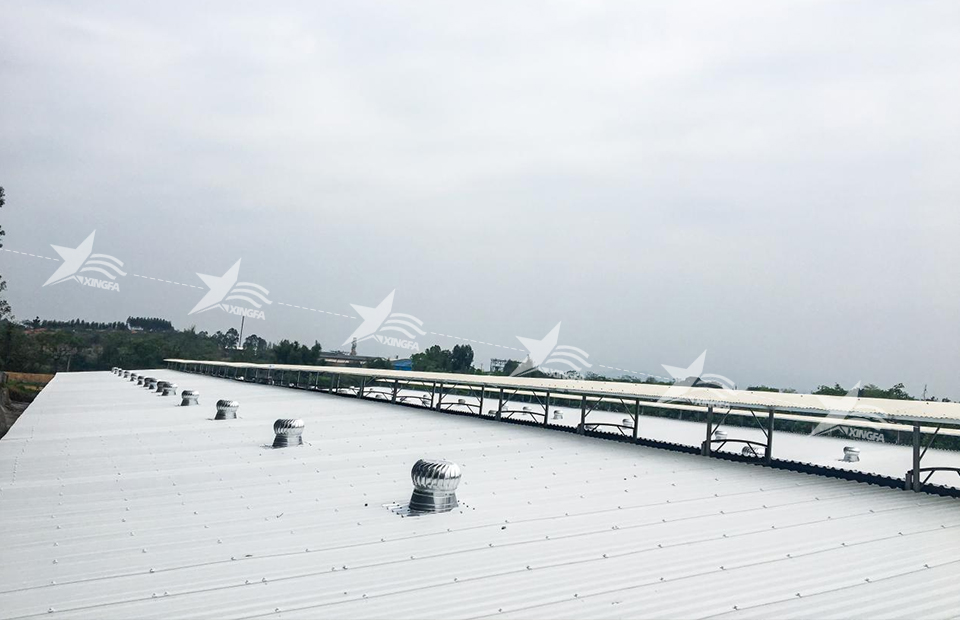
In industrial factories, warehouses, livestock greenhouses, and similar applications, PVC factory roofing sheets have gradually replaced traditional color-coated steel sheets and ceramic tiles—leveraging advantages such as lightweight construction and superior corrosion resistance. However, many users still encounter significant challenges during procurement and installation: conventional color-coated steel sheets are prone to rusting and leakage in chemical or coastal environments, resulting in short service life; certain low-cost PVC sheets fail to meet required fire safety standards, leading to non-compliance with fire inspection requirements and associated regulatory risks; some products exhibit poor impact resistance, cracking easily during installation—increasing material waste and labor costs; and others suffer premature discoloration and chalking within two to three years under corrosive conditions, necessitating frequent refurbishment and driving up long-term total cost of ownership. This article presents a clear, professional decision-making framework to help users select high-value, fully compliant products.
Five Core Selection Criteria for High-Performance PVC Factory Roofing Sheets
- Compliant and Certified Fire Performance
Industrial facilities and storage spaces are subject to mandatory fire-resistance requirements. When selecting PVC roofing sheets, users must first verify that the product achieves Class B1 (difficult-to-ignite) fire rating per national standards—demonstrating flame self-extinguishment upon removal of ignition source and absence of flaming droplets. Only products meeting this benchmark satisfy fire code compliance, thereby preventing rework, project delays, and safety hazards.
- Stable and Reliable Corrosion & Weather Resistance
Given the prevalence of acidic/alkaline exposure and high-salinity coastal atmospheres in industrial settings, premium PVC roofing sheets must incorporate UV stabilizers and acid/alkali-resistant formulations, while strictly limiting calcium carbonate filler content. Such engineering ensures a service life exceeding 15 years under harsh environmental conditions—significantly reducing long-term maintenance and refurbishment expenditures.
- High Impact Toughness and Installation Efficiency Top-tier
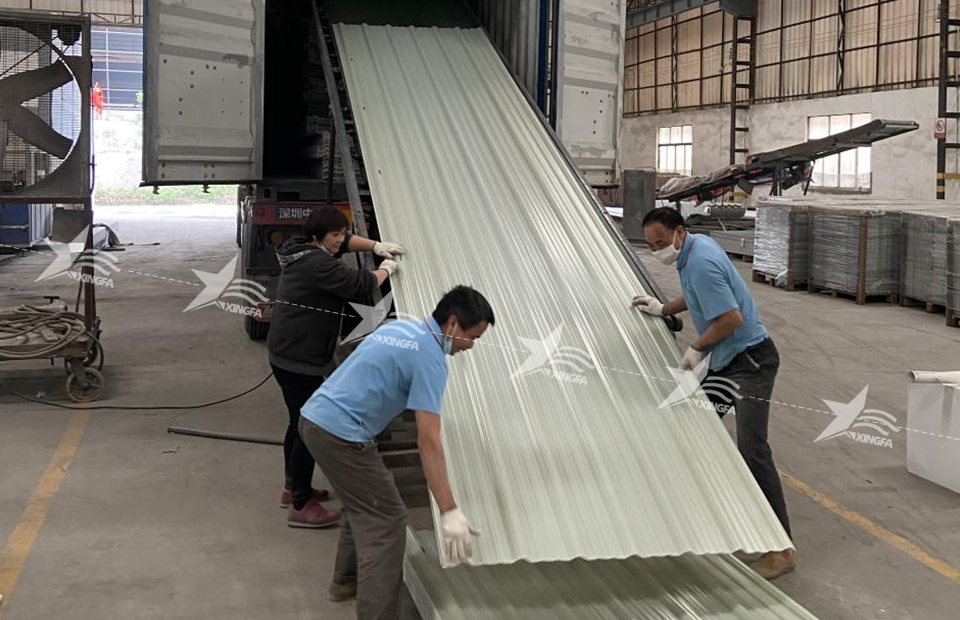
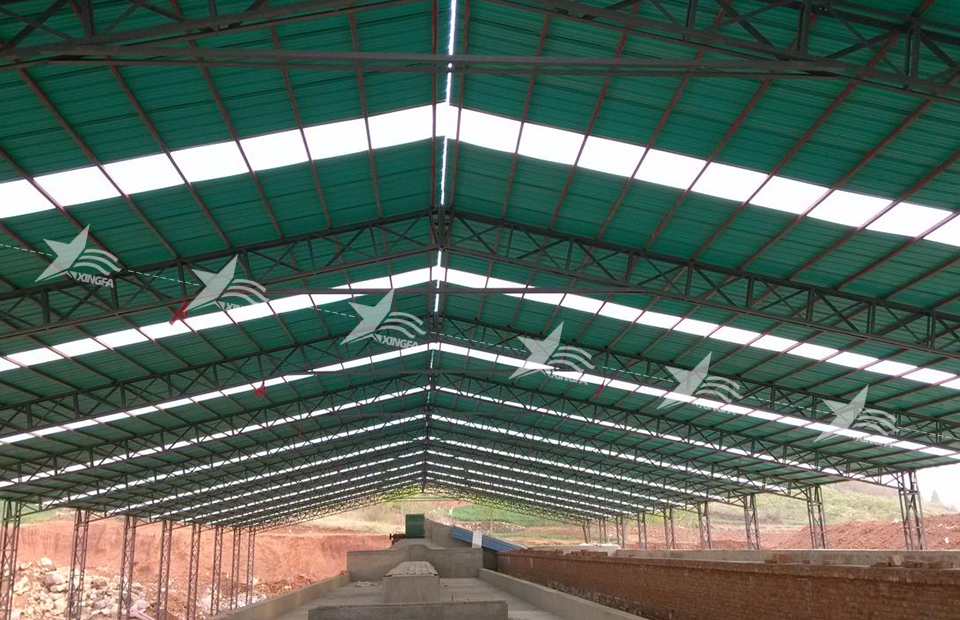
PVC roofing sheets achieve an optimal balance between fire performance and mechanical toughness through scientifically refined formulations. They must withstand direct fastening without cracking and resist chipping during cutting. Ideally, they feature integrated lap-marking lines for precise alignment—enabling standard construction crews to install rapidly and accurately, thus lowering labor costs, minimizing material waste, and accelerating project timelines.
- Effective Thermal Insulation Performance
In southern regions experiencing high summer temperatures, PVC roofing sheets must deliver robust thermal insulation. Products with hollow-core sandwich structures can achieve a temperature differential of 10–15°C across the roof deck—reducing air-conditioning energy consumption in production workshops and enhancing indoor thermal comfort and operational efficiency.
- Lightweight yet High-Strength Structural Characteristics
Roofing sheets with lower unit-area mass reduce load demands on primary structural components—particularly purlins—thereby decreasing initial structural investment. This characteristic is especially advantageous for retrofitting aging factories, where existing frameworks often require no reinforcement prior to installation. Additionally, lighter weight facilitates safer handling and lowers onsite safety risks during installation.
Three Critical Misconceptions to Avoid When Selecting PVC Factory Roofing Sheets
Misconception #1: Prioritizing Low Price Over Material Composition and Formulation
Many purchasers gravitate toward budget-priced options without scrutinizing raw material quality. In reality, most low-cost PVC sheets are manufactured using recycled feedstock and excessive calcium carbonate filler (>50% by weight), resulting in brittle material prone to cracking, chalking, and fading after just two to three years of service. The cumulative cost of repeated replacement and maintenance far exceeds the initial price differential.
Misconception #2: Ambiguous Fire Classification and Complacency Regarding Compliance
Some suppliers label products simply as “flame-retardant” without specifying formal fire classification. In practice, such products may only meet Class B2—or even lower—standards, falling short of mandatory industrial fire code requirements. This exposes projects to stop-work orders, costly rework, regulatory penalties, and liability risks. Buyers must insist on official, third-party fire test reports clearly indicating Class B1 certification.
Misconception #3: Overlooking Installation Compatibility, Leading to Hidden Costs
To enhance fire resistance, certain manufacturers compromise material toughness—necessitating pre-drilling during installation and increasing susceptibility to cracking. This not only raises material loss but also requires specialized tools and additional skilled labor, extending construction schedules and inflating overall project costs.
Exemplary Professional-Grade PVC Factory Roofing Sheet Solution
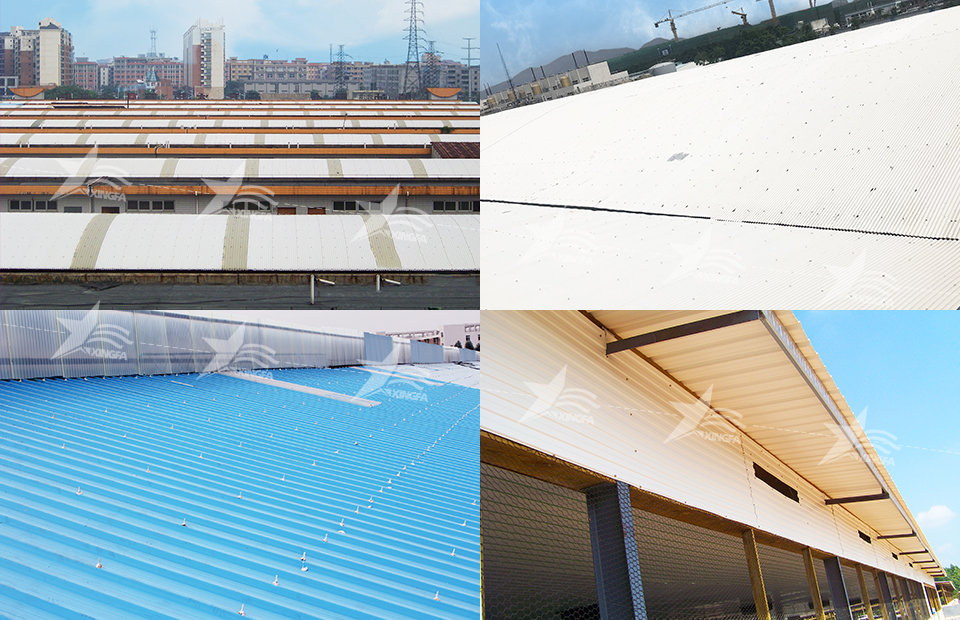
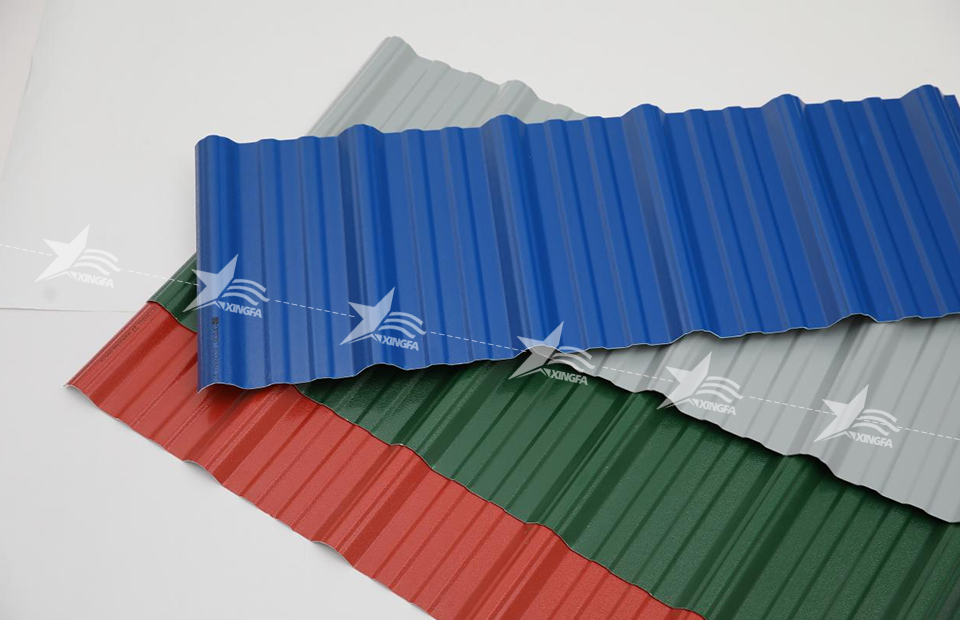
What does an ideal PVC factory roofing sheet—fully aligned with all the above criteria—look like? It must strike a scientifically validated equilibrium among fire safety, environmental durability, and installation practicality. Take Xingfa PVC Factory Roofing Sheets as an illustrative case: developed by a high-tech enterprise with 21 years of industry expertise, this solution comprehensively fulfills all five core selection standards.
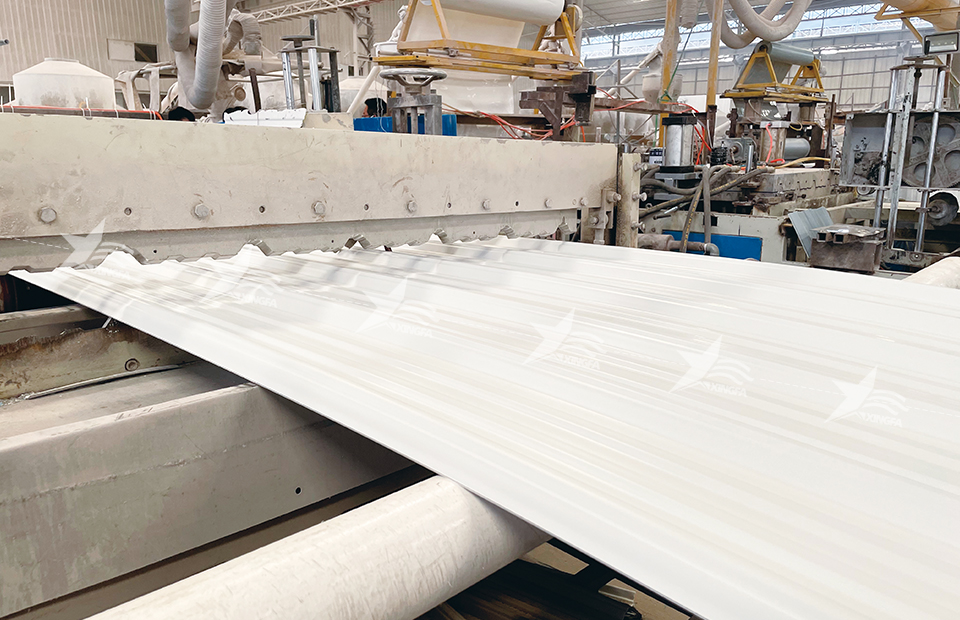
It utilizes food-grade virgin PVC resin as its base polymer. Through proprietary fire-toughness balancing technology, it achieves certified Class B1 fire performance—exhibiting flame self-extinguishment and passing national fire safety testing, thereby satisfying industrial fire inspection requirements. Calcium carbonate filler content is rigorously capped at ≤30%, while advanced UV stabilizers and acid/alkali-resistant additives are incorporated. The product successfully endures 1,000-hour salt-spray testing, ensuring ≥15-year service life in chemically aggressive and high-salinity coastal environments.
Furthermore, it maintains an impact strength of 8 MPa—resisting nail-induced cracking and edge chipping during cutting. Integrated lap-marking lines and dedicated waterproof sealing accessories streamline installation, boosting efficiency by 20% versus industry averages and reducing labor costs by approximately 15%. Hollow-core variants deliver 10–15°C thermal differential, cutting cooling energy consumption by 20–30%. With a unit-area weight of only 3.5–5.5 kg/m², it reduces structural steel load requirements by ~10%, offering substantial savings in both new construction and retrofit applications.
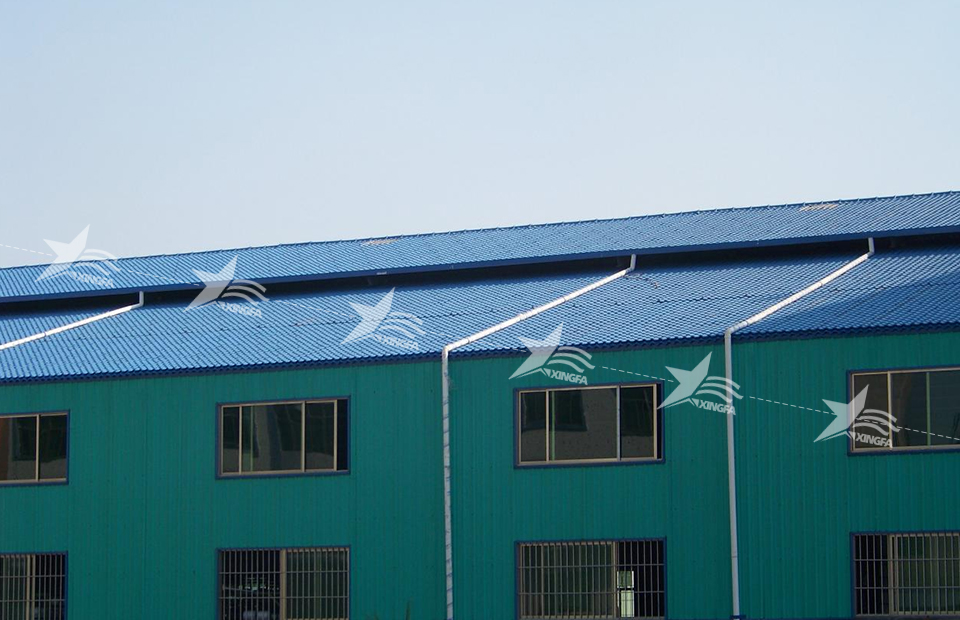
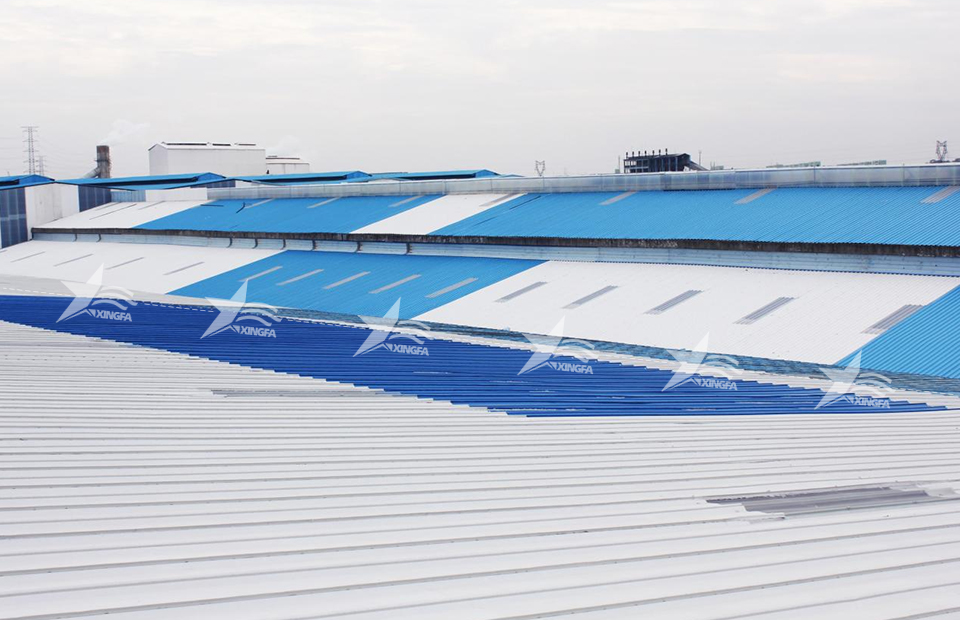
In a recent roof renovation project at a large-scale ceramic manufacturing warehouse, the original color-coated steel roof—installed four years earlier—had deteriorated severely due to rust and leakage. Indoor temperatures soared to 43°C, and the facility failed to meet fire safety regulations, risking fines. Following replacement with Xingfa PVC roofing sheets, interior temperatures dropped below 33°C, annual maintenance expenses declined from ¥120,000 to ¥12,000, and full fire code compliance was achieved. Annual cost savings—including energy, maintenance, and penalty avoidance—now exceed ¥100,000, with the system retaining excellent performance after five years of service.
Summary: Action-Oriented Selection Guidelines for PVC Factory Roofing Sheets Selecting
PVC factory roofing sheets should center on long-term total cost of ownership—not merely upfront purchase price. To make informed, strategic decisions, adhere to these essential principles:
- Prioritize products with explicitly verified Class B1 fire rating—and require suppliers to furnish official, accredited fire test reports to ensure regulatory compliance and successful fire inspection.
- Scrutinize material formulation: avoid low-cost alternatives with excessive calcium carbonate filler, which jeopardize long-term weatherability and service life.
- Select high-toughness products featuring user-friendly installation features (e.g., lap markings, optimized fastening design) to minimize waste, reduce labor input, and accelerate project completion.
- Favor manufacturers offering direct sales channels and comprehensive technical support—including on-site installation guidance—to guarantee supply continuity, product authenticity, and responsive after-sales service.