ES
ES  EN
EN  RU
RU  AR
AR Analysis of Causes for Color Fading in PVC Factory Roofing Sheets and Tiered Remediation & Preventive Maintenance Strategies
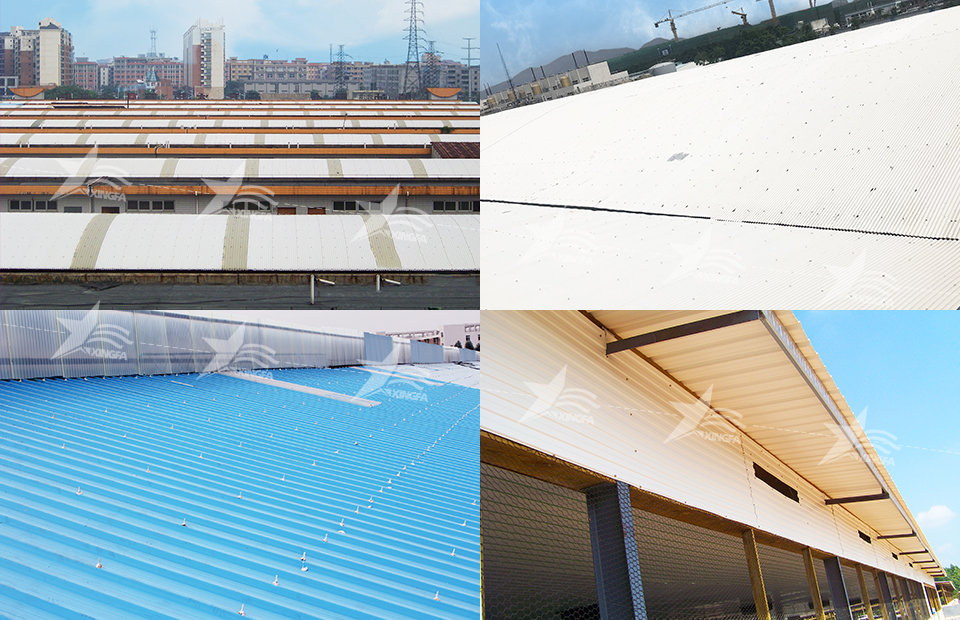
Color fading and gloss loss are the most common aging phenomena observed in PVC factory roofing sheets subjected to prolonged outdoor exposure. Many industrial facilities report issues such as whitening, yellowing, and uneven coloration across roof surfaces. While many property owners mistakenly perceive fading as a purely aesthetic concern requiring no intervention, it is in fact an early indicator of degradation in the surface weather-resistant layer and progressive deterioration of material performance. If left unaddressed, fading may be followed by more severe problems—including chalking, embrittlement, cracking, and water infiltration. Importantly, color fading in PVC roofing sheets is not attributable to a single cause; rather, it results from the complex interplay among material formulation, local climatic conditions, site-specific operational environments, and installation practices. This paper provides a systematic analysis across three key dimensions: (1) fundamental material-related causes of fading; (2) tiered remediation strategies corresponding to varying degrees of fading severity; and (3) long-term preventive maintenance measures—offering a comprehensive, actionable framework for sustainable roof management.
1. Core Material-Related Causes of Color Fading
(A) Substandard Surface Weather-Resistant Coating
High-performance PVC roofing sheets rely on an ASA (acrylonitrile–styrene–acrylate) copolymer co-extruded weathering layer to provide robust ultraviolet (UV) resistance and long-term color stability. In contrast, many low-cost products on the market lack a genuine ASA top layer; instead, they achieve coloration solely through pigment blending into the base compound, with no dedicated protective surface structure. Under sustained solar exposure, such pigments rapidly oxidize and decompose, leading to progressive whitening, yellowing, and gloss loss. Even products incorporating ASA coatings may exhibit gradual fading if the coating thickness is insufficient or its polymer purity is suboptimal—resulting in diminished UV shielding capacity over time. Such slow, inevitable degradation represents intrinsic, material-level aging that cannot be entirely eliminated.
(B) Deficiencies in Base Material Formulation Accelerating Fading
Inferior PVC roofing sheets often contain excessive amounts of calcium carbonate filler and recycled post-consumer or post-industrial waste materials, while employing minimal proportions of virgin resin. This leads to a porous, structurally weak matrix with inadequate levels of thermal stabilizers and UV absorbers. Consequently, these materials exhibit poor dimensional and chemical stability; under combined thermal and photochemical stress, molecular chain scission occurs rapidly—manifesting not only as pronounced color fading but also as surface chalking and embrittlement. By contrast, premium-grade sheets manufactured from high-purity virgin resin, with low filler content and precisely balanced additive packages, demonstrate markedly superior material stability and significantly slower fading kinetics.
2. Environmental Factors Exacerbating Fading and Aging
(A) Cumulative Degradation from Climatic Exposure
Regions characterized by high ambient temperatures and intense solar radiation—particularly southern China—exhibit notably accelerated fading rates. Roof surface temperatures frequently exceed 70°C during summer months; this combination of sustained thermal load and intense UV irradiation accelerates oxidative degradation of the surface resin matrix, resulting in rapid chromatic attenuation. Moreover, areas experiencing large diurnal temperature fluctuations or frequent precipitation (e.g., rain, snow) subject roofing sheets to repeated cycles of thermal expansion and contraction. Over time, this induces mechanical fatigue in the protective surface layer, progressively compromising its ability to retain color and resist environmental attack. Similarly, in northern cold-climate zones, repeated freeze–thaw cycles induce microstructural damage at the surface, gradually initiating whitening and fading.
(B) Corrosive On-Site Operational Conditions Inducing Fading
Color fading is especially pronounced in industrial settings such as chemical plants, dyeing and printing facilities, livestock farms, and coastal manufacturing sites. In these environments, airborne corrosive agents—including acidic or alkaline mists, ammonia vapors, and salt-laden aerosols—cause subtle yet cumulative erosion of the sheet’s surface layer, disrupting the integrity of the protective coating and triggering localized discoloration and mottled color variation. Conversely, clean, dry storage warehouses with minimal atmospheric contamination typically sustain much longer color retention periods. In polluted, dusty, or chemically aggressive environments, the rate of color fading increases by more than 30% compared to benign conditions.
3. Tiered Remediation Strategies Based on Degree of Fading
(A) Mild Fading: Cleaning and Restorative Maintenance
Mild fading is characterized by slight gloss reduction and faint whitening, with no observable chalking, cracking, or structural compromise—indicating only superficial oxidative degradation of the surface layer. Replacement or recoating is unnecessary. The recommended approach begins with thorough cleaning using potable water and a neutral pH detergent to remove dust, grime, biological growth (e.g., mold, algae), and other contaminants. After complete drying, application of a specialized plastic rejuvenation agent or a high-performance, UV-stabilized exterior-grade wax restores surface luster, seals micro-pores, and retards further oxidation. This method is cost-effective, operationally simple, and ideally suited for routine preventive maintenance.
(B) Moderate Fading: Full-Surface Recoating and Refurbishment
Moderate fading manifests as pronounced overall color variation, widespread whitening or yellowing, yet retains full structural integrity—i.e., no embrittlement, cracking, or leakage. This condition reflects functional failure of the original weather-resistant coating. Remediation involves mechanical abrasion to remove the degraded, chalky, and oxidized surface layer, followed by meticulous debris removal. A two-coat system of purpose-formulated, PVC-compatible, high-durability roof coating is then applied: a primer coat to seal and reinforce the substrate, and a topcoat engineered to replicate the original hue while delivering renewed UV resistance, chemical inertness, and corrosion protection. This refurbished surface effectively replaces the original protective barrier, extending service life by 8–10 years—a solution offering substantially higher cost-efficiency than full roof replacement.
(C) Severe Fading: Complete Sheet Replacement
Severe fading is accompanied by extensive chalking, flaking, marked embrittlement, visible cracks, and recurrent water infiltration—signaling deep-seated, irreversible degradation of the base material and near-total loss of functional performance. At this stage, recoating is ineffective and technically unjustifiable. Comprehensive roof replacement is required. It is strongly recommended to specify high-quality, virgin-resin-based PVC sheets featuring a thick, high-purity ASA co-extruded layer. Such products address the root cause of premature fading and ensure long-term compatibility with demanding industrial service requirements.
4. Supplementary Optimization Measures: Installation and Service Environment
Suboptimal installation practices and adverse service conditions can perpetuate and accelerate fading. Excessive purlin spacing or prolonged mechanical loading induces creep deformation in the sheets, promoting surface fatigue and localized fading. Over-tightened fasteners and insufficient provision for thermal expansion/contraction concentrate mechanical stress, leading to differential aging and color inconsistency. Likewise, chronic ponding water or accumulation of organic debris (e.g., leaves, bird droppings) fosters localized corrosion and staining. To mitigate these risks, facility managers should implement regular roof inspections and debris removal, maintain consistent surface dryness and cleanliness, adhere strictly to manufacturer-specified installation guidelines—including adequate expansion joint allowances—and minimize mechanical strain on the roofing system to delay onset and progression of fading.
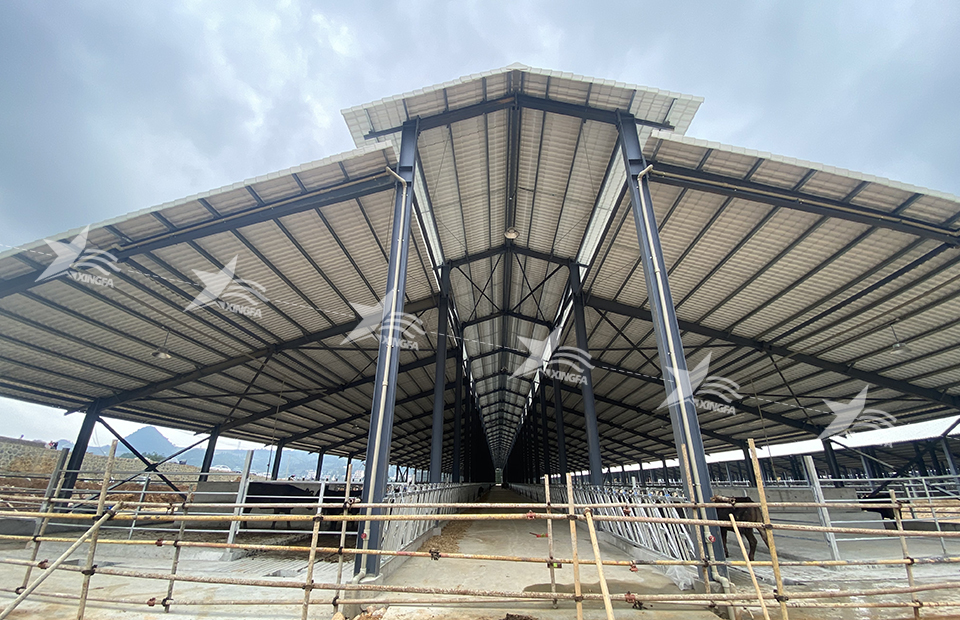
5. Long-Term Prevention: Mitigating Recurrent Rapid Fading
To prevent recurrence of rapid color fading, proactive material selection and disciplined maintenance protocols are essential. For new construction or major refurbishment projects, priority must be given to premium-grade sheets featuring high-purity ASA co-extrusion, 100% virgin resin, and low filler content—while rigorously excluding products containing recycled materials or thin, low-performance coatings. In chemically aggressive environments, scheduled surface maintenance—including annual reapplication of protective coatings—is advised to counteract cumulative corrosive effects. In high-temperature, high-UV regions, darker-hue, enhanced-weatherability variants should be selected to maximize inherent UV absorption and photostability. Through rigorous material specification, proactive environmental control, and consistent, scheduled maintenance, both color retention lifespan and overall roof service life can be substantially extended.
6. Conclusion
Color fading in PVC factory roofing sheets arises from the synergistic interaction of material composition, climatic exposure, site-specific operational hazards, and installation/maintenance quality—not merely from product defects. Mild fading is amenable to cleaning and restorative treatments; moderate fading warrants full-surface recoating; and severe, structurally compromised fading necessitates complete sheet replacement. Critically, fading serves not only as an aesthetic concern but also as a vital early-warning signal of broader roof system degradation. Timely, targeted intervention enables significant cost savings versus wholesale replacement while proactively mitigating downstream risks—including leaks, structural failure, and unplanned downtime. Ultimately, science-based material selection aligned with facility-specific environmental conditions, coupled with disciplined, periodic maintenance, constitutes the cornerstone of durable, long-lasting, and consistently aesthetically acceptable industrial roofing performance.