ES
 EN
 RU
 AR
Why Choose UPVC Roofing Tiles for Corrosive Chemical Processing Plants
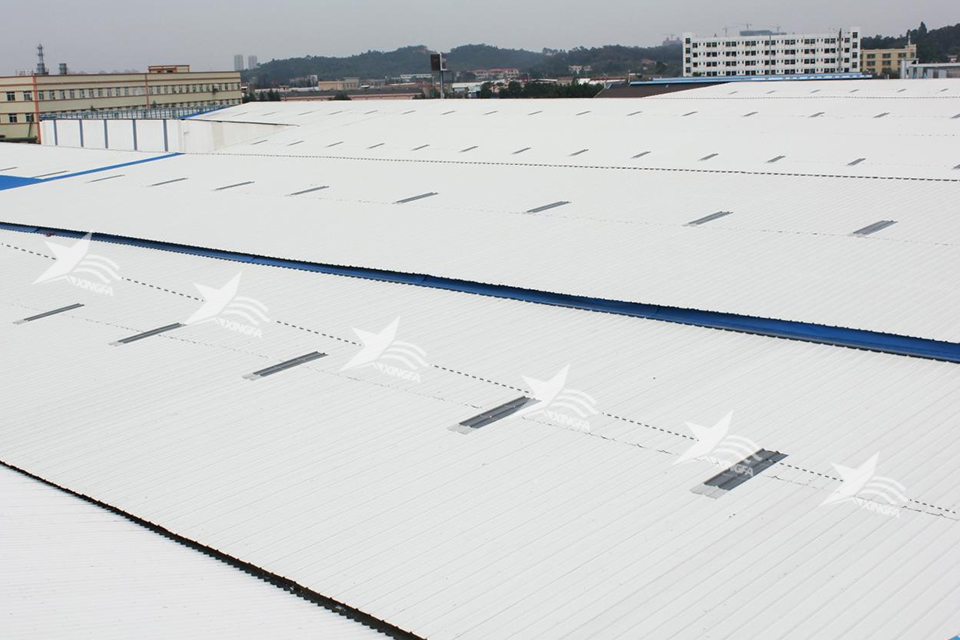
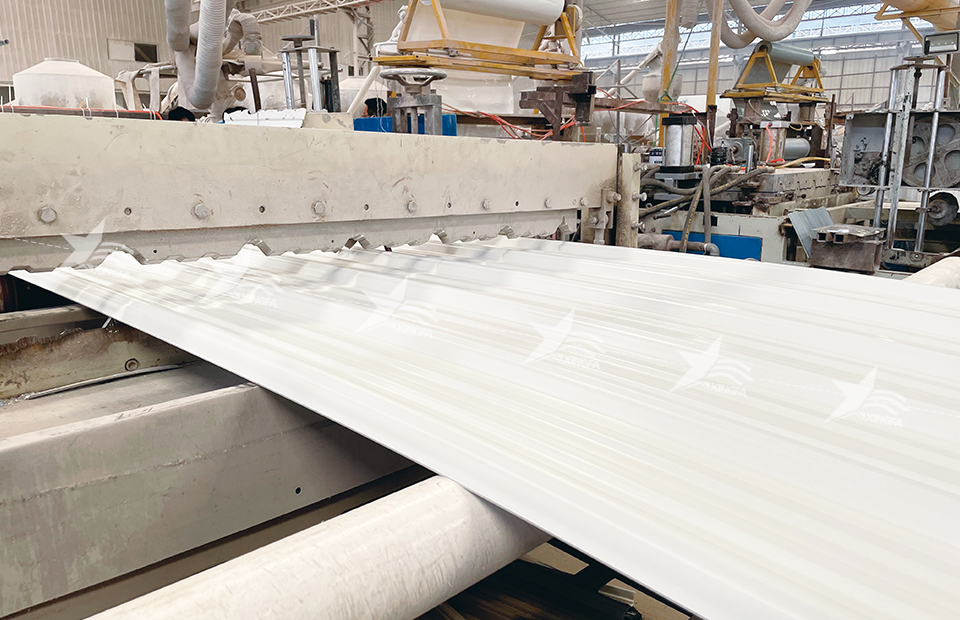
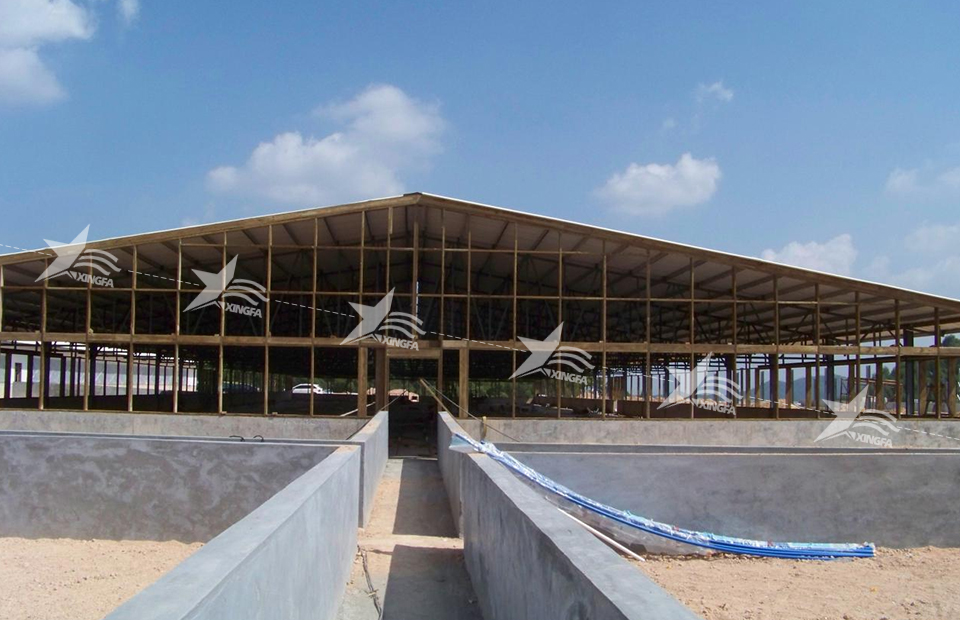
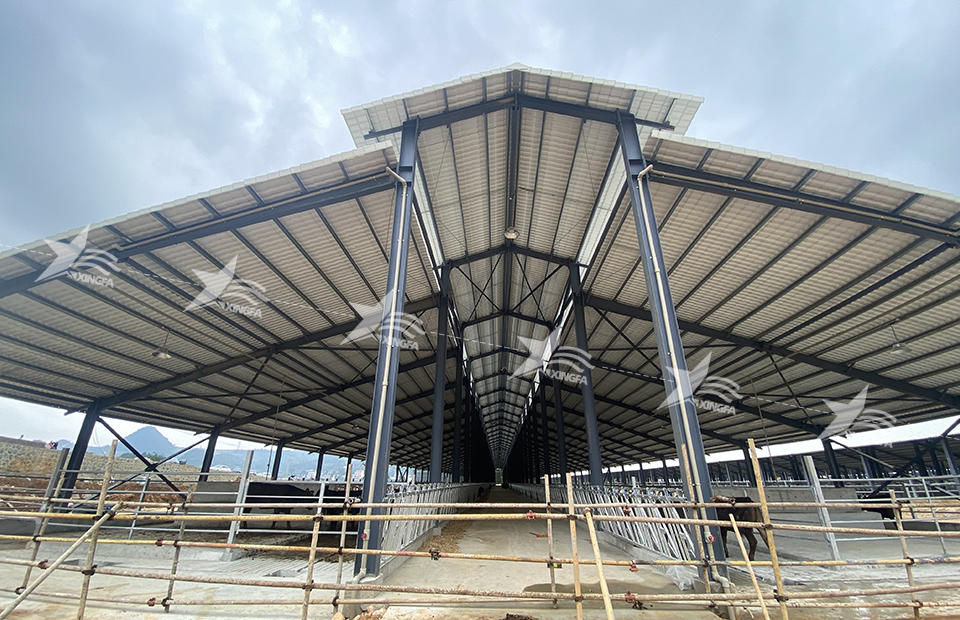
In the production environments of corrosive chemical processing plants, acidic and alkaline gases, salt-laden mist, airborne dust, and vaporized wastewater continuously attack building structures. Roofing materials with insufficient corrosion resistance rapidly suffer from rusting, delamination, and leakage—disrupting operations while compromising safety and escalating maintenance costs. UPVC roofing tiles have emerged as the preferred roofing solution for such facilities due to their exceptional chemical resistance, weather durability, waterproof integrity, lightweight design, inherent safety, low maintenance requirements, and strong cost-effectiveness—all of which align precisely with the demanding conditions of corrosive industrial settings. This article analyzes the rationale behind selecting UPVC roofing tiles across seven key dimensions: chemical resistance, weatherability and anti-aging performance, waterproofing and sealing reliability, lightweight construction and ease of replacement, safety and fire performance, lifecycle cost-effectiveness, and application boundaries and selection considerations.
1. Chemical Resistance: The Core Requirement for Chemical Environments
Chemical processing plants routinely emit acid mists, alkali mists, salt mists, and a broad spectrum of corrosive gases. Metallic roofing tiles—and even coated color-coated steel sheets—are prone to coating degradation, rust formation, and perforation when exposed to such aggressive media. In contrast, UPVC roofing tiles are non-metallic and exhibit high chemical inertness, demonstrating excellent resistance to most common acids, alkalis, and salts. They remain unaffected by prolonged exposure to corrosive gases and vapors, showing no signs of rust or corrosion byproduct generation. Unlike metallic alternatives that require frequent anti-corrosion treatments and recoating, UPVC eliminates rust-related failure at the material level—making it the primary reason for its widespread adoption in highly corrosive chemical plants. It should be noted, however, that actual resistance depends on the specific type and concentration of the corrosive medium; applications involving highly concentrated strong oxidizers or aggressive organic solvents necessitate careful evaluation of resin formulation compatibility.
2. Weatherability and Anti-Aging Performance: Withstanding Combined Environmental Stresses
Chemical plant workshops often operate under elevated ambient temperatures, exhaust fumes, and polluted air—imposing dual demands on roofing materials: resistance to both corrosion and environmental aging. High-performance UPVC roofing tiles incorporate an ASA (acrylonitrile–styrene–acrylate) co-extruded surface layer. ASA resin offers superior ultraviolet (UV) stability and oxidation resistance, enabling the tiles to retain consistent color fidelity and structural integrity under concurrent exposure to high temperature, intense solar radiation, and atmospheric pollutants. Compared to standard PVC tiles or low-grade coated alternatives, ASA-co-extruded UPVC tiles deliver significantly extended service life and enhanced reliability in the “high-temperature + pollution + UV” synergistic stress environment typical of chemical plants—thereby minimizing risks of leakage and premature replacement caused by aging-induced cracking.
3. Waterproofing and Sealing Reliability: Protecting Structural Substrates
Once corrosive liquids or vapors penetrate the roof membrane, they can cause long-term, irreversible damage to purlins and primary structural steel frames. UPVC roofing tiles ensure robust waterproofing through engineered interlocking profiles, complemented by corrosion-resistant waterproof underlayments and sealing components. The material itself is impervious to rust and highly resistant to rainwater erosion; moreover, its inherent dimensional stability ensures sustained leak-free performance over time—without degradation-induced leakage risks associated with aging. When installed per best practices—including precise overlap dimensions and proper sealing protocols—the system effectively blocks ingress of corrosive agents, safeguarding underlying structural elements and reducing whole-facility maintenance exposure. For chemical processing facilities, dependable roof waterproofing is not merely a functional requirement—it is a critical determinant of operational safety, underscoring why engineering teams place such emphasis on rigorous material selection.
4. Lightweight Construction, Ease of Replacement, and Installation Efficiency
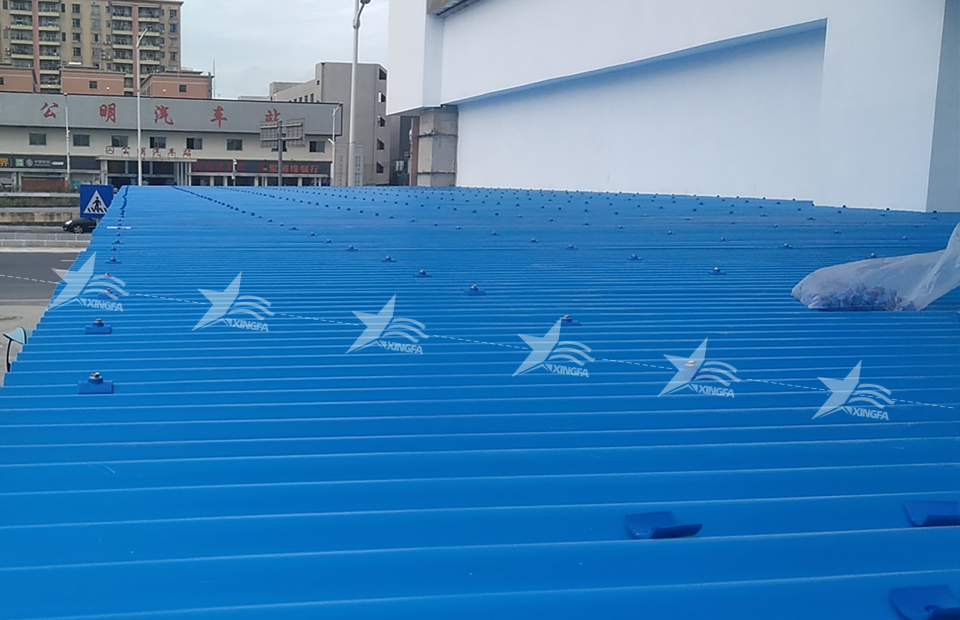
Chemical plants frequently require roof maintenance or replacement under continuous operation—or during strictly limited shutdown windows. UPVC roofing tiles offer distinct advantages in this context: their low unit weight and large coverage area per tile eliminate the need for extensive reinforcement of existing roof framing. Cutting and installation are straightforward, significantly shortening project timelines and minimizing production downtime. In cases of localized damage, individual tiles can be replaced without dismantling the entire roof assembly—enabling flexible, targeted repairs. This combination of light weight, rapid deployment, and modular replaceability directly supports the industry’s stringent requirements for safe, efficient, and minimally disruptive maintenance—greatly enhancing the engineering practicality of UPVC roofing systems.
5. Safety and Fire Performance
Safety is a paramount consideration in chemical plant roofing specifications. UPVC exhibits inherent flame-retardant properties; high-quality UPVC roofing tiles meet recognized “difficult-to-ignite” (Class B1) fire performance standards—self-extinguishing upon removal of the ignition source and generating minimal smoke during combustion. This characteristic substantially mitigates fire propagation risks and reduces toxic smoke hazards compared to combustible or smoke-intensive alternatives. It must be emphasized, however, that UPVC will soften and melt when subjected to direct, sustained high-temperature exposure (e.g., near open flames or welding operations); therefore, appropriate fire barriers and isolation measures must be implemented in zones where hot work is performed.
6. Lifecycle Cost-Effectiveness and Low Maintenance Burden
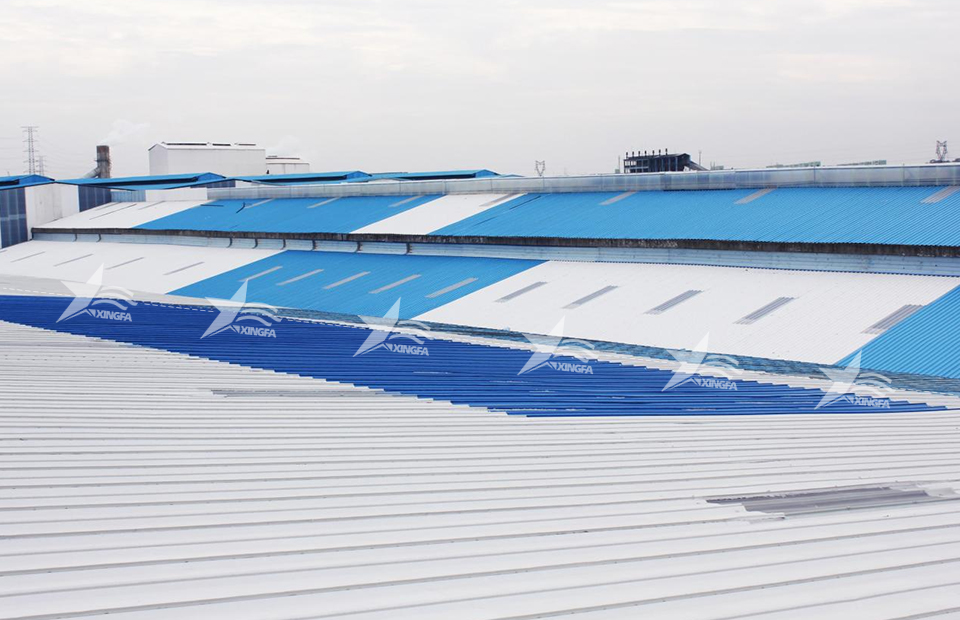
From a total lifecycle cost perspective, UPVC roofing tiles deliver compelling economic advantages. First, their initial procurement cost is moderate—typically lower than premium corrosion-resistant metals or clay-based alternatives. Second, unlike metallic roofs requiring periodic anti-rust painting and coating renewal, UPVC systems demand only routine cleaning (e.g., dust removal) and periodic inspection of sealants—resulting in markedly reduced operational maintenance effort and expense. Third, their extended service life—underpinned by proven resistance to both corrosion and environmental aging—minimizes the frequency and cost of full-system replacement. The convergence of “moderate upfront investment + minimal ongoing maintenance + extended service life” yields outstanding overall value—driving broad acceptance of UPVC roofing tiles across the corrosive chemical processing sector.
7. Application Boundaries and Selection Guidelines
Selecting UPVC roofing tiles for chemical plant applications requires careful contextual assessment. In environments characterized by strong oxidizing acids (e.g., concentrated nitric or chromic acid), high-concentration organic solvents, or other extreme corrosive conditions, higher-grade, specially formulated UPVC compounds should be specified—and, where necessary, validated via laboratory compatibility testing. UPVC tiles are unsuitable for areas subject to direct, sustained high-temperature exposure or open-flame operations (e.g., welding zones); appropriate thermal shielding or alternative materials must be used in such locations. Furthermore, only ASA-co-extruded, weather-resistant grades—not inferior spray-coated or laminated variants—should be selected. Finally, strict adherence to installation guidelines—including correct lap dimensions, use of compatible fasteners and sealants, and provision of adequate thermal expansion joints—is essential. Only through scientifically informed material selection and rigorously executed installation can UPVC roofing tiles achieve long-term, stable, high-performance service in corrosive chemical processing plants—fully realizing their dual advantages of superior corrosion protection and lifecycle economy.