ES
ES  EN
EN  RU
RU  AR
AR Analysis of Service Life and Total Cost of Use for Synthetic Resin Roofing Tiles
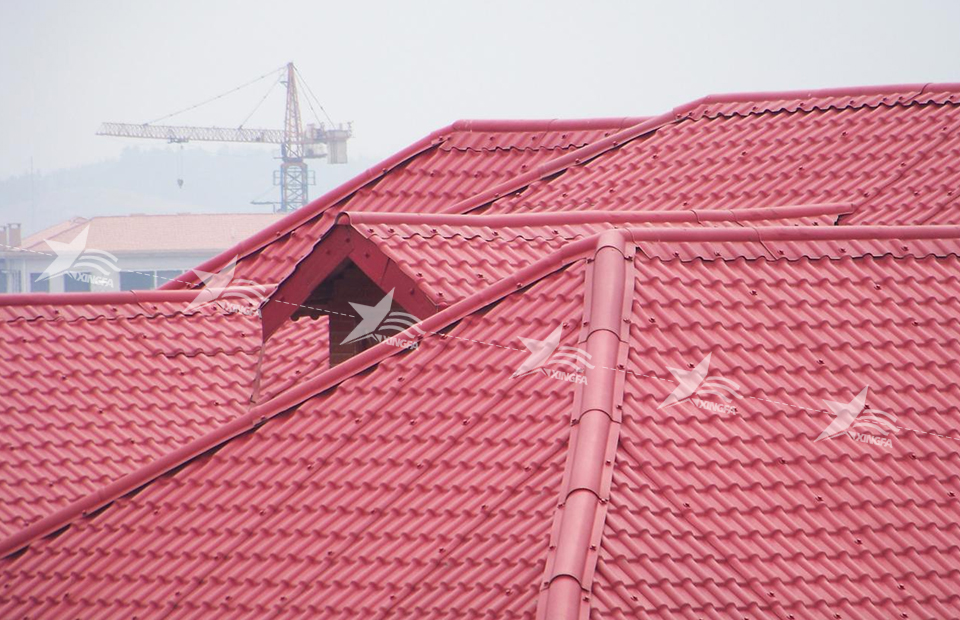
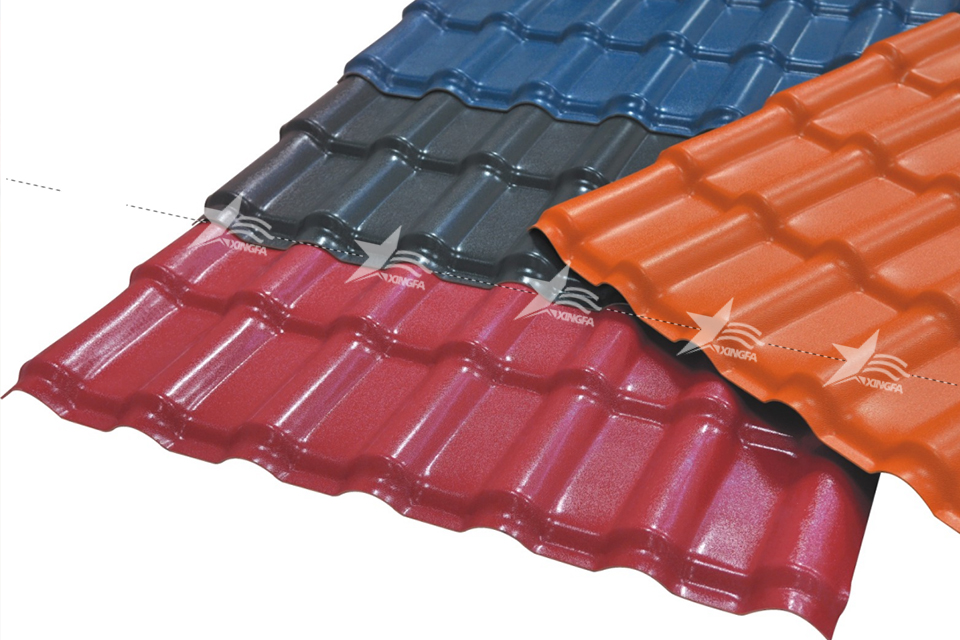
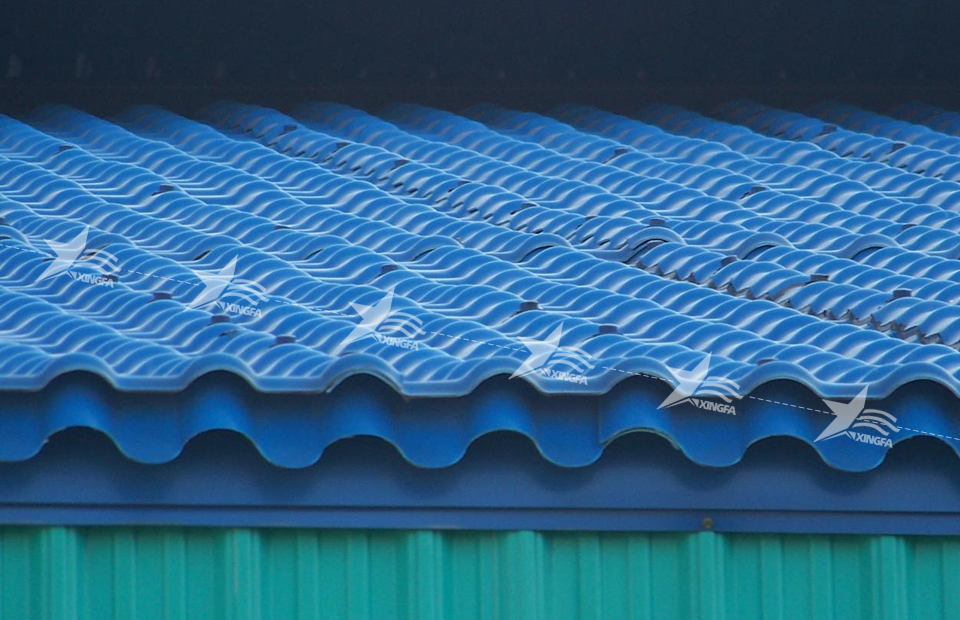
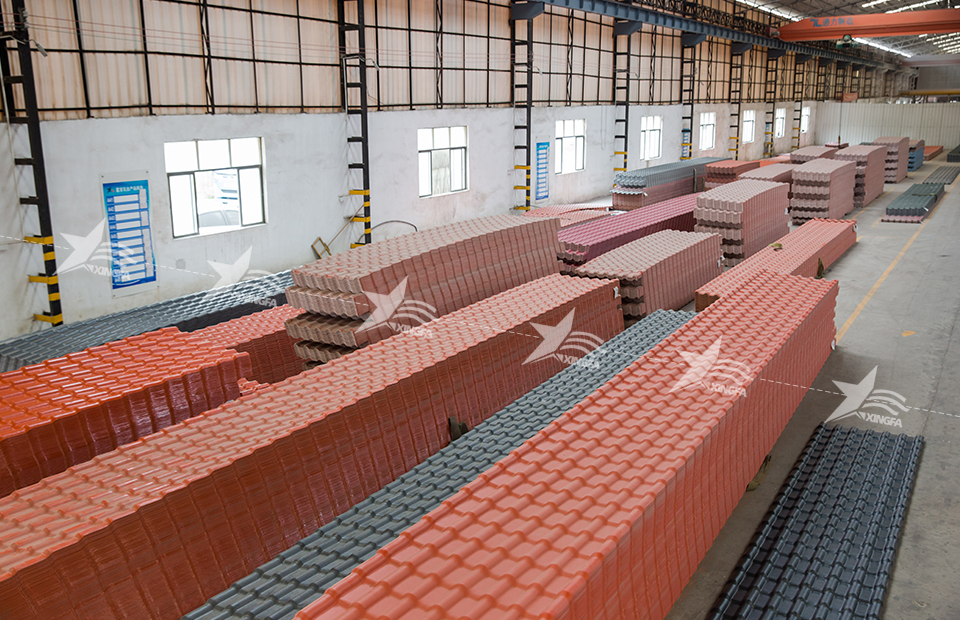
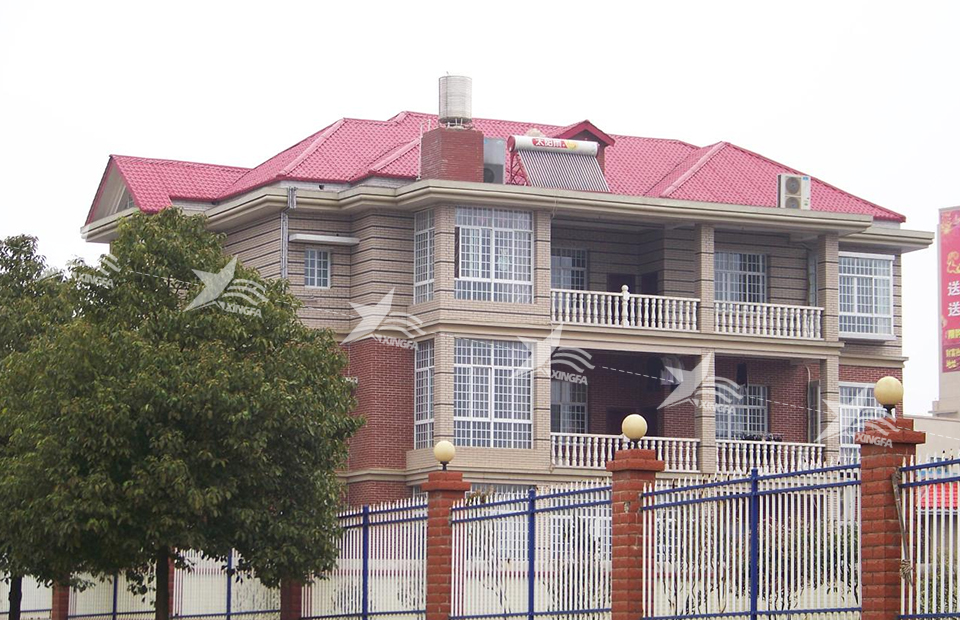
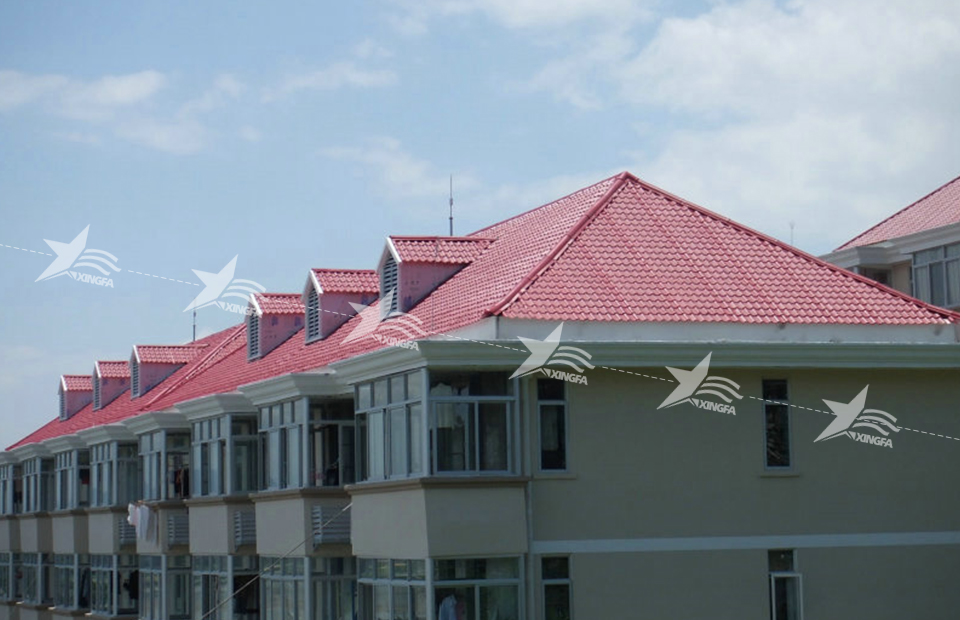
Synthetic resin roofing tiles—valued for their corrosion resistance, anti-aging properties, lightweight construction, and ease of installation—are increasingly adopted across residential buildings, industrial plant renovations, and historic-style roofing applications. They are progressively replacing traditional clay tiles and color-coated steel sheets. Their service life, user experience, and total cost of ownership over the full lifecycle are primarily governed by five core factors: raw material composition, sheet thickness, product quality, market pricing, and installation methodology.
This article systematically examines each of these key parameters to delineate patterns governing product longevity and comprehensive cost of use, thereby providing an evidence-based reference for material selection and construction planning.
1. Raw Material Composition: The Foundational Determinant of Service Life
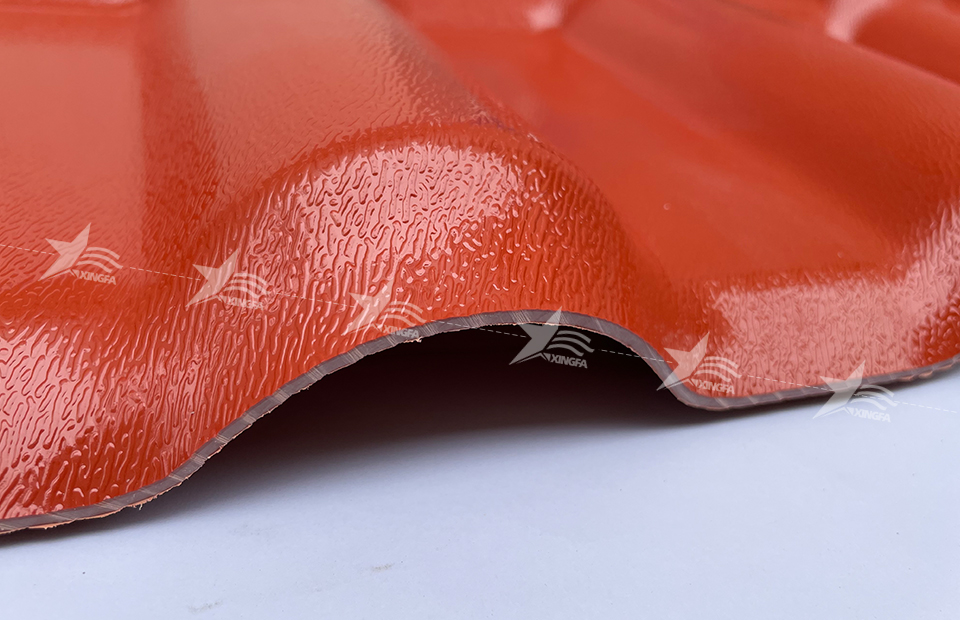
The prevailing synthetic resin roofing tiles on the market employ a multi-layer co-extruded structure comprising acrylonitrile–styrene–acrylate (ASA) and polyvinyl chloride (PVC). The precise formulation and purity of constituent materials fundamentally dictate the product’s weatherability and service life. Premium-grade products feature a top layer of 0.15–0.2 mm virgin ASA engineering resin, with the substrate composed entirely of modified virgin PVC—free from recycled or contaminated feedstock. ASA resin exhibits exceptional resistance to ultraviolet radiation, thermal cycling (extreme high and low temperatures), and chemical corrosion (e.g., acids and alkalis), enabling sustained performance under prolonged outdoor exposure to sunlight, rain, snow, and frost. Under normal service conditions, such high-end products deliver a service life of 25–35 years, with negligible fading, chalking, or cracking observed within the first decade.
Mid-tier products typically incorporate a standard 0.15 mm ASA top layer, with virgin material content ranging between 60% and 80%, supplemented by a limited proportion of compliant recycled material. These products meet national standards in performance and offer a stable service life of 15–25 years—well-suited for general residential applications. In contrast, low-end, substandard products significantly reduce the ASA layer thickness—often below 0.06 mm—or substitute it entirely with generic plastic coatings lacking dedicated weathering resistance. Moreover, recycled waste content may exceed 40%, resulting in poor impact toughness, accelerated oxidative degradation, and premature failure—including discoloration, embrittlement, cracking, and leakage—within just 3–5 years of outdoor exposure. Consequently, their effective service life is drastically curtailed.
2. Sheet Thickness: A Critical Parameter Influencing Durability and Application Suitability
Synthetic resin roofing tiles are commonly available in three standard thicknesses: 2.0 mm, 2.5 mm, and 3.0 mm. Thickness correlates positively with structural strength, impact resistance, and overall service life. The 2.0 mm variant represents an economy-grade option; its reduced base-material thickness compromises load-bearing capacity and makes it suitable only for temporary structures or simple canopies. When installed per specifications, its expected service life is approximately 10–15 years; however, in regions prone to high winds or heavy snowfall, deformation and mechanical damage are common.
The 2.5 mm thickness conforms to national standards and serves as the default specification for self-built residential homes and roof refurbishments. It offers balanced structural resilience, meets requirements for wind pressure resistance and hail impact performance, and is compatible with most typical outdoor environments—delivering a reliable service life of 15–20 years. The 3.0 mm heavy-duty variant is engineered for premium commercial and industrial projects. Its denser substrate provides superior load-bearing capability, and when combined with a high-purity ASA weathering layer, it withstands demanding conditions—including factory rooftops, high-altitude installations, and areas subject to strong winds and abrasive sandstorms. With a service life exceeding 25 years, this specification is the preferred choice for permanent, long-life architectural applications.
3. Product Characteristics: Performance Advantages Enabling Long-Term Value
Compared with conventional roofing materials, synthetic resin roofing tiles deliver distinctive functional benefits that mitigate long-term deterioration and reduce post-installation maintenance expenditures:
First, their outstanding weather resistance and corrosion protection render them impervious to moisture, acid rain, and saline-alkaline environments. Unlike color-coated steel sheets—which corrode and perforate over time—or clay tiles—which gradually weather and spall—they require neither frequent inspection nor periodic refurbishment.
Second, their lightweight nature—weighing only one-third as much as traditional clay tiles—eliminates the need for additional roof framing reinforcement, thereby lowering structural load demands and reducing renovation investment.
Third, they exhibit broad climatic adaptability: minimal brittleness or deformation occurs across wide temperature ranges, making them suitable for most geographic regions across the country.
Fourth, high-quality variants demonstrate excellent color stability; even after extended UV exposure, chromatic deviation remains negligible—obviating the need for repainting or touch-up treatments.
That said, certain performance limitations exist—particularly among inferior products. Low-end variants often exhibit inadequate heat resistance and flame retardancy. Prolonged exposure to elevated temperatures accelerates polymer degradation, underscoring the necessity of selecting certified, nationally standardized products for permanent construction to ensure both safety and durability.
4. Market Pricing: Tiered Cost Structures Aligned with Quality and Lifespan
Market pricing for synthetic resin roofing tiles reflects a clear tiered structure, closely aligned with raw material quality, thickness, and projected service life. Economy-grade 2.0 mm products manufactured with high proportions of recycled content are priced at RMB 18–25 per square meter. While inexpensive, they suffer from poor quality, short service life, and high failure rates—making them appropriate solely for short-term, temporary structures.
Standard 2.5 mm products made entirely from virgin materials are priced at RMB 26–40 per square meter. Offering consistent quality and balanced performance, they represent the optimal value proposition for the majority of residential applications and constitute the mainstream market choice.
Premium 3.0 mm heavy-duty tiles command prices of RMB 40–60 per square meter, while branded engineering-grade variants may reach RMB 60–100 per square meter. These products utilize 100% virgin raw materials and precision manufacturing processes, backed by extended warranty periods. They are ideally suited for permanent infrastructure, high-end historic-replica roofs, and challenging installation environments. From a total cost-of-ownership perspective, although initial procurement costs are higher, the annualized cost per year of service is substantially lower than that of low-cost, low-quality alternatives—yielding superior long-term economic efficiency.
5. Installation Cost: Impact on Overall Investment and Operational Reliability
Synthetic resin roofing tiles feature straightforward installation procedures and short construction timelines, resulting in significantly lower labor and auxiliary material costs compared to clay or glazed tiles. For standard, flat-roof installations—including tiles, waterproofing accessories, fasteners, and labor—the turnkey installation cost ranges from RMB 50–80 per square meter. Simplified roof retrofitting projects may be executed for as little as RMB 45 per square meter, whereas complex geometries or steep-pitch roofs—with heightened safety and technical requirements—may incur installation costs of RMB 80–100 per square meter.
Installation methodology directly influences both service life and functional performance. Proper execution—including correct overlap dimensions, secure fastening, and meticulous waterproofing—effectively prevents leakage, edge curling, and tile detachment, thereby extending roof longevity. Conversely, cost-driven, non-compliant installation practices—such as insufficient lapping, inadequate anchoring, or incomplete sealing—introduce latent defects that necessitate repeated repairs, generating substantial hidden costs over time. Overall, synthetic resin roofing tiles benefit from standardized accessory compatibility and low material wastage; when installed to specification, their integrated installation cost remains predictable and well-controlled.
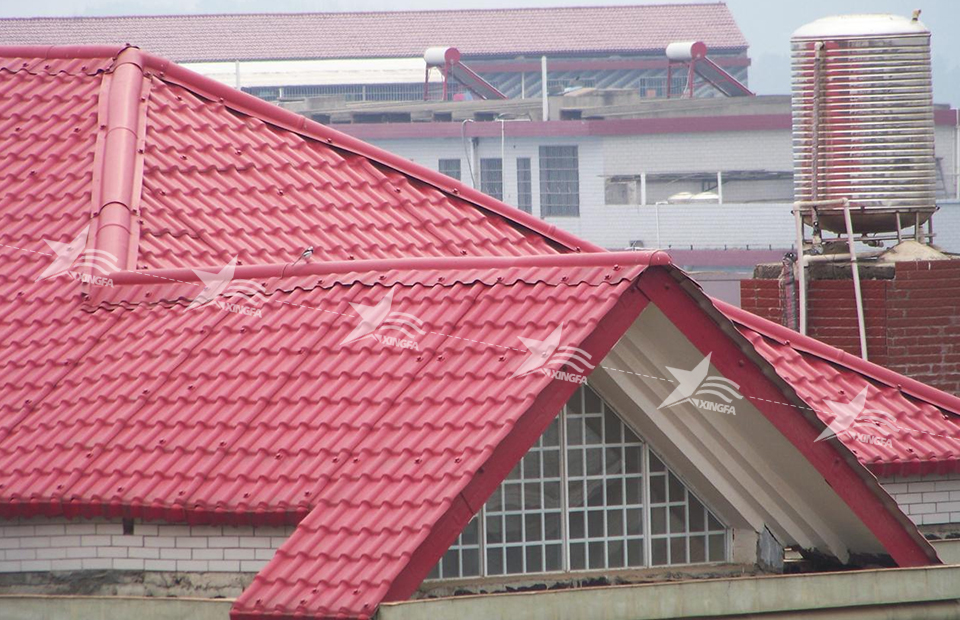
6. Comprehensive Summary
In summary, the whole-life cost-effectiveness of synthetic resin roofing tiles hinges primarily on raw material composition and panel thickness—not merely on initial procurement price. Low-end, thin-profile products made from recycled materials entail low upfront investment but suffer from short service life, frequent maintenance requirements, and short replacement cycles, resulting in the highest total cost of ownership over time. In contrast, 2.5 mm tiles manufactured from virgin, national-standard-compliant materials strike an optimal balance among cost, performance, and durability—making them the most cost-effective solution for the majority of residential applications. Meanwhile, premium 3.0 mm thickened tiles command a higher initial investment; however, their exceptionally long service life and minimal maintenance needs render them particularly suitable for permanent structures and demanding environmental conditions.
Compared with traditional color-coated steel sheets and clay tiles, synthetic resin tiles offer superior ease of maintenance and extremely low wear-and-tear, delivering significant advantages in terms of whole-life-cycle cost. In practical implementation, selecting tiles fabricated from nationally certified virgin ASA+PVC materials—appropriately matched to application-specific thickness requirements—and installing them using standardized, industry-recognized procedures maximizes product performance and effectively reduces long-term roof ownership and operational costs.