ES
ES  EN
EN  RU
RU  AR
AR How to Install Synthetic Resin Roofing Tiles? Key Considerations

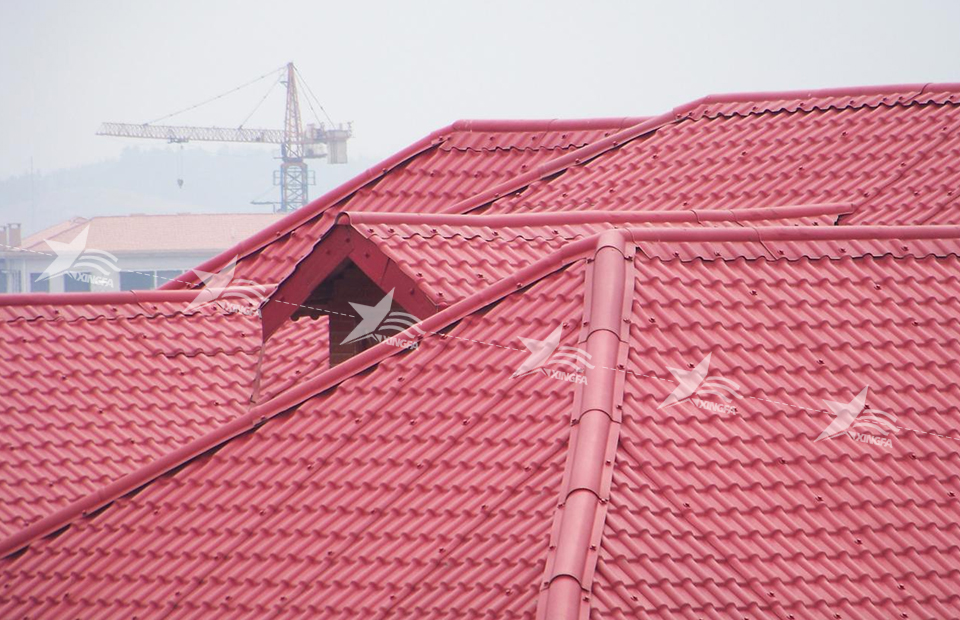
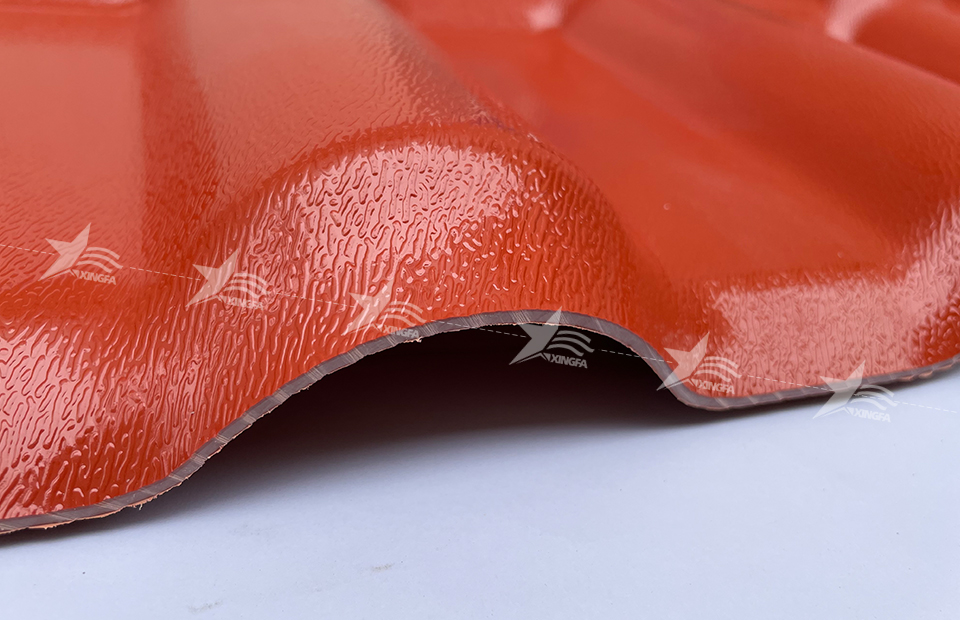
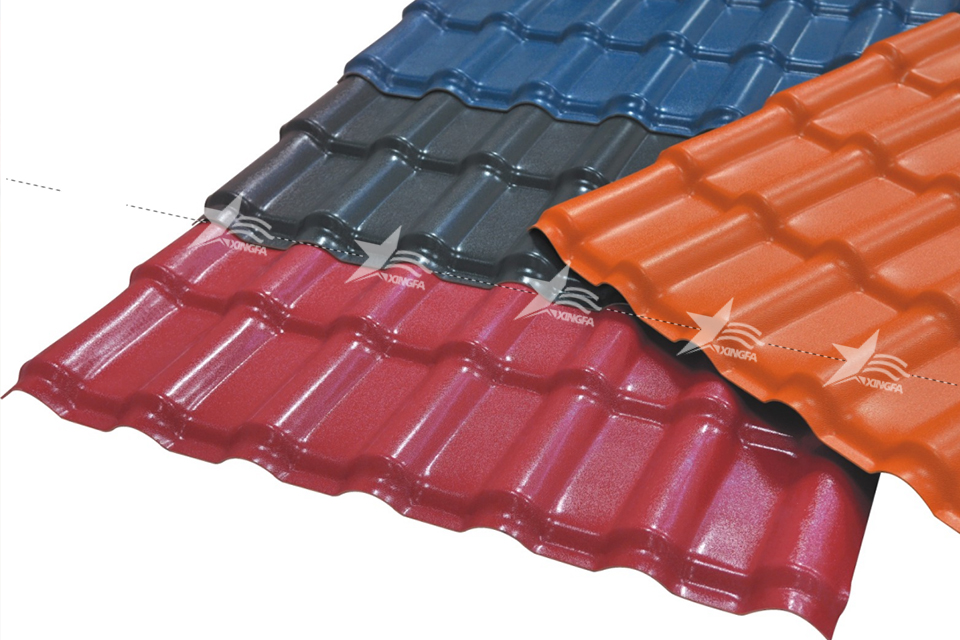
Synthetic resin roofing tiles are a recently popularized, lightweight, and innovative roofing material widely adopted in the construction industry. So, how should they be installed properly?
The successful installation of synthetic resin roofing tiles hinges on four critical technical steps: accurate layout and leveling, proper tile overlap, standardized fastening, and meticulous waterproofing at details.
Prior to tile installation, it is essential to construct a robust purlin (roof framing) system—this forms the foundational structure ensuring roof flatness, stability, and long-term durability.
Recommended purlin materials include:
– Wooden battens measuring 60 × 40 mm (subject to pre-installation anti-corrosion treatment);
– Square steel tubes measuring 60 × 40 × 3 mm; or
– C-section steel channels measuring 100 × 50 × 3 mm.
Purlin spacing must comply with tile profile requirements:
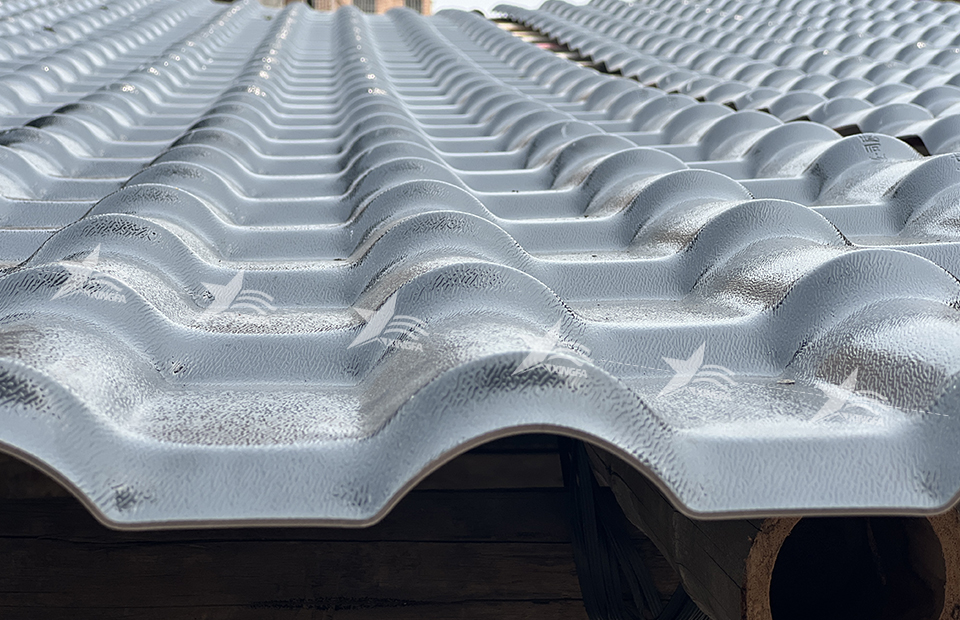
– For ribbed (bamboo-joint) profile tiles, maximum spacing shall not exceed 660 mm;
– For large-radius curved profile tiles, maximum spacing shall not exceed 750 mm. Excessive spacing may result in excessive deflection under foot traffic, leading to deformation or localized collapse.
Additionally, the topmost purlin should be positioned approximately 180 mm below the ridge line, while the bottommost purlin should be set 50–70 mm above the eave edge—ensuring adequate clearance for subsequent installation of ridge caps and eave closure boards.
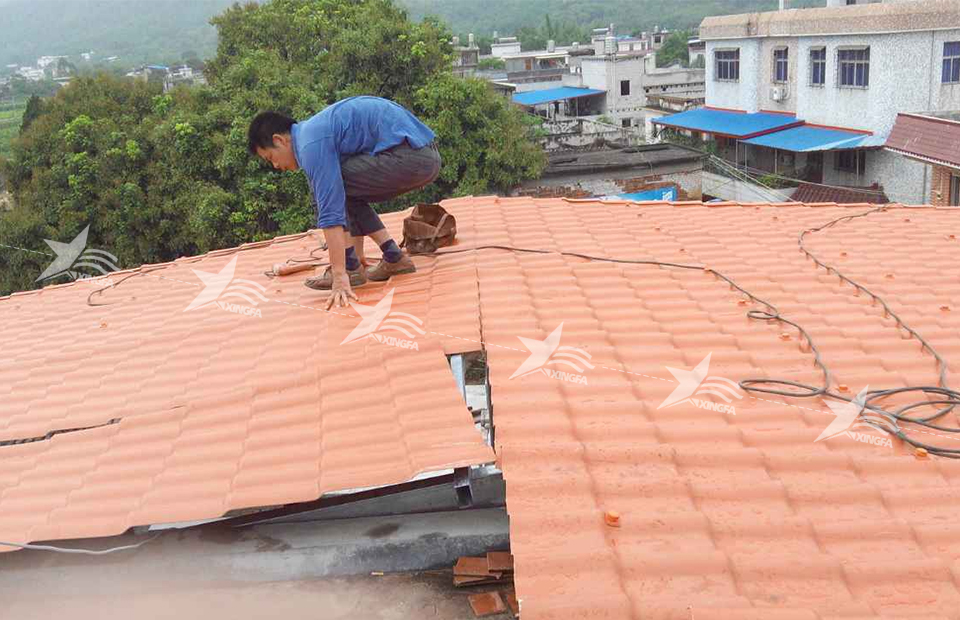
1.Layout and Positioning
Mark horizontal reference lines directly onto the purlins to ensure straight, level alignment of the first course of tiles. For gable roofs, tiles must be installed symmetrically from both slopes simultaneously to prevent ridge misalignment.
2. Main Tile Installation
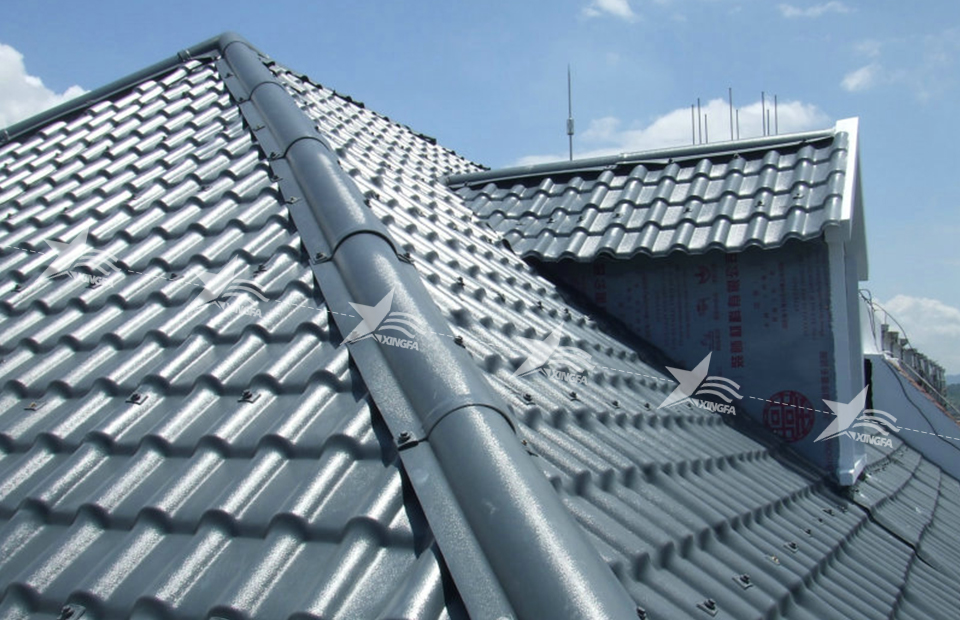
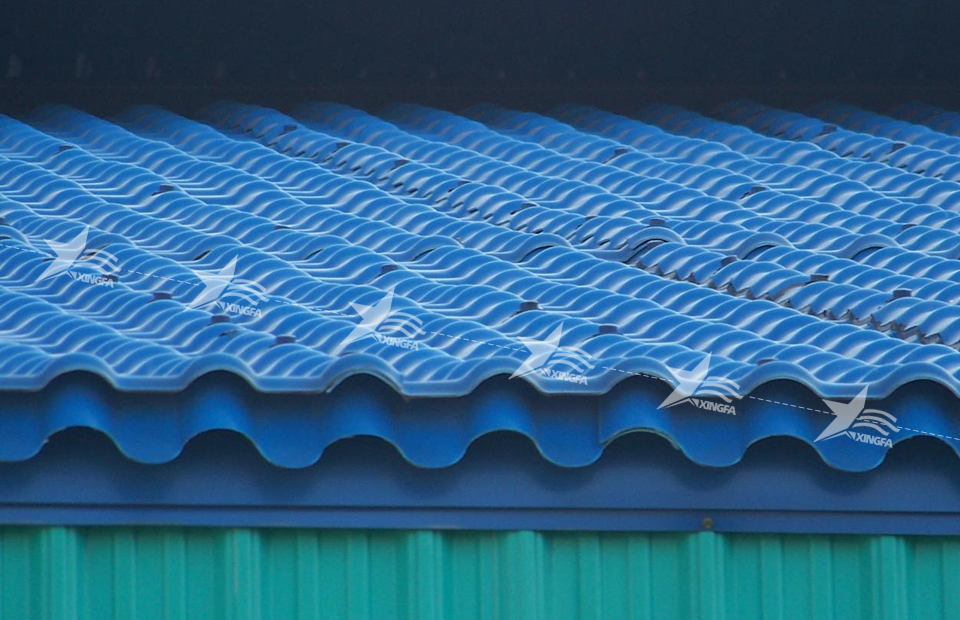
Lay tiles progressively from the eave toward the ridge. – Horizontal overlap: 1–2 wave pitches; – Vertical (longitudinal) overlap: one full tile pitch (approximately 150–250 mm). All overlap zones must align precisely over purlins and be secured using corrosion-resistant self-tapping screws.

3. Drilling Protocol
Pre-drill all fastener holes using an electric drill. Hole diameter must be 2 mm larger than the screw shank diameter—this accommodates thermal expansion and contraction, effectively preventing cracking or splitting of the tiles.
4. Fastener Installation
Screws must be driven vertically into the crest (peak) of each tile wave, using specialized self-tapping screws equipped with EPDM or silicone rubber waterproof washers. Tighten only until the washer exhibits slight compression—overtightening must be avoided to preserve necessary dimensional tolerance for thermal movement. Finally, install protective waterproof caps over all fasteners to prevent corrosion.
5. Detail Waterproofing
– Ridge joints: Use dedicated ridge tiles; seal all overlaps with high-performance, UV-resistant structural sealant. – Eaves: Install eave closure boards to fully encapsulate and divert runoff water.
– Penetrations (e.g., chimneys, skylights): Employ custom-fabricated flashing components designed as integrated water-diverting channels, and seal all perimeter joints with weather-resistant, elastomeric sealant.