ES
ES  EN
EN  RU
RU  AR
AR 2026 Resin Roof Tile Pricing: Analyzing Three Core Industry Trends
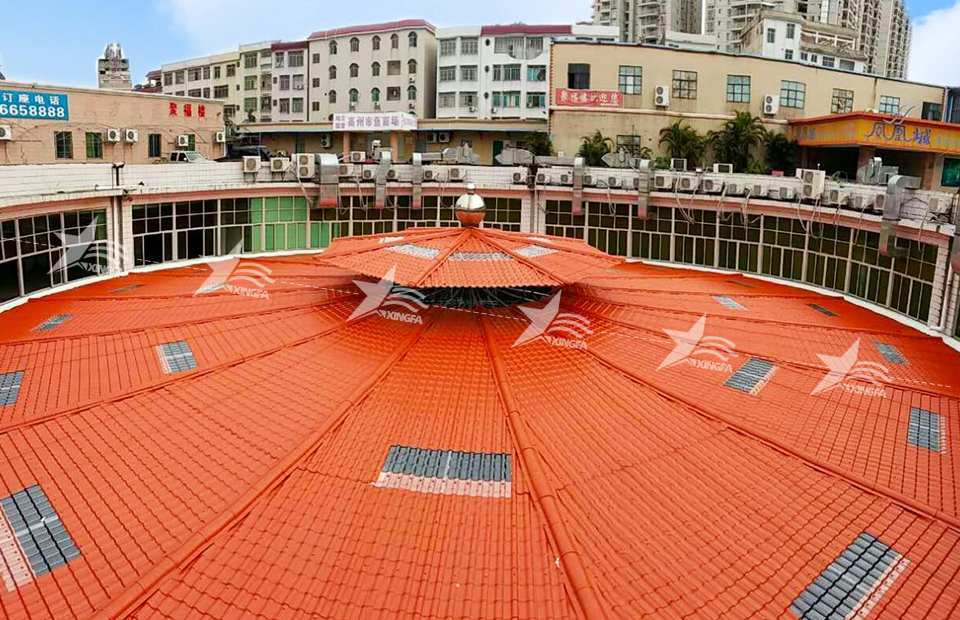
Resin roof tile pricing stands at a pivotal inflection point amid broader industry transformation.
Steady progress in China’s urbanization drive—coupled with ongoing rural revitalization initiatives and widespread “flat-to-sloped” roof retrofit projects—has sustained robust demand for resin roof tiles as a leading eco-friendly roofing material. Market demand has consistently grown at double-digit rates year-on-year. While the industry continues its rapid expansion, its traditional pricing framework is undergoing profound restructuring: price distortions stemming from fragmented, low-barrier competition are being systematically eliminated, and a new, more rational market pricing structure is taking shape rapidly. The resin roof tile sector has thus officially entered a new phase characterized by rational development and healthy, value-based competition.
Trend Analysis: Three Fundamental Drivers Reshaping Resin Roof Tile Pricing
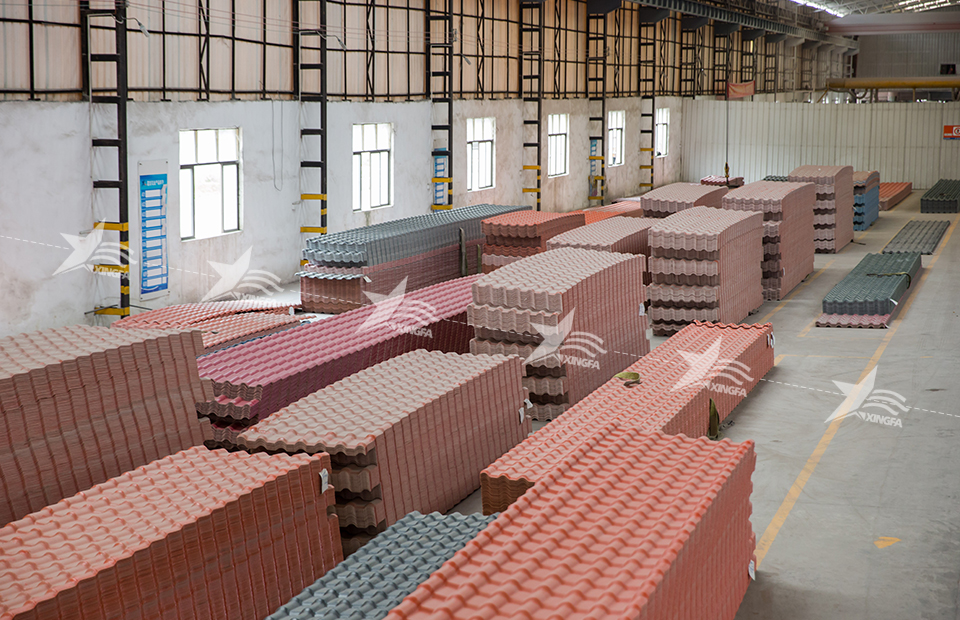
Ⅰ. Affordabilization: Scale Effects Driving Sustained Downward Pressure on Price Levels
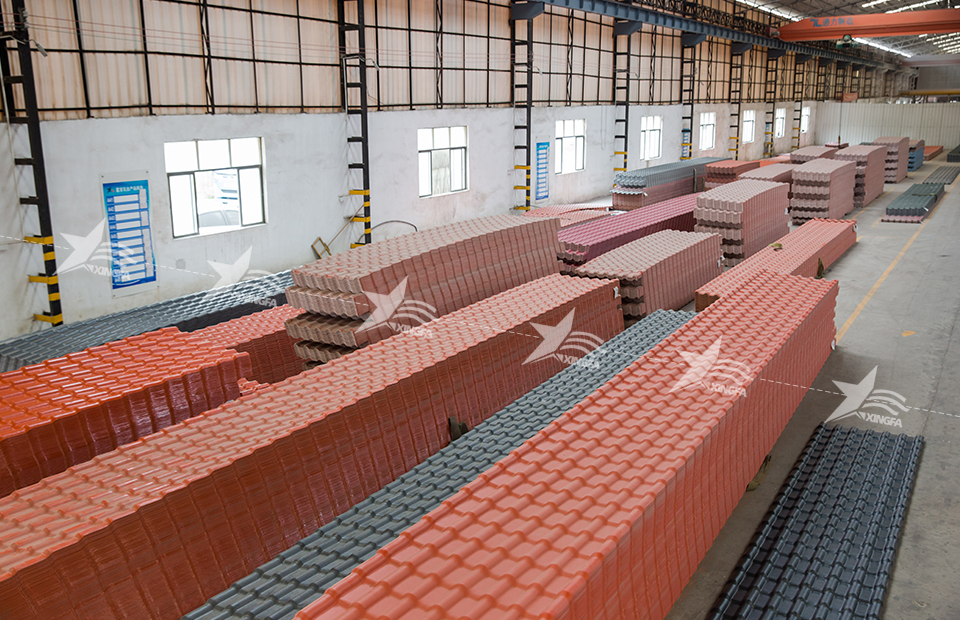
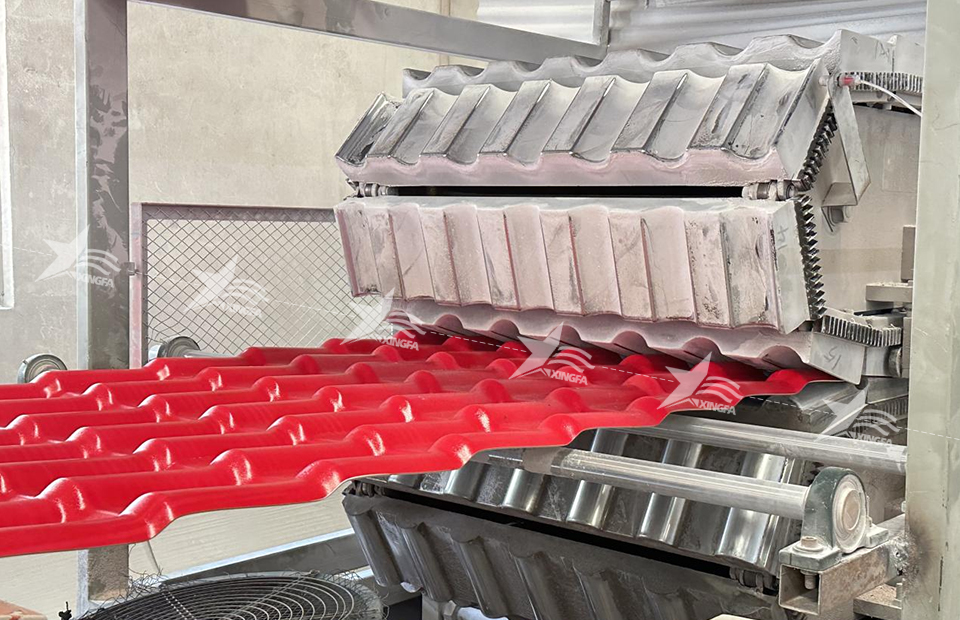
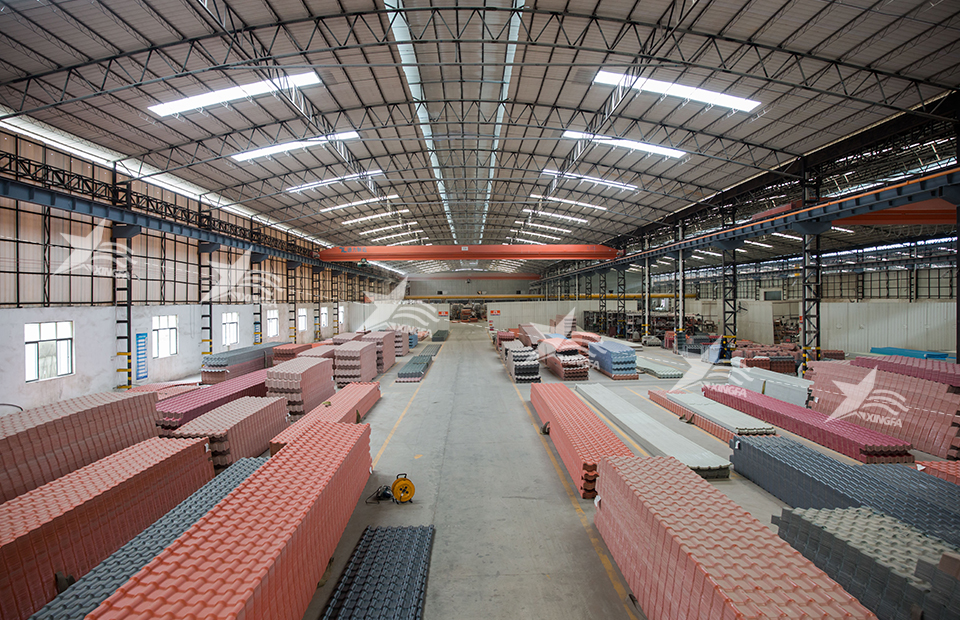
Leading brands are continuously expanding production capacity and upgrading manufacturing technologies, resulting in pronounced industry-wide economies of scale. Major manufacturers have introduced fully automated production lines, achieving annual output volumes in the tens of millions of tiles—significantly reducing per-unit manufacturing costs. Concurrently, an increasing number of brands have adopted direct-to-customer (DTC) sales models, eliminating multiple layers of distributor markups and passing cost savings directly to end users.
As a result, resin roof tiles are transitioning from a premium building material to an accessible, mass-market solution. Overall pricing has steadily declined. Compared with traditional ceramic or concrete tiles, resin roof tiles offer lower total installation costs and superior practicality—amplifying their value proposition and driving continuous gains in market penetration. Affordabilization has therefore become the dominant trajectory in the evolution of resin roof tile pricing.
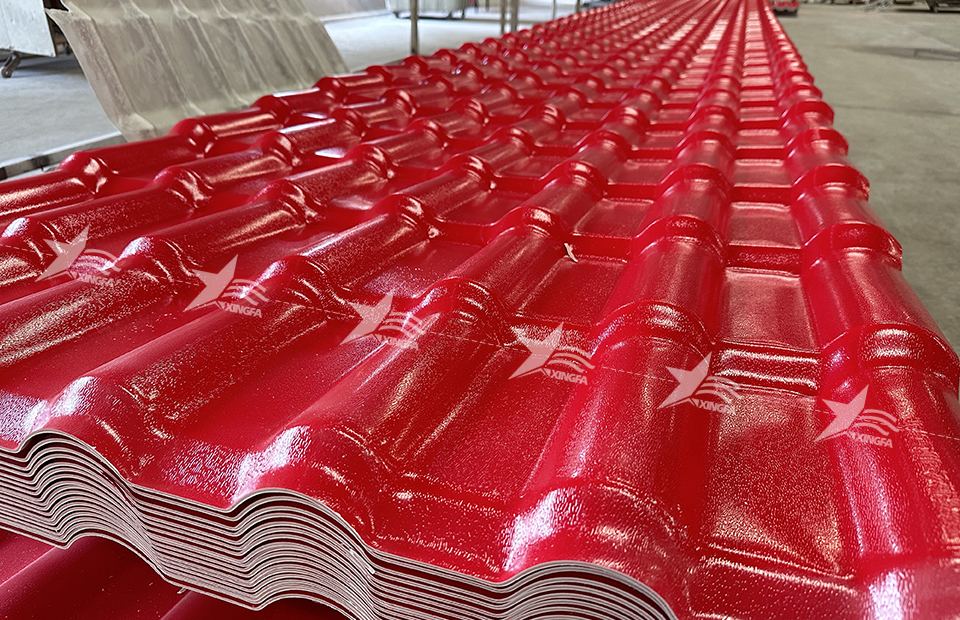
Ⅱ. Quality Differentiation: Premium Products Commanding Justified Price Premiums
Consumer awareness and procurement criteria have matured significantly: buyers now prioritize total lifecycle cost of ownership—not just initial purchase price—leading to clear stratification in pricing. Low-end products—often manufactured using recycled feedstock and featuring substandard ASA ultraviolet-resistant layer thickness—offer only short-term price advantages. Within two to three years, such products frequently exhibit fading, chalking, cracking, or leakage, triggering high post-installation repair and replacement expenses—and steadily eroding their market share.
In contrast, high-end resin roof tiles utilize virgin raw materials and incorporate ASA protective layers meeting or exceeding specified thickness requirements, backed by multi-decade product warranties. Although their unit price is modestly higher, their lower total cost of ownership makes them increasingly attractive to discerning customers. Consequently, pricing is realigning with intrinsic product value—a key determinant of current pricing dynamics.
Ⅲ. Standardization and Transparency: Industry Standards Maturing, Pricing Frameworks Becoming More Robust
Historically, the absence of unified national standards led to inconsistent pricing practices across brands and significant information asymmetry—making product selection challenging for consumers. With the progressive implementation of national technical standards and industry guidelines, leading enterprises have taken the initiative to enhance pricing transparency. Prices are now explicitly linked to objective parameters—including tile profile, thickness, raw material composition, and warranty duration—while promotional policies and discount structures are publicly disclosed and readily verifiable. A coherent, rules-based pricing system is gradually emerging.
Standardized, transparent pricing has effectively reversed the “Gresham’s Law” phenomenon—where inferior products previously displaced higher-quality alternatives. Competition is shifting decisively away from destructive price wars toward value-driven comparisons grounded in quality, performance, and long-term reliability. This transition expands growth opportunities for compliant, reputable enterprises while empowering consumers to make informed, needs-based purchasing decisions—thereby enhancing overall market efficiency.
Strategic Implications: Building New Core Competencies for Manufacturers
These three converging trends are fundamentally reshaping competitive dynamics—and imposing new strategic imperatives on producers. First, manufacturers must strengthen scalable, efficient production capabilities and rigorously control manufacturing costs to maintain competitiveness in the affordabilized segment. Second, they must uphold uncompromising quality standards to earn justified price premiums and distinguish themselves within the quality-differentiated tier. Third, they must implement clearly defined, standardized pricing frameworks—anchored in transparency and integrity—to cultivate enduring customer trust.
Small-scale workshops relying solely on recycled materials, aggressive price undercutting, or information asymmetry for profit will inevitably be phased out. Only enterprises that holistically balance cost efficiency, product excellence, and ethical business practices can navigate this transformation successfully—and thrive sustainably. This integrated approach now defines the new benchmark for long-term viability in the resin roof tile industry.
Pioneering Practice: Balancing Price and Value to Set Industry Benchmarks
In anticipation of these structural shifts, industry leaders have proactively repositioned their operations. Foshan Chancheng Xingfa Tile Industry Co., Ltd. (located in Chancheng District, Foshan City), a seasoned high-tech enterprise with 21 years of expertise in plastic construction materials, exemplifies this forward-looking leadership.
During the post-disaster reconstruction of residential housing in Beichuan County, Sichuan Province, the project required rapid delivery (100,000 m² of roofing), strict cost control, and exceptional seismic resilience and durability. Leveraging its million-unit-per-year production capacity, Xingfa employed exclusively virgin raw materials and adhered strictly to nominal ASA layer thickness specifications. Its comprehensive resin roof tile solution reduced total construction costs by 15% versus conventional alternatives and shortened the construction schedule by two months. An eight-year follow-up survey revealed that 98% of residents reported no color fading or water leakage—earning the project formal recognition as a “High-Quality Post-Disaster Reconstruction Project” by the Sichuan Provincial Government.
Xingfa consistently operates a factory-direct sales model and implements a tiered, fully transparent pricing structure—with all promotional terms and conditions publicly available. By maintaining rigorous quality control while optimizing formulations for cost efficiency, the company delivers compelling value—fully aligning with prevailing industry trends and offering a replicable, operationally sound reference model for the entire sector.
Conclusion: Seizing New Opportunities Amid Evolving Industry Dynamics
Looking ahead, resin roof tile pricing will continue to evolve along the three interlinked dimensions of affordabilization, quality differentiation, and standardization/transparency—driving increased industry consolidation and amplifying the competitive advantage of top-tier, quality-focused enterprises.
For the industry as a whole, a more rational and transparent pricing architecture will accelerate the displacement of traditional roofing materials, further expanding the total addressable market size. For both manufacturers and end users, embracing these trends—and selecting high-value, high-performance products—enables mutually beneficial outcomes across the supply chain.
As the industry matures, resin roof tile pricing will grow increasingly fair, objective, and reflective of true product value. The competitive edge of premium offerings will continue to strengthen—propelling the broader roofing materials sector toward greater sustainability, longevity, and performance excellence. The long-term growth potential remains exceptionally strong.