EN
EN  ES
ES  RU
RU  AR
AR Synthetic Resin Roofing Tiles: A Multidimensional Analysis of Anti-Aging Performance
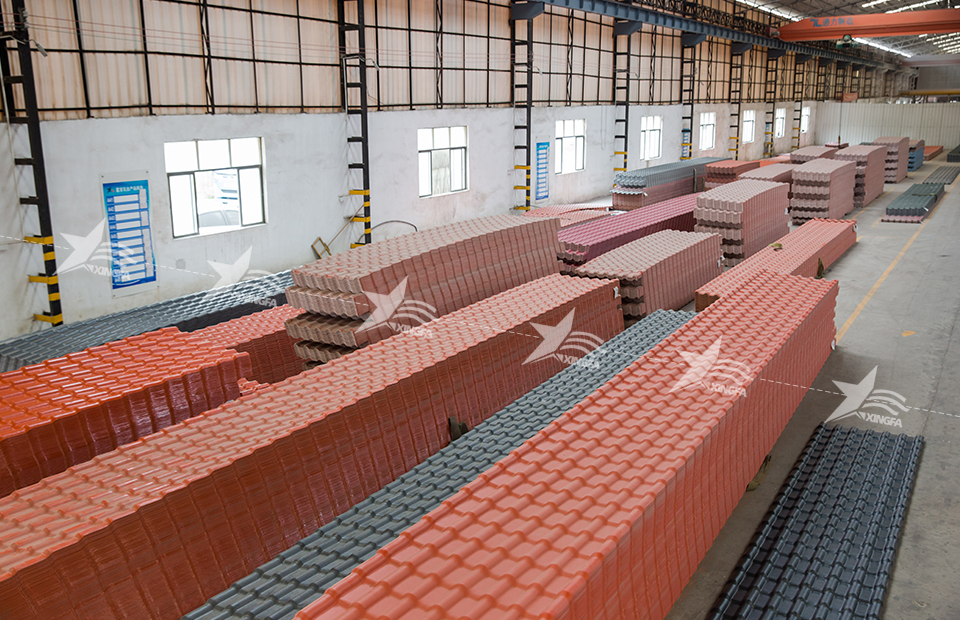
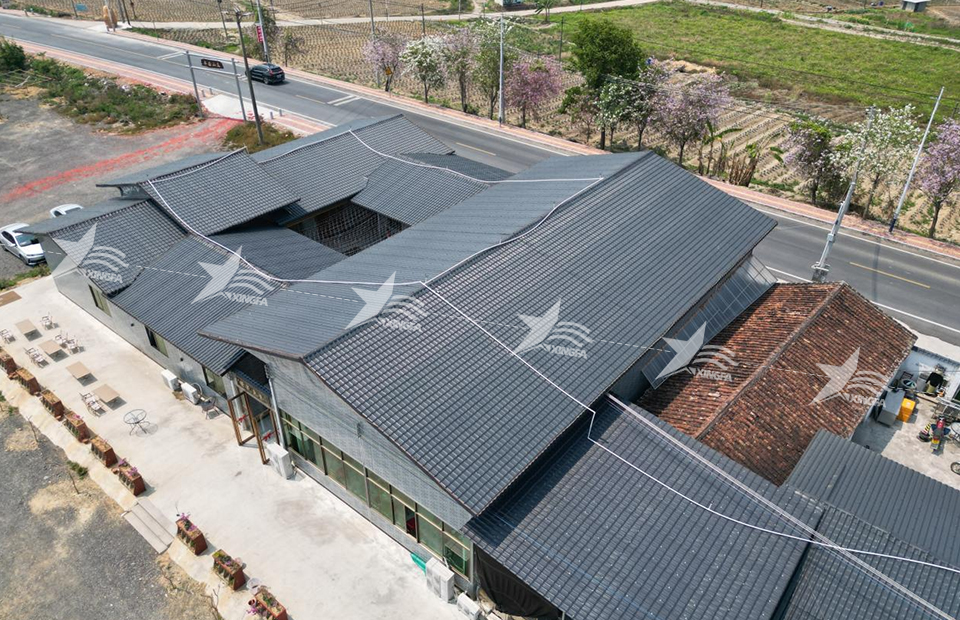
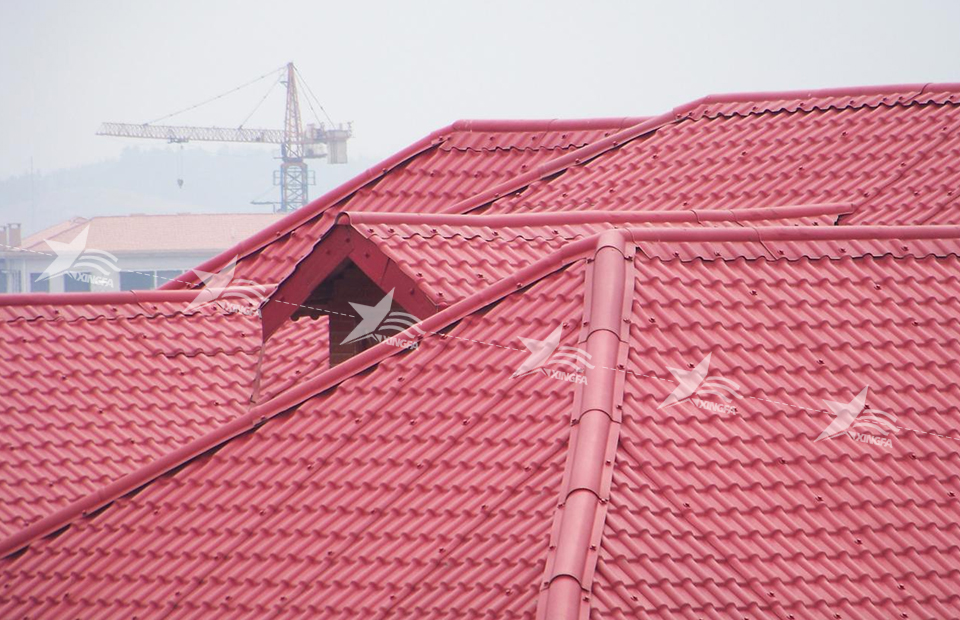
Synthetic resin roofing tiles are widely used for roof renovation in self-built residential homes, industrial plants, and warehouses because they are lightweight, waterproof, and easy to install. Among all performance indicators, anti-aging capability is the most critical concern for end users during procurement, as it directly determines service life. Product quality in the market varies significantly: high-grade ASA-coextruded resin tiles can maintain stable performance for 15–20 years, whereas substandard alternatives often exhibit color fading, chalking, and cracking within just 3–5 years. Crucially, anti-aging performance is not governed by a single parameter; rather, it results from the synergistic interplay among surface weather-resistant coatings, base-material formulation, external environmental conditions, and installation practices. This article provides a comprehensive analysis of synthetic resin tiles’ anti-aging performance across five dimensions: material mechanism, environmental influences, aging manifestations, comparative evaluation of premium versus inferior products, and practical measures to enhance longevity.
1. Material Architecture: The Foundational Determinant of Anti-Aging Capability
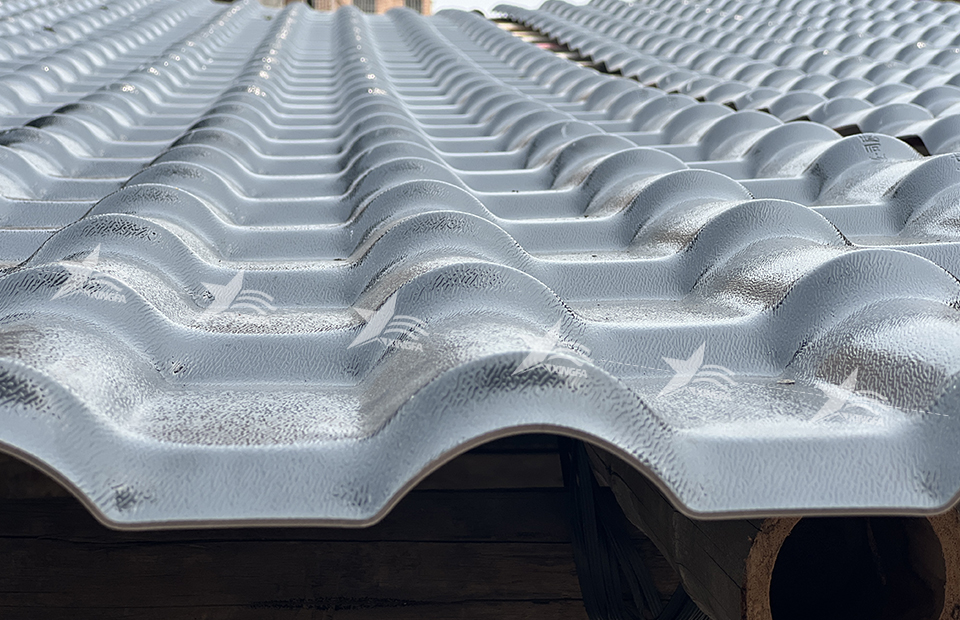
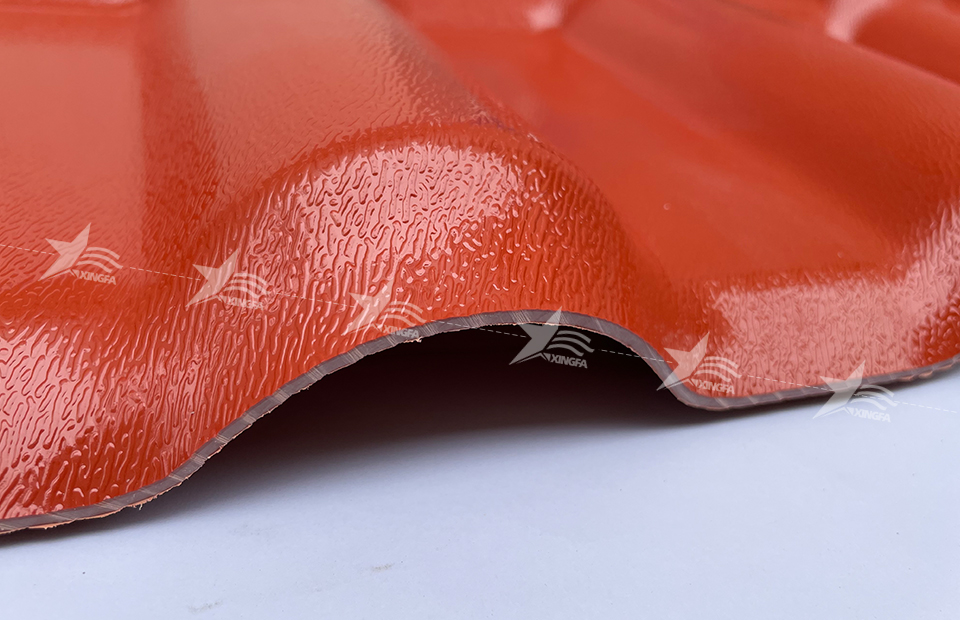
The primary substrate of synthetic resin roofing tiles is polyvinyl chloride (PVC), which inherently exhibits poor ultraviolet (UV) resistance. Prolonged solar exposure induces molecular chain scission in PVC, leading to yellowing and embrittlement. Consequently, certified products employ an ASA–PVC coextrusion process, wherein a protective top layer of acrylonitrile–styrene–acrylate (ASA) engineering thermoplastic is uniformly applied over the PVC core to serve as a robust anti-aging barrier.
ASA resin features exceptional molecular stability, outstanding UV resistance, and superior antioxidant properties—effectively blocking >95% of incident UV radiation and thereby shielding the underlying PVC substrate from photodegradation. The thickness of the ASA surface layer is typically controlled within 0.15–0.3 mm; uniformity and integrity of this coextruded layer are essential for sustained protective efficacy. In contrast, low-cost, non-compliant tiles lack a true ASA coextrusion layer. Instead, they rely on superficial pigment spraying or adhesive lamination of ABS film. Sprayed pigments merely adhere to the surface and delaminate after 2–3 years of exposure, leaving the bare PVC substrate vulnerable to rapid photo-oxidative degradation and chalking. Similarly, ABS films possess inadequate weatherability; thermal cycling induces interfacial delamination and microcracking, rendering them ineffective as protective barriers.
Moreover, base-material formulation critically influences aging kinetics. Tiles manufactured from virgin PVC exhibit superior toughness and molecular integrity. Conversely, those incorporating excessive calcium carbonate filler or recycled/regrind materials introduce internal stress concentrations and structural heterogeneities. Once surface protection fails, such compromised substrates undergo accelerated embrittlement, with concomitant deterioration in impact resistance and freeze–thaw durability.
2. External Environmental Factors: Key Accelerators of Aging
(A) UV Radiation Intensity
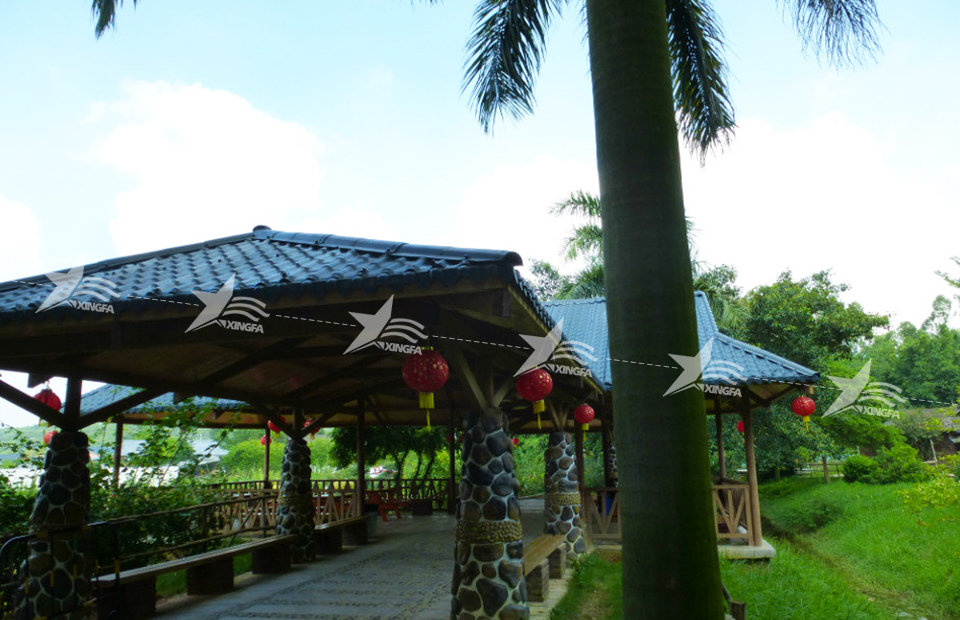
UV radiation constitutes the predominant driver of resin tile degradation. Chronic UV exposure cleaves polymer bonds and initiates oxidative chain reactions. Regions characterized by intense solar irradiance—such as southern highlands or unshaded industrial rooftops—exhibit markedly accelerated aging rates. By contrast, shaded or north-facing roofs receive substantially reduced UV flux, resulting in significantly slower degradation kinetics. High-performance ASA-coextruded tiles undergo only gradual, minimal color fading under prolonged UV exposure; inferior alternatives, however, rapidly develop whitening and surface chalking even under moderate UV stress.
(B) Thermal Cycling and Freeze–Thaw Conditions
Diurnal and seasonal temperature fluctuations induce repeated expansion and contraction in resin tiles. Both PVC and ASA possess relatively high coefficients of thermal expansion; cumulative cyclic strain promotes microcrack formation within the protective surface layer. Moisture ingress through these microdefects progressively compromises the substrate. In northern cold-climate regions, meltwater infiltrates existing microcracks and subsequently freezes—generating expansive ice pressure that exacerbates cracking and delamination. In persistently high-temperature environments, rooftop surface temperatures may exceed 70°C, accelerating thermo-oxidative degradation of the polymer matrix.
(C) Corrosive Media Exposure
Coastal salt fog, acidic/alkaline exhaust gases from chemical plants, and ammonia emissions from livestock facilities all pose corrosive threats to resin tile surfaces. Prolonged deposition of salt aerosols or aggressive gaseous species gradually degrades the ASA protective layer, disrupting its structural continuity and accelerating discoloration and surface erosion. Standard resin tiles are unsuitable for severely corrosive industrial settings; instead, formulations with enhanced corrosion resistance—e.g., modified ASA blends or specialized barrier additives—are recommended. Rainwater exerts a dual effect: while it helps remove surface contaminants, persistent acid rain exposure accelerates hydrolytic and oxidative degradation of the surface layer.
3. Staged Progression of Aging Phenomena: Interpreting Degradation Evolution
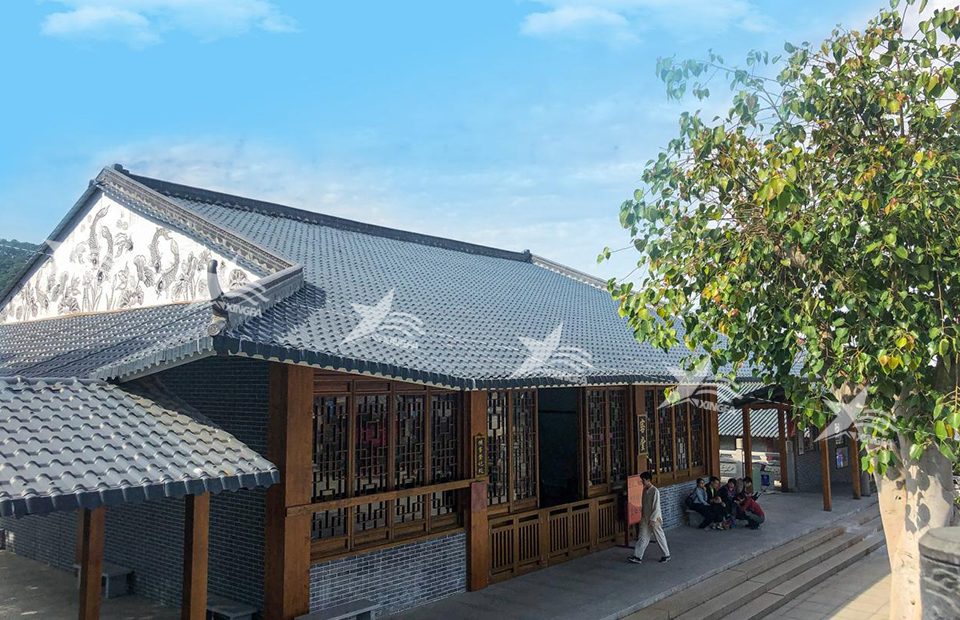
Aging in synthetic resin tiles follows a predictable, progressive sequence, classifiable into three distinct stages:
– Stage I (Mild Aging): Surface color lightens or becomes mottled (“fading”). At this stage, the substrate remains structurally intact, and roof waterproofing functionality is fully preserved.
– Stage II (Moderate Aging): Surface chalking emerges—evidenced by white powder residue upon tactile contact. This signals the onset of ASA layer failure, permitting concurrent UV penetration and moisture ingress into the substrate, resulting in measurable reductions in flexibility and impact resistance.
– Stage III (Severe Aging): Substrate embrittlement occurs—tiles become rigid and fragile, fracturing under minor mechanical stress. Screw-hole zones are particularly prone to cracking and leakage, indicating functional obsolescence and necessitating immediate replacement.
High-quality ASA-coextruded tiles progress slowly through these stages, often requiring over a decade before entering Stage I. Conversely, non-ASA tiles frequently transition rapidly from Stage I to Stage III within just a few years. A common misconception holds that color fading alone signifies functional failure; in reality, mild fading does not compromise structural integrity—chalking and cracking constitute the definitive warning signs demanding intervention.
4. Installation Practices: An Overlooked Factor Indirectly Governing Service Life
Even premium resin tiles suffer drastically shortened lifespans if installed improperly—a scenario tantamount to artificial acceleration of aging. Excessive purlin spacing causes unsupported tile spans, inducing chronic flexural stress and promoting fatigue-driven material degradation. Over-tightening fasteners eliminates necessary thermal expansion clearance; consequent thermal cycling leads to screw-hole tearing, creating permanent entry points for moisture and initiating localized degradation cascades.
Insufficient overlap width, omission of EPDM or silicone-based sealing washers, and inadequate roof pitch causing ponding all contribute to premature aging. Standing water at lap joints perpetually wets and chemically attacks the tile edges, accelerating hydrolysis and interfacial delamination. Adherence to industry-standard installation protocols—including appropriate purlin spacing, provision of thermal expansion gaps, meticulous sealing at penetrations and laps, and optimized drainage design—is indispensable to realizing the inherent anti-aging potential of the material.
5. Practical Measures to Enhance Roof System Longevity
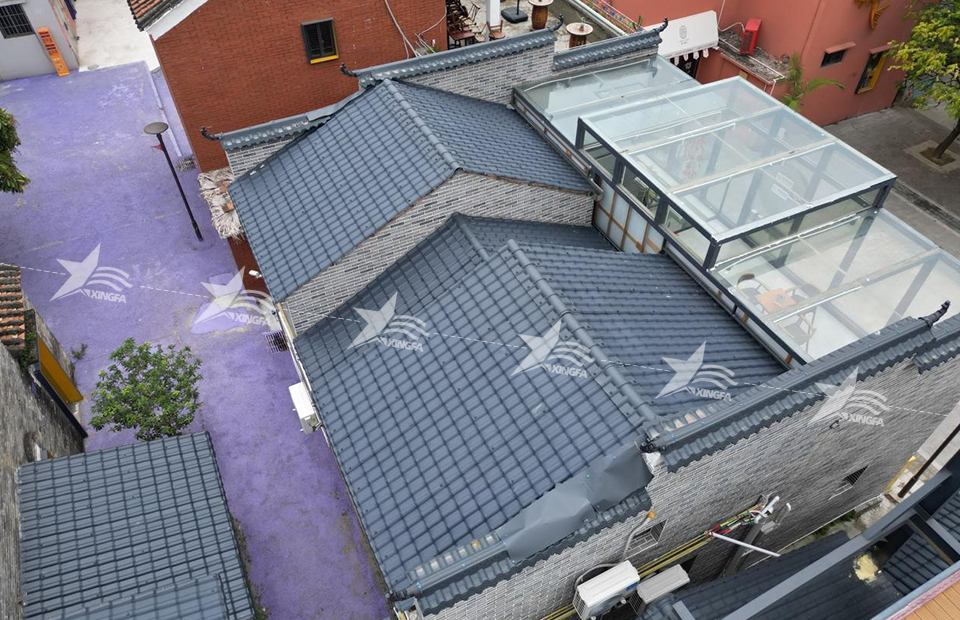
During procurement, prioritize ASA-coextruded tiles fabricated exclusively from virgin PVC resin—explicitly avoiding “pseudo-ASA” variants employing spray coating or laminated films. Verify ASA layer thickness on-site using calibrated digital calipers and inspect cross-sectional cuts for clear, uniform ASA–PVC interfacial definition. Select product variants tailored to site-specific conditions: enhanced-thickness, corrosion-resistant grades for coastal or chemical-industrial applications; high-toughness formulations for snow-prone northern regions.
For routine maintenance: periodically remove accumulated leaves, silt, and organic debris to prevent prolonged chemical or biological corrosion; avoid unnecessary foot traffic to minimize surface abrasion. Even minor scratches compromising the ASA layer create preferential sites for accelerated degradation. Prompt application of UV-stable, flexible sealants or weather-resistant repair compounds to superficial damage effectively retards further aging progression.
Summary
The anti-aging performance of synthetic resin roofing tiles cannot be generalized—it fundamentally depends on product quality. High-quality resin tiles manufactured using ASA co-extrusion with virgin materials exhibit outstanding resistance to ultraviolet (UV) radiation and oxidation, delivering stable and reliable anti-aging performance under normal environmental conditions. In contrast, low-cost tiles made from recycled materials or counterfeit ASA formulations demonstrate significantly inferior anti-aging properties. Moreover, external factors—including UV exposure, thermal cycling, corrosive environments, and construction quality—also critically influence the aging process. To fully leverage the anti-aging advantages of resin tiles and ensure long-term roof stability and service life, it is essential to select appropriate materials, adhere to standardized installation practices, and perform basic maintenance.