EN
EN  ES
ES  RU
RU  AR
AR In-Depth Analysis: PVC Roofing Sheets Pricing—Core Influencing Factors and Procurement Guidelines
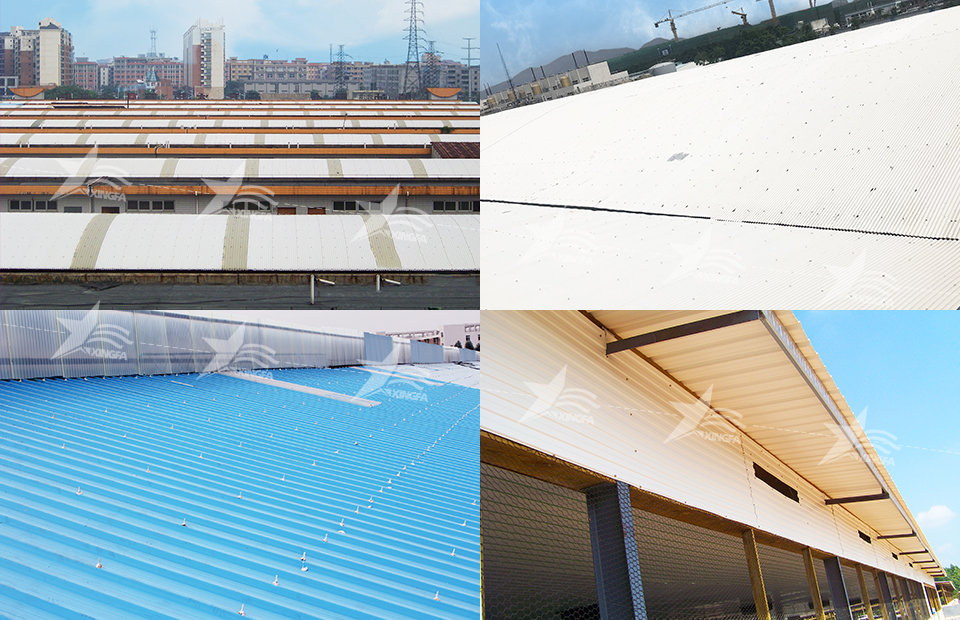
Ⅰ. Comprehensive Analysis of Factors Affecting PVC Roofing Sheet Prices
What Are PVC Roofing Sheets—and Why Is Pricing a Key Concern?
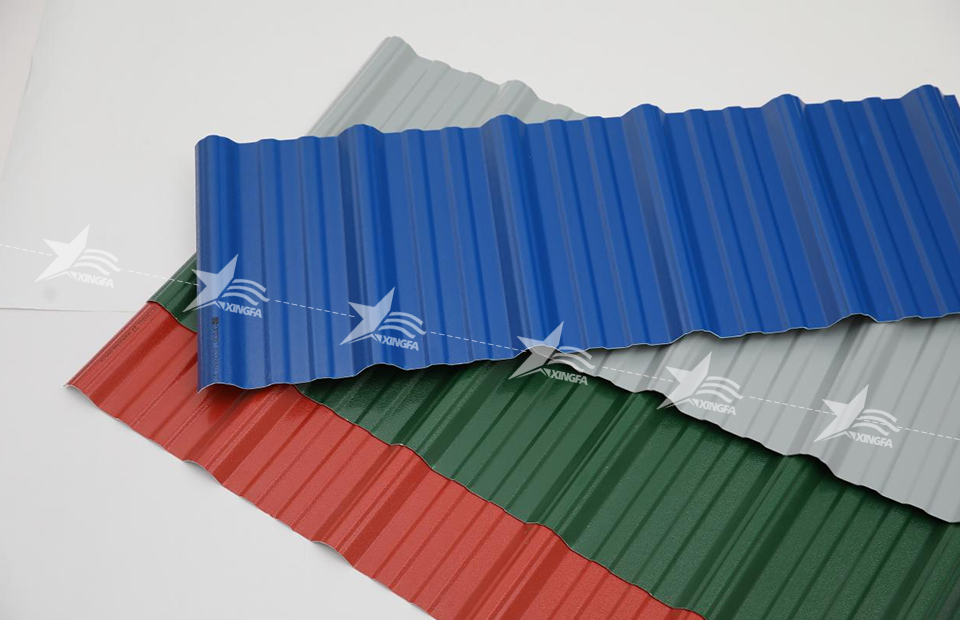
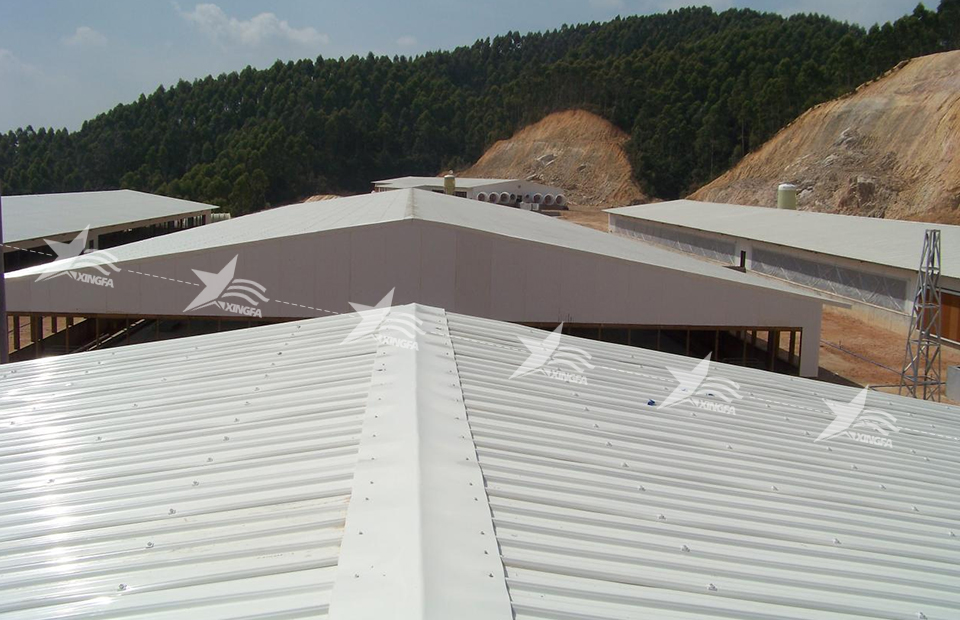
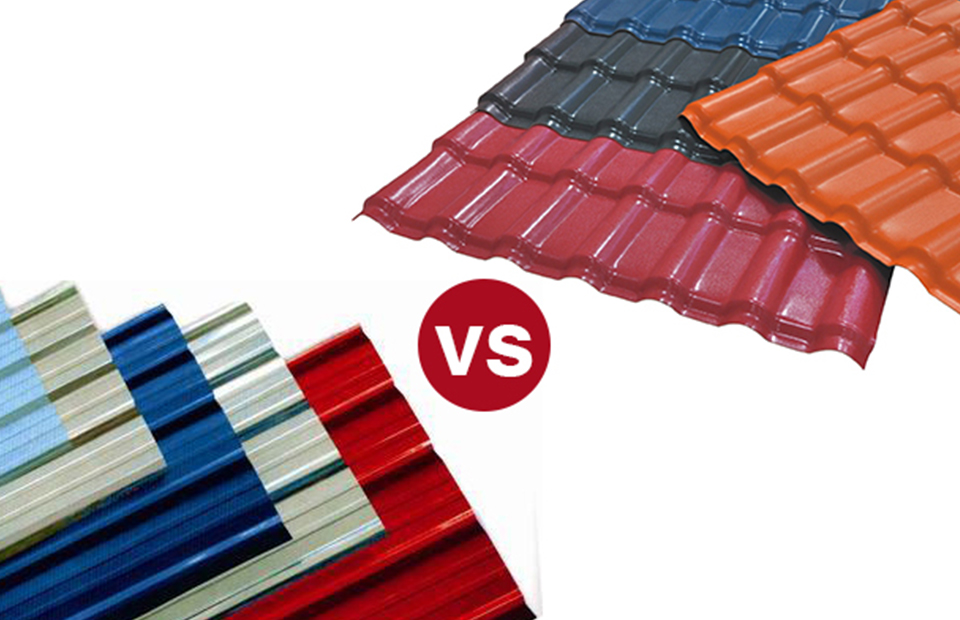
PVC roofing sheets are a modern roofing material primarily composed of polyvinyl chloride (PVC) resin, engineered to deliver exceptional corrosion resistance, fire retardancy, and lightweight performance. Owing to these advantages, they are increasingly replacing traditional alternatives such as color-coated steel sheets and ceramic tiles—especially in industrial plants, livestock farming greenhouses, and warehousing/logistics facilities. Given the substantial variations among products in terms of raw materials, dimensional specifications, and value-added services, the question “How much do PVC roofing sheets cost?” remains one of the most critical considerations for both engineering procurement and residential renovation projects.
Price Composition of PVC Roofing Sheets: Core Determinants of Cost per Square Meter
PVC roofing sheet pricing is not standardized; it is typically quoted on a per-square-meter basis, with the final cost shaped by several interrelated factors:
1. Product Specifications and Quality Standards
Thickness is a primary price driver: standard thicknesses range from 1.5 mm to 3.0 mm, with higher thicknesses commanding proportionally higher prices. Compliance with national standards (GB standards) also significantly affects pricing. GB-compliant PVC sheets must meet strict requirements regarding raw material composition, flame-retardant performance (e.g., B1 or B2 classification), and weathering resistance—resulting in premiums of 15%–30% over non-compliant alternatives. Furthermore, imported PVC sheets incur additional costs—including import duties and international freight—typically doubling their price relative to domestic equivalents.
2. Customization Requirements
Specialized requests—such as non-standard colors or unique profile designs—entail process adjustments and dedicated mold development, increasing unit costs by 10%–25%. Custom-color variants further involve incremental pigment (color masterbatch) costs, introducing greater price variability.
3. Regional Distribution and Logistics Costs
Geographic location strongly influences landed pricing. As most manufacturers are concentrated in construction materials hubs—particularly South China—transportation distance directly impacts logistics expenses. Including freight, the per-square-meter price may rise by ¥5–¥15; in remote regions, logistics can account for over 20% of the total delivered cost.
4. Ancillary Components and Value-Added Services
Proper installation requires compatible accessories—including waterproof washers, self-tapping screws, and edge trims. Notably, some quotations cover only the sheet itself, excluding accessories. Factoring in these essentials adds approximately ¥3–¥8/m² to the overall procurement budget.
Ⅱ. Comparative Analysis of PVC Roofing Sheets Across Price Tiers
The current market exhibits wide price dispersion—from ¥18/m² to ¥70/m²—with distinct performance trade-offs across tiers:
• Low-Tier Range (¥18–¥30/m²):
These products commonly incorporate >50% recycled content or excessive calcium carbonate filler. They frequently fail to meet minimum fire safety standards (e.g., B2 or above) and exhibit poor weathering resistance. In corrosive environments, premature fading and cracking often occur within 2–3 years. Such sheets are suitable only for temporary structures; their low upfront cost is offset by higher long-term lifecycle expenses.
• Mid-Tier Range (¥30–¥50/m²):
Manufactured using a blend of virgin and recycled resins—with calcium carbonate content controlled at ~35%–40%—these sheets generally achieve B2 fire rating and satisfy basic civil applications. Expected service life spans 5–10 years, offering balanced cost-performance value.
• Premium Tier (¥50–¥70/m²):
Formulated exclusively with food-grade virgin PVC resin and ≤30% calcium carbonate filler, these sheets comply fully with GB 8624–2012 (B1 fire rating) and demonstrate superior resistance to acids, alkalis, and salt fog. With a service life exceeding 15 years, they are ideally suited for demanding environments—including industrial corrosion zones and coastal high-salinity areas. Though initial investment is higher, the total cost of ownership is reduced through lower maintenance and extended replacement cycles.
Additionally, second-hand PVC sheets are priced at ¥10–¥20/m². However, due to irreversible performance degradation, they are appropriate only for low-stakes applications—e.g., temporary site fencing—and should never be used in formal roofing systems.
Price Benchmarks by Application Scenario
Performance requirements vary significantly across end-use contexts—directly influencing optimal product selection and corresponding pricing:
• Industrial Plants / Chemical Workshops: Demand B1 fire rating and robust chemical corrosion resistance. Typically specified in 2.5–3.0 mm thickness, GB-compliant grades—delivered with freight—range from ¥40–¥68/m². Specialized anti-corrosion formulations may incur further premiums.
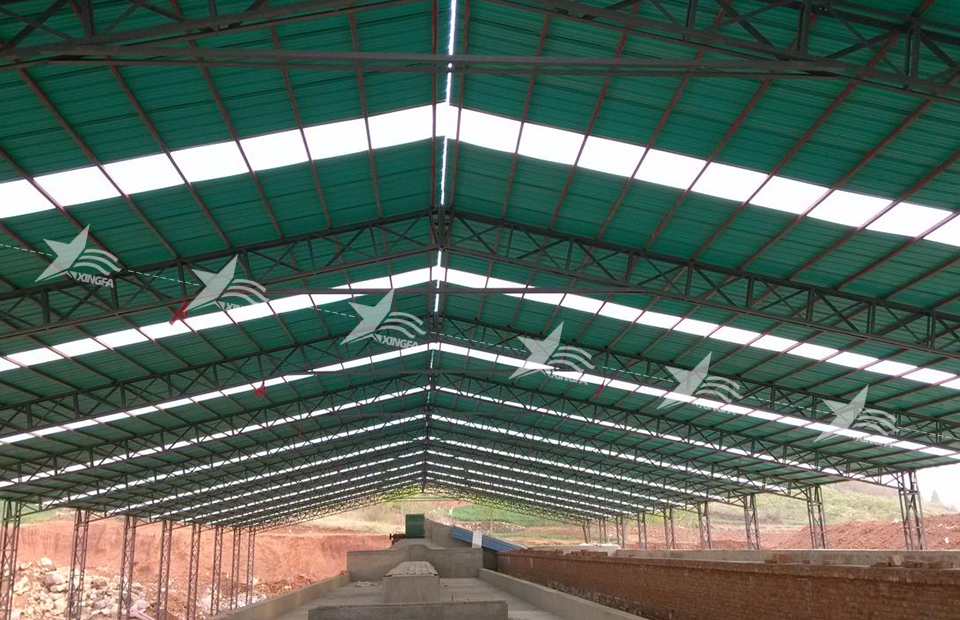
• Livestock Farming Greenhouses: Require thermal insulation, corrosion resistance, and fire safety. Commonly deployed in 2.0–2.5 mm thick hollow-profile PVC sheets, priced at ¥38–¥55/m²—ensuring reliable long-term operation under agricultural conditions.
• Renovation of Aging Factories / Market Upgrades: Cost sensitivity is paramount. Standard 1.5–2.0 mm sheets—priced at ¥34–¥45/m²—provide adequate functionality for basic structural and environmental protection needs.
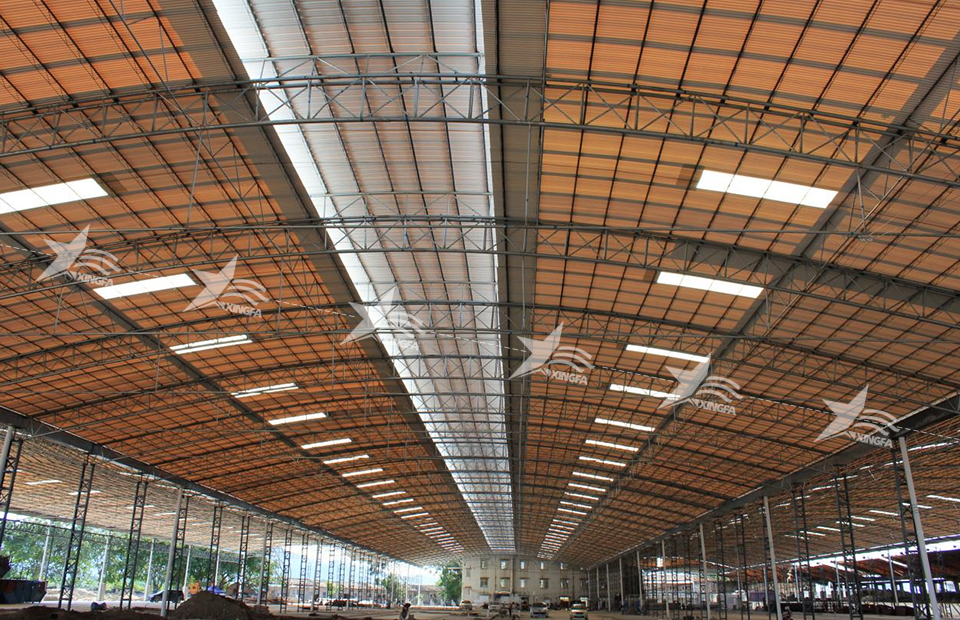
Ⅲ. Technical Insights and Procurement Recommendations: Selecting High-Value PVC Roofing Sheets
How, then, can stakeholders identify PVC roofing solutions that optimally balance technical performance and economic efficiency?
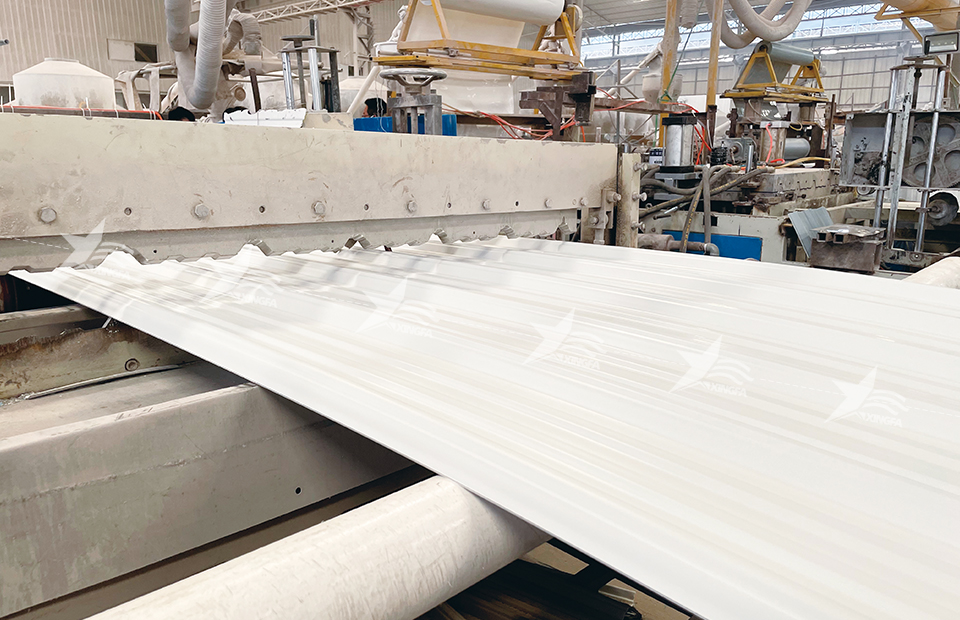
With over two decades of specialized expertise in this field, Foshan Chancheng Xingfa Tile Industry Co., Ltd. has consistently delivered high-quality, cost-effective PVC roofing solutions tailored to diverse application scenarios. Our flagship Xingfa® PVC roofing sheets embody this commitment: formulated with food-grade virgin PVC resin and enhanced via proprietary “Fire-Retardancy & Toughness Balance Technology,” they simultaneously achieve B1 fire rating and superior impact resistance. Calcium carbonate content is strictly limited to ≤30%, ensuring full compliance with GB 8624–2012 and other relevant national standards. Priced competitively between ¥34–¥68/m², our portfolio accommodates varied thicknesses, dimensions, and customization requirements.
Moreover, Xingfa Roofing operates a direct-to-customer factory sales model—eliminating intermediaries—to provide transparent, all-inclusive pricing, inclusive of freight (calculated precisely based on project location). We supply comprehensive, purpose-engineered accessory kits and offer one-on-one installation guidance. All products carry a 10-year weathering warranty, backed by product liability insurance underwritten by Ping An Insurance (Group) Company of China, Ltd.—enabling clients to meet stringent performance criteria while optimizing total project cost.
Looking ahead, as China’s construction industry intensifies its focus on sustainability, safety, and regulatory compliance, GB-certified, high-performance PVC roofing sheets will progressively displace substandard, low-cost alternatives—emerging as the mainstream choice for roofing systems. This evolution supports broader project objectives: controlling short-term capital expenditure while substantially reducing long-term operational and maintenance burdens.