EN
EN  ES
ES  RU
RU  AR
AR What are the three key factors that affect the lifespan of PVC roof tiles?
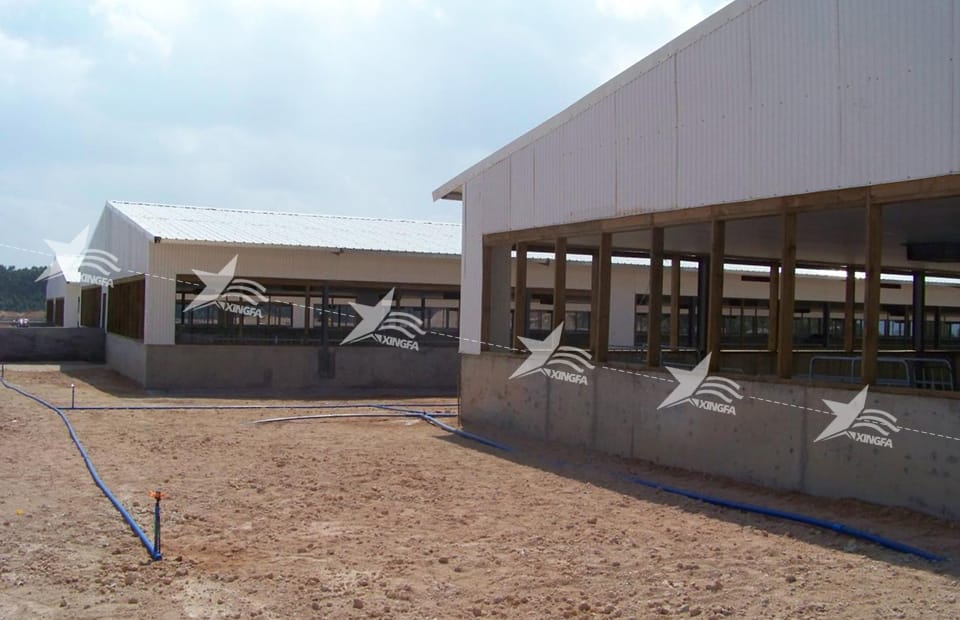
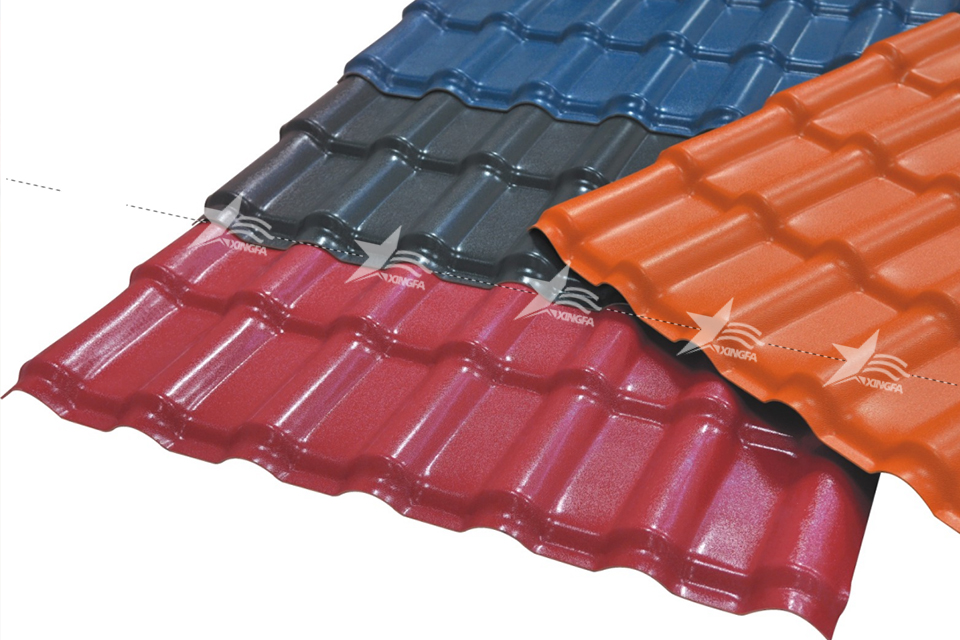
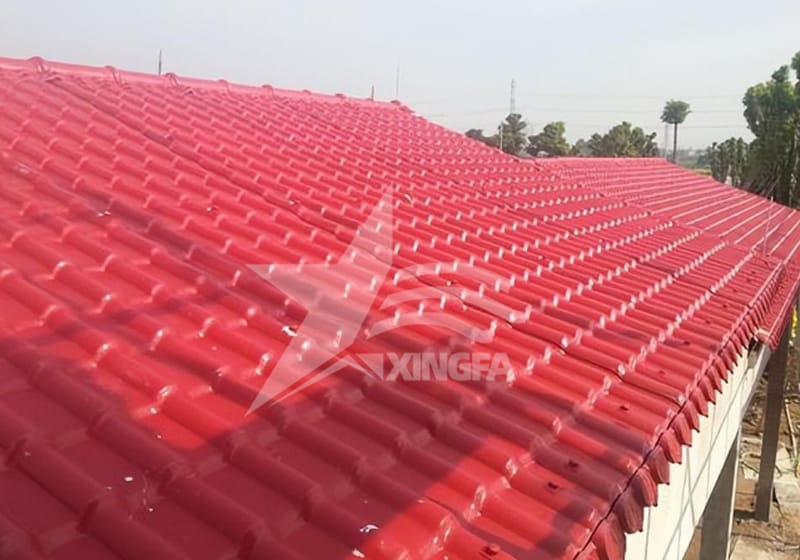
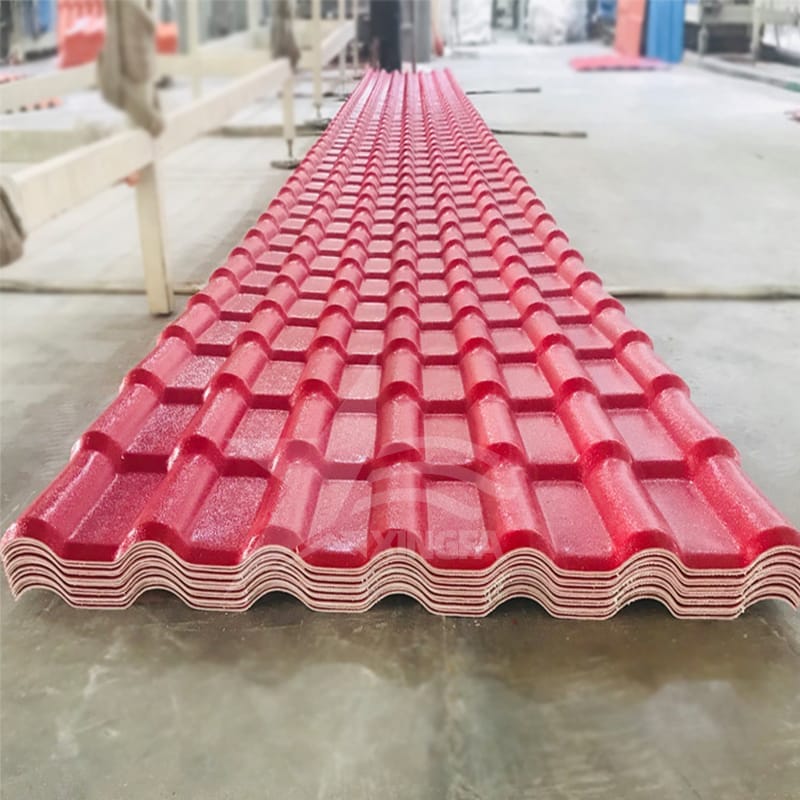
PVC roofing tiles—commonly referred to as PVC tiles—are an innovative, environmentally sustainable roofing material. Manufactured via high-temperature plasticization and extrusion, they utilize polyvinyl chloride (PVC) resin as the principal raw material. These tiles combine multiple high-performance attributes—including corrosion resistance, fire retardancy, sound insulation, and thermal insulation—making them a versatile and advanced solution for modern roofing applications. They are widely deployed in industrial facilities requiring robust corrosion resistance, such as steel-framed factories, chemical plants, smelters, and ceramic manufacturing plants, as well as in civil and commercial structures including warehouses, farmers’ markets, carports, and livestock farms.
PVC roofing tiles typically offer a service life of up to 30 years. However, certain products available on the market fall significantly short of this benchmark. The primary contributing factors are outlined below:
1.Raw Materials: Premium-grade PVC roofing tiles are produced exclusively from virgin PVC granules. Although this increases production costs, it ensures superior durability and long-term performance. In contrast, some manufacturers substitute recycled or reprocessed PVC materials to reduce costs and offer lower-priced alternatives. Such substandard tiles are prone to premature cracking, accelerated aging, and surface discoloration—often within just a few years of installation.
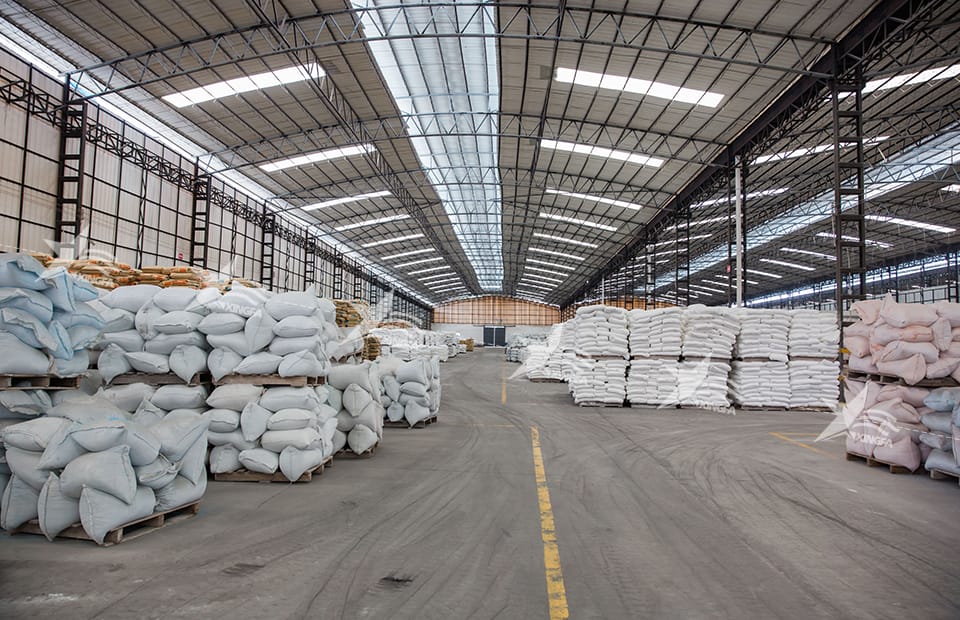
2.Product Formulation and Manufacturing Process: Product quality is fundamentally governed by a scientifically optimized formulation and a rigorously controlled manufacturing process. Leading large-scale manufacturers employ mature, proprietary formulation systems, stringent quality assurance protocols, and fully standardized production procedures. Moreover, they provide comprehensive after-sales support and dedicated technical assistance to ensure optimal product performance and customer satisfaction.
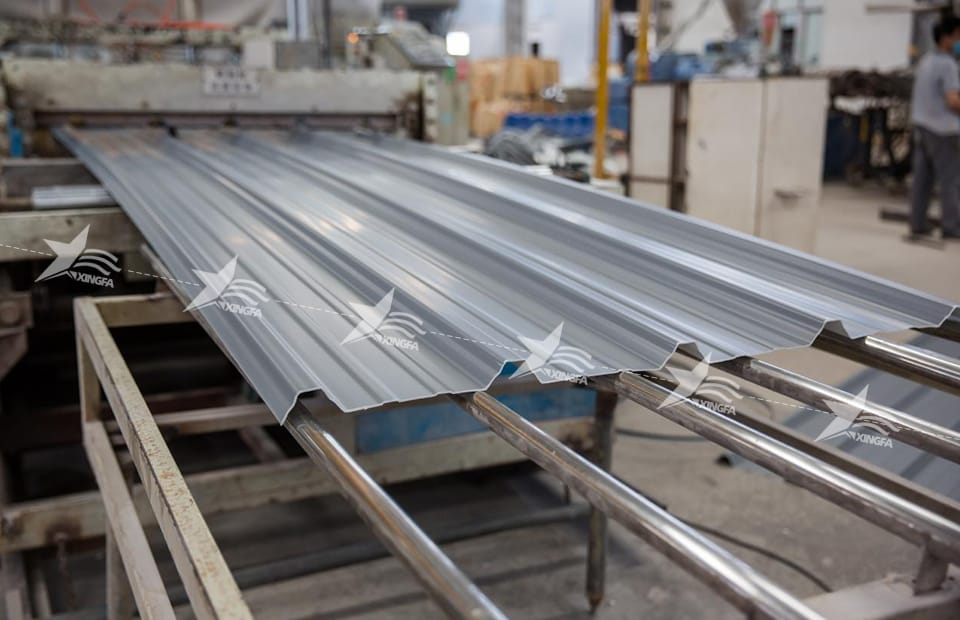
3.Roof tile Thickness: All else being equal, greater tile thickness directly correlates with extended service life. Thicker profiles delay the onset of age-related degradation, thereby enhancing long-term protective performance and structural integrity.