EN
EN  ES
ES  RU
RU  AR
AR Don’t worry about the typhoon! PVC roof tiles make factory roofs more stable.

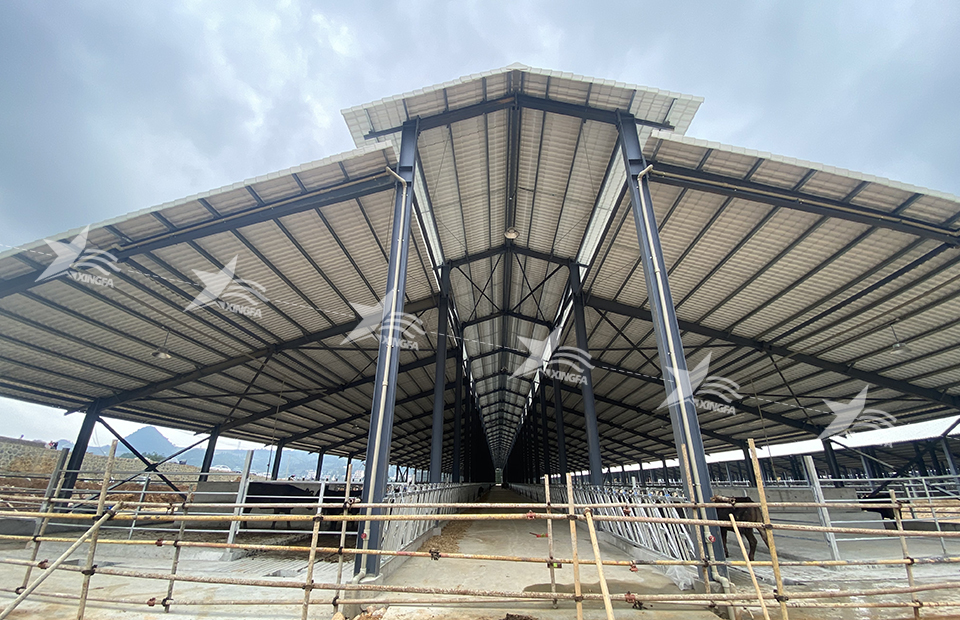
During the annual typhoon season, buildings’ roofs are subjected to significant impacts. Traditional roofing materials may struggle to cope with harsh weather conditions. PVC roof tiles, a new type of building material, have become the ideal choice for factory roofs due to their durability and wind resistance.
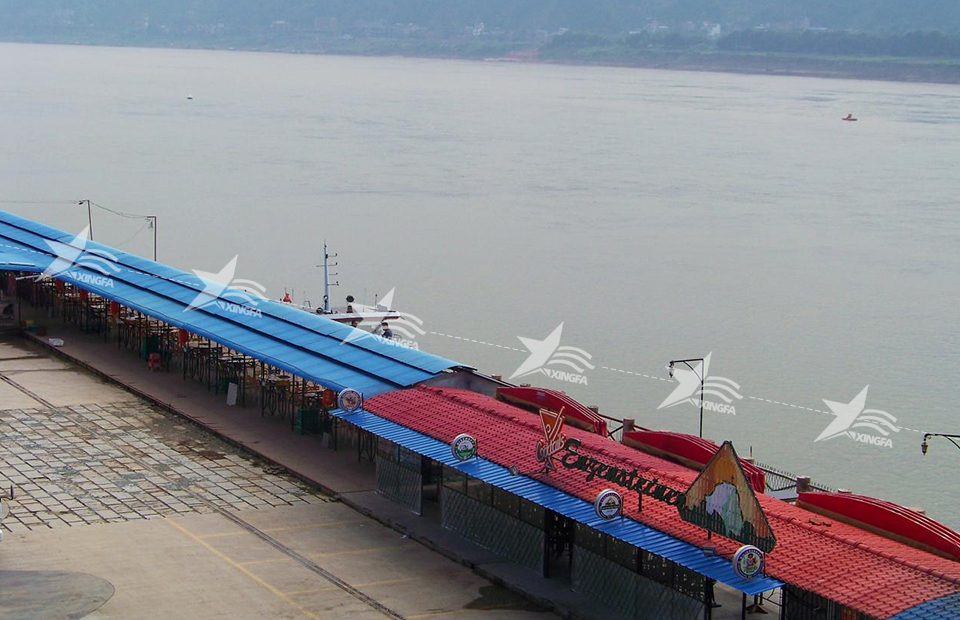
1. Outstanding wind resistance
PVC roof tiles are made of high-strength polymers and offer extremely strong wind resistance. Their unique design and snap-fit installation method can firmly fix the tiles on the roof, effectively preventing them from being blown off the roof in strong winds. Moreover, PVC roof tiles are lightweight yet highly durable, capable of withstanding the intense wind pressure in typhoons and preventing tile damage or detachment.
2. Corrosion resistance, suitable for harsh environments
Typhoons are accompanied by heavy rainfall, especially in coastal areas, where rainwater often contains acidic or salt content, which can easily corrode roofing materials. PVC roof tiles have excellent corrosion resistance and can remain unaffected by acidic rainwater or dampness for a long time, extending the lifespan of the factory roof.
3. Lightweight design, reducing roof burden
Compared to traditional metal or concrete tiles, PVC roof tiles are lighter in weight and do not impose excessive pressure on the factory structure. This lightweight design is particularly important during typhoon weather, reducing the overall burden of the roof and avoiding the risk of structural damage due to heavy tiles.
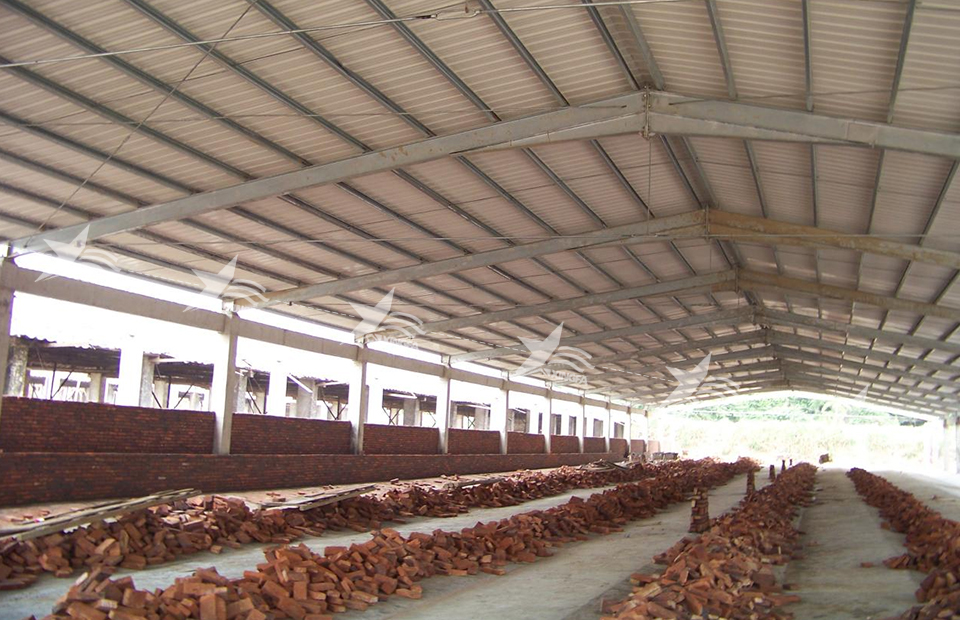
In the face of frequent typhoon weather, the choice of roof material for factories cannot be ignored. PVC roof tiles, with their outstanding wind resistance, corrosion resistance, lightweight, and environmentally friendly properties, provide comprehensive protection for factories.