EN
EN  ES
ES  RU
RU  AR
AR Technical Application Analysis of Synthetic Resin Tile Manufacturers
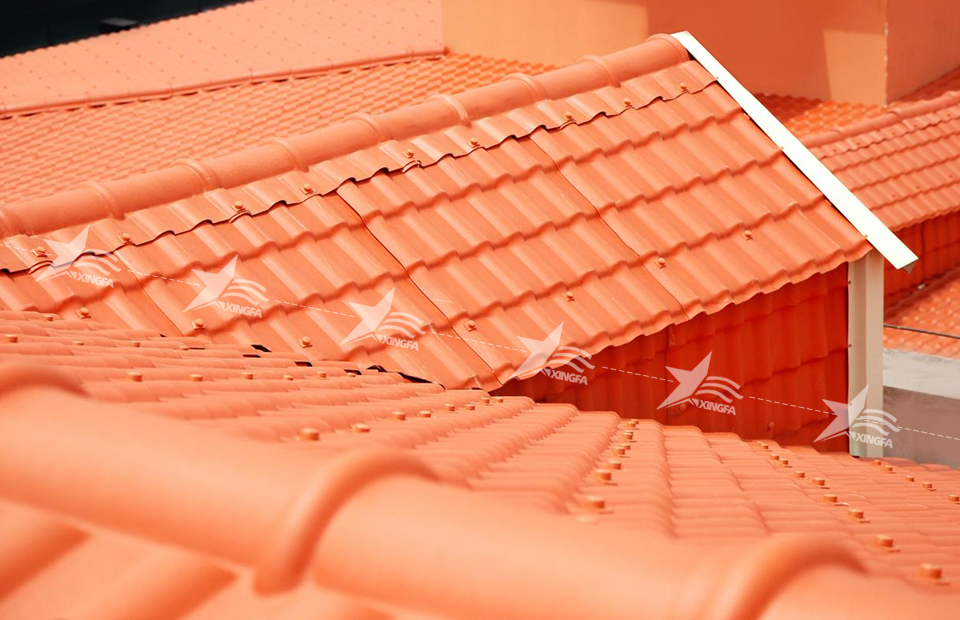
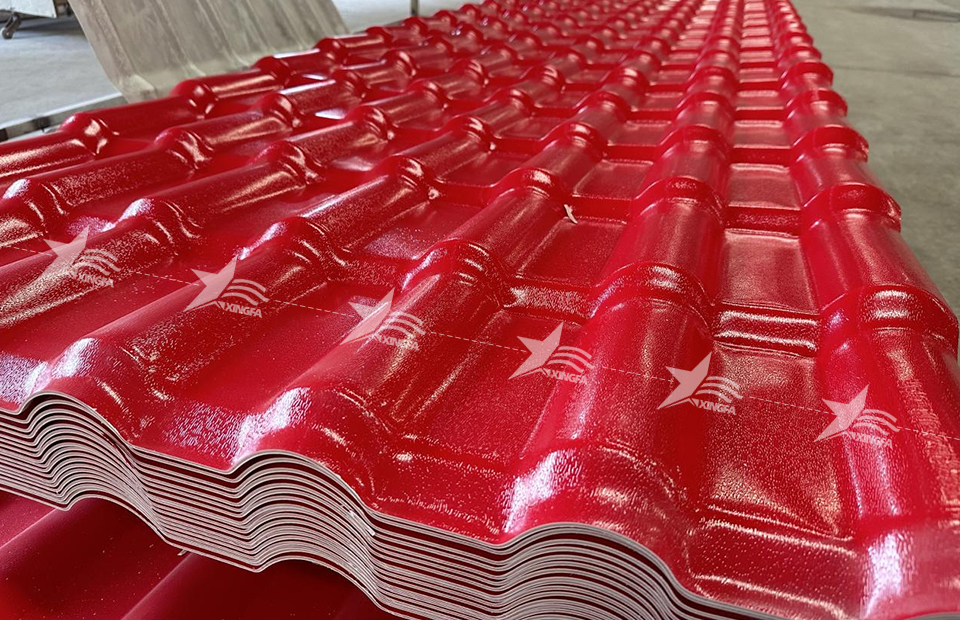
What Are Synthetic Resin Tiles? Why Choose a Specialized Manufacturer? Synthetic resin tiles are an innovative, eco-friendly roofing material composed of polyvinyl chloride (PVC) as the base substrate, with a surface layer of acrylonitrile–styrene–acrylic ester (ASA) copolymer engineered for superior UV resistance and aging protection. Compared with traditional clay tiles and color-coated steel sheets, synthetic resin tiles offer multiple advantages—including exceptional light weight, reliable waterproofing, corrosion resistance, thermal insulation, and ease of installation—effectively addressing longstanding industry challenges such as rusting, leakage, and high maintenance costs associated with conventional roofing solutions.
Selecting a specialized synthetic resin tile manufacturer is critical because such manufacturers possess mature material formulations, state-of-the-art production processes, and comprehensive after-sales support systems. These capabilities ensure consistent product performance, long-term durability, and compliance with stringent quality standards—thereby mitigating risks commonly encountered with non-specialized producers, including premature color fading, surface cracking, and structural degradation caused by substandard raw materials or inadequate manufacturing practices.
Core Technical Principles of Synthetic Resin Tiles: Dual Innovation in Materials and Manufacturing
The superior performance of synthetic resin tiles stems from synergistic innovations in both material science and production engineering. The core technical framework comprises the following three pillars:
- Advanced Material Formulation: The “Optimal PVC + ASA” Composite System. The substrate utilizes 100% virgin PVC resin conforming strictly to GB/T 2021–2006 specifications, guaranteeing optimal mechanical strength and impact resilience. A high-performance ASA weather-resistant layer, with a minimum thickness of 0.3 mm, is uniformly applied to the surface. This layer incorporates proprietary photostabilizers and antioxidants, enabling over 15 years of proven resistance to ultraviolet radiation and environmental aging, thereby preventing discoloration, chalking, and surface degradation.
- Precision Manufacturing Process: Controlled Extrusion and Thermal Curing A triple-screw extrusion molding process ensures uniform molecular alignment and consistent material density throughout the tile body. Subsequent high-temperature thermal curing further enhances structural integrity, achieving an impact resistance of ≥6 kJ/m², and significantly improves dimensional stability and weather resistance. The resulting product maintains its shape and structural integrity across extreme ambient temperatures ranging from –40°C to +70°C, without warping, cracking, or delamination.
- Targeted Technological Breakthroughs: Addressing Industry Pain Points To overcome persistent limitations in conventional synthetic resin tiles—namely insufficient load-bearing capacity despite low weight and rapid color deterioration—specialized manufacturers have introduced three key technological advancements: (i) the “Weight–Strength Optimization” design, achieving a lightweight profile (~8 kg/m²) while supporting static loads up to 150 kg; (ii) the “Color Stability” technology, ensuring minimal chromatic deviation (ΔE ≤ 3) over a 15-year service life; and (iii) the integrated “Triple-Protection” formulation, delivering simultaneous resistance against corrosion, deformation, and explosive cracking. Collectively, these innovations represent a holistic performance upgrade across all critical functional dimensions.
Comparison of Synthetic Resin Roofing Tiles versus Traditional Roofing Tiles: Advantages and Application Boundaries
To more clearly demonstrate the value proposition of synthetic resin roofing tiles, we present a multi-dimensional comparison with traditional roofing tiles:
- Performance Advantages: Comprehensive Superiority over Traditional Tiles
Lightweight yet High-Strength: Weighing only one-third that of clay tiles and two-thirds that of color-coated steel tiles, synthetic resin tiles nevertheless support a load capacity of up to 150 kg—significantly exceeding the industry average of 100 kg—thereby reducing structural load demands on the building envelope.
Corrosion- and Weather-Resistance: Featuring an ASA (Acrylonitrile Styrene Acrylate) top layer, these tiles withstand chemical corrosion and coastal salt fog exposure, delivering an extended service life of up to 35 years—compared to 5–10 years for color-coated steel tiles and approximately 20 years for clay tiles.
Thermal Insulation and Noise Reduction: With a low thermal conductivity of 0.325 W/m·K—roughly one-third that of clay tiles—they can reduce indoor ambient temperatures by 3–5°C. Additionally, their wave-shaped profile effectively attenuates heavy-rain noise by 25–30 dB.
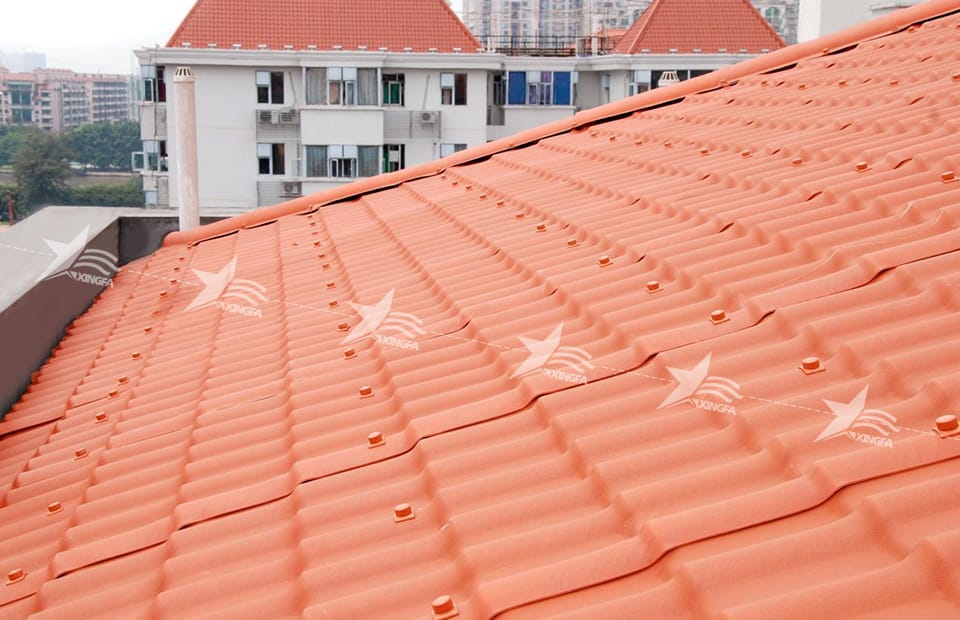
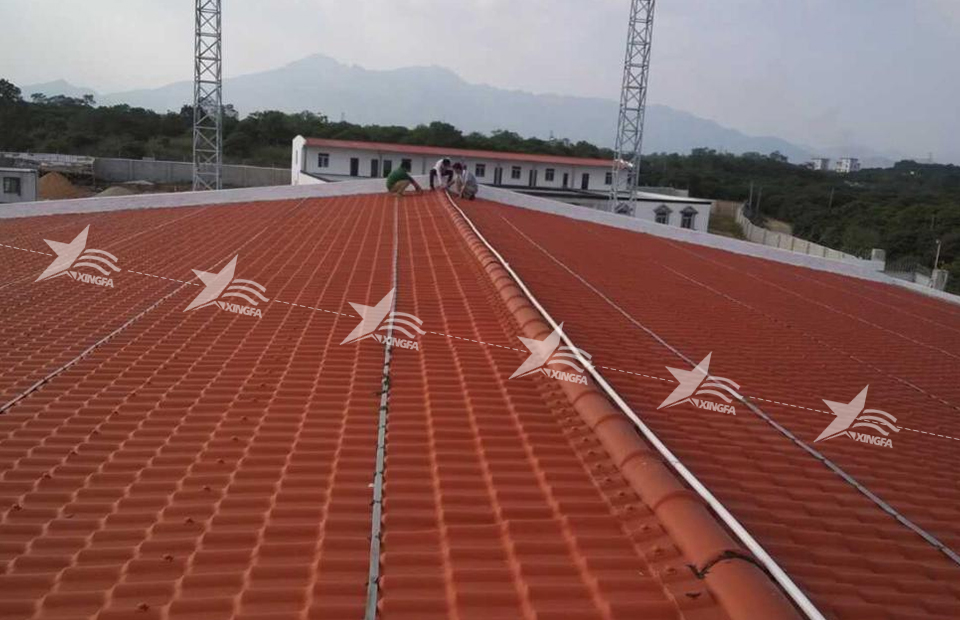
Installation Efficiency: Cutting requires no specialized tools; comprehensive accessory systems—including waterproof caps and ridge tiles—are provided. A single worker can install over 100 m² per day, reducing labor costs by approximately 30%.
- Application Boundaries: Not a “Universal Solution”
While the initial procurement cost of synthetic resin roofing tiles is marginally higher than that of conventional color-coated steel tiles (by approximately 10%–15%), their long-term maintenance costs—including replacement and repair—are only about one-fifth those of traditional alternatives. Consequently, they are best suited for applications where durability, sustainability, and lifecycle performance are prioritized—rather than for short-term or temporary structures.
Key Application Scenarios of Synthetic Resin Roofing Tiles: Comprehensive Coverage from Infrastructure Projects to Residential Use
Owing to their outstanding performance characteristics, synthetic resin roofing tiles have been widely adopted across diverse sectors:
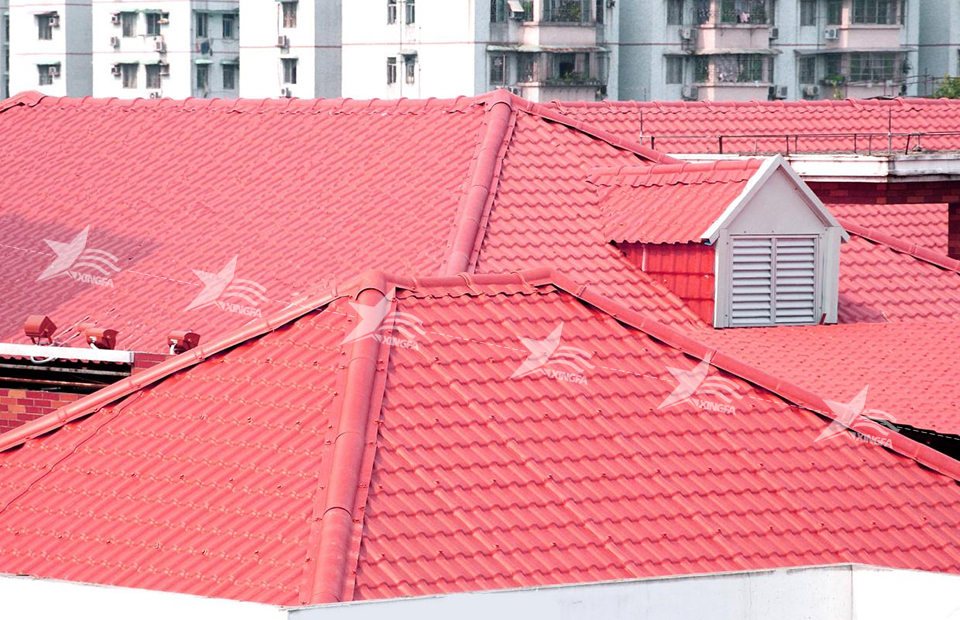
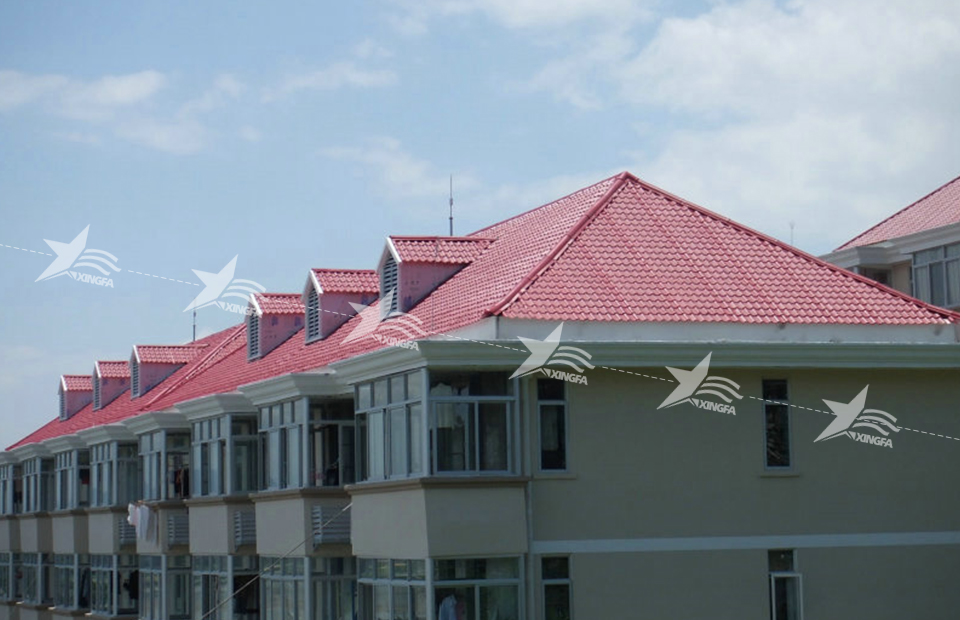
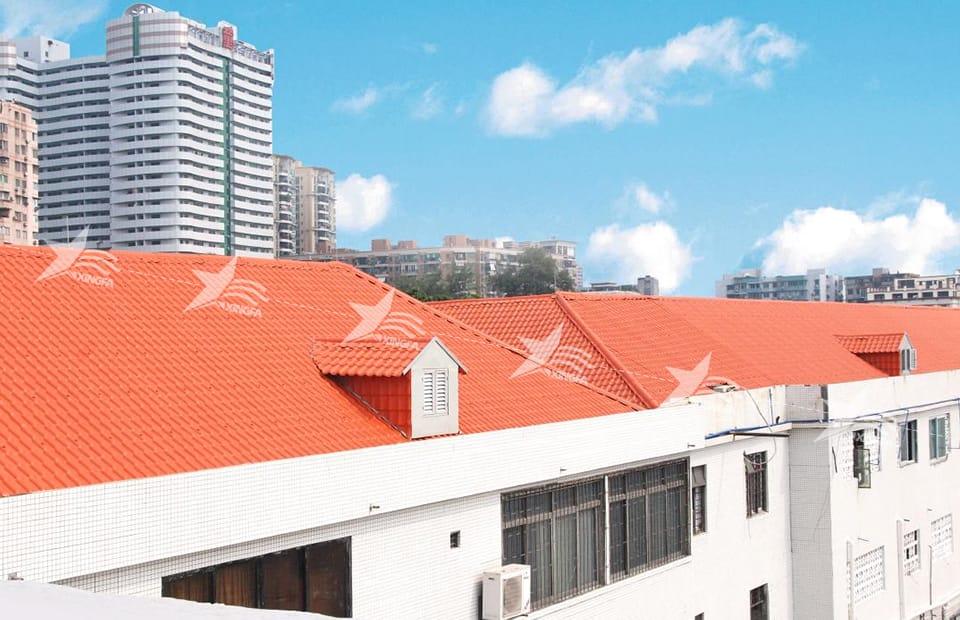
- Municipal Engineering and Flat-to-Sloped Roof Renovation Projects In large-scale events such as the Guangzhou Asian Games and the Shenzhen Universiade, synthetic resin roofing tiles were selected as the preferred material for flat-to-sloped roof renovation projects—praised for their uniform aesthetic appearance, ease of installation, and exceptional weather resistance. For instance, during the Guangzhou Asian Games, approximately 500,000 m² of aging residential buildings were retrofitted with synthetic resin roofing tiles, achieving a 15% cost reduction compared to traditional color-coated steel roofing. After 12 years of service, no fading or leakage issues have been reported.
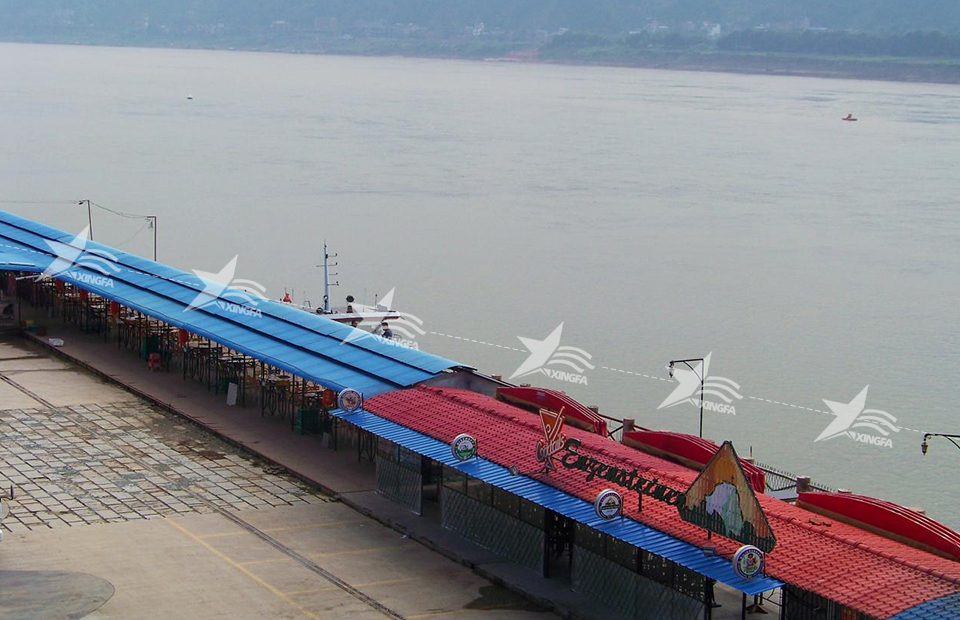
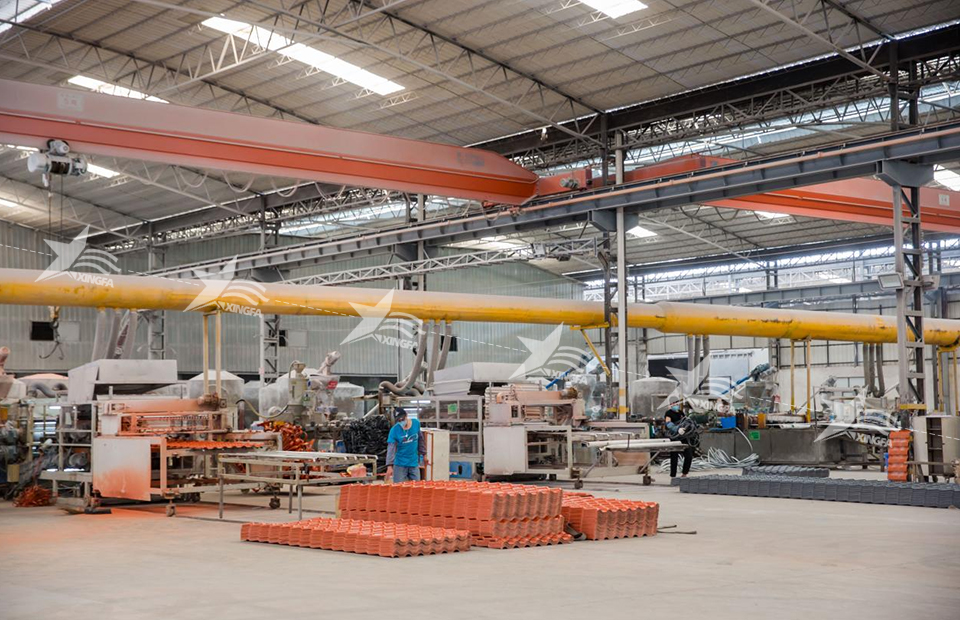
- Industrial Factories and Warehousing Facilities In highly corrosive environments—such as ceramic manufacturing plants and livestock farms—the superior corrosion resistance of synthetic resin roofing tiles is critical. At a major ceramic factory, the installation of 1.0-mm-thick PVC corrosion-resistant corrugated roofing reduced internal warehouse temperatures by 5–8°C, lowered annual maintenance costs by RMB 100,000, and improved product pass rates by 3 percentage points.
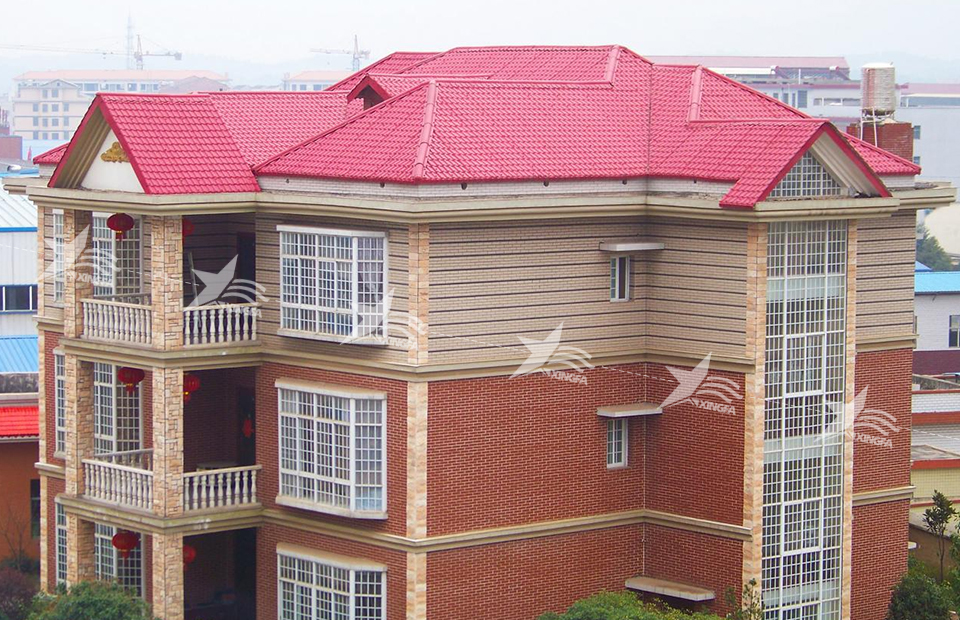
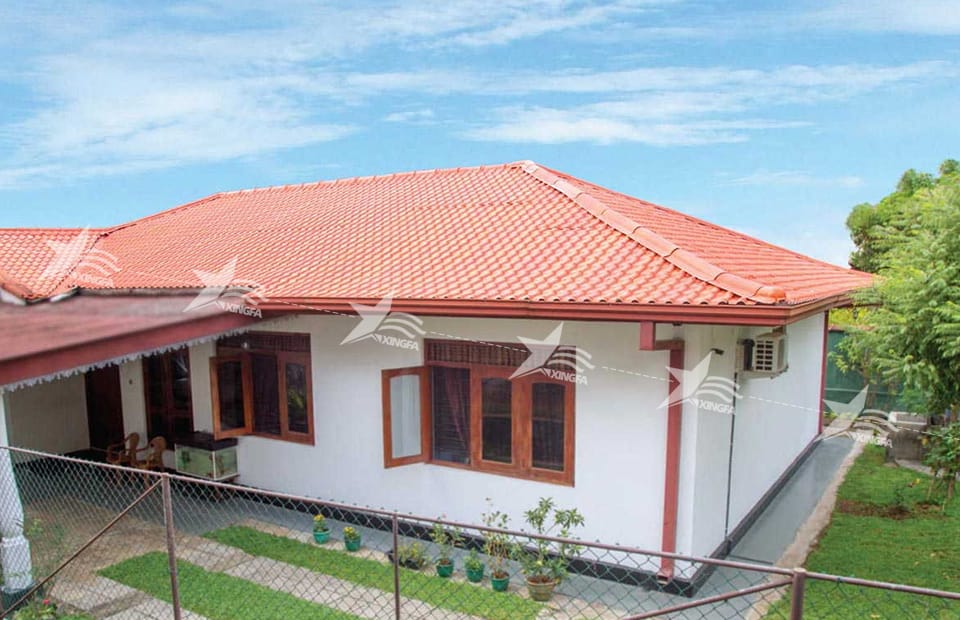
- New Rural Construction and Self-Built Housing Renovations In the post-earthquake reconstruction project in Beichuan County, Sichuan Province, synthetic resin roofing tiles were installed across 100,000 m² of residential resettlement housing. The construction schedule was completed within just four months, and after eight years of service, 98% of residents reported no instances of leakage or color fading—establishing the solution as a benchmark for “safety, aesthetics, and hassle-free maintenance.”
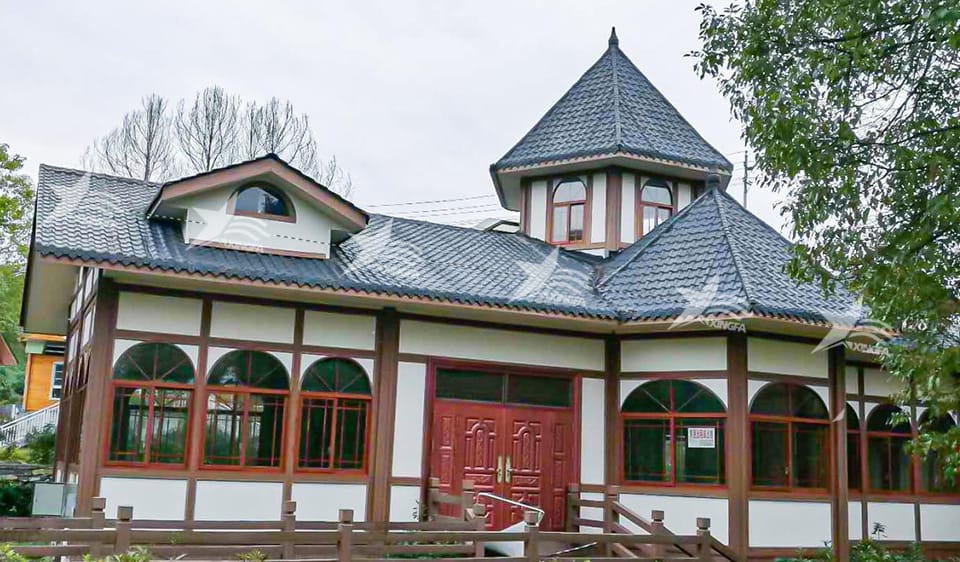
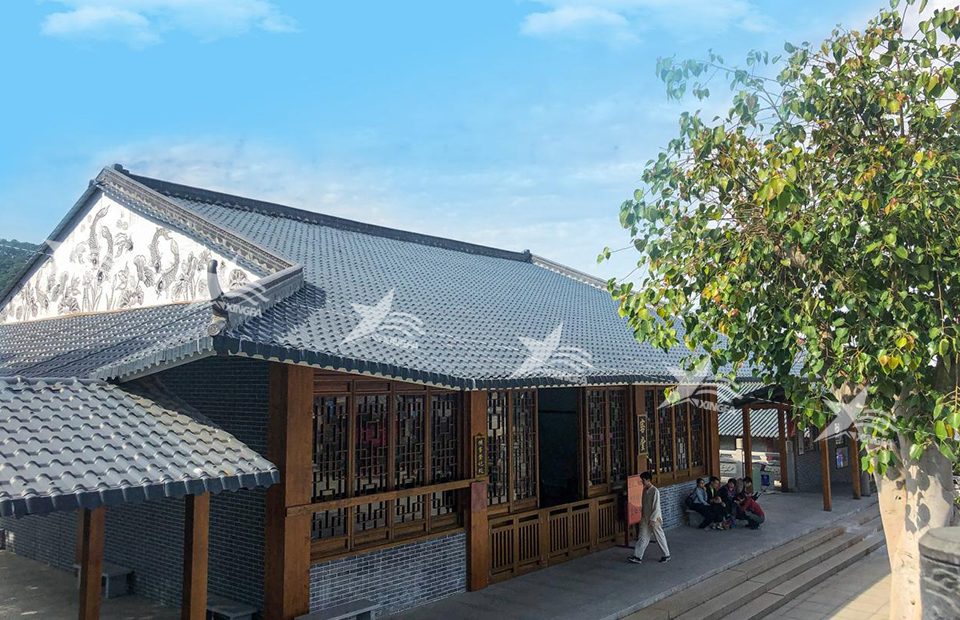
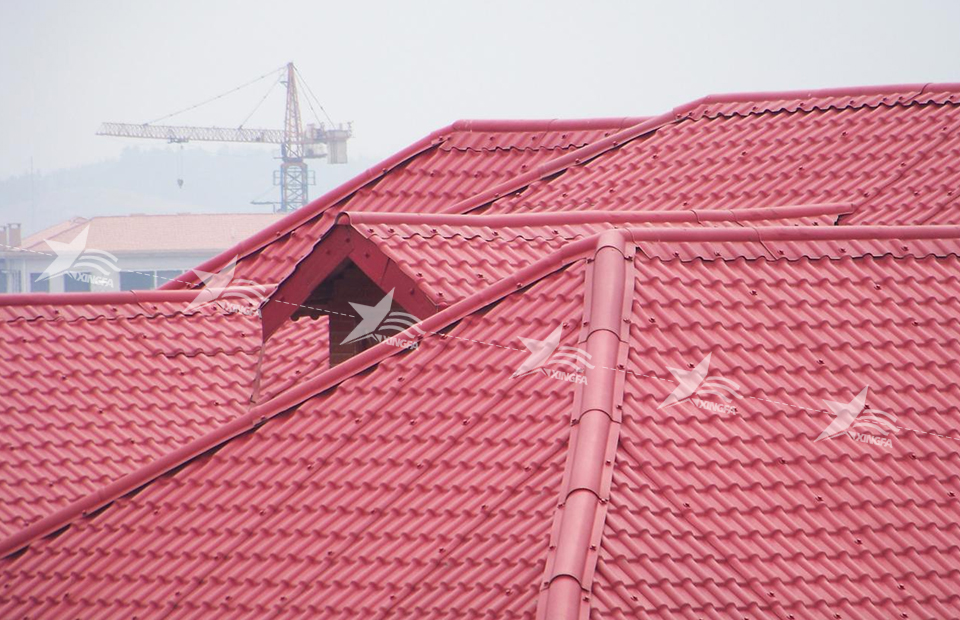
- Cultural Tourism Towns and Historic-Style Architecture During the renovation of a historic town in Foshan, synthetic resin roofing tiles—custom-designed to emulate traditional Lingnan architectural features (e.g., brick-red hue and ornamental ridge-end and drip-edge components)—successfully recreated the region’s authentic heritage character. Compared to traditional clay tiles, this solution shortened the construction timeline by 40% and reduced long-term maintenance costs by 60%.
From Principle to Practice: Solutions and Future Trends of Synthetic Resin Tile Manufacturers
So, how can the technical principles of synthetic resin tiles be translated into stable and reliable solutions? The practices of professional manufacturers offer the answer.
Foshan Chancheng Xingfa Tile Co., Ltd., a technological pioneer in the realm of synthetic resin tiles, has been deeply entrenched in the industry for 21 years. By adopting an integrated approach encompassing “research and development, production, sales, and service,” the company has successfully transformed technical principles into premium-quality products. Its Xingfa brand synthetic resin tiles feature a “three-in-one protection” formula, “color-lasting” technology, and a “lightweight yet robust balance” design, achieving an annual production volume of tens of millions of pieces and catering to a wide range of applications, including municipal, industrial, and civilian sectors.
For instance, in the breeding farm project undertaken by Guangdong Wen’s Group, the anti-corrosion resin tiles supplied by Xingfa Tile Industry effectively addressed the corrosion challenges posed by high salt spray environments. These tiles remained rust-free and crack-resistant for eight years, resulting in an 80% reduction in maintenance costs. In another project at Gaoming Yingxiang Ecological Park in Foshan, the antique architectural aesthetic of the synthetic resin tiles seamlessly blended with the park’s ambiance, transforming them into a must-visit attraction for tourists.
Looking forward, the development trajectory of synthetic resin tiles will center around “greenification, intelligence, and customization.” Firstly, by integrating with photovoltaic technology, new energy photovoltaic roof tiles will be developed, offering the dual functionality of “power generation and roofing.” Secondly, green production processes will be adopted to minimize energy consumption and carbon emissions. Thirdly, a broader spectrum of customized designs in diverse colors and styles will be offered to cater to the aesthetic preferences of high-end applications such as cultural tourism and villa construction.
As a paragon of innovative roofing materials, synthetic resin tiles are propelling the construction industry towards green and modern transformation through the technical prowess of professional manufacturers. Their comprehensive upgrade, spanning from principle to application, also provides users with a superior solution that necessitates a one-time investment while ensuring long-term peace of mind.