ES
ES  EN
EN  RU
RU  AR
AR PVC Roofing Tiles vs. ASA synthetic resin tiles: A Multi-Dimensional Selection Guide
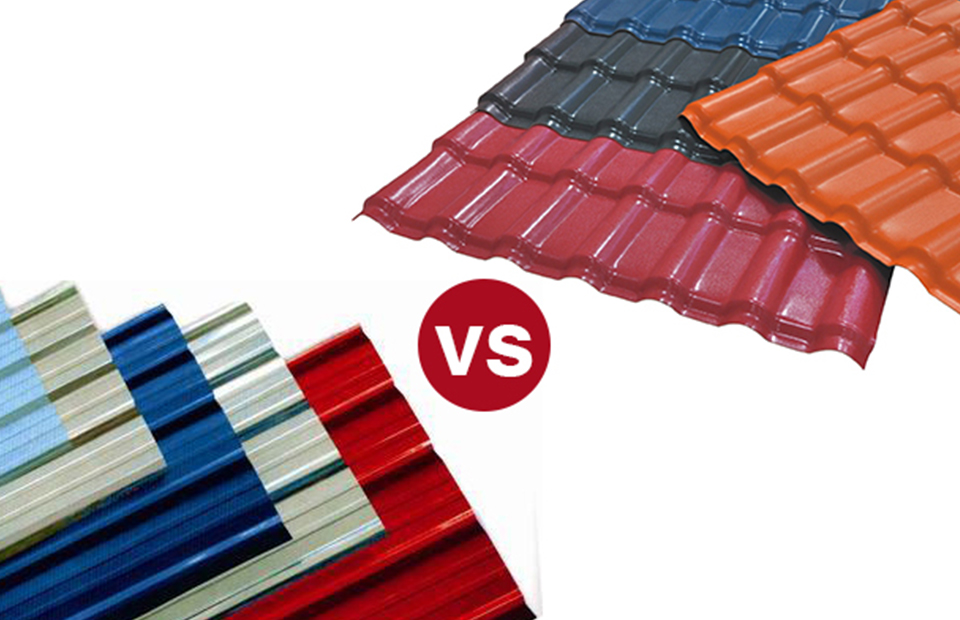
In roof renovation projects for industrial plants, warehouses, and residential buildings, PVC roofing tiles and ASA synthetic resin tiles are two mainstream plastic roofing materials available on the market. Many procurement professionals confuse the two—some even mistakenly assume that ASA tiles are merely standard PVC tiles. In reality, significant differences exist between them in terms of surface formulation, weather resistance, service life, and suitable application scenarios. Selecting the appropriate product based solely on price is inadequate; a comprehensive evaluation—considering project-specific environmental conditions, budget constraints, and required service life—is essential. This article provides a systematic, multi-dimensional comparison across material composition, weather resistance and anti-aging performance, physical and mechanical properties, corrosion and waterproofing capabilities, cost and pricing structure, recommended application scenarios, and post-installation maintenance—empowering engineers and property owners to make informed, rational selections.
1. Material Composition Differences: The Core Distinction
(A) PVC Roofing Tiles
PVC roofing tiles use polyvinyl chloride (PVC) as their base material. Many products are manufactured via single-layer extrusion without an additional weather-resistant protective layer. High-quality PVC tiles incorporate a small amount of ultraviolet (UV)-stabilizing additives uniformly dispersed throughout the bulk material; however, these additives are not applied as a discrete, functional coating. Raw material quality varies significantly across manufacturers: low-cost variants often contain high proportions of calcium carbonate filler to reduce raw material costs—thereby compromising impact toughness and structural integrity. While the single-layer construction enables simple, cost-efficient production, it inherently delivers suboptimal UV resistance; aging initiates at the surface and progressively penetrates inward.
(B) ASA synthetic resin tiles
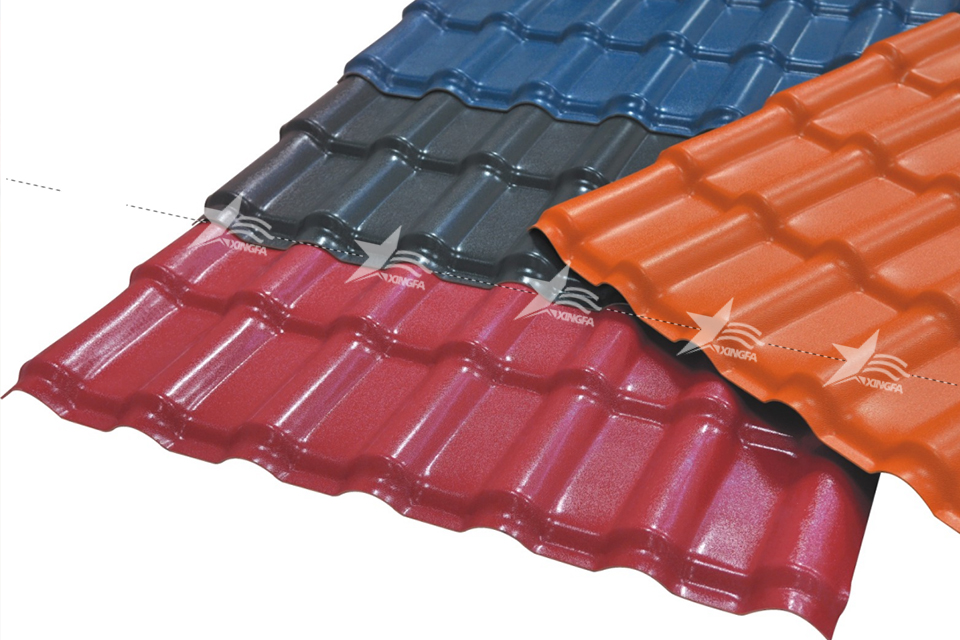
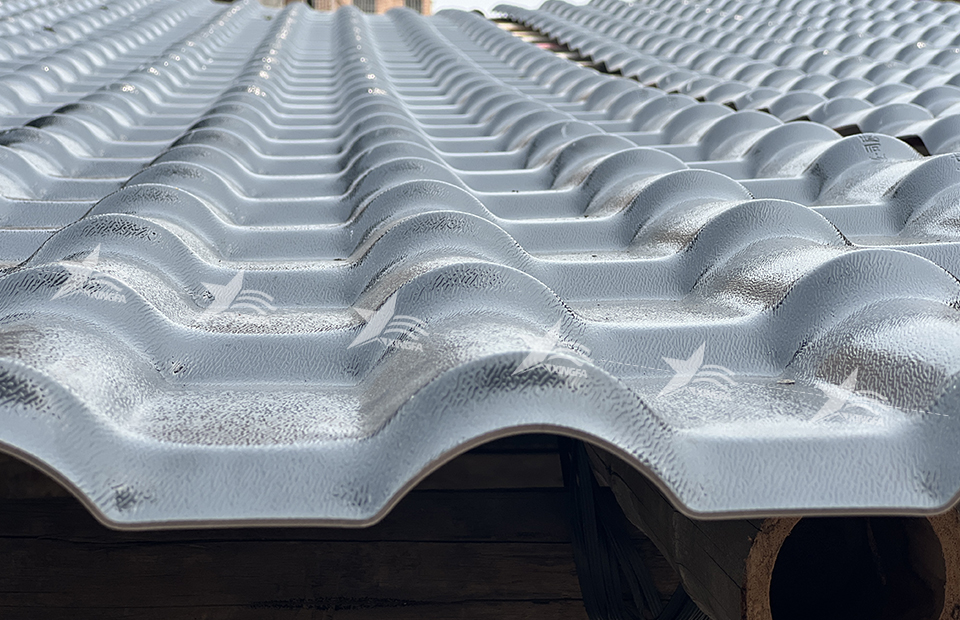
ASA synthetic resin tiles feature a co-extruded, multi-layer composite structure: a PVC-based substrate forms the structural core, while a 0.2 mm-thick ASA (acrylonitrile–styrene–acrylate) weather-resistant engineering resin layer is co-extruded onto the surface. ASA resin is a high-performance polymer specifically engineered for outdoor applications, offering markedly superior UV resistance and anti-aging properties compared to conventional PVC. The co-extrusion process ensures robust molecular bonding between the ASA top layer and the PVC substrate—effectively functioning as a durable, integrated weather barrier. Here, the substrate provides mechanical strength and dimensional stability, while the ASA surface layer shields against solar radiation, rain, and thermal cycling. This functional separation of roles represents the most fundamental distinction from monolithic PVC tiles.
2. Weather Resistance and Service Life Comparison
Weather resistance is the most critical performance criterion for outdoor roofing materials—and directly determines service life. Standard single-layer PVC tiles exposed to intense UV radiation and prolonged high-temperature conditions typically exhibit visible degradation—including color fading, chalking, and embrittlement—within 3–5 years. Even when UV stabilizers are incorporated, these additives gradually deplete under continuous solar exposure; once exhausted, accelerated aging ensues. Under milder climatic conditions with limited sunlight exposure, premium-grade PVC tiles may achieve a service life of 8–10 years—but this lifespan diminishes substantially in southern regions characterized by intense, year-round solar irradiance.
By contrast, the molecular structure of the ASA surface layer is highly stable and intrinsically resistant to UV-induced degradation, delivering exceptional resistance to fading and chalking. Certified products from reputable manufacturers demonstrate a theoretical service life exceeding 20 years under standard outdoor exposure conditions. Even under extended, direct solar exposure, color retention remains excellent, and surface chalking or micro-cracking is minimal. Caution is warranted, however: some inferior imitations on the market apply only a superficial pigment coating onto PVC substrates—rather than employing true co-extruded ASA layers. Such coatings typically delaminate after several years, resulting in severe performance deterioration. Buyers must therefore verify manufacturing process authenticity during procurement.
3. Physical and Mechanical Performance: Impact Resistance and Low-Temperature Toughness
Standard PVC exhibits moderate low-temperature toughness; PVC tiles with excessive filler content become increasingly brittle in cold environments, raising susceptibility to cracking upon impact from hailstones or falling objects. Additionally, PVC has a relatively high coefficient of thermal expansion—leading to buckling or “arching” under elevated temperatures if purlin spacing is insufficient. Its principal advantages lie in light weight, ease of cutting, and straightforward installation.
ASA synthetic resin tiles employ optimized, toughened formulations in the PVC substrate, synergistically enhanced by the co-extruded ASA layer. As a result, overall impact resistance surpasses that of standard PVC tiles—particularly against hail impact. Low-temperature ductility is also improved, significantly reducing the risk of brittle fracture. Thermal expansion/contraction behavior remains broadly comparable to that of PVC substrates; thus, proper installation practices—including provision of adequate expansion gaps and secure fastening—remain essential to prevent arching. Both tile types are lightweight, imposing minimal additional load on existing roof structures—making them especially well-suited for retrofitting aging roofs.
4. Corrosion and Waterproofing Performance Comparison
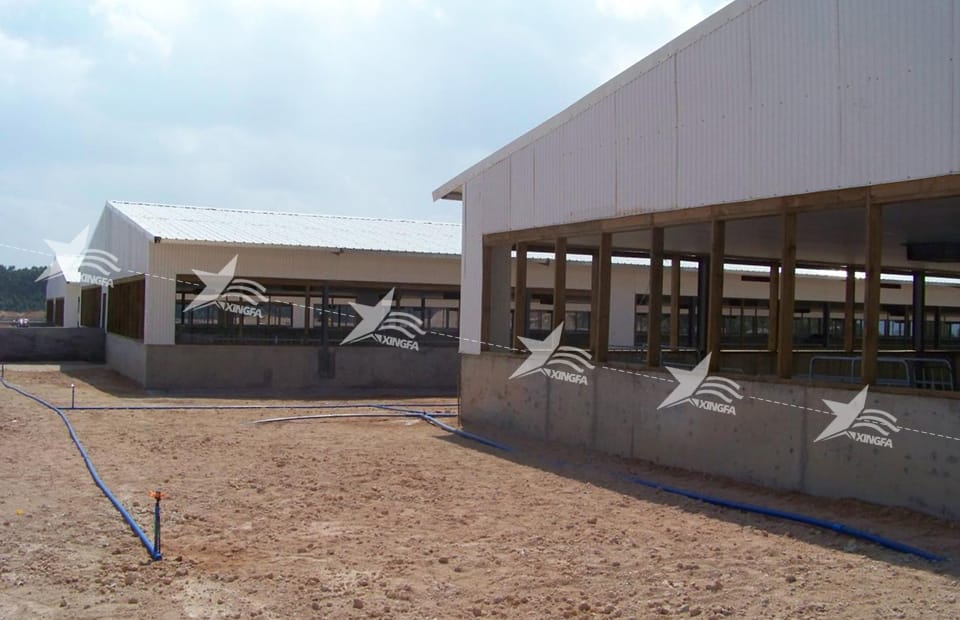
Both materials are non-metallic and inherently rust-free—conferring clear advantages over color-coated steel sheets in acidic or alkaline environments. They are therefore particularly suitable for corrosive applications such as chemical plants, livestock barns, and acid pickling workshops.
Standard PVC tiles rely primarily on interlocking profile geometry for waterproofing. However, as the base material ages and chalks, microscopic cracks may develop, gradually compromising watertightness and increasing the risk of leakage. In contrast, the ASA surface layer is dense, chemically stable, and highly resistant to acid/alkali exposure and prolonged rainwater erosion. It maintains surface integrity over time, minimizing micropore formation and ensuring long-term waterproofing reliability at lap joints. That said, both systems require compatible ancillary components—including high-performance sealants and waterproof ridge caps. Substandard accessories or improper installation can undermine even the highest-quality roofing material; waterproofing efficacy ultimately depends on holistic system execution—not just tile selection.
5. Cost and Pricing Analysis
The primary advantage of PVC roofing tiles lies in their economic accessibility: unit-area cost is comparatively low, and lead times are short. They are ideally suited for temporary structures, short-term industrial facilities, or budget-constrained projects where a service life of ≤8 years is acceptable. Their key drawback is higher lifecycle replacement cost—requiring full removal and reinstallation upon end-of-life.
ASA synthetic resin tiles entail higher raw material costs and more complex co-extrusion processing, resulting in a premium price point relative to standard PVC tiles. Initial investment is therefore greater—but extended service life translates into lower total cost of ownership over time. Reduced frequency of roof replacement, along with associated labor and material expenditures, makes ASA tiles the economically optimal choice for permanent structures—including residential homes, large-scale industrial plants, and other long-term applications.
6. Recommended Application Scenarios
PVC roofing tiles are best deployed in interior ceiling applications, temporary structures, sunshades, indoor roofs with minimal light exposure, or short-term storage sheds. They are not recommended for long-term outdoor use in high-UV environments—such as open-air installations, high-altitude locations, or southern coastal regions with intense solar radiation.
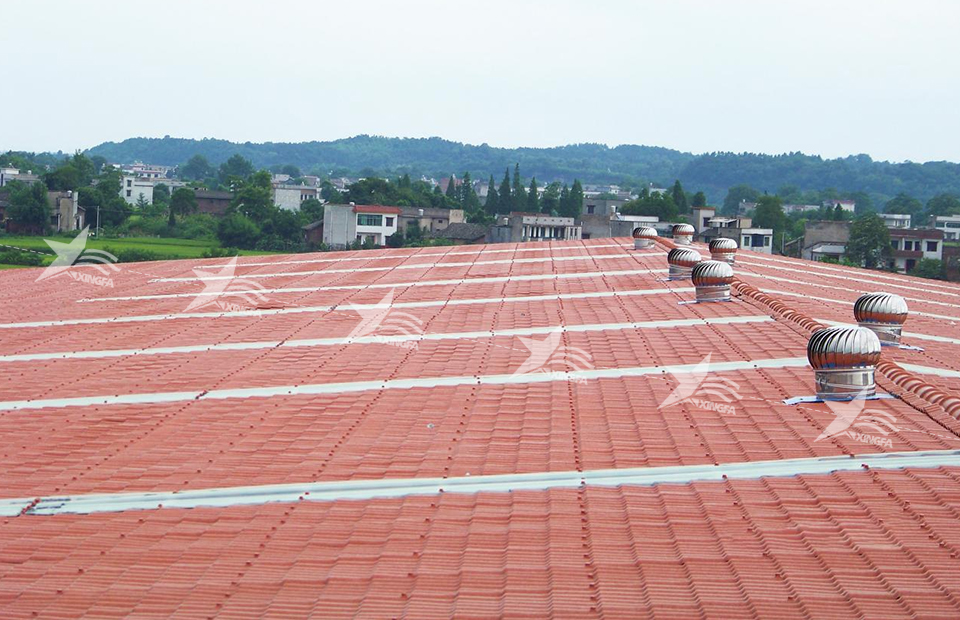
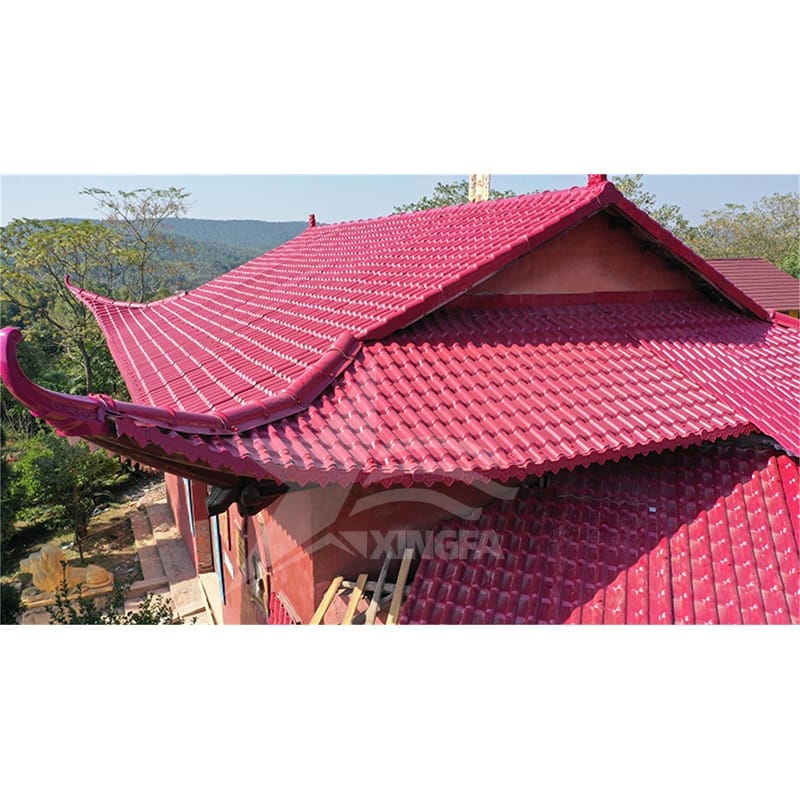
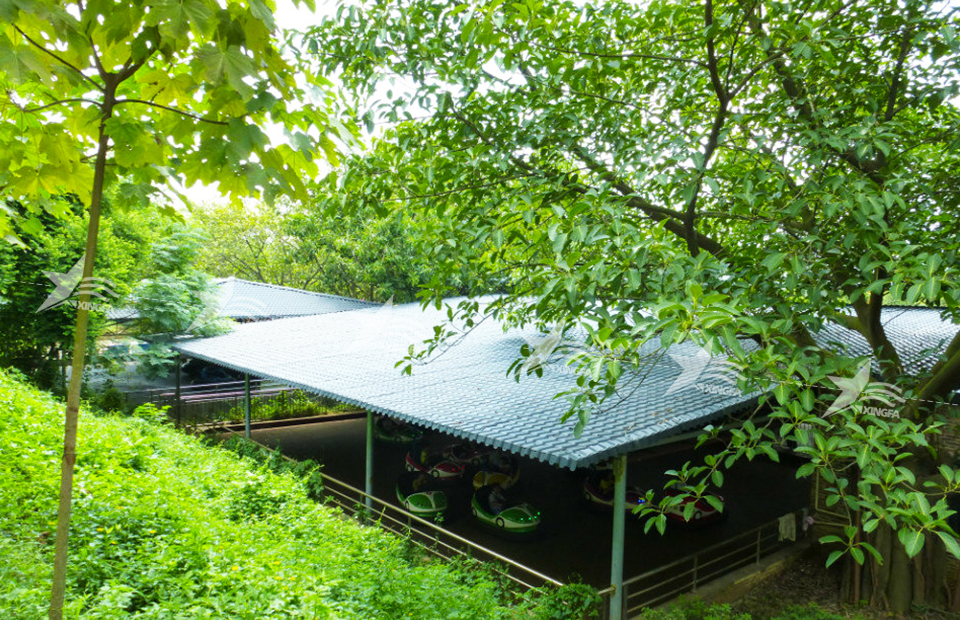
ASA synthetic resin tiles offer broader applicability and are the preferred solution for residential rooftops, steel-framed industrial plants, warehouses, agricultural markets, coastal facilities subject to salt corrosion, and roof renovation projects. In southern regions characterized by high ambient temperatures, abundant rainfall, and strong UV intensity, co-extruded ASA roofing tiles are strongly recommended.
7. Post-Installation Maintenance Considerations
Maintenance of aged PVC tiles is challenging: embrittled tiles are prone to breakage under foot traffic during inspection or repair, and severely degraded sections generally necessitate full replacement. Users should avoid placing heavy or sharp objects directly on the roof surface.
ASA tiles age far more slowly, requiring only routine maintenance—primarily periodic clearing of leaves, debris, and accumulated dust. Localized damage can be addressed by replacing individual tiles, enabling efficient, targeted repairs without disrupting the entire roof system.
Conclusion
PVC roof tiles and ASA-coated synthetic resin roof tiles are not inherently superior or inferior to one another; the optimal choice hinges fundamentally on project-specific requirements. For temporary structures, cost-sensitive applications, or installations where prolonged outdoor exposure to direct sunlight is not anticipated, PVC roof tiles can adequately meet functional needs. In contrast, for permanent buildings—particularly those with exposed roofs—where long-term dimensional stability, weather resistance, and minimal maintenance or re-roofing over time are critical, ASA co-extruded synthetic resin roof tiles should be prioritized.
Selection must go beyond simple unit-price comparison. A comprehensive evaluation—incorporating local climatic conditions, intended service life, corrosion resistance requirements, and other site-specific factors—is essential. Equally important is rigorous quality control: suppliers must be vetted to ensure products comply with material specifications—specifically, that filler content remains within acceptable limits and that ASA coatings are authentic and properly applied—to safeguard overall roof system performance and longevity.