ES
ES  EN
EN  RU
RU  AR
AR Synthetic Resin Roof Tile Service Life System Analysis: The Impact of Installation Practices and Multiple Factors on Tile Durability
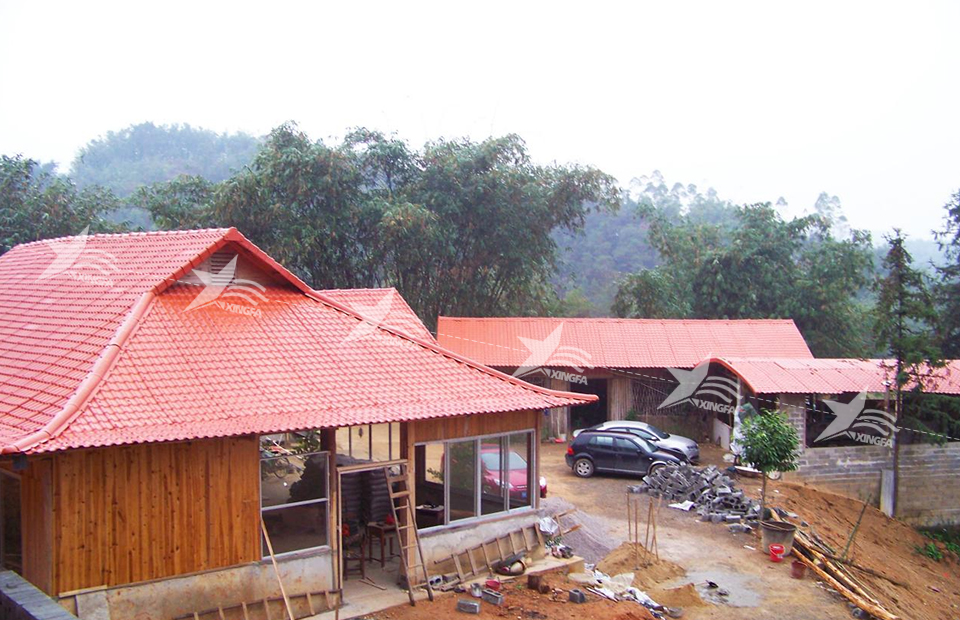
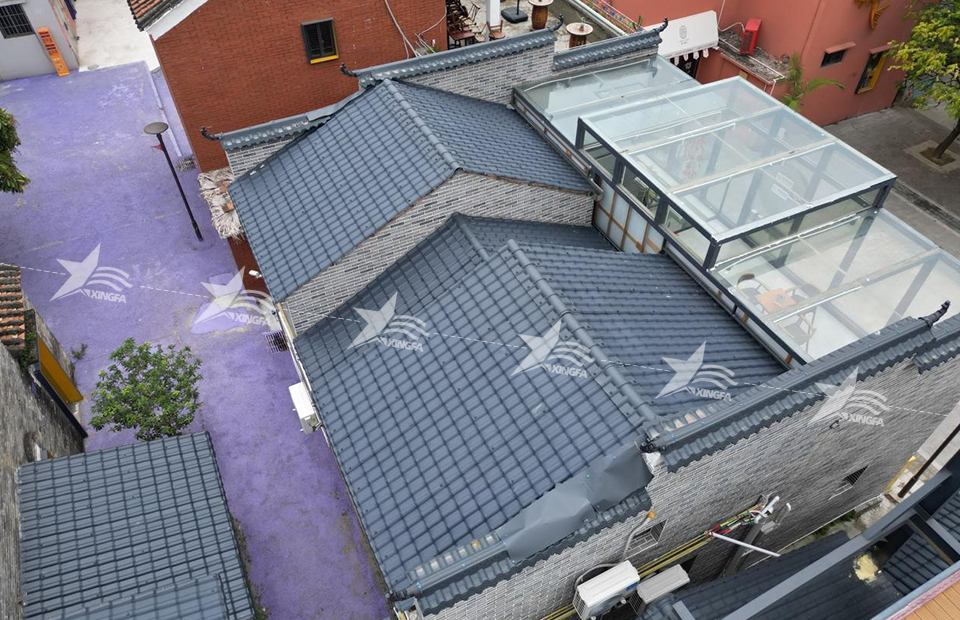
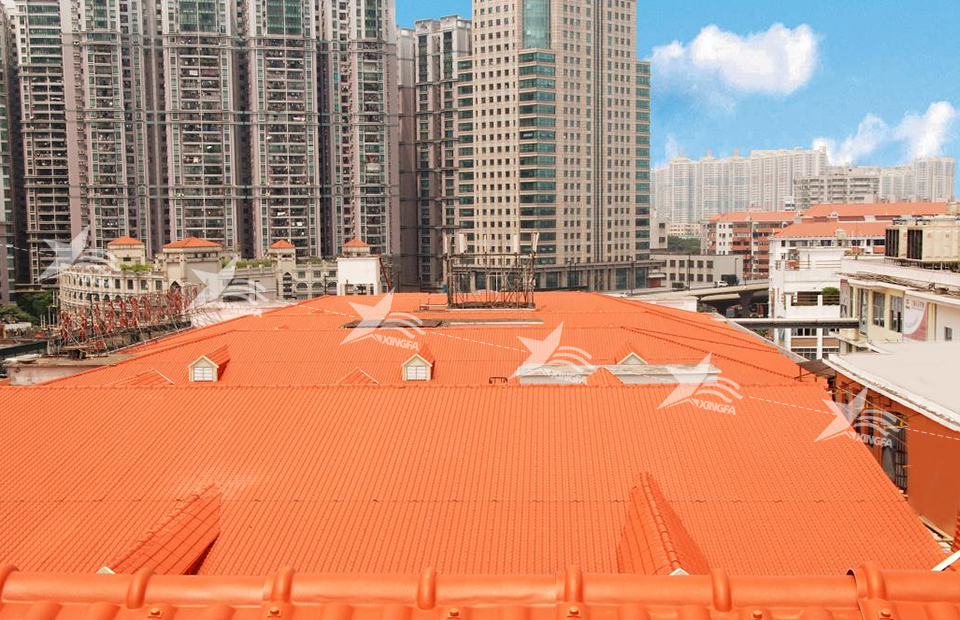
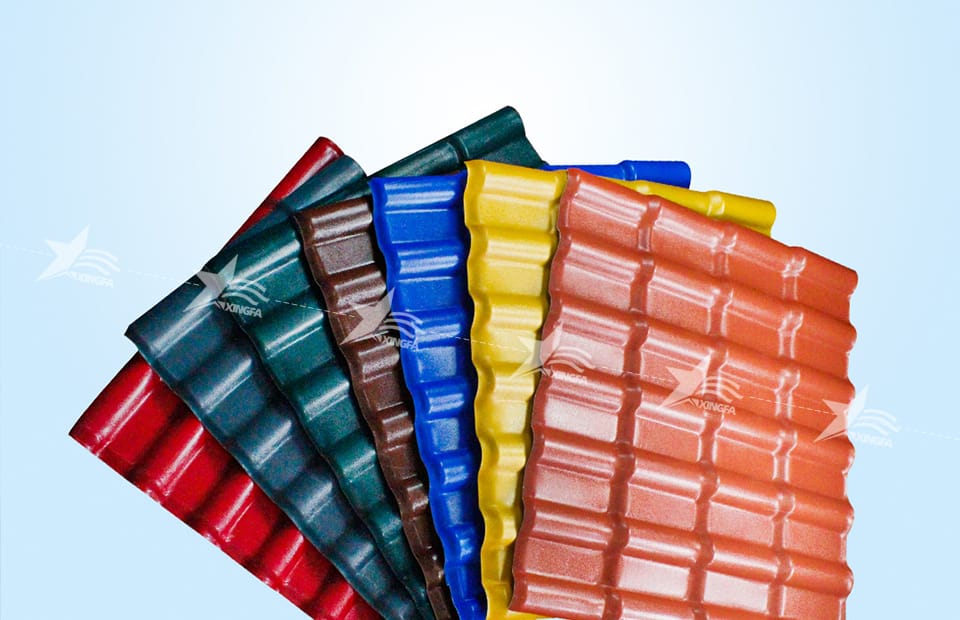
Synthetic resin roof tiles have become the predominant roofing material for residential self-built houses, industrial workshops and warehouses, rural renovation projects, and cultural-tourism buildings. Leveraging advantages such as lightweight construction, high strength-to-weight ratio, corrosion resistance, weather durability, noise reduction, thermal insulation, and aesthetic versatility, they are progressively replacing traditional alternatives—including color-coated steel sheets, concrete tiles, and asbestos-cement tiles. While most end users focus primarily on product price and basic technical specifications during procurement, they often overlook a critical fact: the actual service life of synthetic resin tiles is not a fixed value. Rather, it is governed by a confluence of interdependent factors—among which installation practice stands out as the most pivotal controllable variable. Indeed, installation quality can profoundly influence service longevity—even determining whether the tile achieves its theoretical design life.
This article systematically examines service life determinants across four key dimensions: intrinsic material properties, surface protective coating, climatic exposure conditions, and on-site installation practices—and concludes with a synthesis of the core durability advantages inherent to high-quality synthetic resin roof tiles.
1. Substrate Material Characteristics: Establishing the Foundational Lower Bound of Service Life
Synthetic resin roof tiles employ a dual-layer co-extruded structure, wherein the primary substrate—composed of polyvinyl chloride (PVC) resin—serves as the fundamental determinant of structural integrity, impact resistance, flexural toughness, and long-term dimensional stability. Consequently, the substrate directly establishes the lower bound of potential service life. Raw material purity, polymer formulation, and proprietary modification processes collectively govern the tile’s baseline capacity to withstand mechanical stress, thermal cycling, and environmental aging. Premium-grade products utilize virgin PVC resin compounded with specialized stabilizers and impact modifiers, yielding a dense, homogeneous microstructure that optimally balances rigidity and ductility. Such tiles exhibit exceptional low-temperature toughness (resisting embrittlement) and high-temperature dimensional stability (preventing softening or warping), while maintaining fatigue resistance under sustained mechanical loading.
In contrast, substandard market offerings frequently rely on recycled or contaminated feedstock, resulting in elevated impurity content, molecular chain heterogeneity, and structural porosity. These deficiencies manifest as severely compromised mechanical resilience: within just a few years of service, such tiles commonly exhibit hardening, embrittlement, cracking, warping, or localized sagging. Moreover, unmodified PVC inherently lacks ultraviolet (UV) resistance and chemical corrosion resistance; thus, it cannot withstand prolonged outdoor exposure without degradation. Once substrate integrity is compromised, moisture and particulate contaminants readily infiltrate the internal matrix, accelerating hydrolytic and oxidative degradation pathways—ultimately precipitating premature system failure. Hence, substrate quality constitutes the indispensable foundational prerequisite for extended service performance.
2. Surface Protective Coating: Defining the Upper Bound of Service Life
Whereas the substrate establishes the lower limit of service life, the surface ASA (acrylonitrile–styrene–acrylate) weather-resistant coating determines its upper bound—the first and most critical line of defense against harsh outdoor environments. UV resistance, anti-aging capability, color retention, and resistance to chalking and delamination are almost exclusively attributable to this outermost functional layer.
High-performance synthetic resin tiles feature a monolithic, co-extruded ASA engineering plastic coating—uniform in thickness and metallurgically bonded to the substrate—ensuring excellent adhesion, minimal risk of peeling or blistering, and highly effective attenuation of UV radiation, ozone, and acidic precipitation. This robust barrier significantly decelerates substrate photo-oxidation and thermal degradation. Per national standards, top-tier products demonstrate a theoretical service life of 25–30 years under typical exposure conditions. Conversely, inferior products often employ thin, non-co-extruded coatings—such as ABS blends or post-applied laminated films—that deliver inadequate protection. These variants typically exhibit widespread discoloration, flaking, chalking, and delamination within 3–5 years. Upon coating failure, direct UV irradiation rapidly degrades the underlying PVC substrate, inducing embrittlement, microcracking, and water infiltration—effectively halving the expected service life. Accordingly, coating quality remains the definitive criterion distinguishing premium from substandard tiles and serves as the principal determinant of ultimate durability.
3. Outdoor Climatic Conditions: An Objective Externally Driven Aging Factor
Climatic conditions constitute an objective, externally imposed variable that directly modulates the rate of material aging and performance decay. Regional variations in temperature extremes, relative humidity, wind loading, and atmospheric corrosivity collectively influence the operational lifespan of synthetic resin roof tiles. Although these tiles exhibit superior environmental adaptability compared to conventional roofing materials, prolonged exposure to extreme conditions inevitably accelerates degradation kinetics.
In southern regions—characterized by high ambient temperatures, elevated humidity, intense solar irradiance, frequent rainfall, and recurrent typhoons—additional challenges include acid rain deposition and biological growth (e.g., moss and algae). Prolonged UV exposure and cyclic wet-dry conditions gradually deplete the protective efficacy of the surface coating. Coastal zones present particularly aggressive salt-laden aerosols, which induce rapid corrosion in metallic roofing systems (e.g., galvanized steel or aluminum); synthetic resin tiles, however, are inherently non-corrosive and exhibit outstanding resistance to saline environments—conferring a decisive advantage.
In northern regions, severe winter conditions—including freeze-thaw cycles and heavy snow accumulation—pose significant risks to brittle roofing materials, often triggering cracking, spalling, or structural collapse. Synthetic resin tiles, by contrast, possess high impact toughness and exceptionally low water absorption—rendering them immune to freeze-thaw-induced damage. Overall, service life degradation proceeds at a markedly slower pace under temperate climatic regimes, whereas extreme conditions induce only modest acceleration in aging rates. Nevertheless, relative to traditional building materials, synthetic resin tiles retain a clear and demonstrable superiority in environmental resilience.
4. On-Site Installation Practice: The Critical Determinant of Realized Service Life
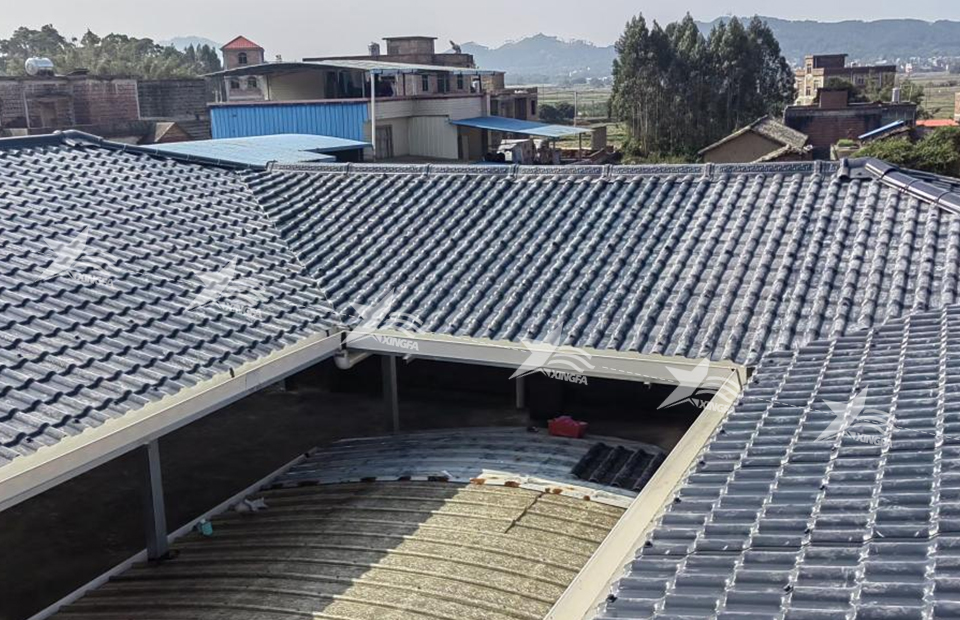
Under identical product quality and climatic exposure conditions, installation methodology represents the single largest controllable variable influencing actual field performance—and arguably the most frequently overlooked aspect during construction execution. Even premium-grade tiles subjected to noncompliant installation may experience up to a 50% reduction in service life. Only standardized, technically rigorous installation ensures realization of the manufacturer’s specified design life.
First, roof pitch and drainage configuration must comply with minimum slope requirements. Insufficient pitch leads to ponding water on the tile surface, fostering algal/moss growth, accelerating coating erosion, promoting premature aging, and increasing the risk of leakage.
Second, provision for thermal expansion and contraction is essential: rigid, gap-free installation prevents natural dimensional movement, resulting in buckling, cracking, or fastener loosening during ambient temperature fluctuations.
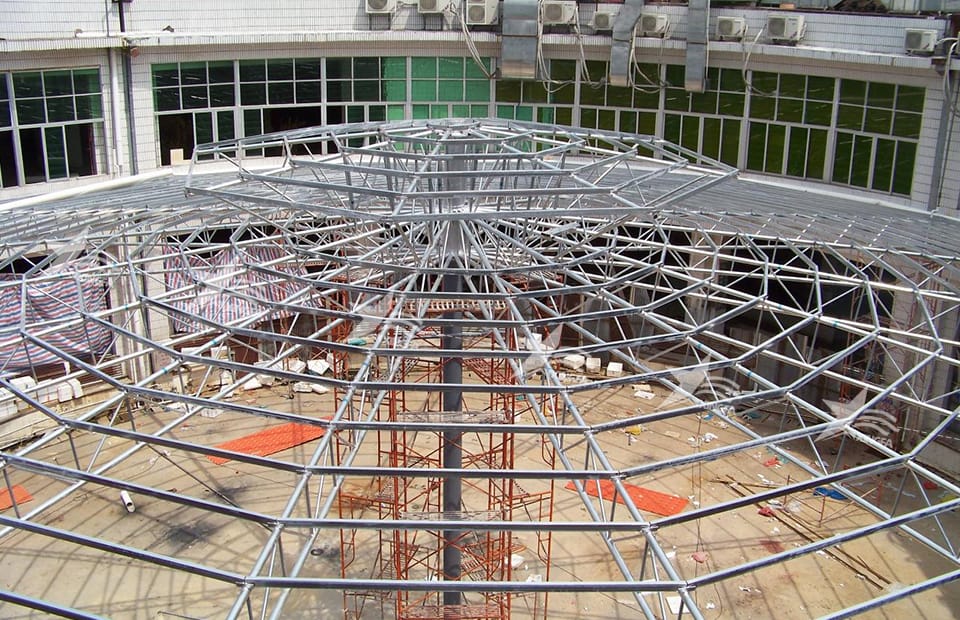
Third, purlin spacing and fastener selection are equally critical. Excessive purlin spacing induces unsupported spans, subjecting tiles to chronic flexural stress and eventual fatigue-induced fracture. Use of non-compatible fasteners—particularly those lacking integrated waterproofing features (e.g., EPDM washers, sealing caps, or corrosion-resistant threaded screws)—introduces persistent leakage paths at penetration points, permitting moisture ingress and subsequent internal degradation. Finally, improper detailing at critical junctions—including ridge caps, gutters, hip ridges, and eave transitions—creates concealed leakage points that progressively compromise the entire roof assembly. In summary: substrate composition and coating quality define the potential service life ceiling; installation fidelity determines whether that potential is realized in practice.
5. Core Lifespan Advantages of Synthetic Resin Roofing Tiles
Considering the four key influencing factors collectively, synthetic resin roofing tiles demonstrate a significantly superior service life over conventional roofing materials—including color-coated steel sheets, concrete tiles, and asbestos-cement tiles. Color-coated steel sheets are highly susceptible to corrosion; once their protective coating degrades, rapid rusting and leakage occur, resulting in a typical service life of only 5–8 years and necessitating frequent refurbishment and maintenance. Concrete tiles are extremely heavy and brittle; prolonged exposure to wind and rain accelerates weathering and cracking, while high transportation and installation breakage rates further compromise practicality. Asbestos-cement tiles present serious environmental and health concerns and are prone to damage; their service life generally falls short of 10 years.
In contrast, high-quality, virgin-material ASA-based synthetic resin roofing tiles exhibit exceptional weather resistance, corrosion resistance, freeze-thaw durability, and impact toughness—effectively eliminating common failure modes such as rusting, weathering, and brittle fracture. Under standardized installation practices and routine maintenance, these tiles deliver stable performance for over 20 years in temperate climates, and maintain reliable functionality for at least 15 years even in demanding environments—such as coastal regions with high salinity or frigid zones subject to extreme cold. Moreover, their low-mass design reduces roof structural loading, while their outstanding thermal insulation and sound-dampening properties mitigate material degradation caused by thermal cycling—thereby further extending operational service life.
6. Summary
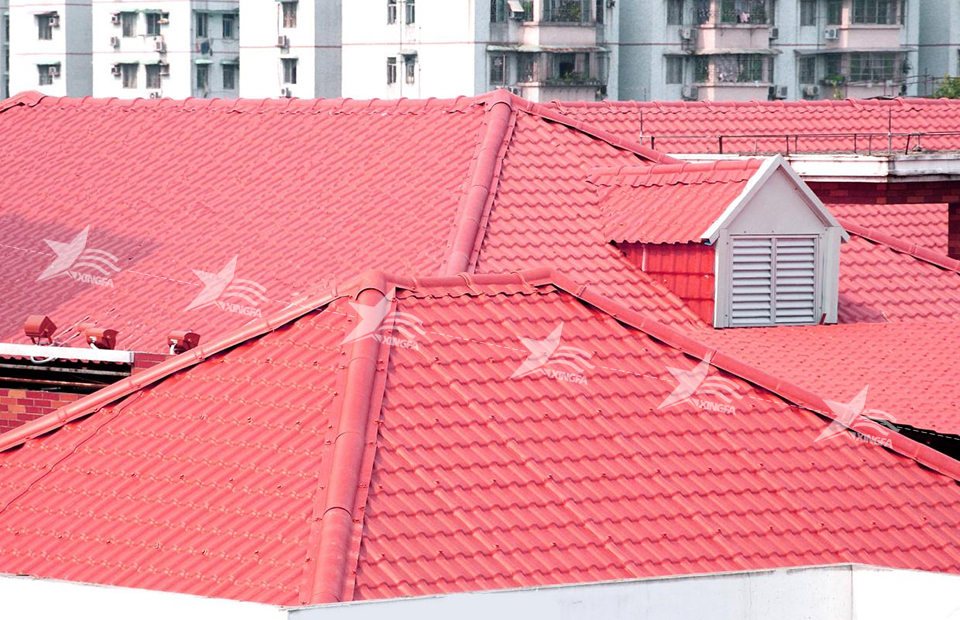
The service life of synthetic resin roofing tiles is the integrated outcome of intrinsic product characteristics, coating performance, climatic conditions, and installation quality. The substrate establishes the fundamental durability foundation; the coating defines the theoretical upper limit of service life; ambient climate governs the rate of aging; and—critically—the installation methodology represents the most controllable factor determining actual in-service longevity. To fully realize the extended service-life benefits of synthetic resin tiles, it is essential to adopt both premium-grade raw materials and rigorously standardized construction practices—establishing a closed-loop management system spanning material procurement, on-site installation, and ongoing maintenance. Leveraging superior product performance coupled with disciplined construction oversight, synthetic resin roofing tiles achieve exceptionally long service cycles, substantially reducing roof replacement and repair costs—making them a high-value, durable, and cost-effective roofing solution.