ES
ES  EN
EN  RU
RU  AR
AR The manufacturing process of synthetic resin tiles
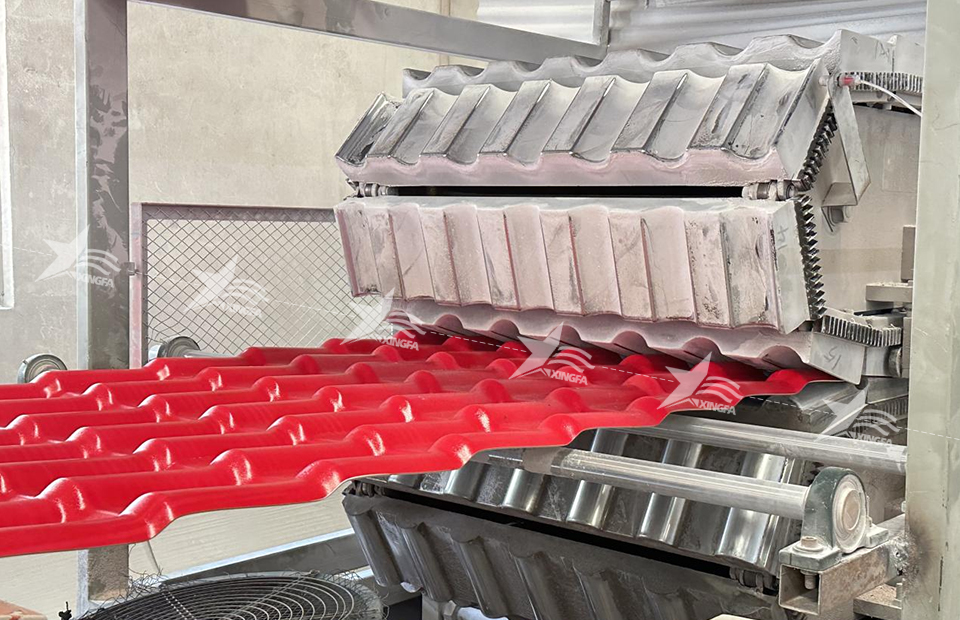
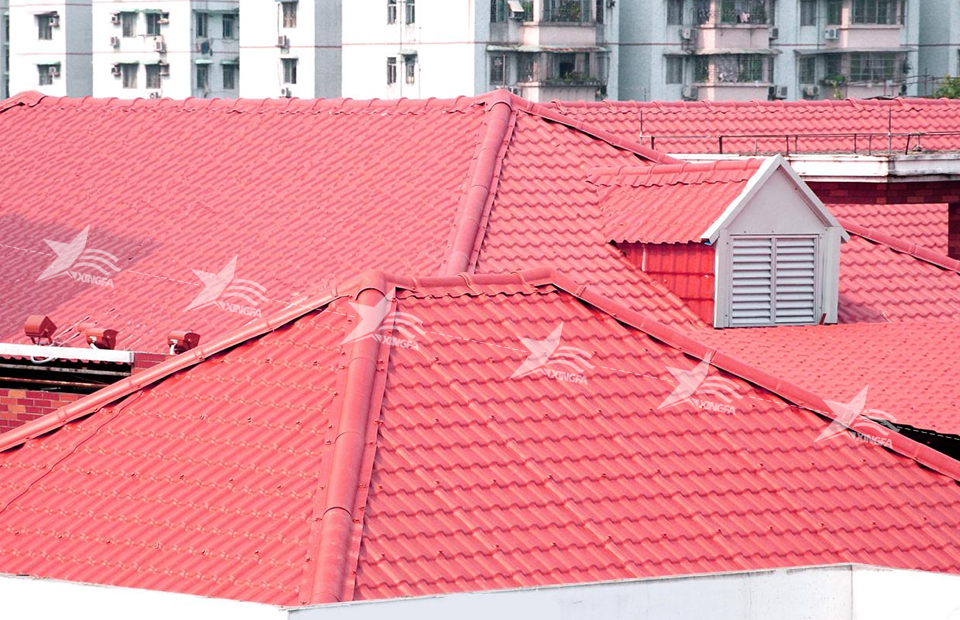
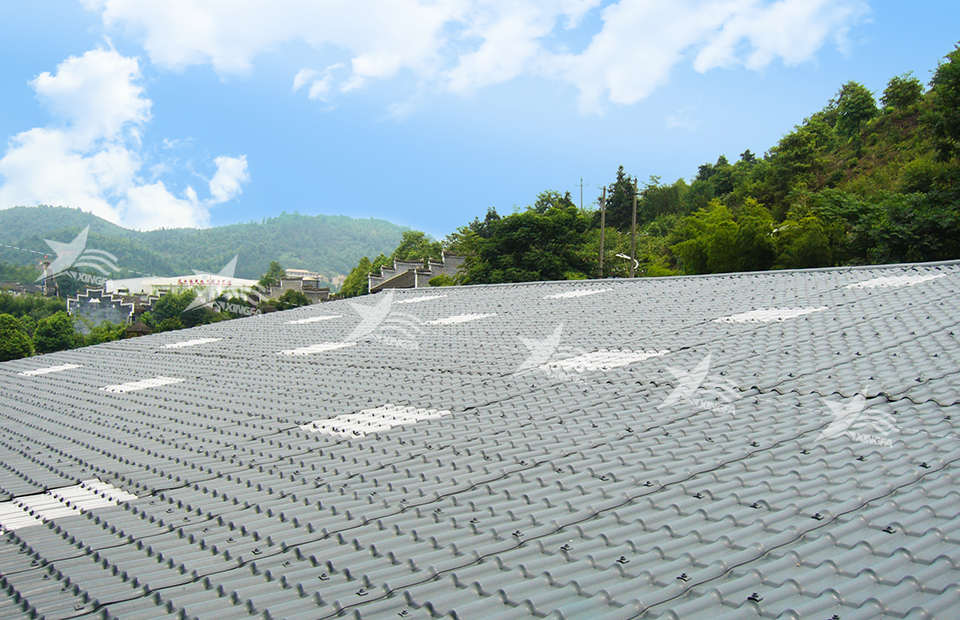
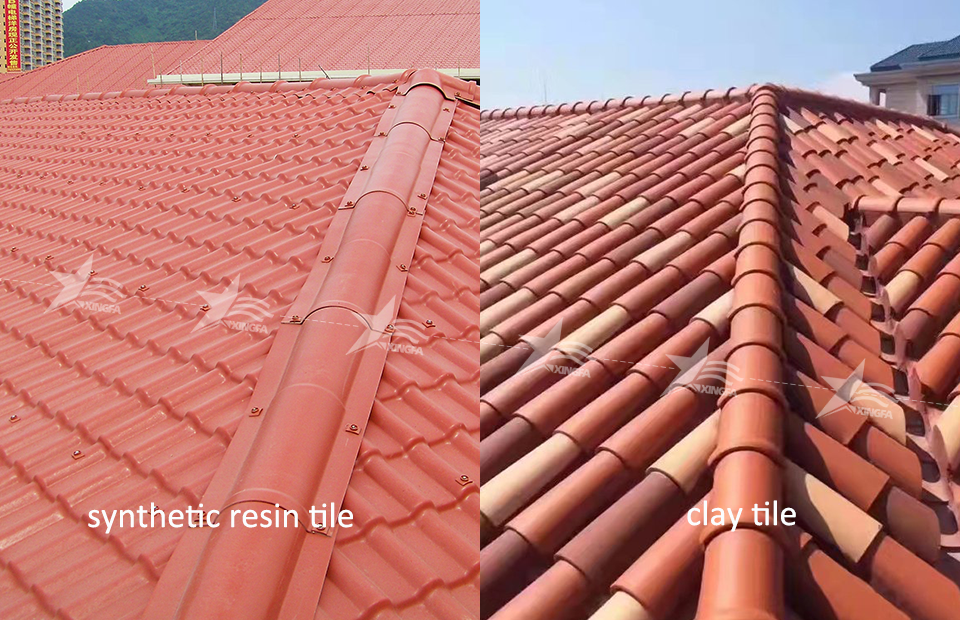
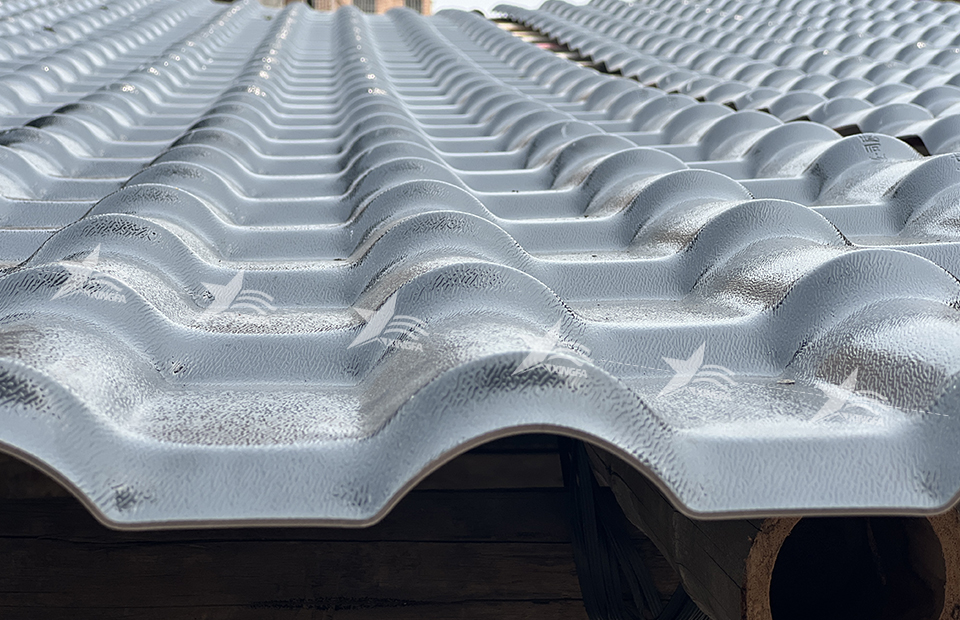
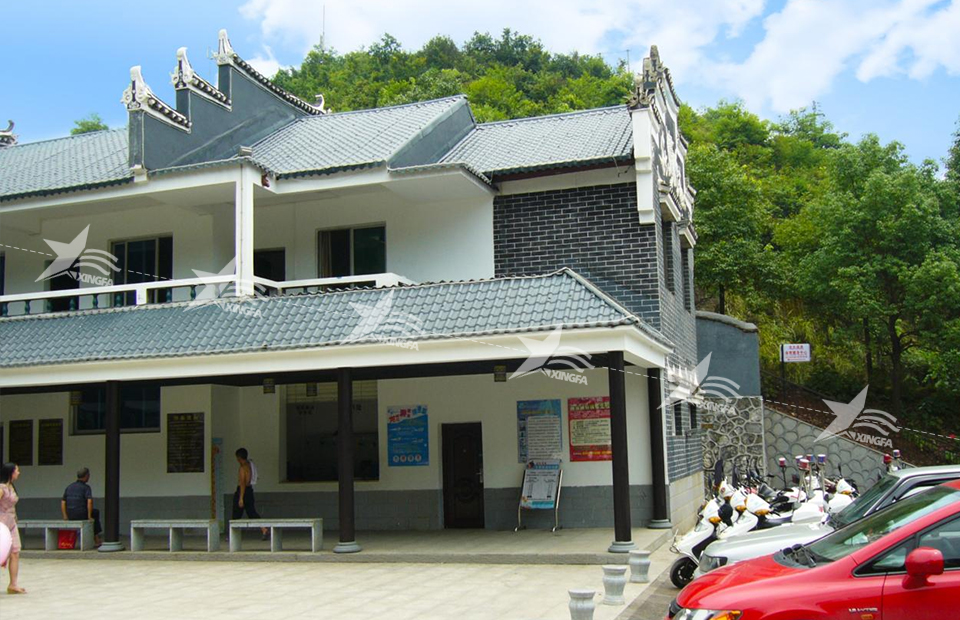
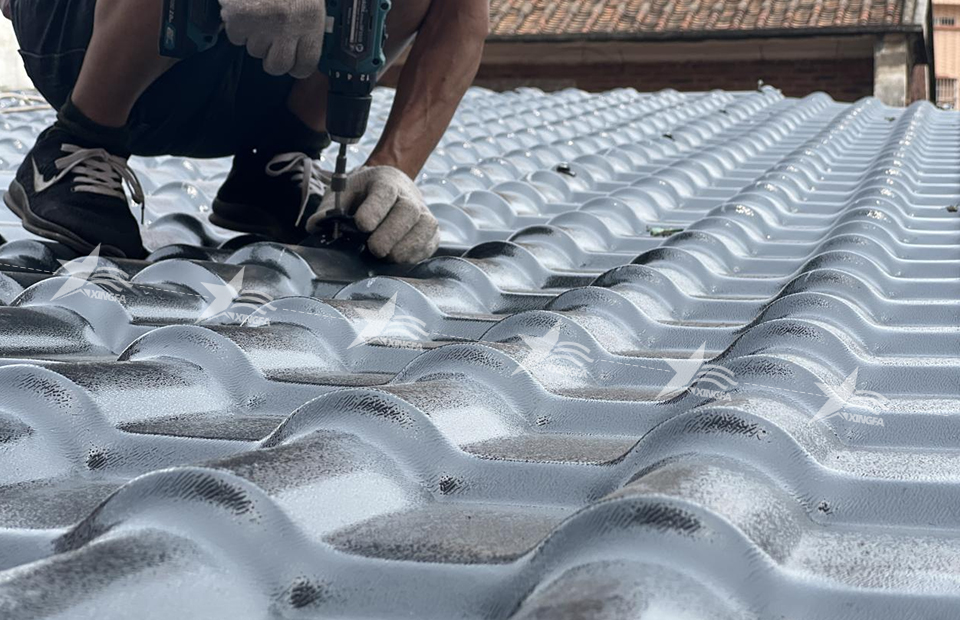
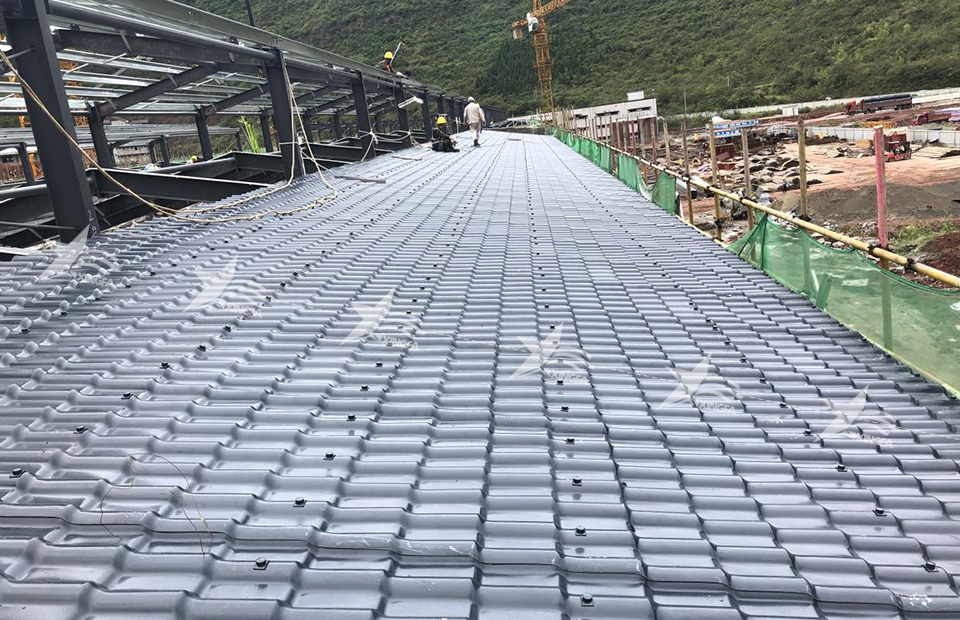
As a new type of roofing material, synthetic resin tiles have multiple advantages, such as long-lasting color, light weight, self-waterproofing, toughness, heat insulation and sound insulation, soundproofing, corrosion resistance, wind resistance and earthquake resistance, anti-hail protection, anti-slip, environmental friendliness, fire resistance, insulation, and convenient installation. They are widely used in the decoration of various building roofs. So, how are these synthetic resin tiles manufactured?
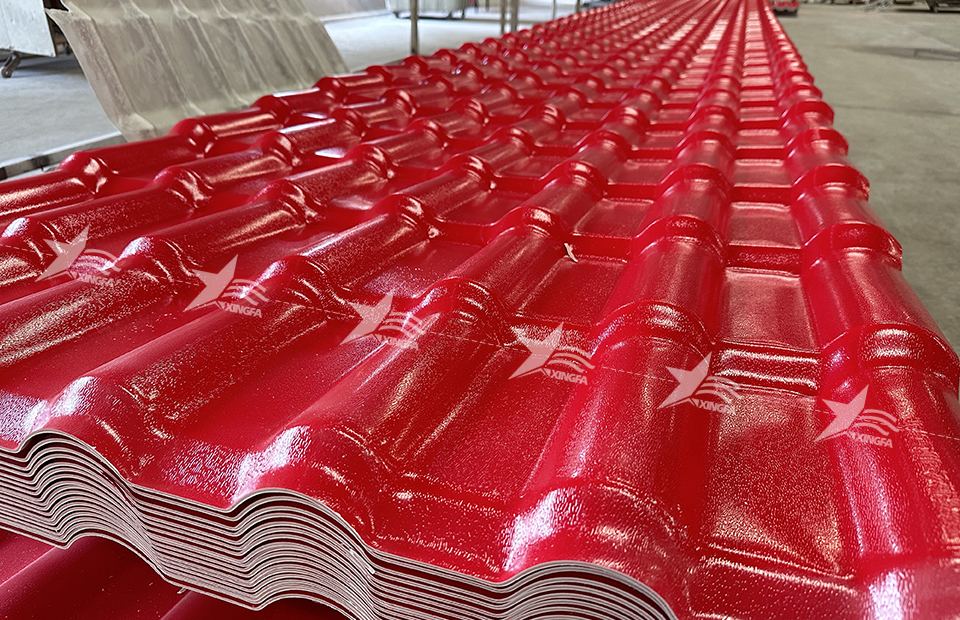
1. Prepare the mixture: First, the masters mix glass fibers and resin in strict proportions. The key to this step is to ensure that the mixture has uniform components, laying the foundation for the subsequent production.
2. Mold Formation: Next, the mixture is placed into the pre-prepared mold and undergoes high-temperature and high-pressure treatment. This process enables the mixture to quickly form in the mold, creating the basic outline of the resin tiles. This is a crucial step that gives the resin tiles their toughness and three-dimensionality.
3. Hardening: The formed resin tiles then enter the hardening chamber and undergo precise hardening treatment. This process not only enhances the strength of the resin tiles but also increases their durability, ensuring stable performance under various harsh weather conditions.
4. Adjusting dimensions: According to the design requirements, the hardened resin tiles are cut and trimmed. This step not only ensures precise tile dimensions but also helps them better fit various building structures.
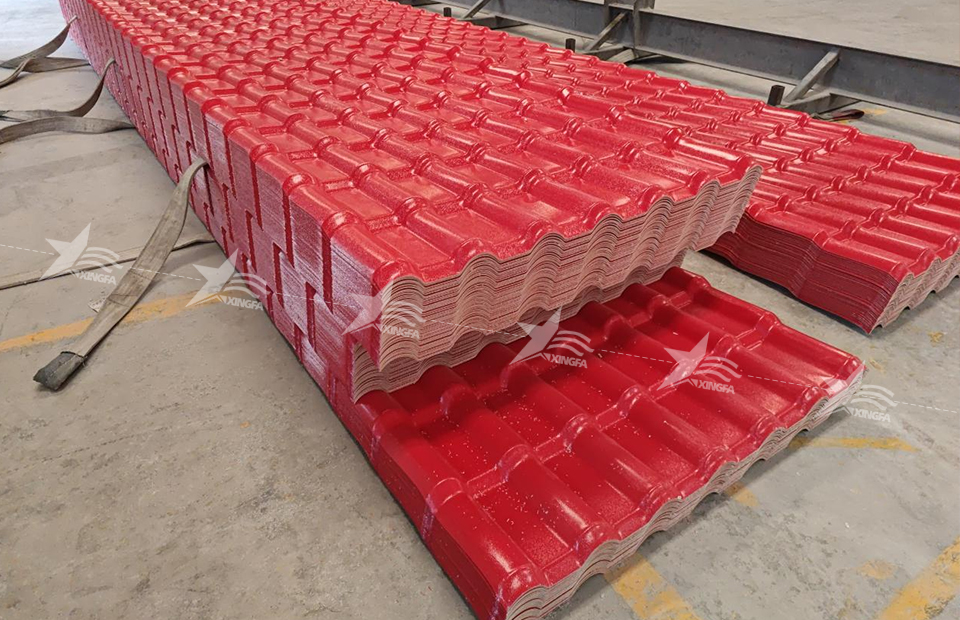
5. Packaging: Finally, the resin tiles that have passed strict quality inspection are properly packaged, ready for storage and transportation. At this stage, the tiles’ quality is ensured to meet the high standards of users.
In conclusion, the manufacturing process of synthetic resin tiles integrates advanced techniques and technologies. Through meticulous design and processing in multiple stages, it ultimately presents an ideal building material with multiple advantages.