AR
AR  EN
EN  ES
ES  RU
RU Is UPVC Roofing Sheet Suitable for Agricultural and Farm Buildings?
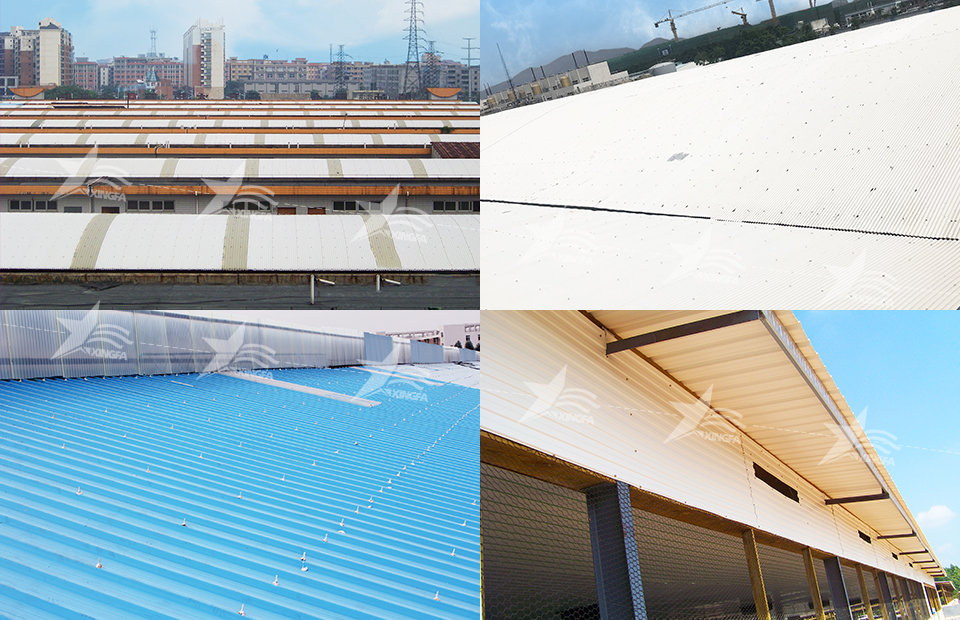
Agricultural buildings—including farms, livestock and poultry sheds, horticultural greenhouses, and agricultural machinery storage facilities—impose specific performance requirements on roofing materials: resistance to moisture and corrosion, thermal insulation and noise reduction, wind and snow load resistance, as well as cost-effectiveness and ease of installation. As a modified PVC extruded sheet, UPVC roofing sheet is increasingly adopted in agricultural projects. However, it is not universally suitable across all farm applications. This article provides a comprehensive analysis of the applicability of UPVC roofing sheets in agricultural construction, examining material properties, scenario-specific advantages, inherent limitations, selection guidelines tailored to diverse farm operating conditions, and critical considerations for installation and long-term maintenance.
1. Fundamental Material Properties of UPVC roofing sheets
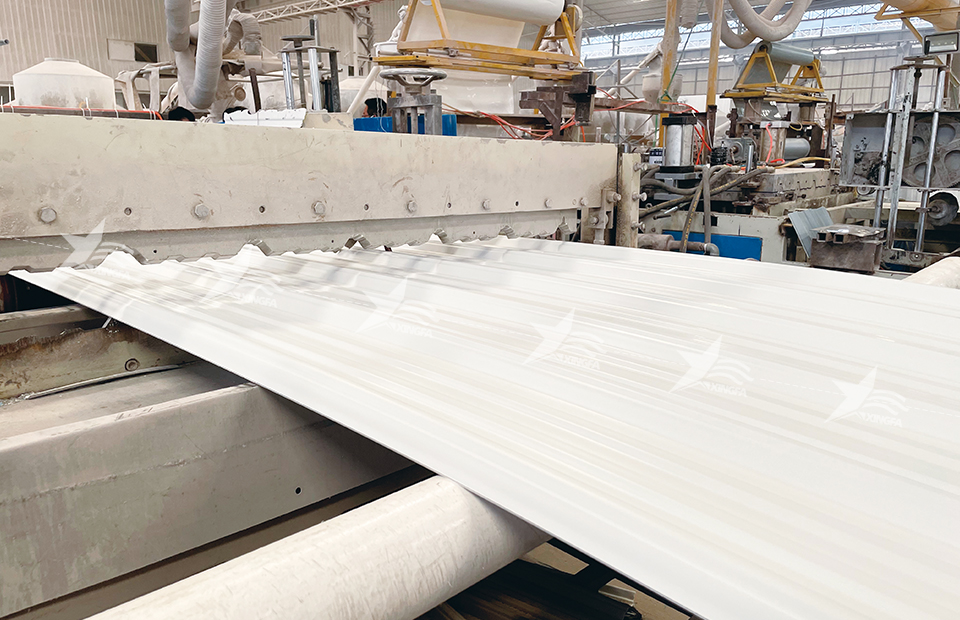
UPVC (unplasticized polyvinyl chloride) is primarily composed of PVC resin, compounded with thermal stabilizers, UV absorbers, and inorganic fillers, and formed into roofing tiles or panels via extrusion. Some premium products feature a co-extruded ASA (acrylonitrile–styrene–acrylate) weather-resistant top layer. The material is inherently non-combustible, rust-free, and chemically stable—key attributes enabling its suitability for demanding agricultural environments. Unlike traditional color-coated steel roofing, UPVC is a non-metallic material immune to oxidation and corrosion; unlike conventional asbestos-cement roofing, it poses no health hazard from airborne asbestos fibers. With a low density and light self-weight, UPVC roofing significantly reduces dead load on lightweight structural systems—such as steel purlins or timber rafters—commonly used in farm buildings. Through precise formulation optimization, UPVC can be engineered to deliver enhanced thermal insulation, acoustic attenuation, and flame retardancy. Nevertheless, as a thermoplastic polymer, UPVC is susceptible to degradation—including discoloration, embrittlement, shrinkage, and dimensional instability—under prolonged exposure to elevated temperatures, intense UV radiation, or aggressive chemical environments. Consequently, service life is highly dependent on formulation quality; substandard products may exhibit premature failure.
2. Core Advantages of UPVC Roofing Sheets in Agricultural Applications
(A) Excellent Resistance to Acid–Alkali Corrosion—Ideal for Livestock and Poultry Environments
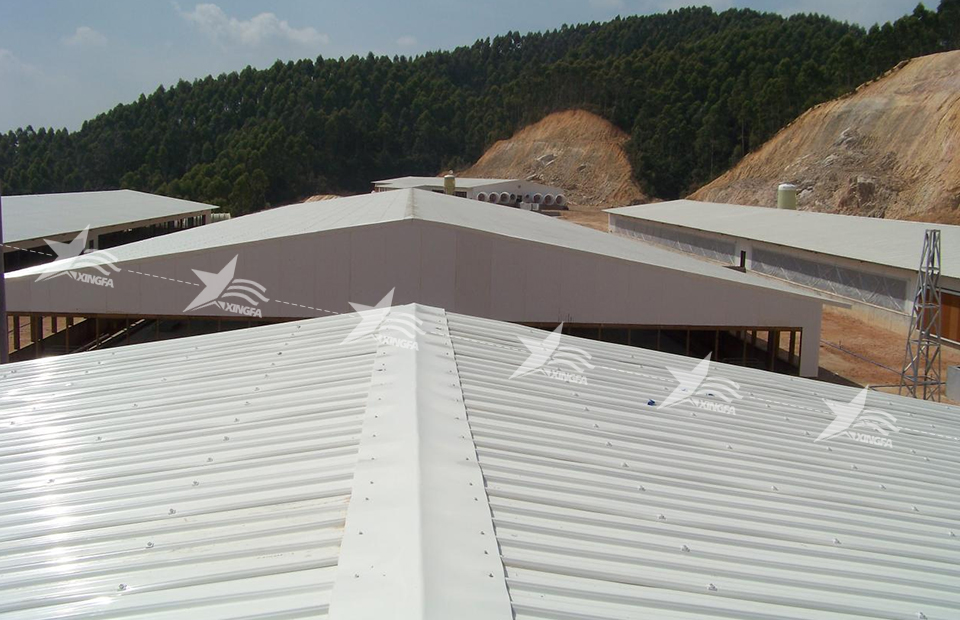
Livestock and poultry facilities generate high ambient humidity and continuous emissions of corrosive gases—such as ammonia and hydrogen sulfide—from manure decomposition, along with exposure to organic acids and fertilizer volatiles. In such environments, color-coated steel roofing typically suffers rapid corrosion, often developing perforations and leaks within 3–5 years. By contrast, UPVC exhibits outstanding chemical inertness: it remains unaffected by ammonia, manure effluents, and agricultural chemicals, ensuring long-term integrity in humid, corrosive atmospheres. Its proven performance in swine barns, poultry houses, and duck sheds markedly reduces roof maintenance frequency and replacement costs.
(B) Superior Thermal Insulation and Acoustic Performance—Enhancing Indoor Environmental Quality
Most farm structures lack dedicated thermal insulation layers. With a significantly lower thermal conductivity than steel, UPVC roofing mitigates solar heat gain during summer, thereby minimizing heat stress in livestock and stabilizing internal temperatures in horticultural greenhouses. Moreover, rain impact noise on metal roofs is notoriously disruptive—potentially triggering animal stress responses and reducing productivity. UPVC panels possess inherent sound-dampening properties, substantially lowering impact noise from rainfall—a distinct advantage for animal housing.
(C) Lightweight Design and Installation Efficiency—Balancing Cost and Practicality
Many farm structures employ lightweight steel frames or timber purlins with limited load-bearing capacity. UPVC roofing weighs approximately one-third that of equivalent steel roofing, eliminating the need for extensive structural reinforcement in most retrofit scenarios—thus reducing civil engineering costs. Its ease of cutting, large panel coverage area, and straightforward fastening system enable rapid, labor-efficient installation—particularly advantageous for large-scale agricultural roofing projects. Coupled with moderate initial material cost and minimal long-term maintenance requirements, UPVC is well-suited for auxiliary farm infrastructure, including machinery sheds, hay storage barns, and temporary warehouses.
3. Limitations and Critical Constraints of UPVC Roofing in Farm Applications
(A) Susceptibility to UV-Induced Aging and Low-Temperature Embrittlement
Standard UPVC panels without an ASA co-extruded top layer exhibit limited UV resistance. Prolonged direct exposure to intense sunlight—especially in southern regions experiencing extended summer insolation—can cause surface chalking, fading, embrittlement, and micro-cracking. Inferior-grade products may fail structurally within five years. At low temperatures, pure UPVC experiences reduced impact toughness; under heavy snow loads or hail impact, brittle fracture becomes more likely. In cold-climate farms, only high-performance variants—formulated with impact modifiers and featuring ASA co-extruded surfaces—should be specified. Standard residential-grade UPVC must be avoided.
(B) Pronounced Thermal Expansion and Contraction—Installation Sensitivity
UPVC exhibits a relatively high coefficient of thermal expansion. In farm environments characterized by large diurnal temperature fluctuations, repeated expansion and contraction cycles occur. Insufficient provision for thermal movement—such as inadequate expansion gaps or over-tightened fasteners—can lead to panel buckling, warping, and cracking around fastener holes, resulting in water infiltration. These effects are amplified on large-span farm roofs, necessitating stricter adherence to installation protocols than those applied to steel roofing.
(C) Limited High-Temperature Resistance—Fire Safety Considerations
While UPVC typically achieves B1-class fire performance (difficult-to-ignite), it softens and melts upon direct contact with open flame or sustained high heat. Common farm activities—including welding repairs, field burning of crop residues, or operation of heating equipment—pose significant risks. Direct flame exposure will irreversibly damage UPVC panels. Therefore, UPVC roofing is unsuitable for high-temperature zones such as grain dryers, boiler rooms, or areas where open-flame operations are routine. In such cases, fire-rated composite steel sandwich panels or other high-temperature-resistant alternatives are strongly recommended.
4. Application-Specific Selection Guidelines for Farm Building Types
- Livestock and Poultry Sheds: ASA-coextruded UPVC roofing is strongly recommended, preferably formulated with enhanced impact resistance and weathering stability. Its corrosion resistance, acoustic dampening, and thermal insulation make it the optimal choice for this application.
- External Rain Canopies for Greenhouses, Agricultural Machinery Sheds, and Hay/Straw Storage Barns: Standard UPVC panels may be used where exposure is moderate. In regions with intense, year-round solar irradiation, ASA-surfaced products are preferred.
- High-Temperature Facilities (e.g., Grain Dryers, Boiler Rooms) and Areas with Frequent Open-Flame Operations: UPVC roofing is not recommended. Fire-resistant alternatives—such as mineral wool– or polyurethane–cored steel sandwich panels—should be selected.
- Cold-Climate Farms Subject to Heavy Snowfall and Hail: Thicker UPVC panels should be specified, installed with optimized purlin spacing to enhance snow and impact load capacity, and designed with carefully detailed expansion joints to accommodate thermal movement.
5. Installation and Long-Term Maintenance Best Practices for UPVC Roofing in Farm Buildings
Installation of UPVC roofing on agricultural structures must follow specialized protocols—not generic residential practices. Purlin spacing must strictly comply with manufacturer-specified maximum spans to prevent snow-induced sagging or permanent deformation. Fasteners must be paired with compatible, EPDM or silicone-based waterproof washers, and adequate expansion clearance must be maintained at all fixed points to prevent fastener-hole leakage. Post-installation, avoid storing highly corrosive substances—such as fertilizers or quicklime—directly on the roof surface. Routine maintenance includes periodic removal of leaves, silt, and debris to prevent localized ponding; protection against impact from sharp or heavy objects; and systematic inspection every few years to assess surface aging, fastener seal integrity, and gasket condition—promptly replacing degraded components to preserve long-term performance.
Conclusion
Overall, UPVC roof panels are well-suited for the majority of agricultural buildings—including livestock and poultry sheds, agricultural machinery storage facilities, and hay/straw storage sheds—yet they are not a universally applicable roofing solution. In highly corrosive farming environments, UPVC panels offer distinct advantages over color-coated steel sheets; however, they are unsuitable for applications involving direct exposure to high-temperature open flames or extreme sub-zero temperatures—particularly when standard (non-impact-resistant) formulations are used. Successful deployment of UPVC roof panels hinges on three key factors: selecting the appropriate weather-resistant panel grade, implementing proper expansion joint detailing during installation, and conducting a site-specific assessment to ensure optimal product selection aligned with the farm’s operational conditions. Only through such a rigorous, context-aware approach can the material’s inherent benefits be fully realized and long-term roof performance reliably ensured.