AR
AR  EN
EN  ES
ES  RU
RU Application of UPVC Roofing Tiles in Farm Buildings
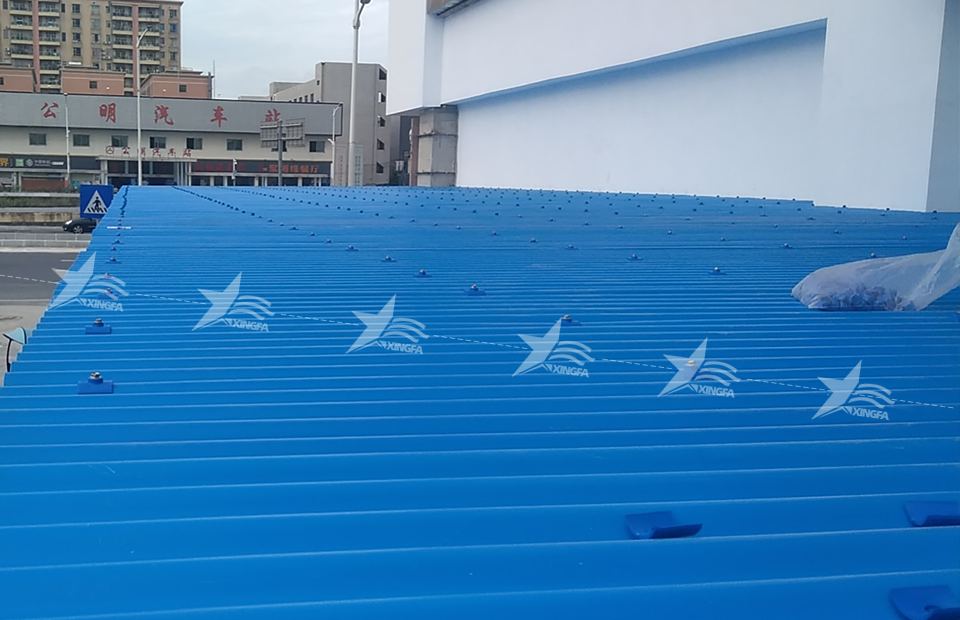
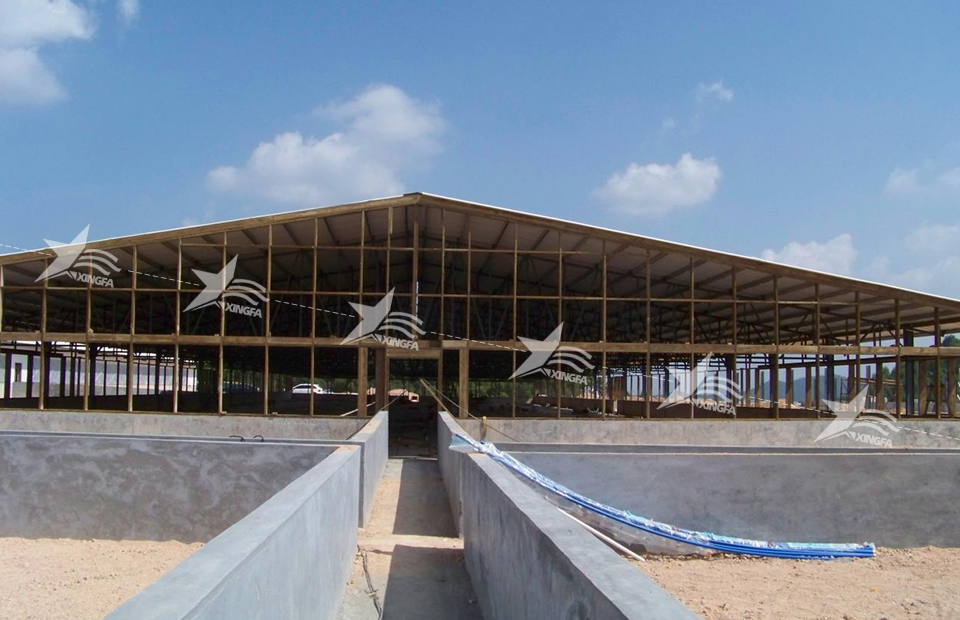
Roofing material requirements for farm buildings differ significantly from those of conventional residential structures: they must withstand high humidity, resist acid–alkali corrosion, provide thermal insulation and noise reduction, and exhibit resilience against wind and snow—while also balancing cost-effectiveness and ease of installation. Owing to their excellent corrosion resistance, low self-weight, superior waterproofing performance, and sound-dampening properties, UPVC roofing tiles have seen increasingly widespread adoption in agricultural construction. However, they are not universally suitable across all applications. This article systematically examines their value proposition and application boundaries in farm buildings through five key dimensions: material characteristics, scenario-specific suitability, waterproofing and thermal performance, installation best practices, and common selection pitfalls.
1. Material Characteristics: Why UPVC Is Well-Suited to Farm Environments
UPVC (unplasticized polyvinyl chloride) is primarily composed of PVC resin, compounded with thermal stabilizers, UV absorbers, and controlled amounts of fillers, and extruded into finished profiles. High-end variants feature a co-extruded ASA (acrylonitrile–styrene–acrylate) weather-resistant top layer. Unlike color-coated steel roofing sheets, UPVC is a non-metallic material—eliminating risks of oxidation and rust. In contrast to asbestos-cement roofing, it poses no health hazard from airborne asbestos fibers. UPVC is inherently non-combustible, corrosion-proof, and chemically stable, enabling long-term resistance to common agricultural corrosive agents—including ammonia, hydrogen sulfide, and volatile organic compounds emitted from manure and wastewater. Its low density and light weight significantly reduce structural loading on roof trusses and frames. Moreover, tailored formulations can further enhance thermal insulation, acoustic attenuation, and flame retardancy. Nevertheless, as a thermoplastic polymer, UPVC is susceptible to aging, embrittlement, and dimensional shrinkage under prolonged exposure to intense UV radiation, aggressive chemical environments, and wide temperature fluctuations. Consequently, formulation quality—not merely surface appearance—is the primary determinant of service life; procurement decisions must therefore prioritize verified material specifications over aesthetic considerations.
2. Scenario-Specific Suitability Across Farm Applications
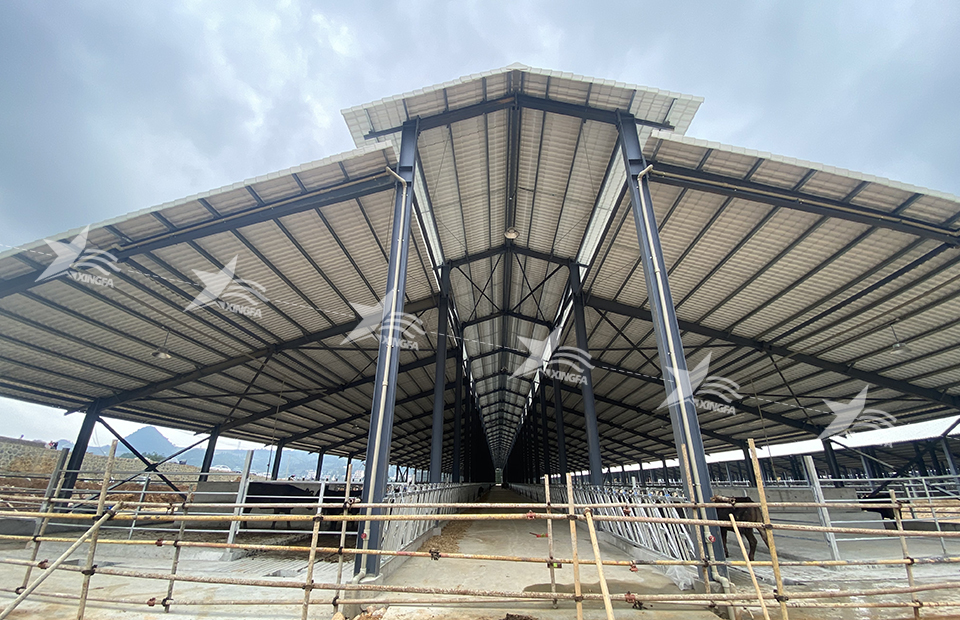
Farm building conditions vary considerably; a “one-size-fits-all” approach to roofing selection is neither advisable nor effective. Livestock and poultry housing (e.g., swine barns, broiler houses, duck sheds) represents the most appropriate application for UPVC roofing tiles: continuous decomposition of manure releases high concentrations of ammonia and hydrogen sulfide, while ambient relative humidity remains persistently elevated. Under such conditions, color-coated steel roofs typically corrode and perforate within 3–5 years, whereas UPVC’s exceptional chemical stability ensures durable performance. Its inherent thermal resistance helps mitigate summer heat buildup, reducing heat stress in animals; its low impact noise during rainfall also minimizes animal disturbance. Similarly, farm machinery storage sheds, hay/straw barns, and temporary warehouses benefit from UPVC’s lightweight nature and large-panel coverage—enabling rapid, large-area installation without requiring major reinforcement of existing lightweight roof framing. For greenhouse applications, UPVC tiles may be used effectively in auxiliary rain-shelter canopies or seedling propagation sheds. However, due to their relatively low light transmittance compared to specialized polycarbonate or fiberglass-reinforced plastic (FRP) daylight panels, UPVC is unsuitable as the primary glazing material for light-critical production greenhouses. In cold, heavy-snowfall regions, only specially formulated, thicker, impact-modified UPVC tiles should be selected—and purlin spacing must be reduced accordingly to ensure adequate load-bearing capacity. Conversely, UPVC is strictly unsuitable for high-temperature environments such as grain dryers, boiler rooms, or areas involving open-flame operations, where thermal deformation or melting may occur; in such cases, fire-rated metal composite panels (e.g., color-coated steel sandwich panels) are strongly recommended.
3. Waterproofing and Thermal Insulation Performance
In terms of waterproofing, UPVC roofing relies on interlocking profile geometry and compatible accessories (e.g., ridge caps, eaves flashings, and sealing gaskets) to achieve a watertight envelope. The base material itself exhibits outstanding chemical inertness and resistance to rainwater erosion—making it far more durable than color-coated steel in humid, corrosive settings. That said, waterproofing efficacy is highly dependent on installation quality: insufficient overlap width, improper gasket placement, or inadequate flashing at ridges and eaves will inevitably lead to leakage—even with premium-grade materials. Regarding thermal performance, UPVC’s thermal conductivity is substantially lower than that of steel, resulting in slower heat transfer into enclosed spaces during summer and reduced conductive heat loss during winter. This contributes meaningfully to improved indoor environmental control in livestock housing and equipment storage facilities—lowering animal stress levels and decreasing energy demand for ventilation or heating. It must be emphasized, however, that UPVC provides only passive conductive resistance—not active insulation. In severely cold climates, supplementary insulation layers (e.g., rigid foam boards or reflective barriers) remain essential; UPVC roofing alone cannot fulfill comprehensive thermal envelope requirements.
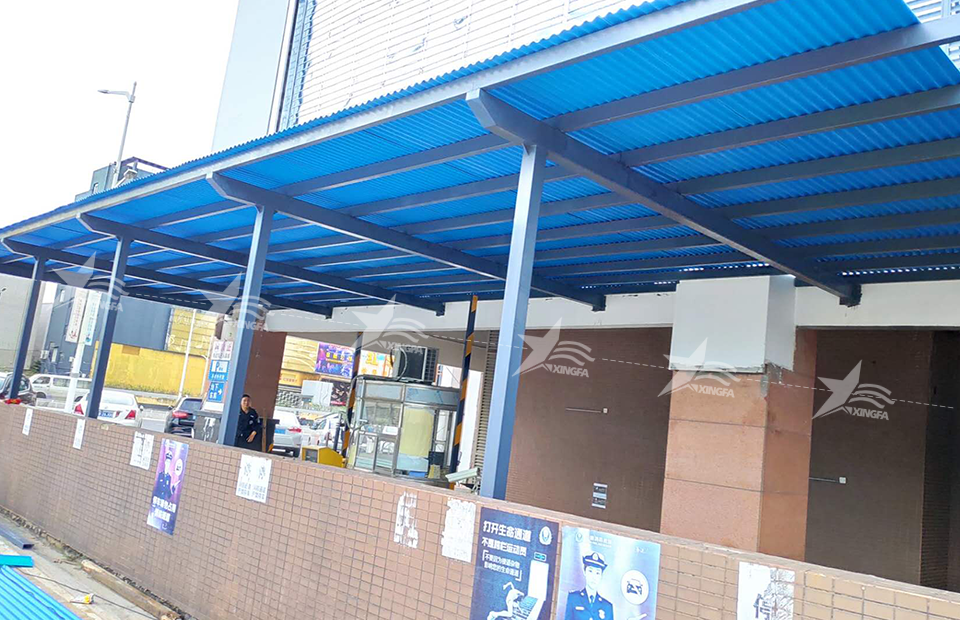
4. Key Installation Considerations for Farm Roofs
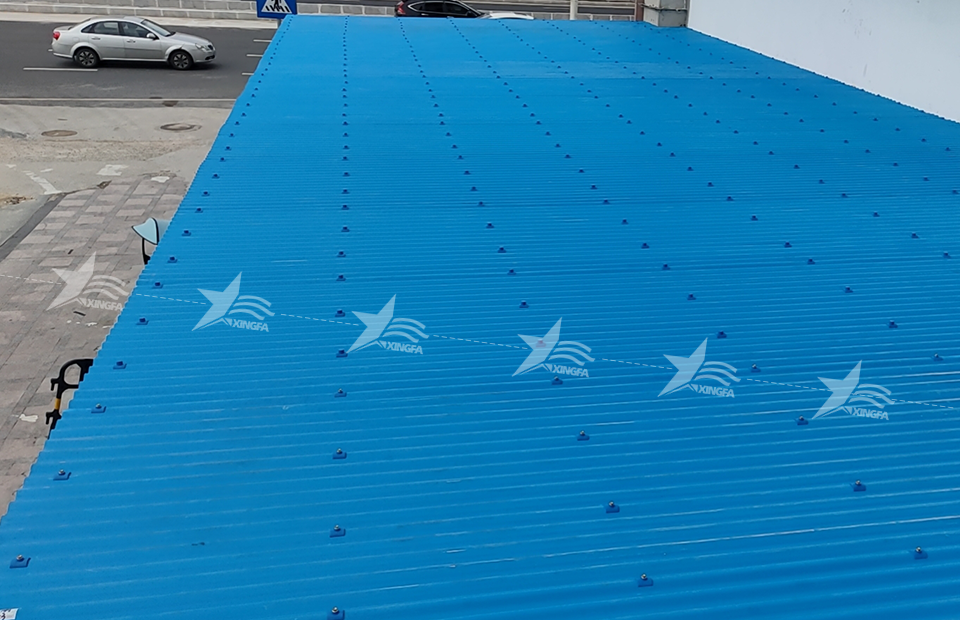
Installation protocols for farm buildings must deviate from standard residential practices. First, purlin spacing must strictly conform to manufacturer-specified span limits for the selected tile profile. Excessive spacing causes unsupported spans, increasing susceptibility to permanent deflection or fracture under snow loads or incidental foot traffic. Second, fasteners must be installed with certified waterproof washers, and sufficient clearance must be left to accommodate thermal expansion and contraction. Given UPVC’s relatively high coefficient of thermal expansion, overtightening screws or eliminating expansion gaps will induce stress concentration around fastener holes—leading to cracking, tearing, and subsequent water infiltration. Third, longitudinal and transverse overlaps must follow directional guidelines (e.g., windward-side lapping) and maintain minimum specified overlap widths to prevent wind-driven rain ingress. Fourth, avoid storing highly corrosive substances—including fertilizers, quicklime, or acidic cleaning agents—directly on the roof surface, as localized chemical attack may compromise material integrity. Fifth, upon completion, conduct a comprehensive sealant inspection, with particular attention to ridge lines, eaves, valley flashings, and all perimeter termination details.
5. Selection Guidance and Common Misconceptions
When selecting UPVC roofing, prioritize products manufactured from virgin ASA-coextruded material. Avoid inferior alternatives such as painted or laminated “ASA-mimic” tiles and low-cost variants containing excessive recycled content—these suffer from premature top-layer delamination, low-temperature brittleness, and UV-induced chalking. Selection must be environment-specific: opt for enhanced weathering and impact-resistant formulations in high-corrosion livestock zones; choose thicker, structurally reinforced profiles in frigid, high-snow-load regions; and categorically exclude UPVC in high-temperature or fire-prone areas. Three prevalent misconceptions warrant correction:
- assuming UPVC is “maintenance-free”—in reality, periodic inspection and replacement of degraded gaskets and sealants are essential;
- focusing solely on per-square-meter tile price while neglecting the cost and quality of supporting accessories and professional installation;
- equating greater thickness or weight with superior performance—excessively filled, overly thick tiles often exhibit increased brittleness and shortened service life.
With appropriate product selection, rigorous installation adherence, and routine maintenance, UPVC roofing systems can deliver reliable, cost-effective service for 15–20 years across most farm building applications.
6. Conclusion
In summary, UPVC roofing tiles offer compelling advantages—including corrosion resistance, acoustic dampening, thermal moderation, waterproof reliability, and low structural loading—for the majority of farm building types, particularly livestock housing, machinery sheds, and general-purpose storage structures. However, they are unsuitable for environments involving sustained high temperatures, open flames, or extreme cold without purpose-engineered impact-modified formulations. Optimal performance hinges on three interdependent factors: selecting the correct weathering- and load-rated variant for the specific operational context; implementing precise installation techniques—especially at thermal expansion joints and critical flashing interfaces; and performing scheduled inspections and preventive maintenance. Farm owners and designers should therefore undertake a holistic evaluation—factoring in local climatic conditions, operational hazards, animal welfare requirements, and lifecycle cost considerations—to ensure UPVC roofing delivers its full value proposition in terms of durability, functionality, and long-term economic efficiency.