AR
AR  EN
EN  ES
ES  RU
RU Guide to Avoiding Pitfalls in Selecting Synthetic Resin Roofing Tiles: A Comprehensive Material Selection Framework
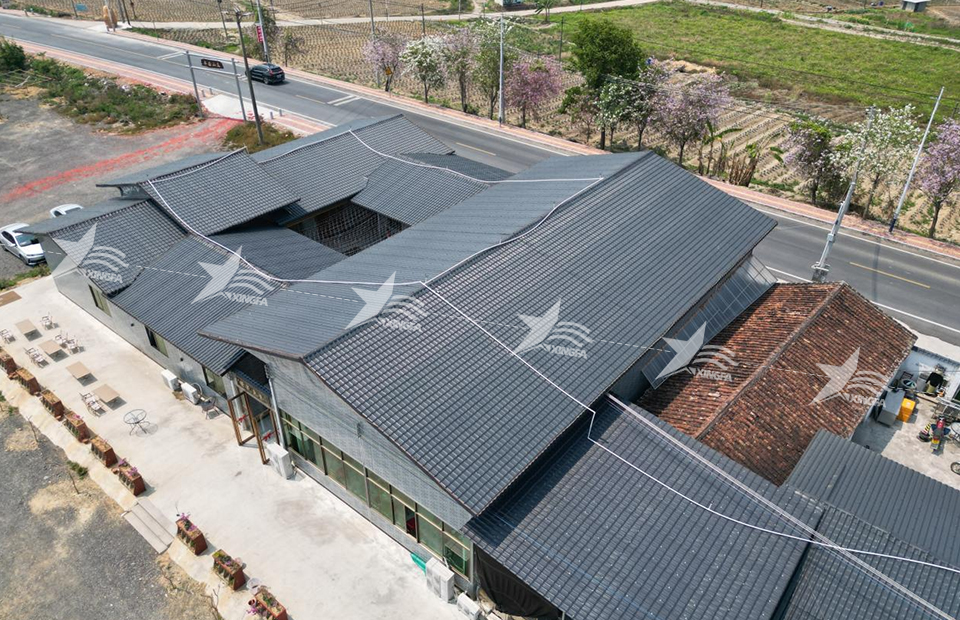
Synthetic resin roofing tiles have gained widespread application in roof renovation projects for aging factories, warehouses, and residential buildings—thanks to their outstanding performance in corrosion resistance, weatherability, thermal insulation, noise reduction, waterproofing, and long-term durability. However, product quality in the current building materials market varies significantly. Substandard tiles made from recycled materials, products with falsified technical specifications, and falsely labeled “weather-resistant” tiles are commonly mixed into the supply chain. Many procurement professionals rely solely on price, nominal thickness, and superficial appearance when selecting materials—making them highly susceptible to pitfalls such as premature color fading, embrittlement, leakage, and accelerated aging shortly after installation. This article systematically outlines key purchasing safeguards across six critical dimensions: material composition traps, parameter misconceptions, coating-related deceptions, pricing schemes, application-specific selection, and supporting systems—including installation guidance and after-sales service. It aims to empower users to accurately identify high-quality products and avoid costly rework and performance failures.
1. Material Selection Pitfalls: Rejecting Recycled Materials and Over-Filled Low-Grade Tiles
(A) Beware of Inferior Recycled Materials Masquerading as Premium Products
The most prevalent deception behind low-priced synthetic resin tiles lies in the extensive use of recycled feedstock. Some manufacturers incorporate large quantities of post-consumer plastic waste and crushed, discarded tiles—reprocessed alongside excessive calcium carbonate filler—to drastically reduce production costs. Although these tiles may appear visually identical to those made from virgin materials, their internal structure is porous and brittle, with severely compromised resistance to UV degradation and low-temperature impact. When exposed outdoors, such tiles typically exhibit chalking, cracking, and widespread discoloration within just 3–5 years. Procurement personnel must resist the allure of abnormally low prices. High-quality, certified tiles utilize 100% virgin PVC resin as the base material, compounded with environmentally compliant additives—ensuring structural density, flexibility, and consistent service life.
(B) Practical Methods for Rapid Material Quality Assessment
Procurement teams can conduct simple on-site evaluations using three straightforward methods: cross-sectional inspection, flexural testing, and combustion analysis. Tiles made from virgin material display a smooth, fine-grained cut surface with uniform coloration and withstand repeated bending without fracturing. In contrast, over-filled or recycled-material tiles show a coarse, chalky-white cross-section with visible granular inclusions and fracture easily under minimal bending force. Furthermore, high-quality tiles produce no pungent odor when burned; conversely, inferior tiles emit dense black smoke and strong, acrid fumes—enabling rapid, reliable differentiation at the point of purchase and eliminating material-related risks at the source.
2. Thickness Parameter Pitfalls: Dispelling the “Thicker Is Better” Misconception
(A) Discarding the Fallacy That Thickness Equals Longevity
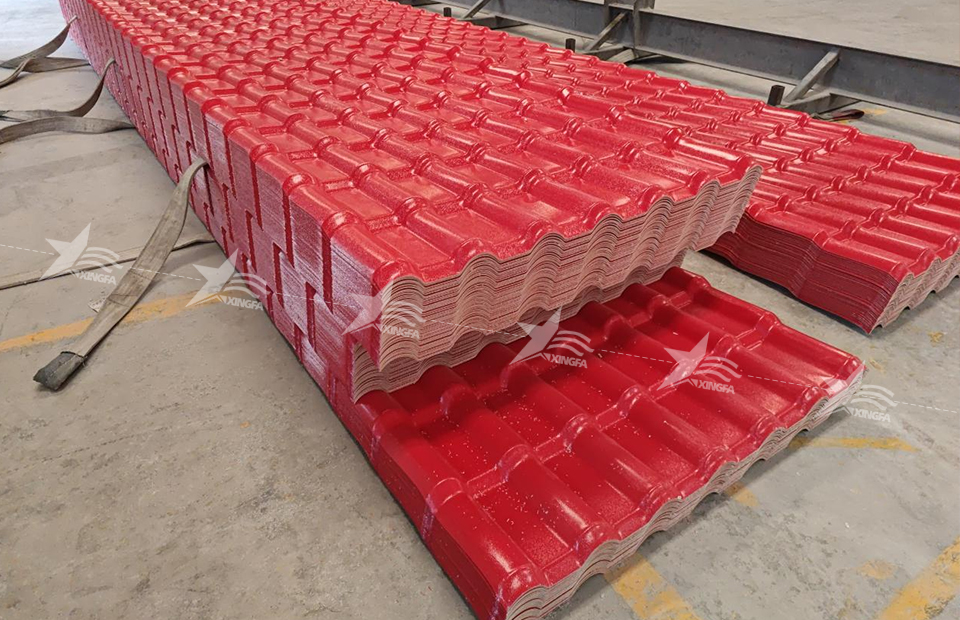
A common misconception among buyers is that greater tile thickness inherently guarantees longer service life. In reality, low-grade tiles—even those nominally rated at 3.0 mm—often achieve thickness through excessive mineral filler, resulting in rigid, fragile structures highly prone to cracking under low-temperature conditions. Their actual service life falls far short of that of standard 2.5 mm tiles manufactured from premium virgin material. Thickness primarily influences load-bearing capacity—not weather resistance or anti-aging performance. Therefore, material integrity must be the primary selection criterion; thickness should then be optimized according to structural requirements.
(B) Rigorously Verifying Actual Thickness Claims
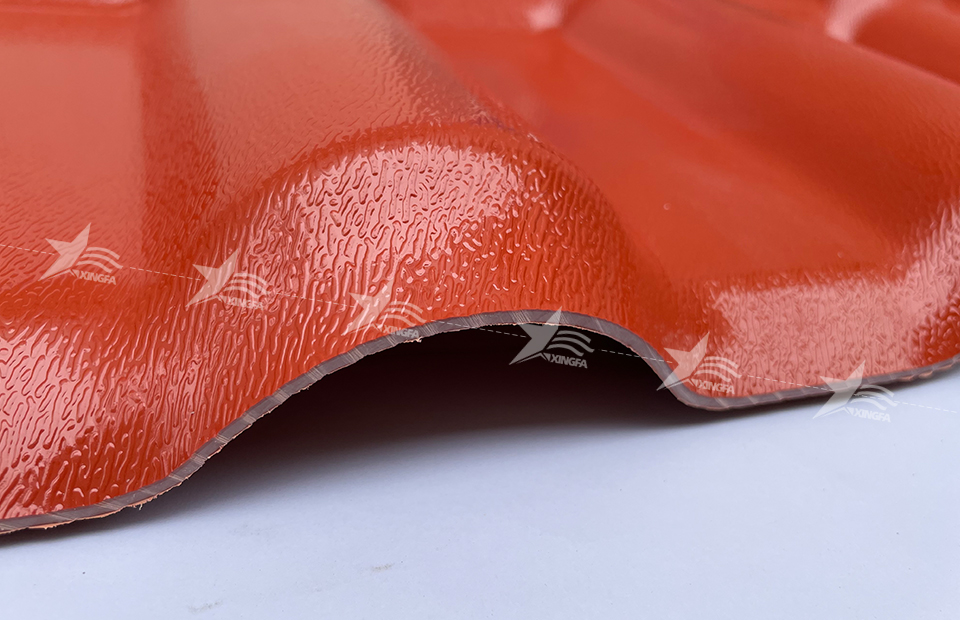
Thickness misrepresentation is a widespread industry practice. Vendors frequently label products as “3.0 mm” or “2.5 mm,” while actual base-material thickness falls significantly below specification—artificially inflated by surface protrusions or wave height measurements. Procurement staff must carry precision calipers to measure the true substrate thickness *at the flat portion of the tile*, rather than relying solely on product labeling. Crucially, buyers must distinguish between *total thickness* (including surface coatings or texture features) and *effective base-material thickness*. Vendors sometimes fraudulently count coating thickness toward the stated dimension—a tactic designed to pass off undersized, low-cost tiles as compliant.
3. Weather-Resistant Coating Pitfalls: Differentiating Genuine ASA Co-Extrusion from Counterfeit Surface Treatments
(A) Distinguishing True Co-Extruded ASA Layers from Laminated or Sprayed Alternatives
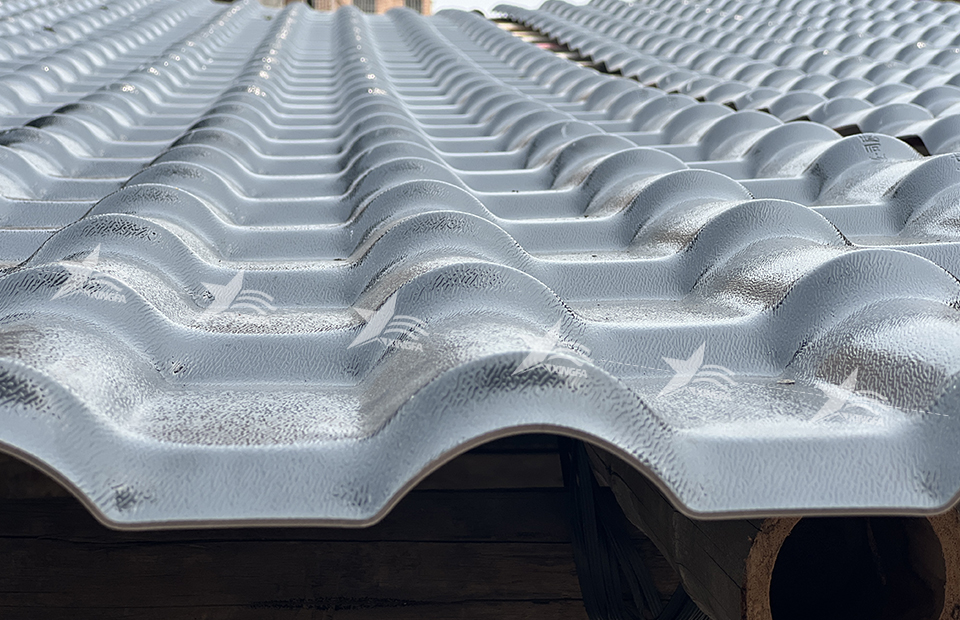
The surface weather-resistant layer is the single most critical determinant of tile longevity—and also the most frequent source of procurement risk. Premium synthetic resin tiles employ a **dual-layer ASA co-extrusion process**, wherein the ASA cap layer is thermally fused with the PVC substrate under high temperature and pressure. This ensures uniform thickness, exceptional interfacial adhesion, and sustained protection against UV radiation and color fading. By contrast, low-cost alternatives often rely on surface spraying or laminating techniques—lacking a genuine, integrated ASA layer. These imitations rapidly delaminate, blister, fade, or turn chalky white upon exposure, leaving the underlying substrate fully vulnerable to accelerated degradation.
(B) Identifying Thin or Impure ASA Coating Deceptions
Some products misleadingly claim “ASA co-extrusion” while delivering substandard performance: either the ASA layer is thinner than 0.1 mm, or it is produced using recycled or contaminated ASA resin—both of which severely compromise weather resistance. Certified engineering-grade tiles feature an ASA cap layer of ≥0.15 mm thickness, with natural, translucent coloration and balanced gloss. In contrast, inferior tiles exhibit unnatural, flat, or overly glossy surfaces—visual cues strongly correlated with poor UV stability and rapid photodegradation under prolonged solar exposure.
4. Pricing Pitfalls: Unmasking Low-Ball Quotation Tactics
(A) Rejecting Unrealistically Low Unit Prices
Raw material costs for synthetic resin tiles are transparent and well-established across the industry. Offers substantially below prevailing market rates almost invariably reflect compromised quality—whether through recycled content, excessive filler, thickness under-specification, or reduced ASA coating thickness. Many vendors deploy “naked-tile” pricing strategies—advertising artificially low base prices—then impose steep markups on essential ancillaries such as ridge caps, edge trims, waterproof underlayments, and fasteners. The final installed cost often exceeds that of comprehensive, quality-assured packages—and without any assurance of product reliability.
(B) Evaluating Complete Installed-Cost Proposals
Price comparisons must extend beyond per-square-meter tile quotations. Buyers must verify whether proposals include all necessary components: ridge caps, eave and gable trims, waterproof underlayment, fasteners, transportation, and handling. Reputable manufacturers provide transparent, all-inclusive quotations with no hidden line items. Conversely, small workshops or unregulated suppliers typically quote only the bare tile price—introducing numerous add-on charges later. Such fragmented pricing erodes overall value and increases total project risk. Procurement teams must insist on itemized, end-to-end cost breakdowns before commitment.
5. Application-Specific Selection Pitfalls: Avoiding One-Size-Fits-All Approaches
Many users adopt generic selection criteria without accounting for environmental and functional demands—leading directly to premature failure. For facilities in high-temperature, high-solar-radiation environments—such as southern industrial zones—tiles with high-purity ASA formulations are essential to ensure superior color retention and UV resistance. In cold northern regions subject to heavy snow loads, cold-impact-modified, structurally reinforced tiles are required to prevent low-temperature brittleness and snow-induced deformation. Facilities located near coastal areas, chemical plants, or livestock farms demand virgin-material tiles with enhanced corrosion resistance—absolutely excluding over-filled or recycled-content variants vulnerable to salt-spray, acid vapor, or ammonia exposure. While temporary or auxiliary structures may accommodate standard-grade tiles, permanent industrial or residential roofs must never compromise on quality for short-term cost savings.
6. Installation and After-Sales Pitfalls: Mitigating Post-Installation Risks
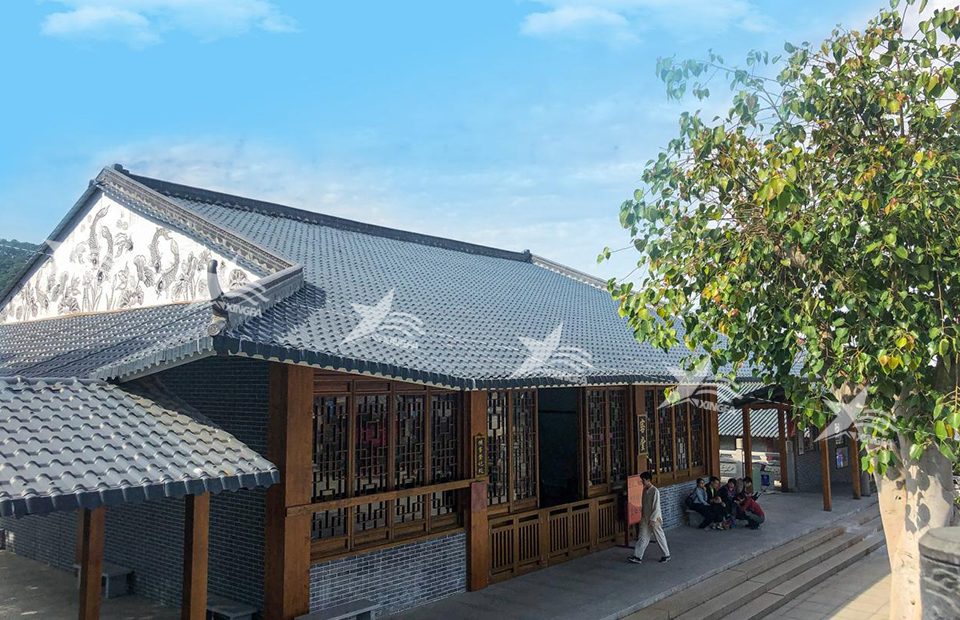
Selecting a technically sound product does not guarantee long-term performance—improper installation can drastically curtail service life. Procurement personnel must confirm whether the supplier provides professional installation guidelines and technical support. Common errors—including excessive purlin spacing, overtightened fasteners, omission of expansion joints, and insufficient overlap—can cause edge curling, cracking, and water infiltration. Moreover, buyers should prioritize direct procurement from original equipment manufacturers (OEMs), bypassing intermediaries, to ensure enforceable warranty coverage and responsive after-sales service. Purchasing through unauthorized channels significantly increases the risk of counterfeit or uncertified products—leaving buyers without recourse in case of performance failure.
Conclusion
The core principle for avoiding pitfalls in synthetic resin tile procurement is clear: prioritize neither price nor thickness alone—instead, rigorously evaluate *material composition* and *manufacturing process*. The vast majority of field failures stem from four root causes: (1) recycled or contaminated raw materials; (2) misrepresented thickness specifications; (3) non-genuine or inadequately applied ASA weather-resistant layers; (4) deceptive pricing models and context-agnostic selection. Procurement professionals must discard outdated assumptions, perform on-site thickness verification, authenticate coating integrity, validate material origin, and align product specifications precisely with site-specific environmental and structural requirements. Only through scientifically grounded, application-aware selection—balancing proven performance, long-term durability, and realistic value—can users ensure stable, trouble-free roof performance for industrial and residential applications over decades.