AR
AR  EN
EN  ES
ES  RU
RU Should You Choose Synthetic Resin Roofing Tiles or Galvanized Steel Roofing Sheets?
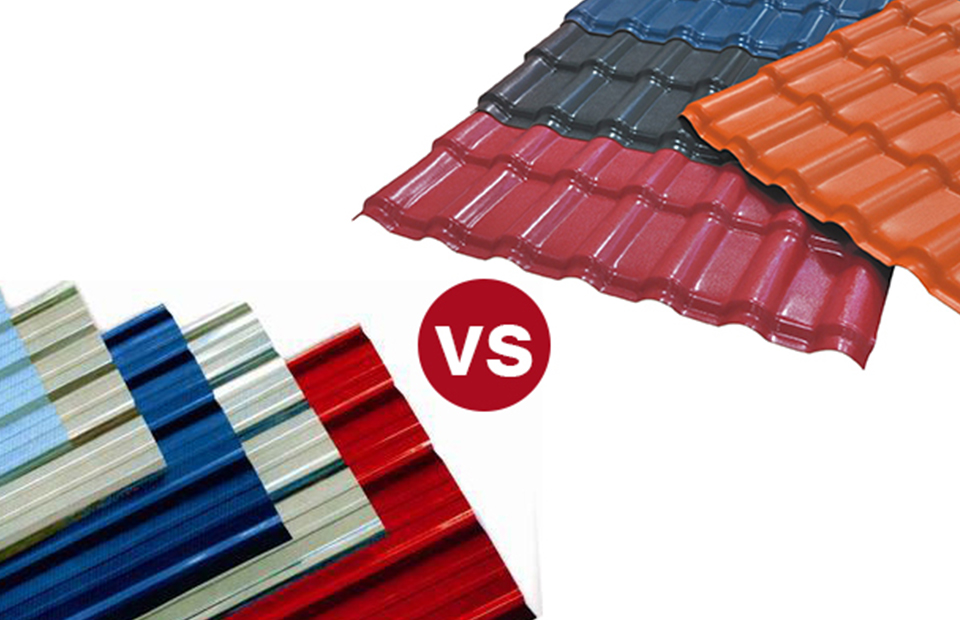
Many property owners face this dilemma when selecting roofing materials. This article provides a comprehensive, objective comparison between synthetic resin roofing tiles and galvanized steel roofing sheets—covering material composition and structure, physical performance, installation and maintenance requirements, and typical application scenarios.
1. Material Composition and Structural Design
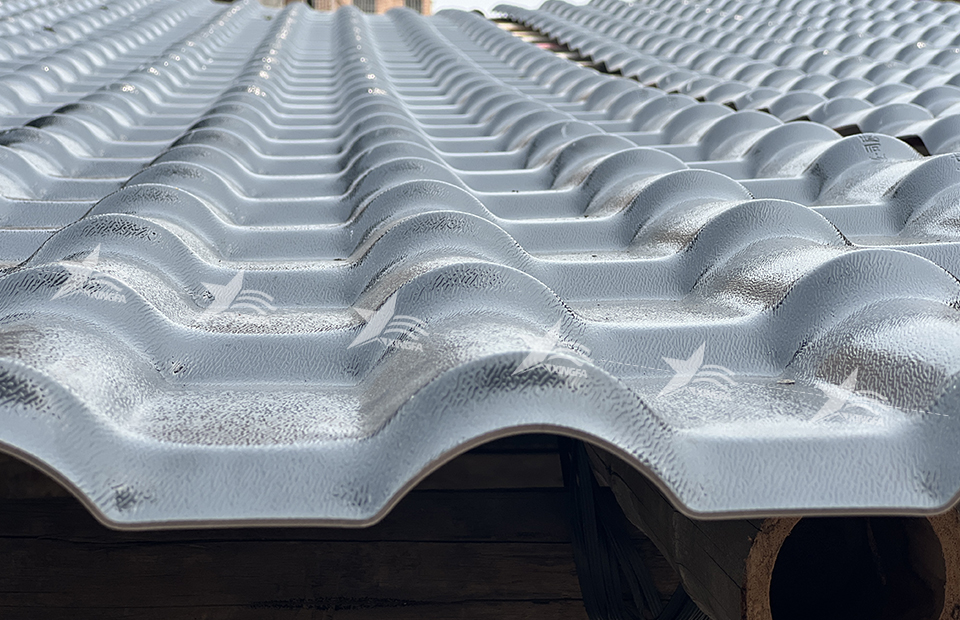
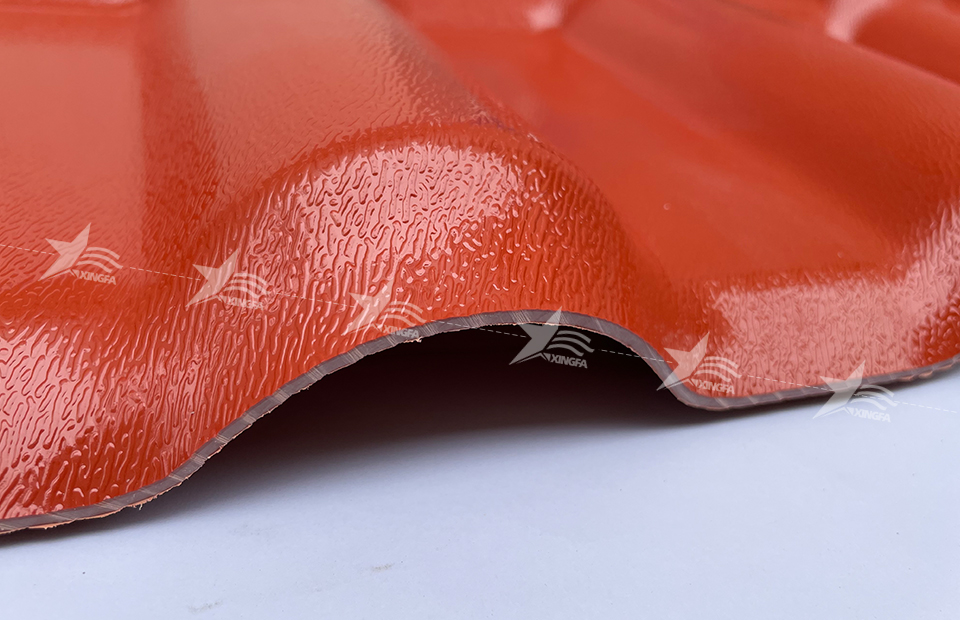
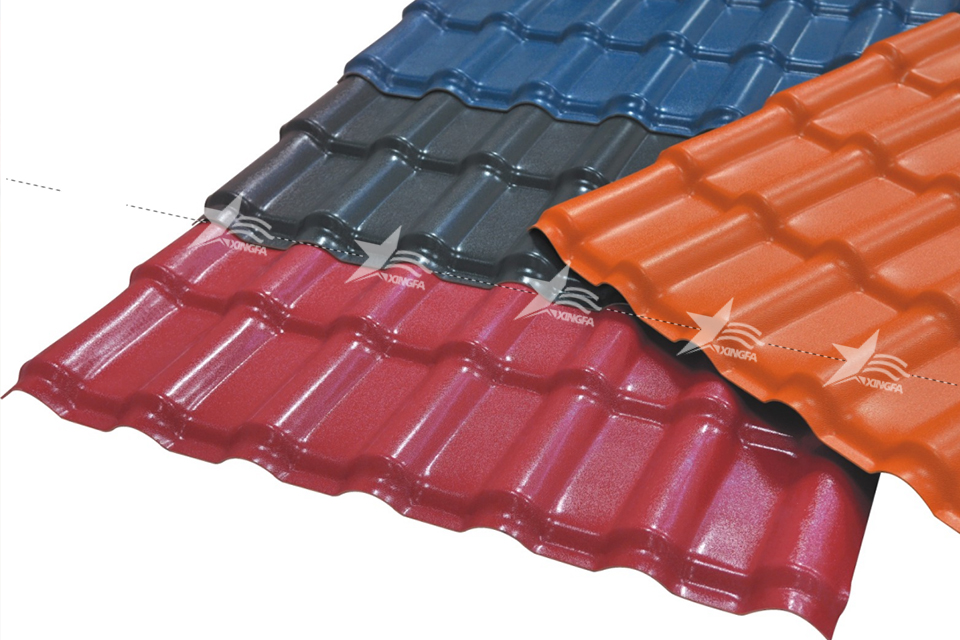
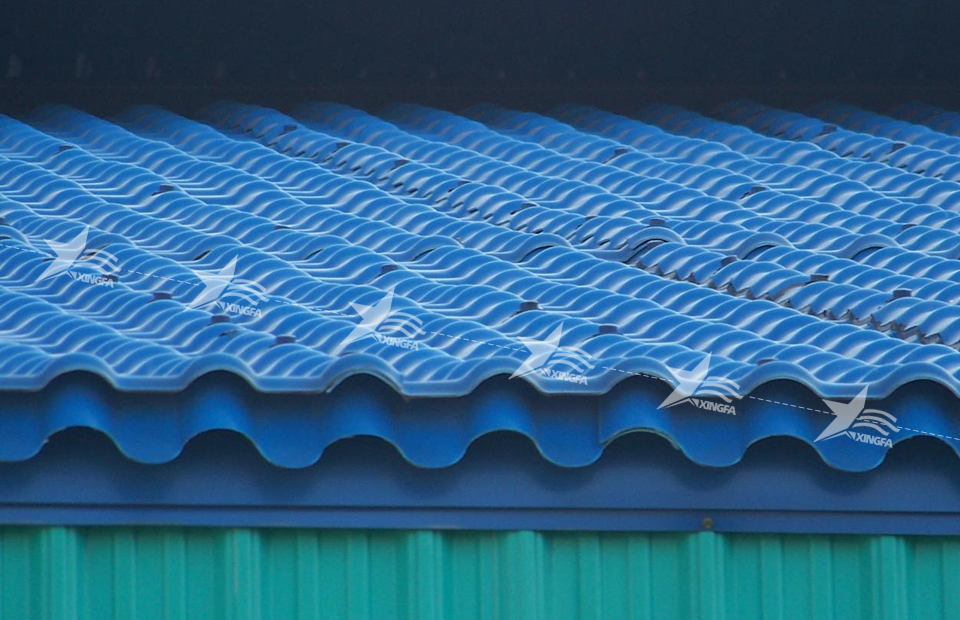
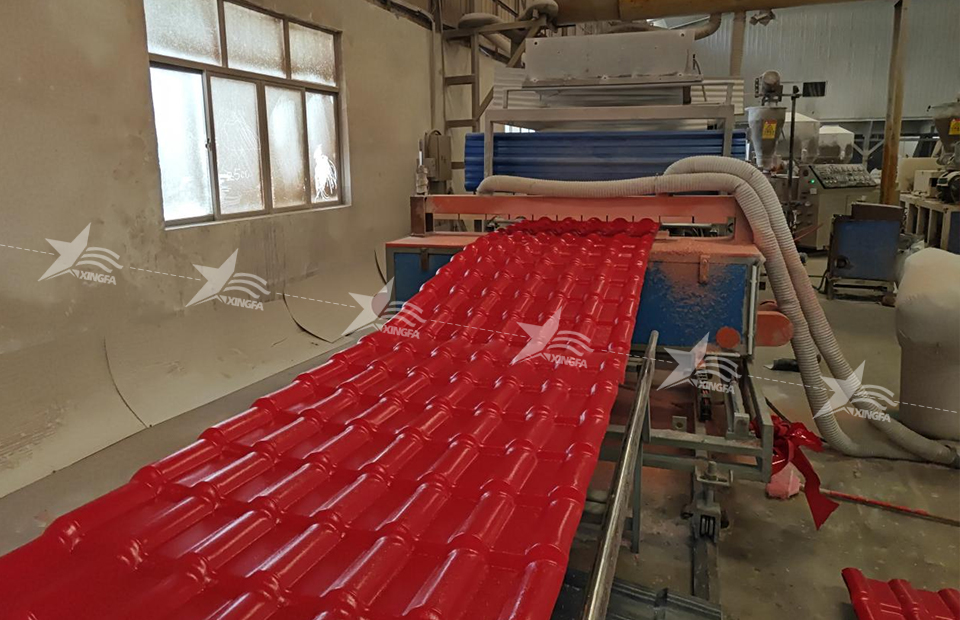
Synthetic resin roofing tiles consist of a high-weatherability engineering resin (e.g., ASA resin) as the top layer, with underlying layers formed via co-extrusion or lamination using materials such as PVC and polyether polyols. These tiles feature a multi-layer co-extruded structure: the ASA surface layer delivers exceptional resistance to aging and color fading, while the base layer ensures superior impact resistance. Common profiles include wave-shaped and trapezoidal forms, with typical thicknesses ranging from 2.5 mm to 3.5 mm.
Galvanized steel roofing sheets use cold-rolled or hot-dip galvanized steel as the substrate, with additional protective coatings applied to the surface. Standard thicknesses range from 0.3 mm to 0.8 mm, and common profiles include wave-shaped, trapezoidal, and interlocking (mechanically seamed) designs.
2. Corrosion Resistance and Service Life
Synthetic resin roofing tiles exhibit outstanding corrosion resistance: as non-conductive polymer materials, they are immune to electrochemical corrosion. They are especially well-suited for highly corrosive environments—including chemical plants, livestock farms, coastal regions with high salt fog concentrations, and areas frequently affected by acid rain. Under proper installation conditions, their service life typically spans 20 to 30 years.
Galvanized steel roofing sheets rely entirely on the integrity of their zinc coating and topcoat for corrosion protection. Their longevity is directly influenced by zinc layer thickness and the quality of the baked enamel finish. If fasteners penetrate the coating without adequate sealing, or if the surface coating is scratched or exposed long-term to humid, acidic conditions, corrosion may initiate at cut edges or damaged areas and progressively spread. In standard environmental conditions, conventional galvanized steel roofing sheets generally last 8–15 years.
3. Sound Insulation and Thermal Performance
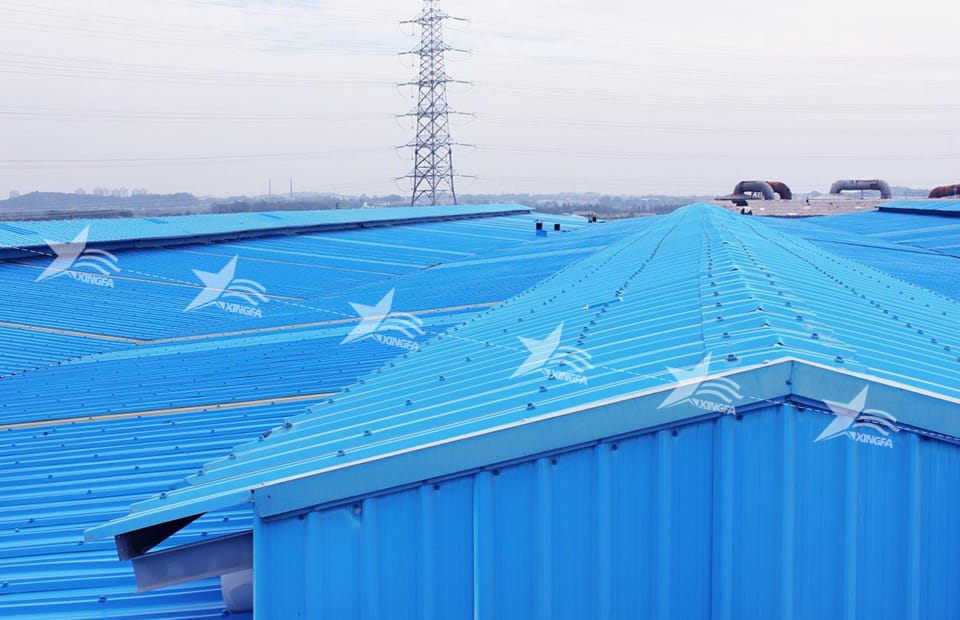
Synthetic resin roofing tiles provide excellent sound insulation: the inherent damping and vibration-absorbing properties of polymer materials significantly reduce impact noise. During rainfall, raindrops produce a muted, diffused sound upon contact—resulting in notably lower indoor noise levels. These tiles also offer superior thermal insulation: resins are poor thermal conductors, and their thermal conductivity is substantially lower than that of metals—even at relatively modest thicknesses. When installed over an insulated roof deck, thermal performance is further enhanced. Even when directly fixed to purlins, synthetic resin tiles typically outperform galvanized steel sheets in thermal insulation efficiency.
Galvanized steel roofing sheets deliver comparatively poor sound insulation due to pronounced metal resonance effects. Heavy rain or hail generates sharp, loud “pattering” or “clattering” noises, significantly increasing indoor acoustic disturbance. Moreover, their thermal insulation performance is inherently limited: metals conduct heat rapidly. Under intense summer solar exposure, surface temperatures can reach 60–70°C, causing rapid heat transfer into interior spaces—creating an uncomfortable “oven-like” effect. Conversely, in winter, they offer negligible thermal retention. To achieve acceptable occupant comfort, supplementary insulation (e.g., thermal batts or reflective underlayments) is almost always required.
4. Installation and Maintenance Requirements
Synthetic resin roofing tiles require specialized waterproofing accessories and self-tapping screws equipped with integrated rubber washers or sealing caps. Installation must account for thermal expansion and contraction by incorporating appropriate clearance allowances. Maintenance is minimal; individual tiles can be replaced easily if damaged. However, slight color variation between new and aged tiles may occur over time.
Galvanized steel roofing sheets enable faster on-site installation, typically secured via mechanical seaming or self-tapping screws. Precision cutting and fastener penetration points demand rigorous anti-corrosion treatment (e.g., sealant application or touch-up painting). Post-installation maintenance involves periodic inspection of sealant integrity around fasteners and assessment of cut-edge corrosion. Any signs of rust must be addressed promptly with appropriate anti-corrosion paint; otherwise, corrosion will propagate, potentially leading to leaks and structural degradation.
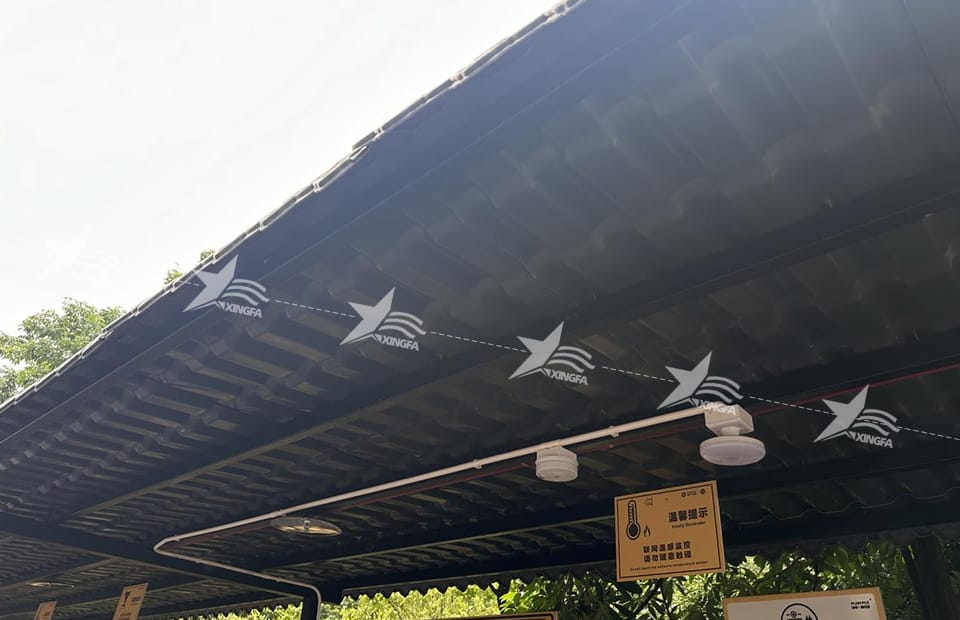
Based on the above comparative analysis of key technical attributes, stakeholders can make an informed, context-appropriate selection between synthetic resin roofing tiles and galvanized steel roofing sheets.