AR
AR  EN
EN  ES
ES  RU
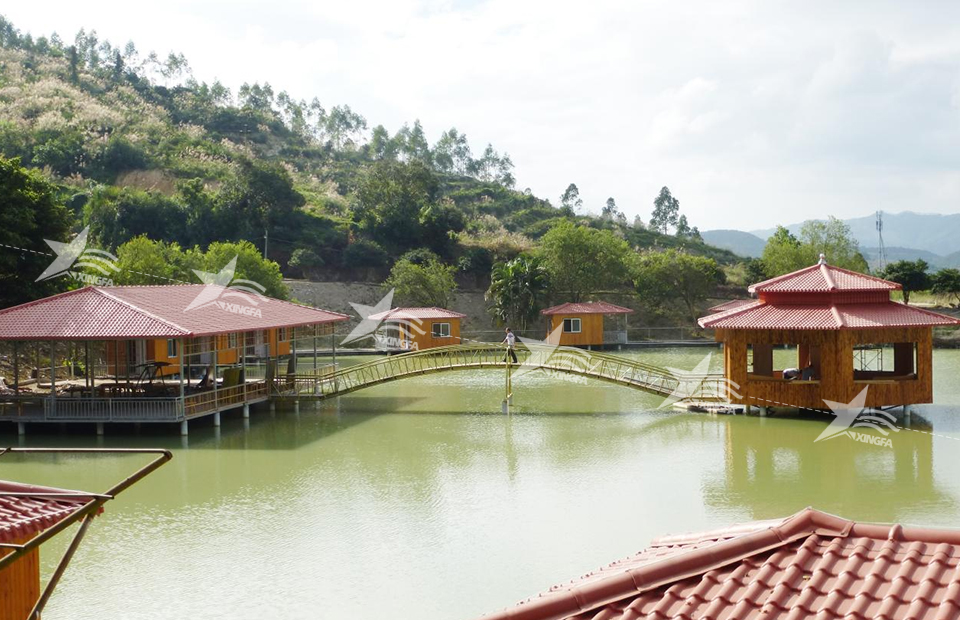
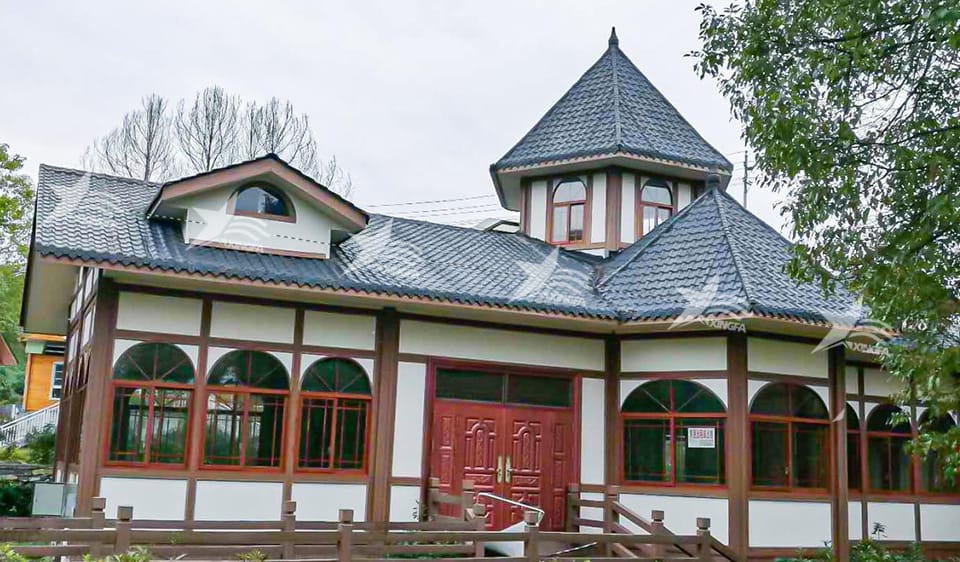
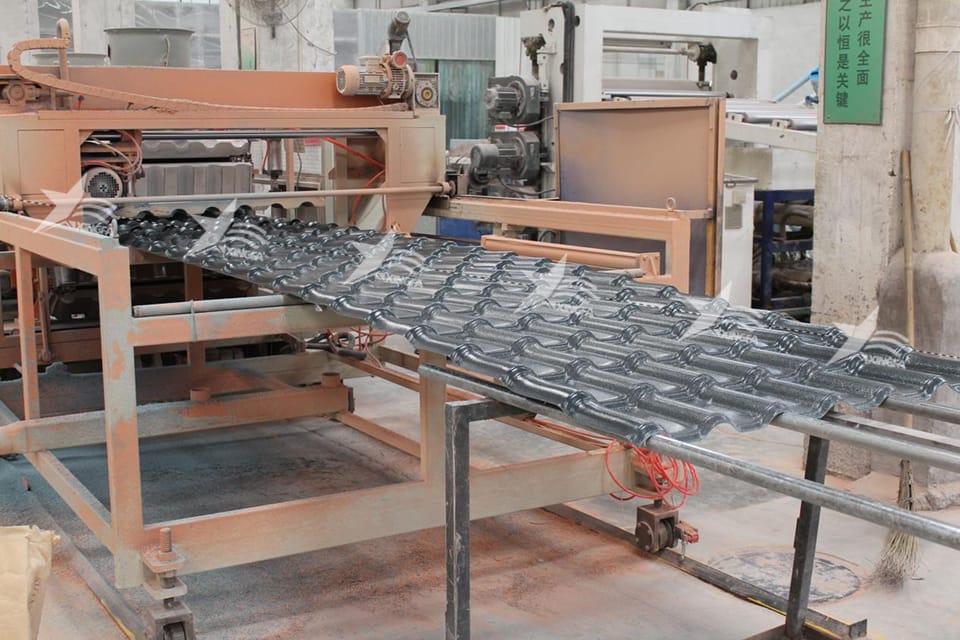
RU Synthetic resin roofing tiles are a modern roofing material renowned for their aesthetic appeal, lightweight nature, corrosion resistance, waterproofing performance, and rapid installation. They are widely applied across diverse building types—including covered walkways, balcony canopies, residential villas, shopping malls, residential communities, and architectural reproductions of traditional styles. As the rainy season arrives in April, a key question arises: Are synthetic resin roofing tiles suitable for roof waterproofing? Below is a detailed explanation.
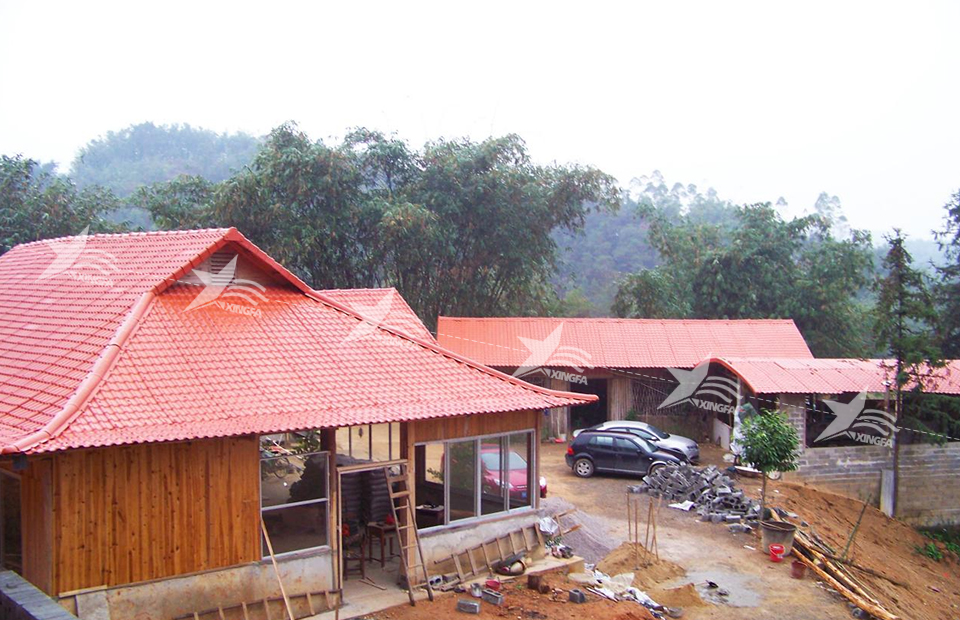
A single factor does not determine the waterproofing performance of synthetic resin roofing tiles; rather, it results from the synergistic integration of material properties, structural design, and installation craftsmanship.
1. Inherent Material Properties: Non-Absorbent, Eliminating the Root Cause of Leakage, Extremely Low Water Absorption:
The primary constituent materials of synthetic resin tiles—such as ASA and PVC—are dense, high-molecular-weight polymers that exhibit virtually zero water absorption. This stands in stark contrast to traditional cement or clay tiles, which possess microscopic capillary pores. Under prolonged rainfall, moisture gradually infiltrates these pores, increasing tile weight and elevating leakage risk. Synthetic resin tiles, by virtue of their intrinsic material composition, completely block the pathway for water penetration at the source.
2. Structural Design: Leveraging Physical Principles for Multi-Layered Protection Wave-Formed Drainage, Minimizing Water Retention:
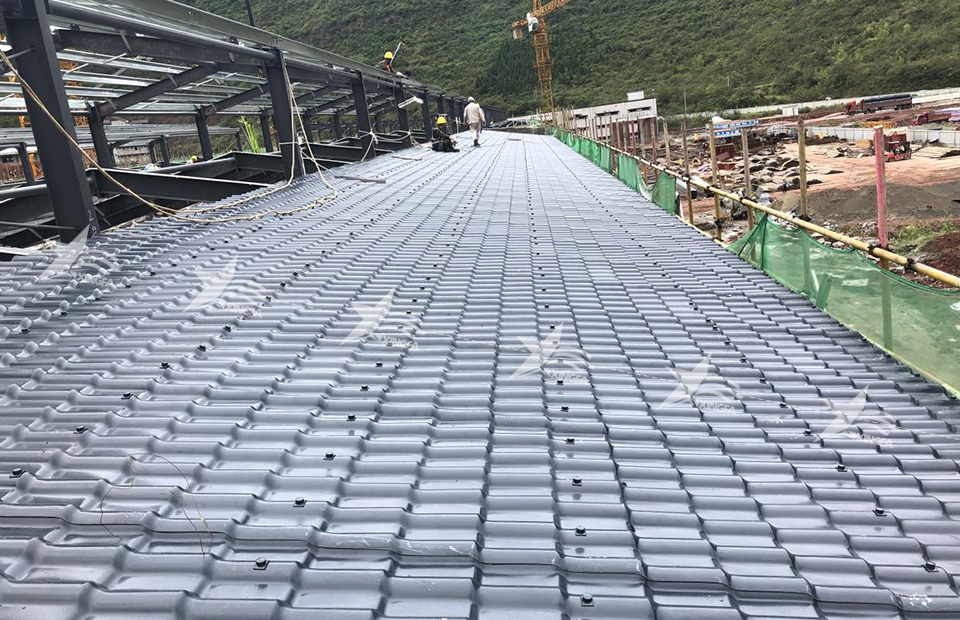
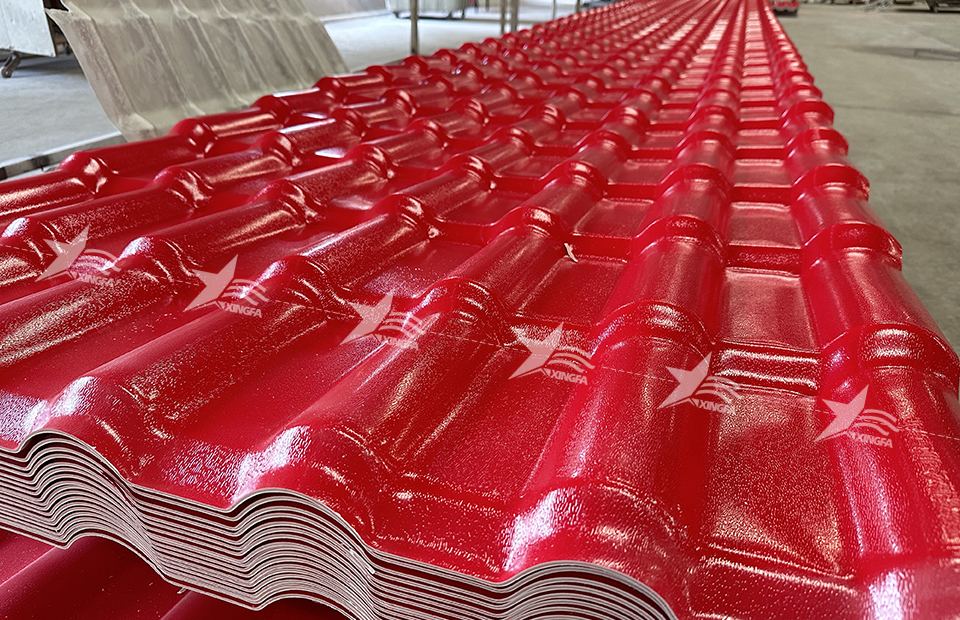
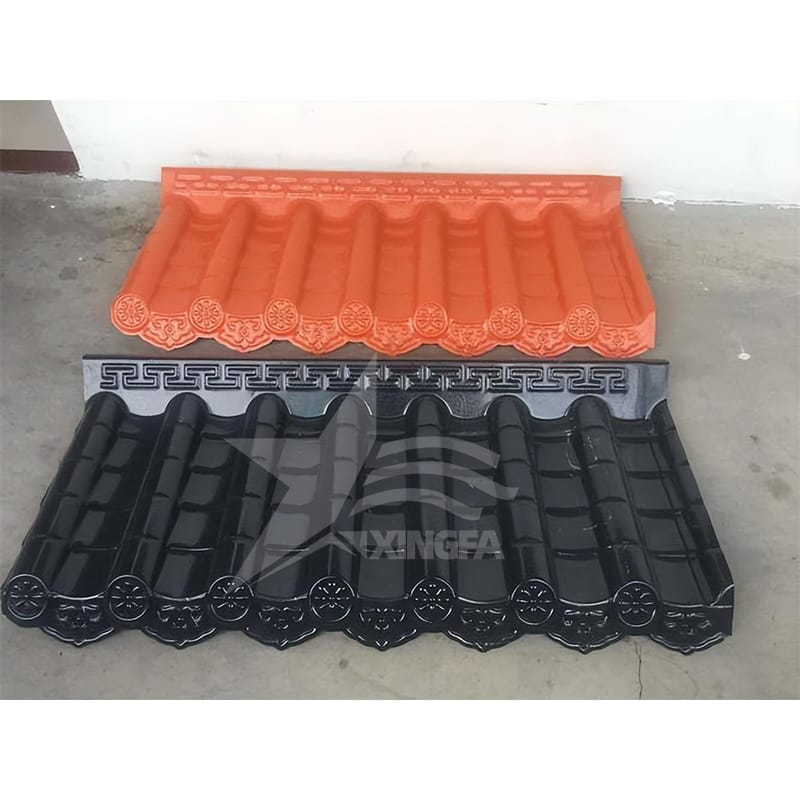
Synthetic resin roofing tiles typically feature a pronounced wave profile. This geometry harnesses gravity to guide rainwater smoothly along the troughs, forming efficient flow channels that rapidly direct runoff toward the eaves. Compared to flat-profile tiles, this design significantly reduces lateral water spread and dwell time on the tile surface, thereby lowering the probability of water intrusion through inter-tile joints.
Precise Interlocking Joint Design:
- Horizontal Joints (Side-to-Side Assembly): Each tile incorporates complementary male and female interlocking profiles along its side edges. During installation, the male profile of one tile engages tightly into the female profile of the adjacent tile—achieving dual-layer protection: mechanical overlap combined with secure mechanical interlock. When integrated with the wave-form overlap, this configuration effectively prevents backflow or capillary ingress at horizontal joints.
- Vertical Joints (Top-to-Bottom Overlap): Upper tiles fully overlay lower tiles, with a minimum recommended overlap length of 100 mm. Crucially, the wave pattern of the upper tile aligns precisely with that of the underlying tile, ensuring seamless, gap-free superposition. As water flows downward, it traverses the joint directly onto the surface of the lower tile—without penetrating the interface.
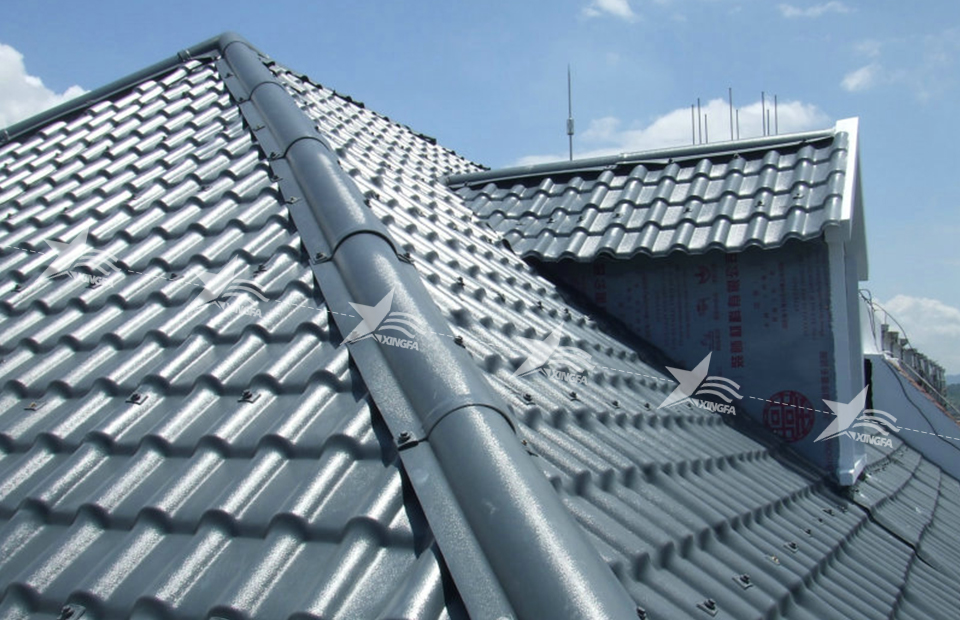 3. Accessories and Detailing: Critical Determinants of Waterproofing Success:
In practice, approximately 90% of roof leakage incidents originate from poorly executed details and junctions. To address these vulnerable points, synthetic resin tile systems include purpose-engineered accessories. Complementary waterproofing components—including ridge caps, hip caps, vent pipe flashings, and sealing gaskets—are specifically formulated from compatible resin materials and designed for seamless integration. Their coordinated use ensures robust, long-term waterproofing performance at all critical junctions.
In summary, the waterproofing capability of synthetic resin roofing tiles is best characterized as a holistic, four-pronged system: “material-based impermeability, wave-guided drainage, interlocked joint sealing, and detail-reinforced junction integrity.” Provided that products meet quality standards and installation adheres strictly to technical specifications, synthetic resin tiles deliver superior waterproofing reliability and service life compared to conventional fired-clay tiles or standard asbestos-cement tiles—making them especially well-suited for applications demanding high-performance waterproofing or lightweight roofing solutions.