أخبار
How Often Should Synthetic Resin Tiles Be Maintained?
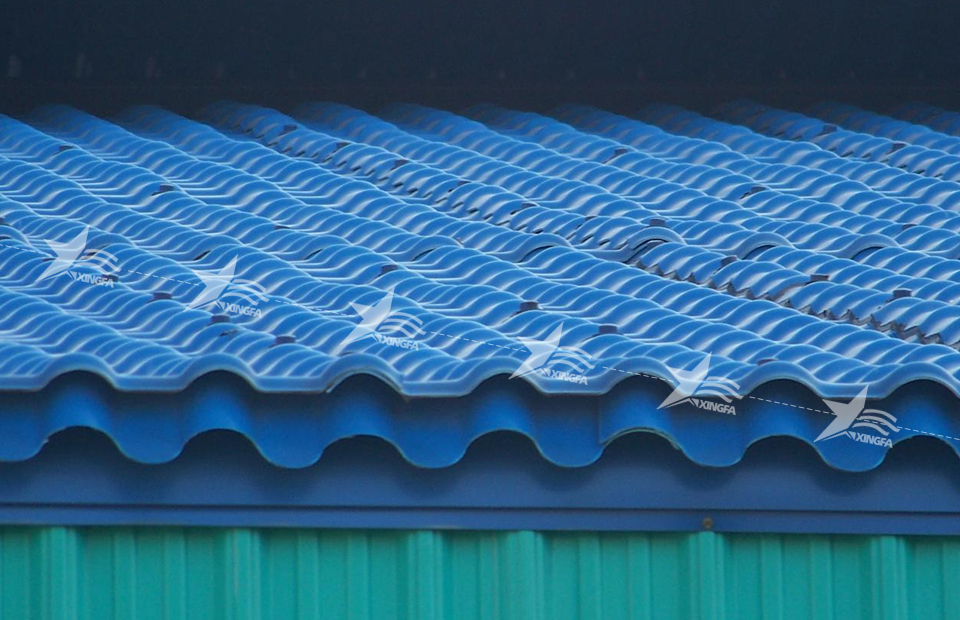
Synthetic resin tiles are frequently misconstrued as “install-and-forget” maintenance-free materials. In reality, they are low-maintenance—not zero-maintenance—products characterized by extended service intervals and minimal upkeep effort. Scientific, proactive maintenance significantly delays material aging and extends service life. Conversely, neglecting routine care may lead to premature leakage due to gasket degradation, accumulation-induced corrosion, or sealant failure. There is no universal maintenance schedule; optimal frequency depends on environmental conditions, material quality, and seasonal variations. The guiding principle is *preventive, scheduled maintenance*—not reactive, post-failure repair. This article presents a practical, actionable maintenance framework across six dimensions: environmental factors, inspection items, phased maintenance protocols, seasonal timing, issue-specific response measures, and common misconceptions—enabling property owners to tailor maintenance plans to their specific roof conditions.
1. Maintenance Frequency Is Dictated by Environmental Conditions
Environmental exposure is the primary determinant of maintenance intervals. For standard industrial facilities and residential roofs in areas with low air pollution and clean rainfall, visual inspections are recommended every six months, with comprehensive maintenance before the annual rainy season. In contrast, high-corrosion environments—including farms, livestock barns, and chemical processing workshops—expose tiles to airborne ammonia, acidic/alkaline mists, and aggressive particulate deposits that accelerate surface degradation. In such settings, inspections should be conducted quarterly, and thorough cleaning and assessment performed biannually. Similarly, regions subject to heavy sandstorms, intense UV radiation, or high-salinity coastal fog require more frequent monitoring: sand accumulation must be removed promptly, and surface abrasions or micro-scratches closely tracked. General rule: the milder the environment, the longer the maintenance interval; the harsher the environment, the more frequent—and rigorous—the intervention required.
2. Routine Inspection Items (Every 3–6 Months)
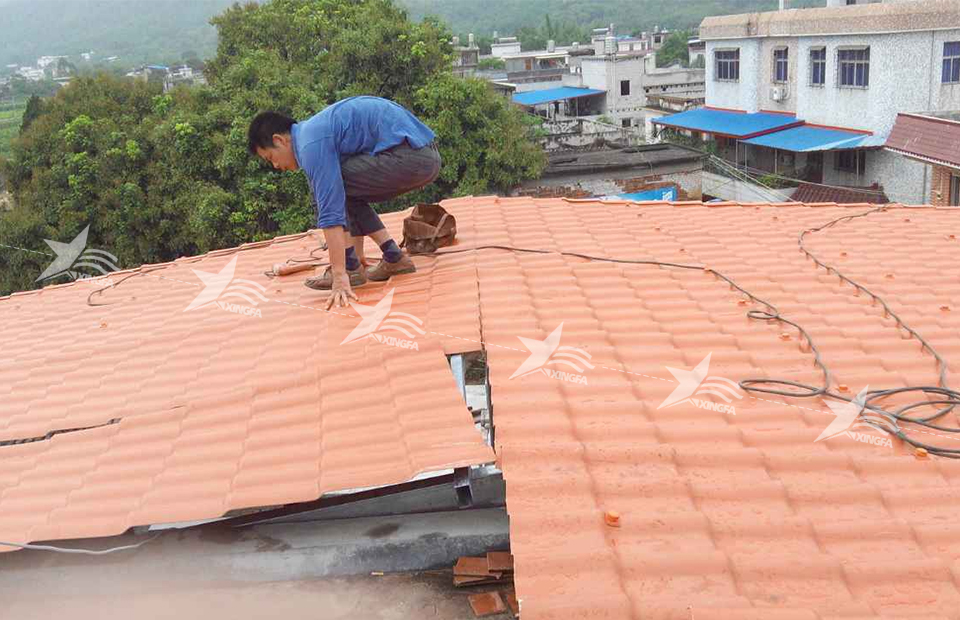
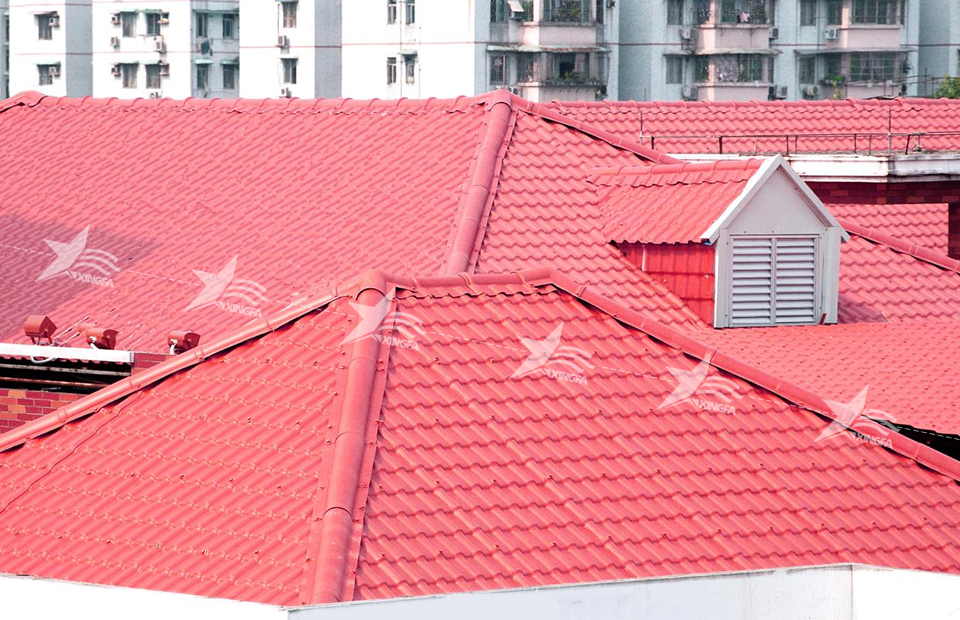
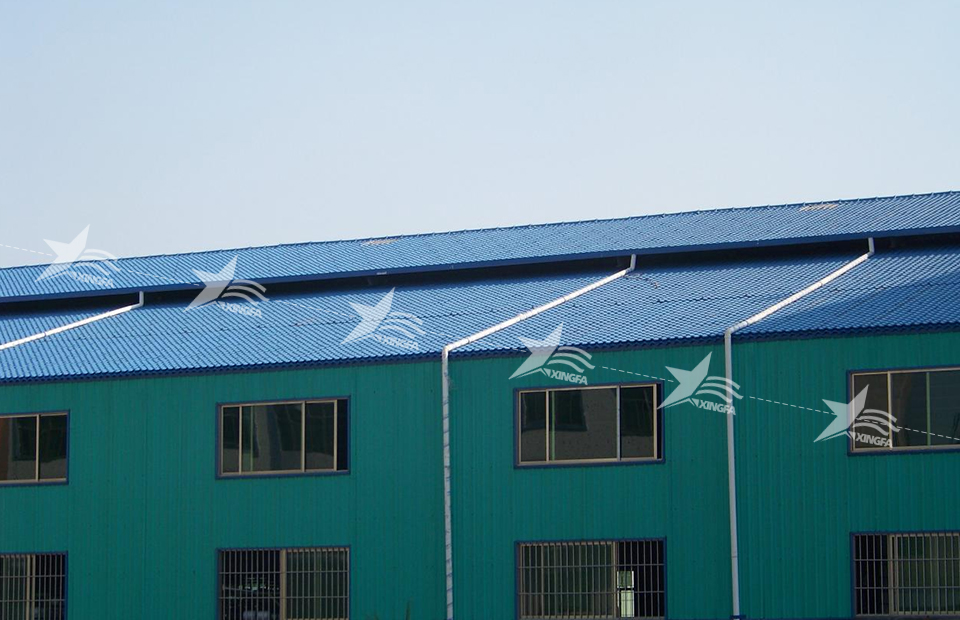
Routine inspections are primarily visual and focus on identifying three categories of potential hazards. First, clear debris—including leaves, grass, silt, and, critically for agricultural buildings, corrosive animal manure—from gutters, eaves, and wave troughs to prevent drainage obstruction and prolonged water immersion at tile joints. Second, examine overlapping sections for edge lifting or lateral displacement, and assess the tile surface for widespread color fading or deep scratches. Third, inspect critical termination zones—including ridges, flashing, and upstands—as these are high-risk locations for water ingress. Inspections should be conducted on consecutive dry, sunny days when surfaces are fully dry. Strict adherence to fall-protection protocols is mandatory; walking directly on tile wave peaks must be avoided.
3. Annual Comprehensive Maintenance (Once Per Year, Pre-Rainy Season)
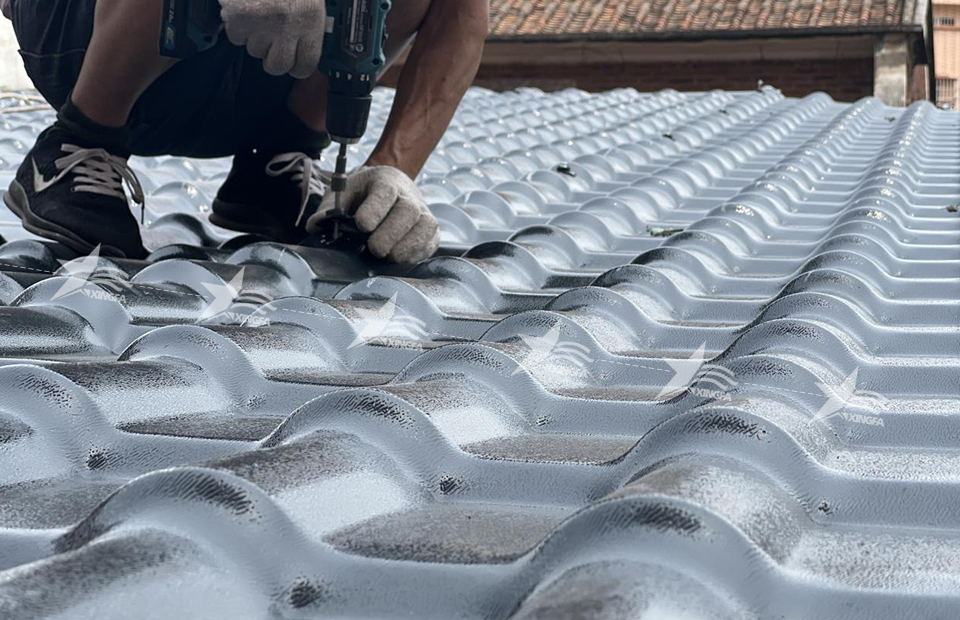
A full-scale, in-depth maintenance procedure must be performed annually—ideally just before the onset of the rainy season—as this is the most critical intervention for preventing leaks. First, systematically inspect all self-tapping screws for deterioration, cracking, or detachment of their waterproof rubber washers—the leading cause of leakage in synthetic resin tile roofs. Replace degraded washers immediately and reseal screw heads with high-performance, weather-resistant silicone sealant. Second, evaluate the integrity of sealant at panel overlaps; remove failed sealant completely and reapply fresh, compatible sealant. Third, perform low-pressure cleaning of heavily soiled or oil-contaminated surfaces using soft-bristle brushes and neutral-pH detergents—steel wool, abrasive pads, and high-pressure water jets are strictly prohibited. Fourth, assess the tile surface for early signs of chalking or micro-cracking, and address incipient damage before progression.
4. Specialized Structural Assessment (Approximately Every 5 Years)
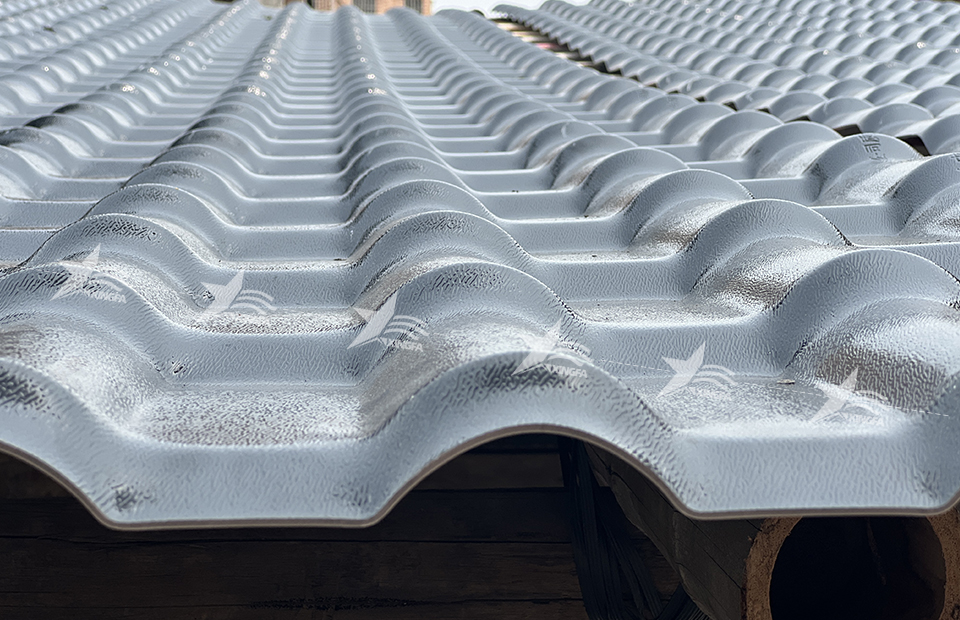
After five years of service, synthetic resin tile roofs warrant a dedicated structural evaluation. Key objectives include quantifying the degree of embrittlement and chalking, identifying large-area chalking or networked micro-cracks, and assessing underlying support systems—particularly purlins and roof decking—for deformation or settlement. Substrate distortion imposes tensile stress on tiles, increasing fracture risk. All aged or compromised ancillary components (e.g., fasteners, flashings, ridge caps) should be replaced in bulk. Locally damaged tiles may be individually replaced without full roof removal. This specialized assessment uncovers latent, system-level vulnerabilities invisible during routine checks—thereby preventing minor defects from escalating into widespread leakage or costly reconstruction. It is a pivotal step in maximizing total service life.
5. Seasonal Maintenance Timing
Maintenance activities should be strategically aligned with seasonal transitions. In southern regions with high annual rainfall, gutter clearance and sealant reapplication must be completed before the rainy season begins. In northern climates, pre-winter inspections should target leaf accumulation in wave troughs to mitigate freeze-thaw damage. Prior to peak summer heat, consider cleaning reflective tiles to restore solar reflectance and thermal performance. Following extreme weather events—including high winds, hailstorms, or heavy snow loads—an additional ad hoc inspection is essential to detect loosened fasteners, impact cracks, or localized displacement. Integrating seasonal triggers ensures maintenance remains timely, targeted, and operationally effective.
6. Issue-Specific Response Protocols and Common Misconceptions
Appropriate responses must be calibrated to the nature and severity of observed issues. Superficial color fading or minor surface scratches constitute cosmetic degradation only and do not compromise structural integrity; these can be mitigated by applying a certified, UV-stable protective coating formulated specifically for synthetic resin tiles. By contrast, through-thickness cracks or brittle fracturing necessitate immediate replacement of the affected tile. Four prevalent maintenance errors must be avoided: (1) using steel wool, metal scrapers, or direct high-pressure water jetting—which abrades and micro-fractures the surface; (2) applying strong acidic or alkaline cleaners—which accelerates hydrolytic degradation and chalking; (3) stepping on wave peaks wearing rigid-soled footwear—which risks localized crushing or cracking; and (4) drilling new holes in tiles without proper sealing—introducing uncontrolled leak paths. When executed correctly, professional maintenance enables synthetic resin tiles to deliver reliable, leak-free performance for 15–20 years. Neglect, however, drastically shortens service life and increases long-term lifecycle costs.