AR
AR  EN
EN  ES
ES  RU
RU Which One Has A Longer Service Life, Synthetic Resin Tile or Clay Tile?
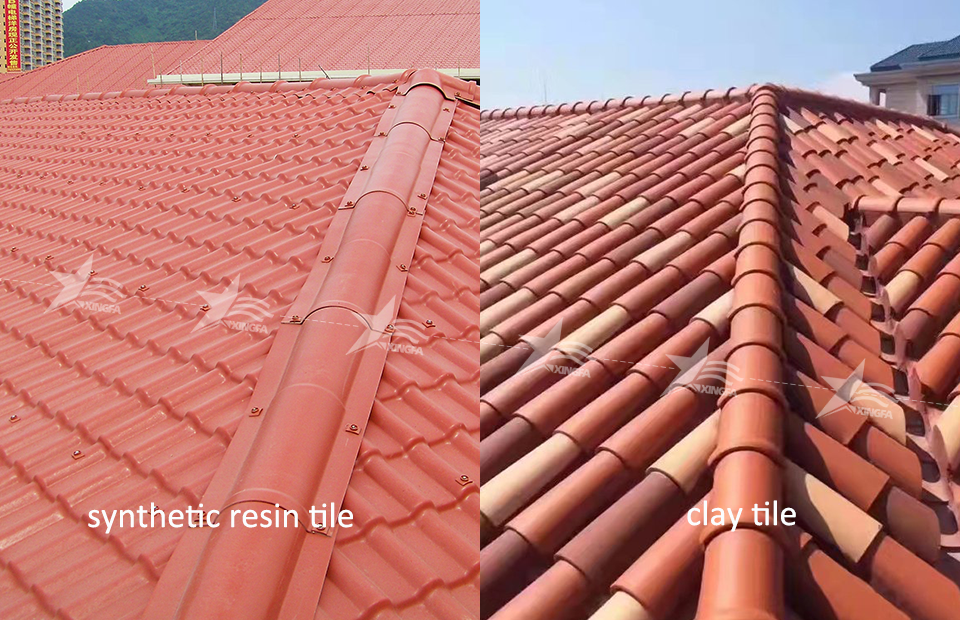
In the selection of roofing materials, synthetic resin tiles and traditional clay tiles are currently the two most widely used options for residential buildings, historic architecture restoration, and industrial plant renovations. Many users hold a conventional belief that clay tiles—being fired at high temperatures, possessing high hardness, and exhibiting inherent durability—offer superior longevity, whereas synthetic resin tiles, made from plastic-based polymers, are prone to aging and thus have shorter service lives. In reality, these two materials differ fundamentally in composition, weather resistance, and mechanical robustness; their actual service lives cannot be accurately assessed based on intuition or anecdotal experience alone. This article provides an objective, multidimensional comparison—covering material properties, weather resistance and anti-aging performance, structural impact resistance, waterproofing stability, post-installation maintenance requirements, and overall service life—to clarify the practical longevity differences between these two tile types.
1. Comparative Analysis of Fundamental Material Properties
(A) Characteristics of Traditional Clay Tiles
Traditional clay tiles are manufactured from natural clay or loam, subjected to high-temperature firing, and classified as inorganic, rigid construction materials. They exhibit high hardness, excellent fire resistance, high-temperature tolerance, and no color fading or degradation due to aging. Their rustic aesthetic makes them particularly suitable for historic-style or heritage-inspired architectural applications. However, clay tiles possess intrinsic material limitations: they are brittle, lack toughness, and contain numerous microscopic pores, resulting in relatively high water absorption. Prolonged outdoor exposure renders them susceptible to weathering, efflorescence (salt-induced surface deterioration), surface spalling, cracking, and fragmentation—especially in regions experiencing large diurnal temperature fluctuations and frequent rainfall or snowfall. Accelerated material degradation under such conditions constitutes a primary constraint on their practical service life.
(B) Characteristics of Synthetic Resin Tiles
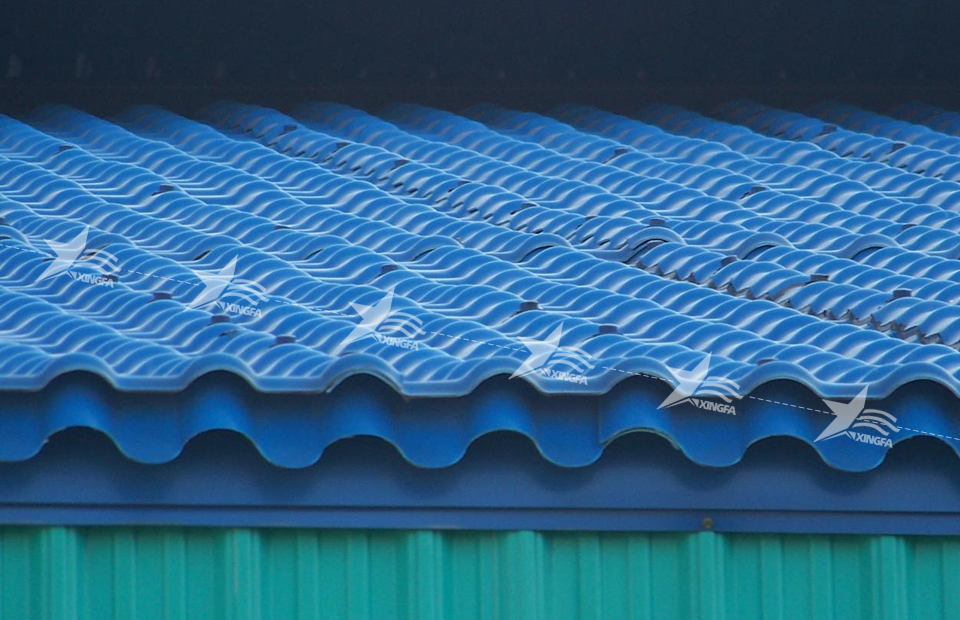
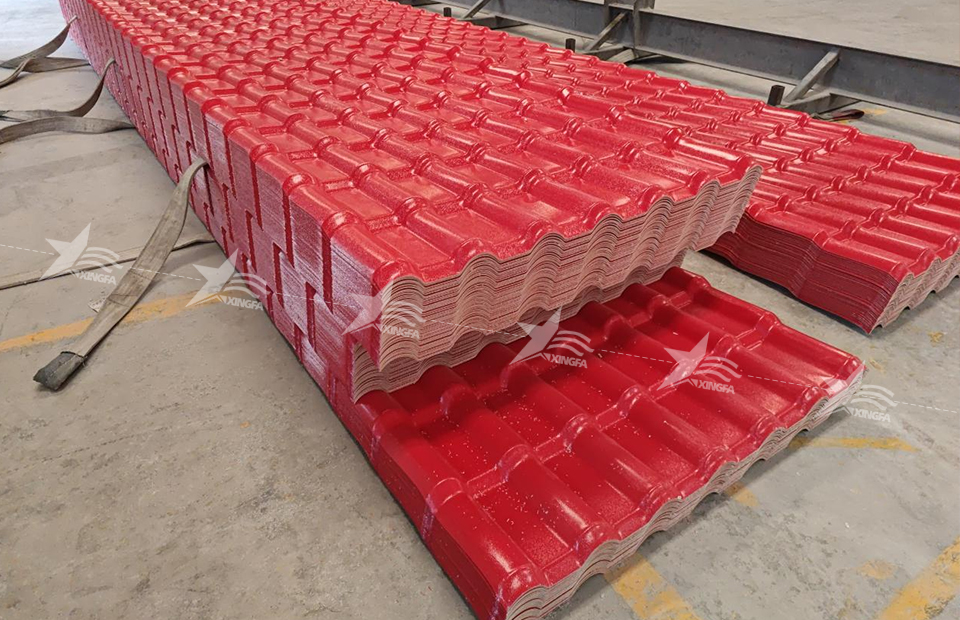
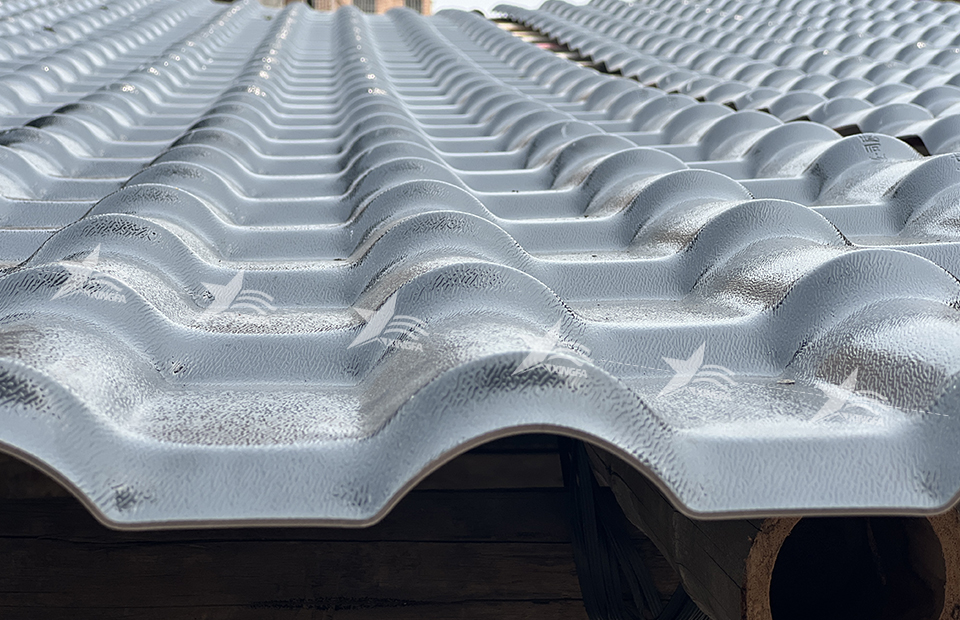
High-quality synthetic resin tiles employ a multi-layer composite structure comprising ASA (acrylonitrile–styrene–acrylate) copolymer as the top layer and modified PVC (polyvinyl chloride) as the base layer—classifying them as advanced organic polymeric building materials. The modified PVC substrate delivers exceptional toughness and resistance to fracture, while the ASA top layer provides outstanding ultraviolet (UV) resistance, oxidation resistance, and corrosion resistance. Although synthetic resin tiles exhibit lower surface hardness than clay tiles, their overall flexibility, dense microstructure, and zero water absorption eliminate risks associated with weathering and efflorescence. Through continuous formulation optimization, modern modified resin tiles have significantly enhanced long-term weathering stability—effectively overcoming the premature aging issues historically observed in early-generation plastic roof tiles—and thereby substantially improved material durability.
2. Comparative Analysis of Weather Resistance and Anti-Aging Performance
(A) Rapid Natural Aging of Clay Tiles
The most critical limitation affecting the service life of clay tiles is progressive weathering and aging. Continuous exposure to rainwater infiltration, solar radiation, and freeze–thaw cycles accelerates degradation: rainwater penetrates the porous tile body; during winter, trapped moisture freezes and expands, repeatedly stressing and fracturing the internal structure. This leads to surface spalling, bulk embrittlement, and cracking. For standard clay tiles commonly used in rural self-built housing, the effective service life typically ranges from 10 to 15 years, after which widespread weathering-induced leakage necessitates full replacement. Even premium-grade, high-fired clay tiles generally begin exhibiting severe functional deterioration—including loss of waterproofing integrity—after approximately 20 years of continuous outdoor exposure.
(B) Stable Weather Resistance and Aging Performance of Synthetic Resin Tiles
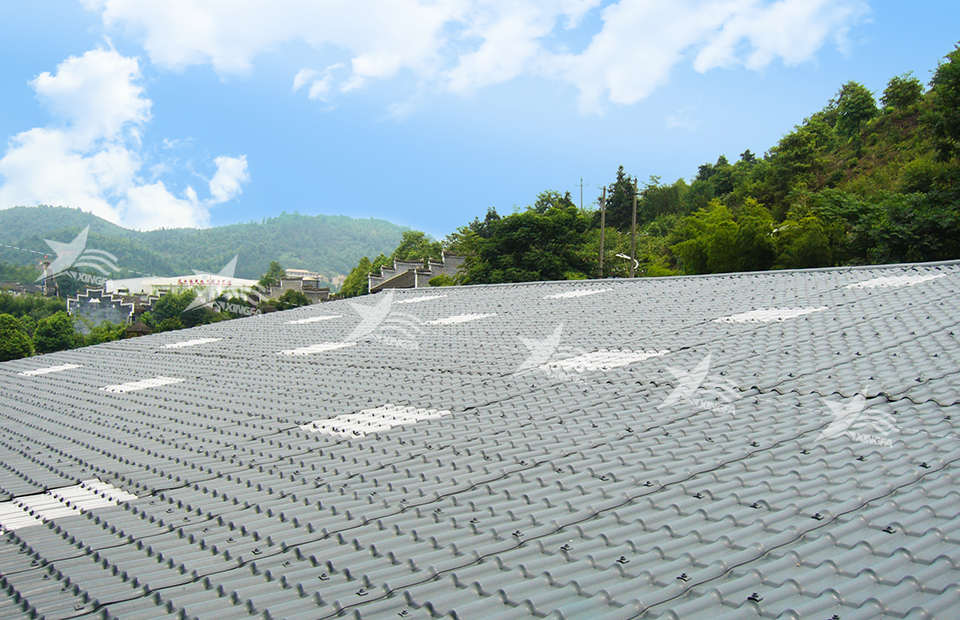
ASA-based synthetic resin tiles demonstrate exceptional resistance to UV radiation, oxidation, and rainwater corrosion, remaining free from weathering, efflorescence, or surface peeling. The ASA top layer acts as a durable UV barrier, effectively shielding the underlying substrate from photochemical degradation and preserving structural integrity over time. Under normal environmental conditions, certified virgin-material synthetic resin tiles achieve a service life of 15–20 years; under favorable installation and operational conditions—with proper design, quality workmanship, and minimal mechanical damage—their reliable service life may extend up to 25 years. Compared with ordinary clay tiles, resin tiles have a longer lifespan, a longer service life, and a slower aging rate.
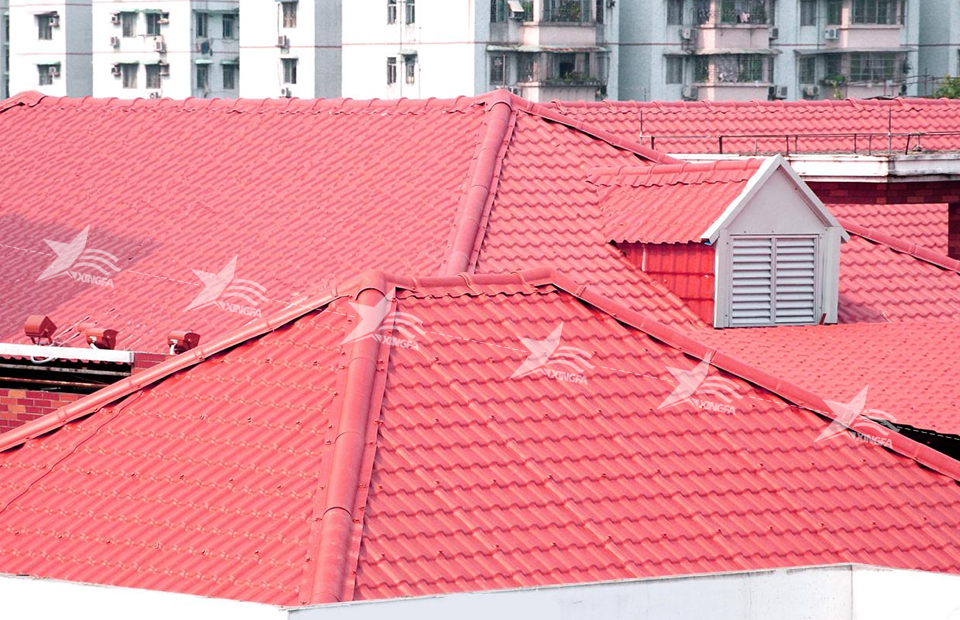
3. Comparative Analysis of Impact Resistance and Structural Damage Resistance
(A) High Brittleness and Susceptibility to Damage in Clay Tiles
Clay tiles exhibit high hardness but extremely low toughness—characteristic of classic brittle materials. They are highly vulnerable to impact damage from hailstorms, strong winds, falling debris, and even routine foot traffic during roof inspections or maintenance. Localized breakage readily triggers localized water infiltration, which can propagate into adjacent areas, causing moisture accumulation, substrate rot, and accelerated deterioration of the entire roof system. Damage typically manifests as discrete or clustered fractures, requiring frequent, piecemeal repairs—significantly eroding the roof’s overall service life.
(B) Superior Impact Resistance and Structural Durability of Synthetic Resin Tiles
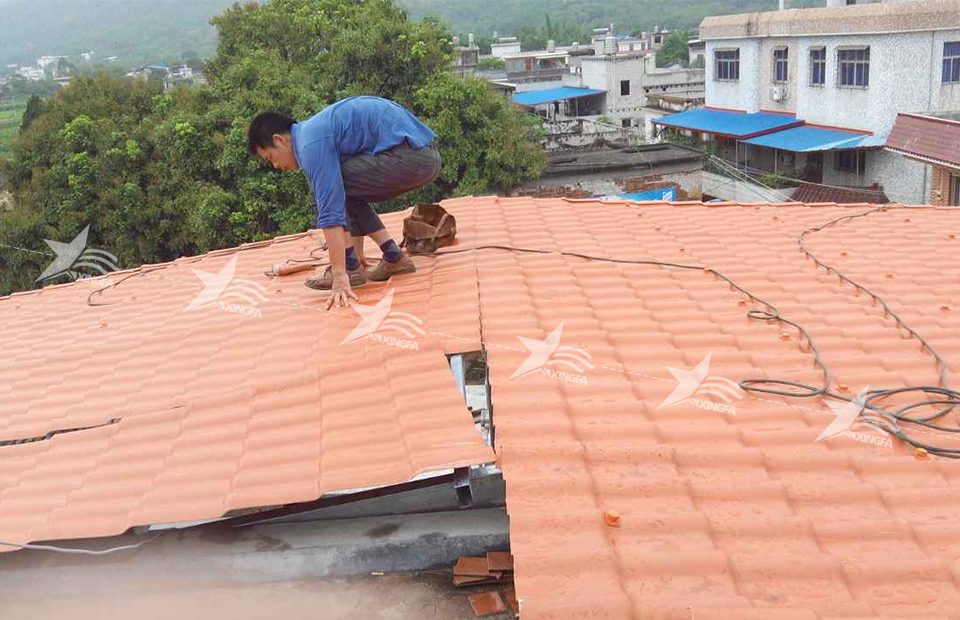
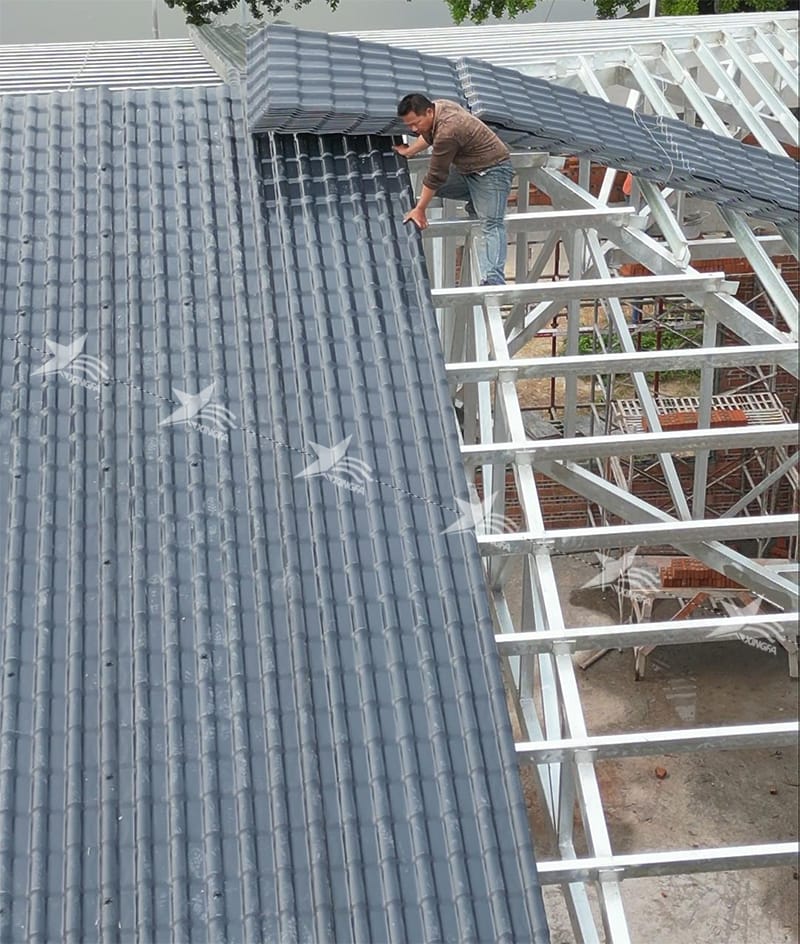
Synthetic resin tiles possess outstanding toughness and elastic deformation capacity, enabling them to absorb and dissipate energy from impacts such as hail strikes or wind pressure without fracturing or cracking. Their monolithic, interlocking installation ensures excellent roof continuity and structural integrity; localized damage to a single tile does not compromise the performance of adjacent units or the overall roof envelope. Moreover, minor mechanical impacts or thermal expansion/contraction do not induce cracking. As a result, roof structural integrity remains consistently preserved over extended periods—greatly mitigating service-life reduction caused by structural degradation—and delivering demonstrably superior long-term durability compared to clay tiles.
4. Comparative Analysis of Waterproofing Performance and Long-Term Stability
(A) Progressive Water Infiltration Risk in Clay Tiles
Clay tiles exhibit inherently high water absorption. With increasing service age, pore structure degradation intensifies due to weathering, further elevating permeability. Aged clay tiles develop roughened surfaces and enlarged inter-tile gaps, facilitating reverse water ingress—particularly during heavy rainfall or typhoon events. In many older buildings, clay tile roofs may appear visually intact, yet internal embrittlement has already compromised their waterproofing function entirely—a classic case of “apparent integrity masking latent functional failure.”
(B) Permanently Stable Waterproofing Performance of Synthetic Resin Tiles
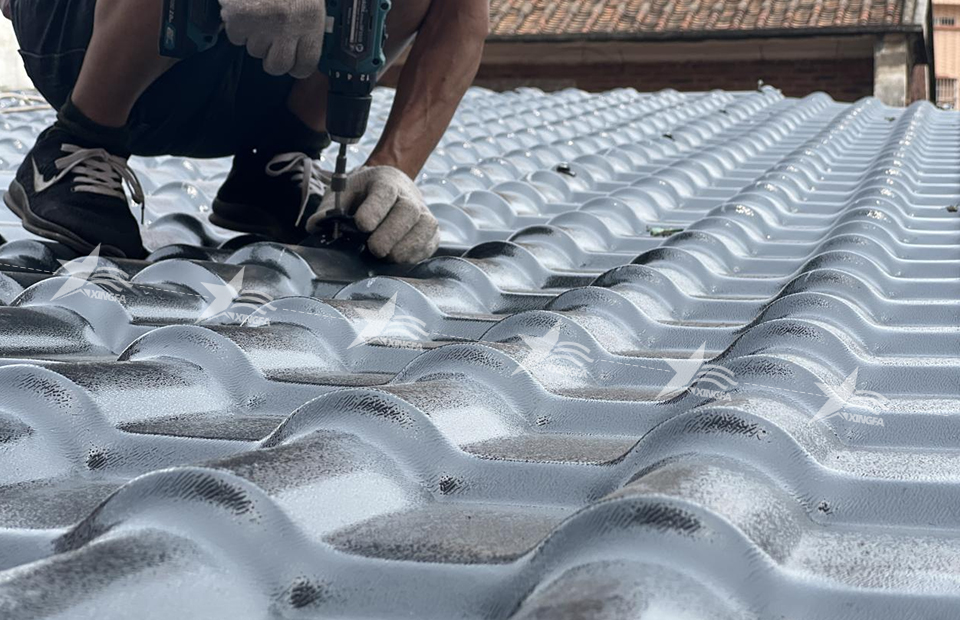
Synthetic resin tiles feature a non-porous, fully dense microstructure and zero water absorption—eliminating risks of moisture retention, re-wetting, or pore-related weathering. Manufactured as seamless, integrally molded units with precision-engineered interlocking profiles, they deliver lifelong waterproofing reliability. Provided installation complies with technical specifications and no deliberate physical damage occurs, the roof remains leak-free throughout its service life—further extending its effective functional lifespan through sustained performance stability.
5. Comparative Analysis of Post-Installation Maintenance Requirements and Overall Lifecycle Cost-Effectiveness
Traditional clay tile roofs entail labor-intensive, recurrent maintenance—including individual tile replacement, debris removal (e.g., leaves and silt), and periodic cleaning. Once significant weathering sets in, complete roof reconstruction becomes unavoidable, resulting in high cumulative lifecycle costs. Though perceived as “time-honored and enduring,” clay tiles in practice deliver short effective lifespans and demand frequent intervention. In contrast, synthetic resin tiles require virtually no maintenance: no repainting, no anti-corrosion treatment, and no routine repair interventions. Within their designated service life, they operate reliably with near-zero upkeep requirements. While synthetic resin tiles—like all polymeric materials—possess theoretical aging limits, their effective service life, performance stability window, and maintenance-free operational duration comprehensively surpass those of traditional clay tiles.
6. Conclusion
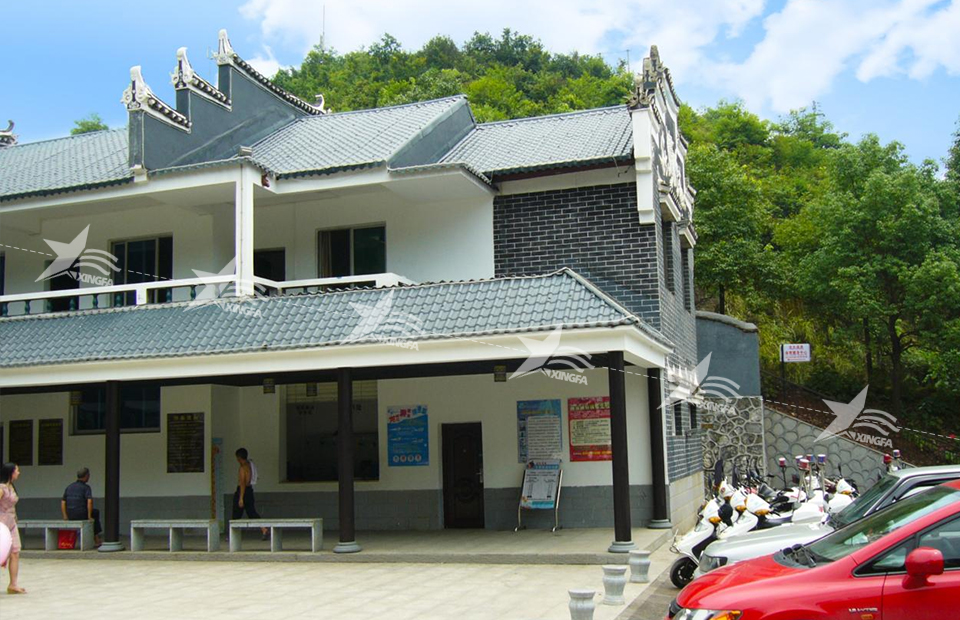
A comprehensive comparative assessment confirms that certified ASA-coated synthetic resin tiles deliver superior overall service life relative to conventional clay tiles. Although traditional clay tiles excel in hardness and fire resistance, their brittleness, susceptibility to weathering and mechanical damage, and rapid waterproofing degradation collectively restrict their stable, functional service life to approximately 10–15 years. By contrast, high-quality synthetic resin tiles combine exceptional weathering resistance, superior impact resilience, permanent waterproofing integrity, and robust structural durability—achieving a stable, reliable service life of 15–20 years or more. In contemporary residential construction, industrial facility upgrades, and roof renovation projects, synthetic resin tiles represent a high-durability, next-generation roofing solution—offering longer service life, greater operational stability, and significantly lower total cost of ownership than traditional clay tiles.