AR
AR  EN
EN  ES
ES  RU
RU PVC Roofing Sheets: Pricing Overview and a 2026 Procurement Guide — Key Factors Influencing Cost and Performance
PVC Roofing Sheets: A Professional Pricing and Procurement Guide
Are you struggling to balance cost and performance when procuring PVC roofing sheets?
In projects such as industrial plant retrofits, livestock greenhouse construction, and warehouse roof refurbishments, procurement professionals frequently face a classic dilemma: opting for low-cost PVC sheets carries risks—including premature fading, cracking, water leakage, corrosion, and noncompliance with fire safety regulations—potentially jeopardizing project acceptance. Conversely, high-performance products may appear prohibitively expensive, straining budget constraints. Unfortunately, many buyers focus solely on unit price, only to incur significantly higher long-term maintenance and replacement costs. This article presents a rigorous, professionally grounded framework for evaluating PVC roofing sheets—covering technical specifications, application requirements, and total cost of ownership—to support well-informed, strategic procurement decisions.
Ⅰ. Scientific Evaluation of PVC Roofing Sheets: Five Core Criteria for High-Performance Products
1. Fire Resistance: Compliance with Mandatory Safety Standards
Fire safety is a non-negotiable regulatory requirement for industrial plants, logistics warehouses, and livestock greenhouses. Premium-grade PVC roofing sheets must clearly indicate their certified fire classification and be independently verified by accredited testing institutions. At a minimum, they must meet the B1 classification (difficult-to-ignite), ensuring self-extinguishing behavior upon flame removal and effectively mitigating fire spread risk—thereby facilitating smooth fire safety inspections and project approval.
2. Weather and Corrosion Resistance: Performance Tailored to Application Environments
Industrial settings—including chemical manufacturing facilities, coastal installations, and livestock farms—are subject to aggressive environmental stressors. High-quality PVC roofing sheets employ precisely controlled filler ratios and incorporate UV stabilizers alongside acid- and alkali-resistant formulations. These materials undergo accelerated aging tests to ensure long-term structural integrity and functional stability under harsh conditions.
Specifically, in livestock farming environments—where ammonia gas concentrations are elevated—sheets must demonstrate exceptional resistance to ammonia-induced degradation to slow aging. In chemical processing applications, resistance to strong acids and alkalis is essential to prevent surface powdering, embrittlement, or cracking over extended service life.
3. Installation Flexibility and Structural Toughness: Enhancing Efficiency and Reducing Waste Superior
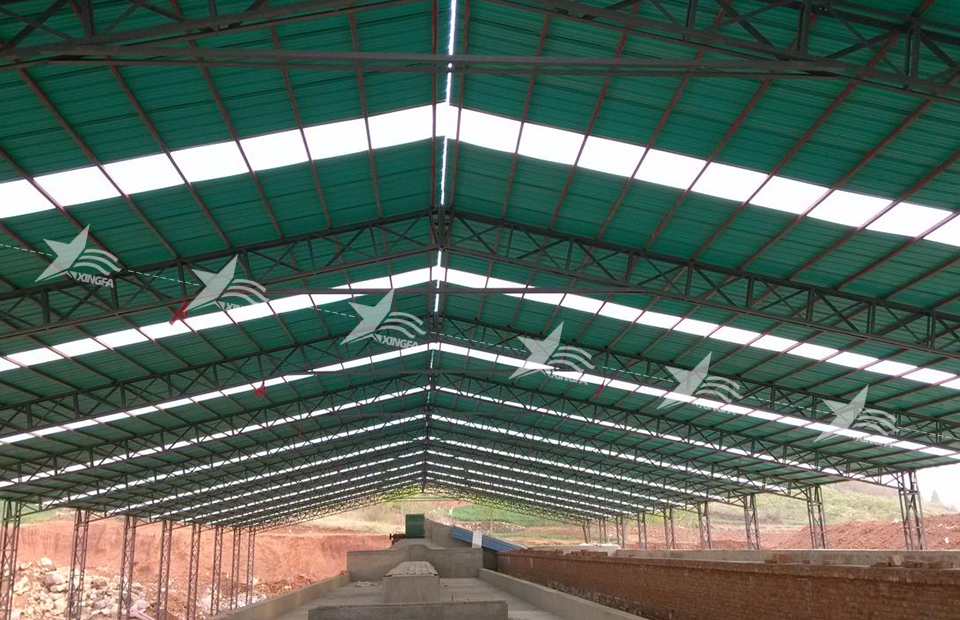
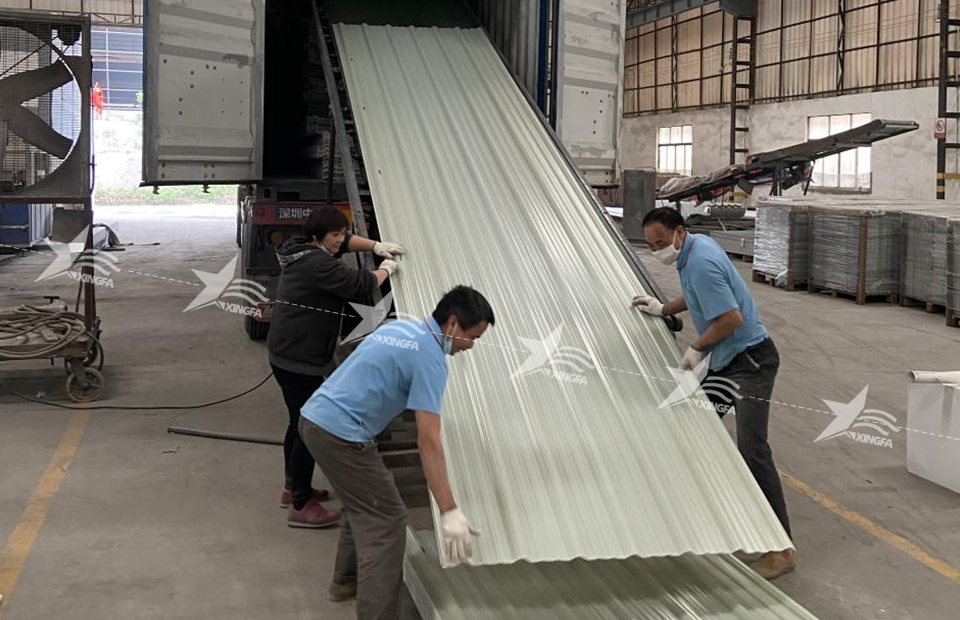
PVC roofing sheets achieve an optimal balance between fire resistance and mechanical toughness. They withstand direct fastening without cracking, maintain clean edges during cutting, and allow cold-forming for curved or irregular roof profiles. Certain premium products feature integrated installation markings—enabling faster, more accurate placement, reducing labor time, minimizing material waste, and shortening overall project timelines.
4. Thermal Insulation Performance: Supporting Energy Efficiency Goals
The thermal insulation capability of PVC roofing sheets directly influences interior ambient temperature and energy consumption. High-performance variants either utilize engineered hollow-core or multi-layer structures—or leverage the inherently low thermal conductivity of premium PVC compounds—to deliver effective heat barrier properties. When properly installed, such sheets can reduce indoor temperatures by 10–15°C, substantially lowering air-conditioning demand and delivering measurable energy savings.
5. Value-Based Pricing: Assessing Total Cost of Ownership Against Specifications and Performance
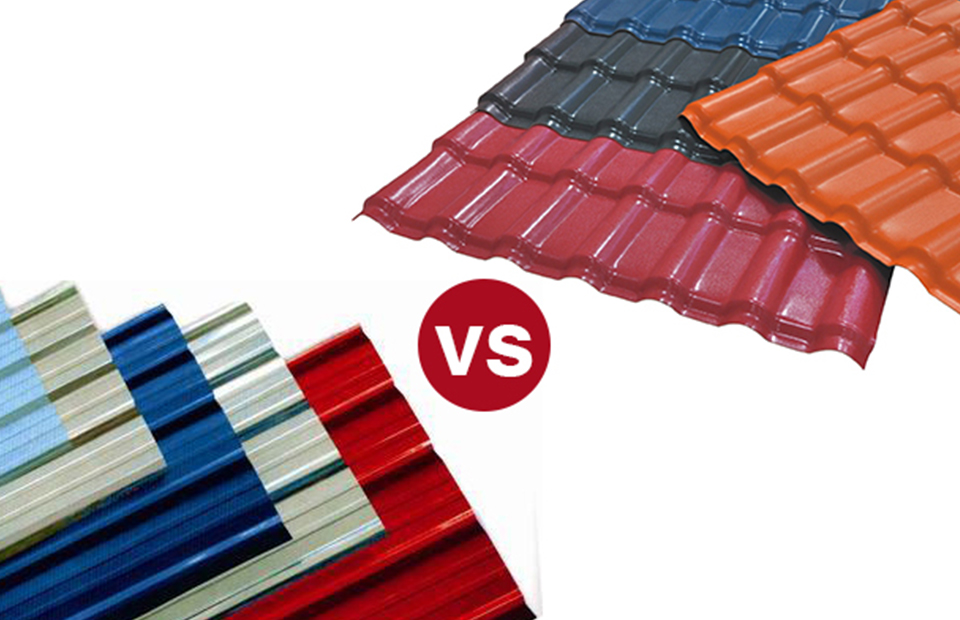
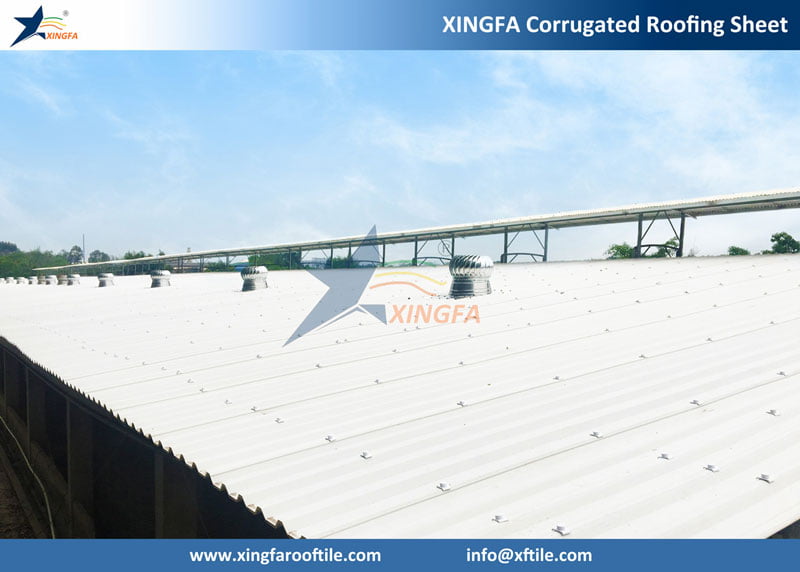
PVC roofing sheet pricing varies according to thickness, profile type (e.g., corrugated vs. flat), and performance-enhancing features. Typical market ranges are approximately ¥30–¥60 per square meter for corrugated profiles; flat-profile pricing fluctuates with thickness. For roofing applications, additional critical considerations include waterproofing reliability and wind uplift resistance. Relying exclusively on unit price is misleading—true value assessment requires evaluating lifecycle cost, including installation, maintenance, durability, and energy efficiency benefits.
Ⅱ. Three Critical Procurement Pitfalls to Avoid
Misconception #1: Prioritizing Lowest Unit Price Without Accounting for Long-Term Total Cost
Many buyers compare only per-square-meter quotations, selecting the most economical option without due diligence. However, ultra-low-cost products often contain excessive recycled content and >50% calcium carbonate filler, resulting in service lives of merely 2–3 years. Frequent re-roofing not only inflates cumulative expenditure—by over 40% compared to premium alternatives—but also introduces operational disruptions, water infiltration risks, and potential safety hazards—ultimately increasing total project investment.
Misconception #2: Overlooking Verified Fire Classification—Compromising Regulatory Compliance and Safety
Some suppliers ambiguously label products as “flame-retardant” without specifying formal classification. In reality, certain offerings meet only the B2 (combustible) standard—or fall below it—rendering them noncompliant with fire codes for industrial and storage facilities. Such nonconformity may trigger costly rework, regulatory penalties, delayed occupancy, and, in worst-case scenarios, serious fire incidents. Always require suppliers to furnish valid, third-party fire test reports and explicitly confirm compliance with the required B1 classification.
Misconception #3: Neglecting Material Environmental Safety—Endangering Occupant and Animal Health Substandard
PVC roofing sheets manufactured from unverified recycled feedstocks may emit volatile organic compounds (VOCs) and other hazardous substances—particularly under elevated temperatures or in enclosed spaces. In sealed industrial workshops or livestock barns, such emissions pose documented health risks to personnel and adverse effects on animal growth and welfare. In contrast, certified high-grade products use virgin, eco-compliant raw materials that conform strictly to national environmental standards (e.g., GB/T 21088, GB 18580), ensuring zero harmful off-gassing and safe, sustainable operation.

III. An Exemplary PVC Roofing Tile That Meets All Key Selection Criteria
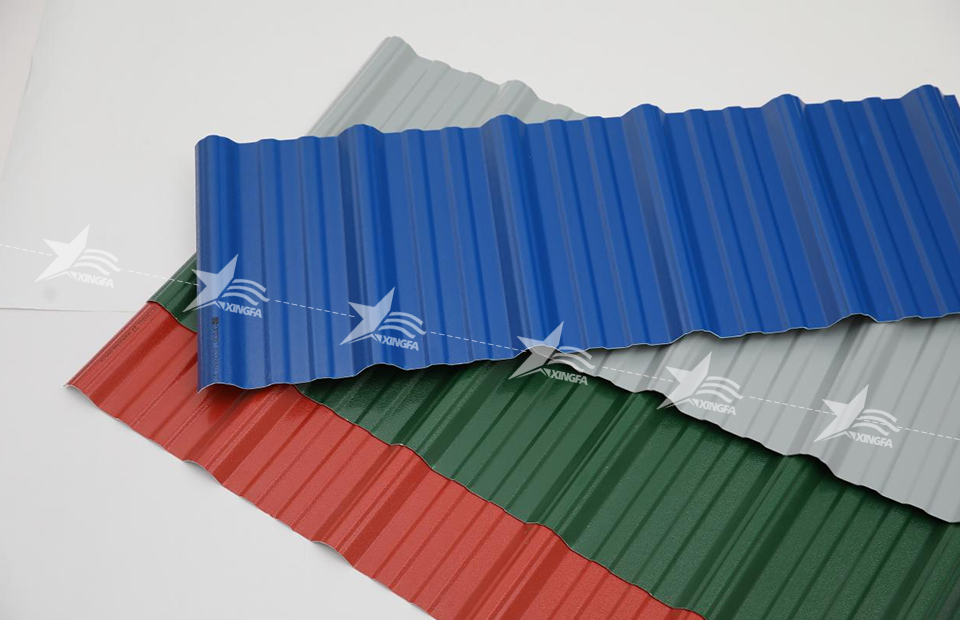
What, then, does an ideal PVC roofing tile—fully compliant with all the aforementioned selection criteria—look like? Take Xingfa Brand PVC Roofing Tiles as a representative example: they comprehensively satisfy all core requirements outlined above and deliver proven, turnkey solutions across diverse application scenarios.
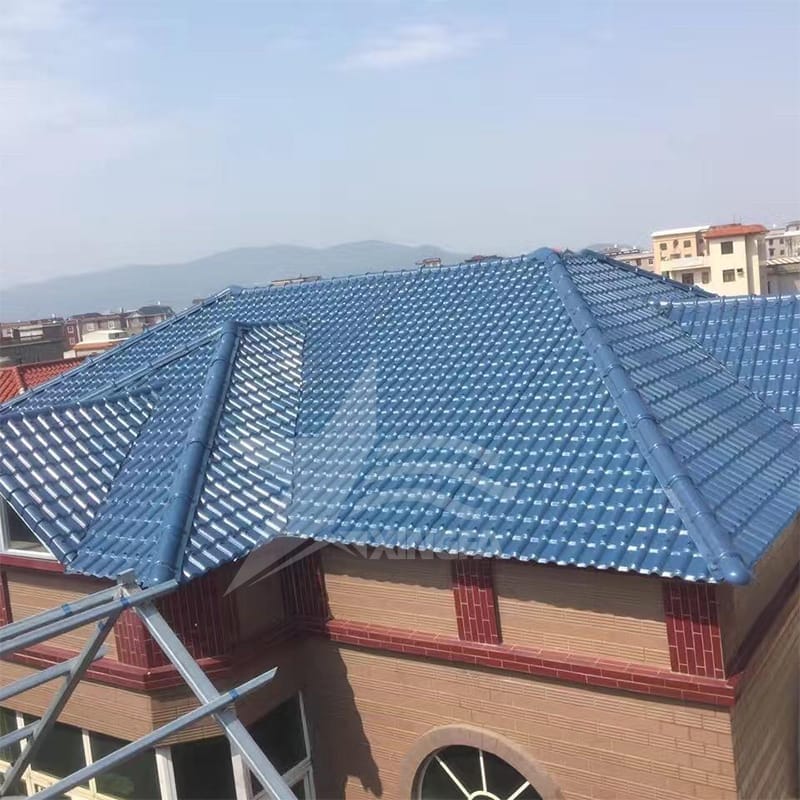
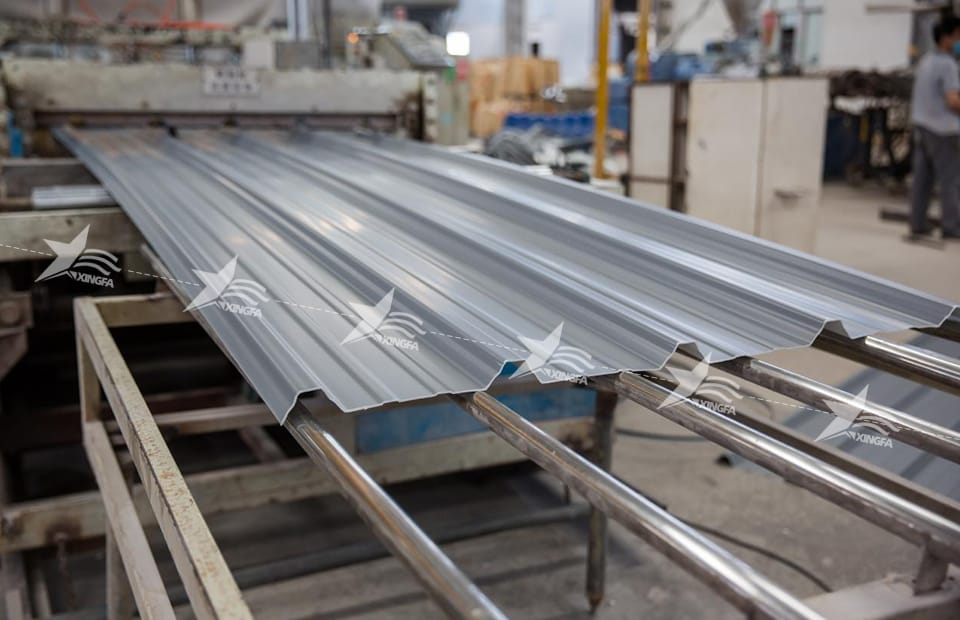
Xingfa PVC roofing tiles utilize food-grade virgin PVC resin as the base material. Through optimized formulation, they achieve B1-class fire retardancy—certified by national-level fire safety testing—and fully comply with fire inspection and acceptance requirements for all types of construction projects. Calcium carbonate filler content is strictly controlled at ≤30%, while UV stabilizers and acid-alkali resistant additives are incorporated to ensure a service life exceeding 15 years—even under severe conditions such as chemical corrosion or high-salinity coastal environments. A scientifically engineered flexible compound maintains an impact strength of 8 MPa, enabling nail installation without cracking and clean cutting without chipping. Integrated interlocking alignment markings on the tile surface enhance installation efficiency by 20% compared to industry averages, reducing labor costs by approximately 15%. Certain hollow-core insulating variants deliver roof surface temperature differentials of 10–15°C, lowering air-conditioning energy consumption in industrial facilities by 20–30%—a demonstrable and significant energy-saving benefit. With a lightweight design (3.5–5.5 kg/m²), these tiles withstand typhoon-force winds up to Category 12, thereby reducing structural load requirements and lowering main building framework costs by roughly 10%.
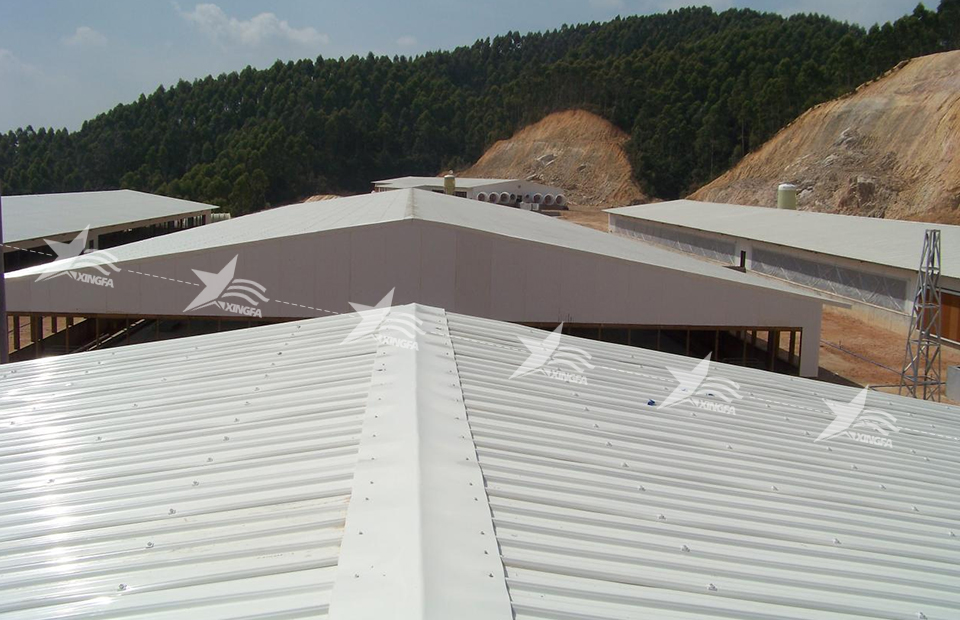
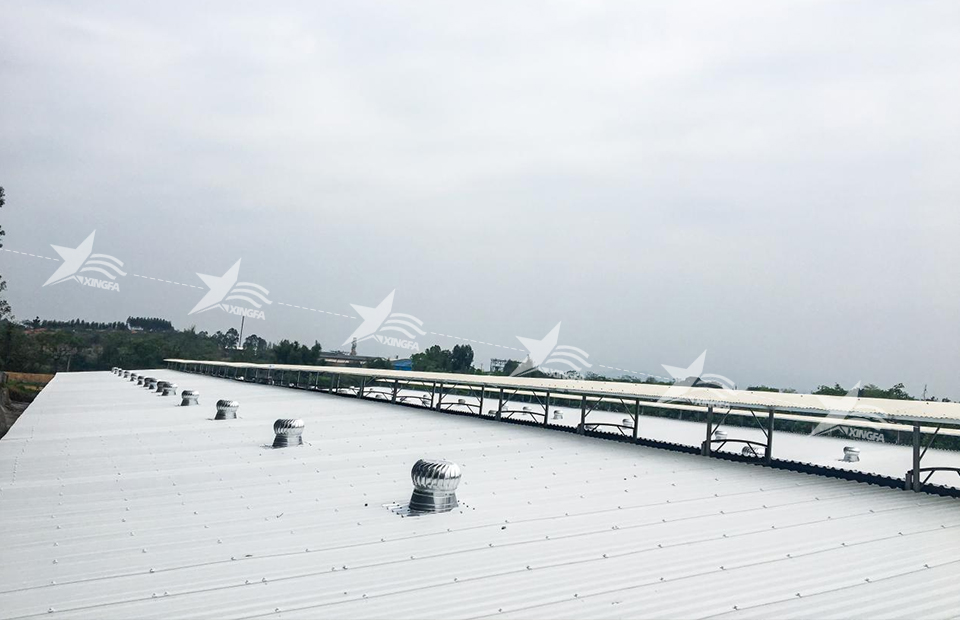
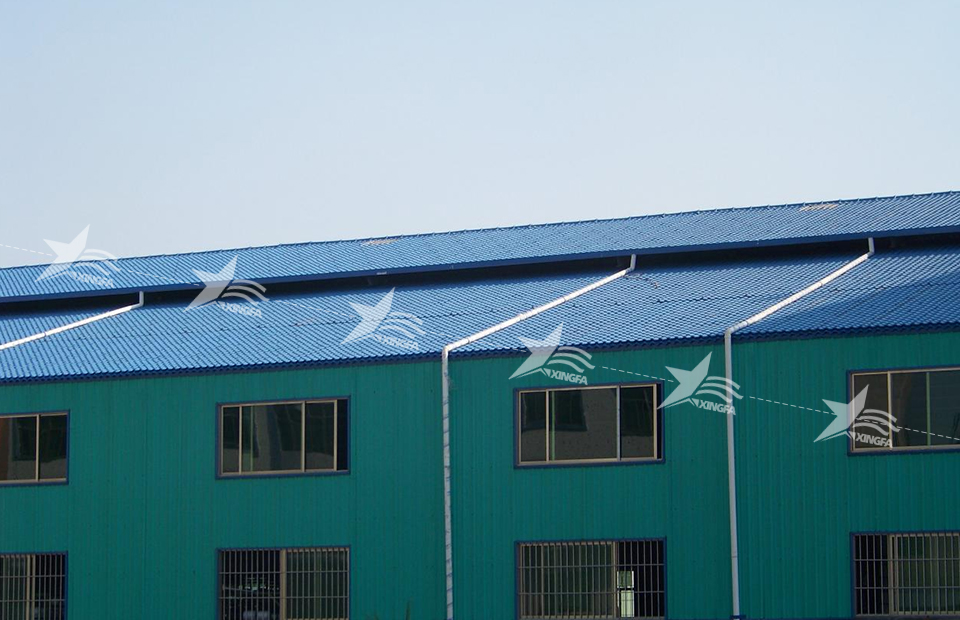
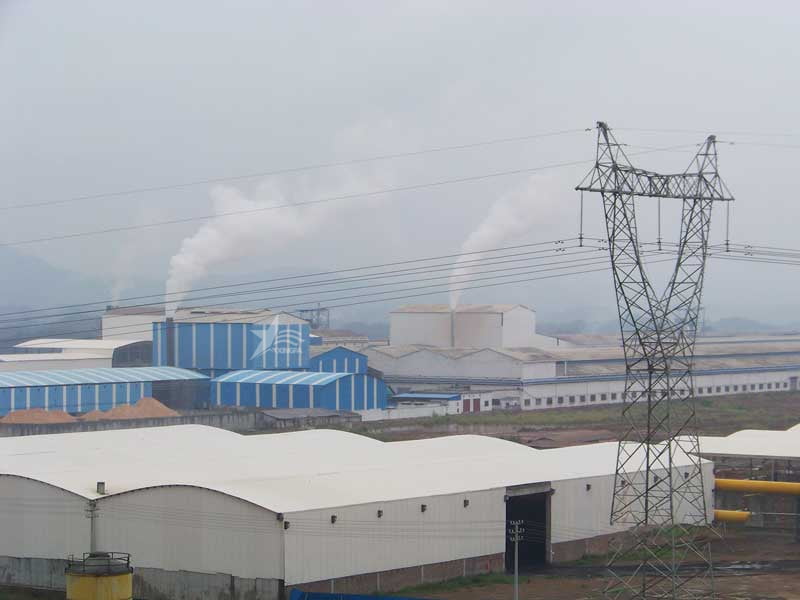
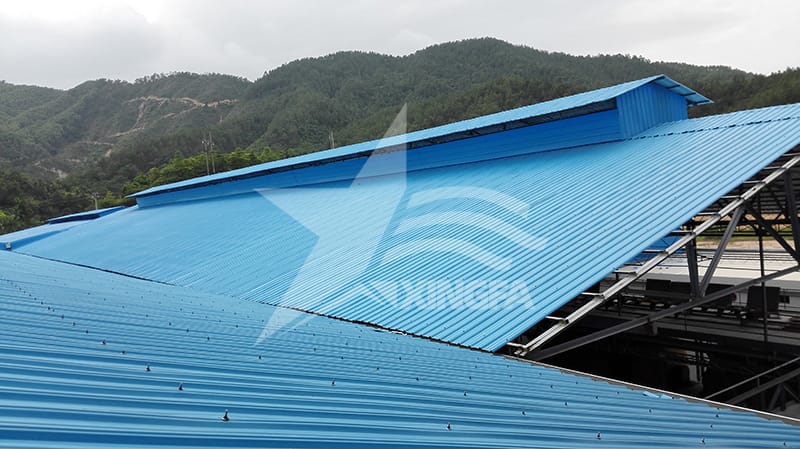
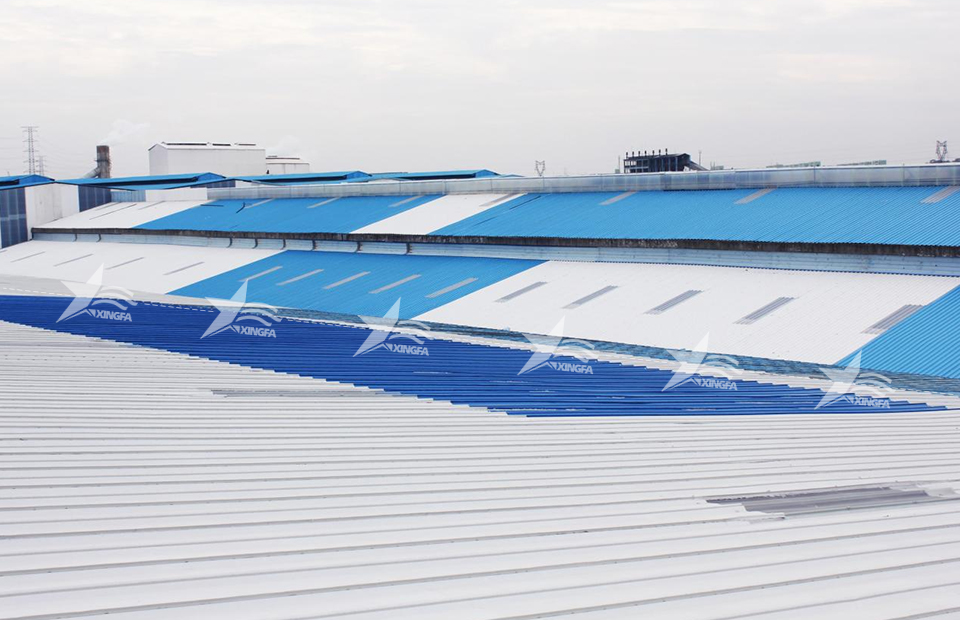
In a 12,000 m² warehouse retrofit project at a ceramic manufacturing plant in Foshan, Xingfa’s blue PVC roofing tiles successfully resolved multiple longstanding issues associated with the original color-coated steel sheets—including rust-induced leakage, excessive indoor temperatures, and noncompliance with fire safety standards. Post-retrofit, warehouse interior temperatures remained consistently below 33°C; annual maintenance costs dropped sharply from ¥120,000 to ¥12,000; fire inspection clearance was achieved smoothly; and annual operational savings reached approximately ¥100,000. After five years of continuous service, no discoloration or cracking has been observed.
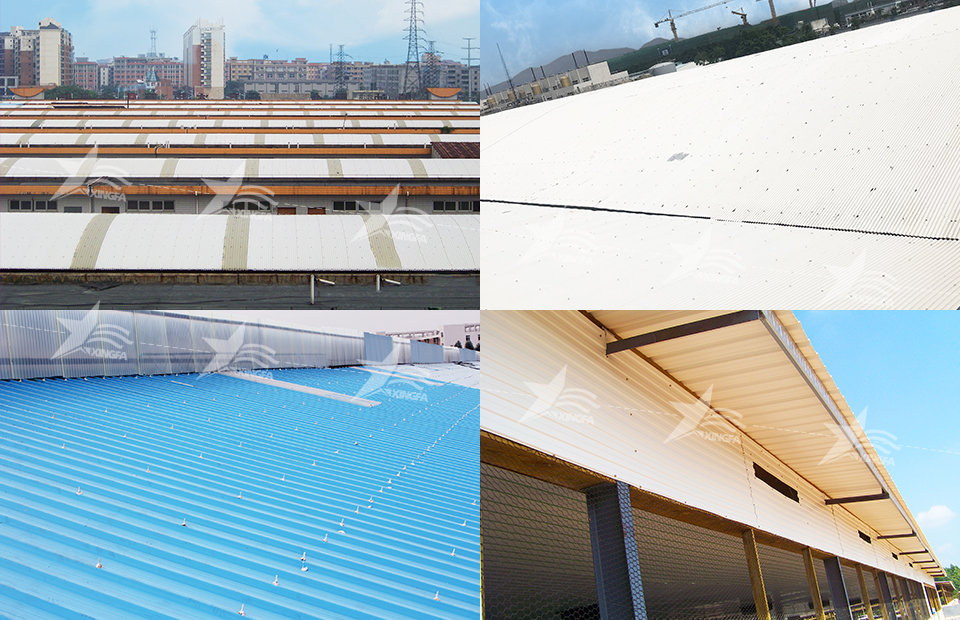
Pricing for Xingfa PVC roofing tiles varies according to thickness and profile, ranging from ¥34 to ¥68 per square meter. Available profiles include corrugated, flat, and trapezoidal designs, with thickness options spanning 1.5 mm to 3.0 mm. Leveraging a factory-direct sales model eliminates intermediaries, ensuring both performance integrity and exceptional value-for-money.
Ⅳ. Conclusion: A Practical Action Guide for Selecting PVC Roofing Sheets
- First, clearly define your specific application context and prioritize your core functional requirements—fire resistance, corrosion resistance, and thermal insulation.
- Avoid overemphasizing unit-area price alone; instead, conduct a holistic lifecycle cost analysis—including installation, maintenance, energy savings, and service life—to assess true economic value.
- Verify authoritative third-party test reports and certifications, particularly for fire rating (e.g., B1 classification) and environmental compliance (e.g., VOC emissions, heavy metal content).
- Select the optimal profile and thickness based on your project’s waterproofing performance, wind-resistance class, and structural compatibility requirements.
- The final decision rests with you. We hope this guide clarifies the essential logic behind PVC roofing tile selection—empowering you to identify a genuinely high-performance, cost-effective solution. Established manufacturers such as Foshan Chancheng Xingfa Tile Industry Co., Ltd.—with over two decades of specialized expertise in the sector—are well-positioned to offer application-tailored products and integrated technical support, making them worthy of in-depth evaluation.