AR
AR  EN
EN  ES
ES  RU
RU In-Depth Analysis of Synthetic Resin Roof Tile Lifespan: Key Influencing Factors and Selection Guidelines
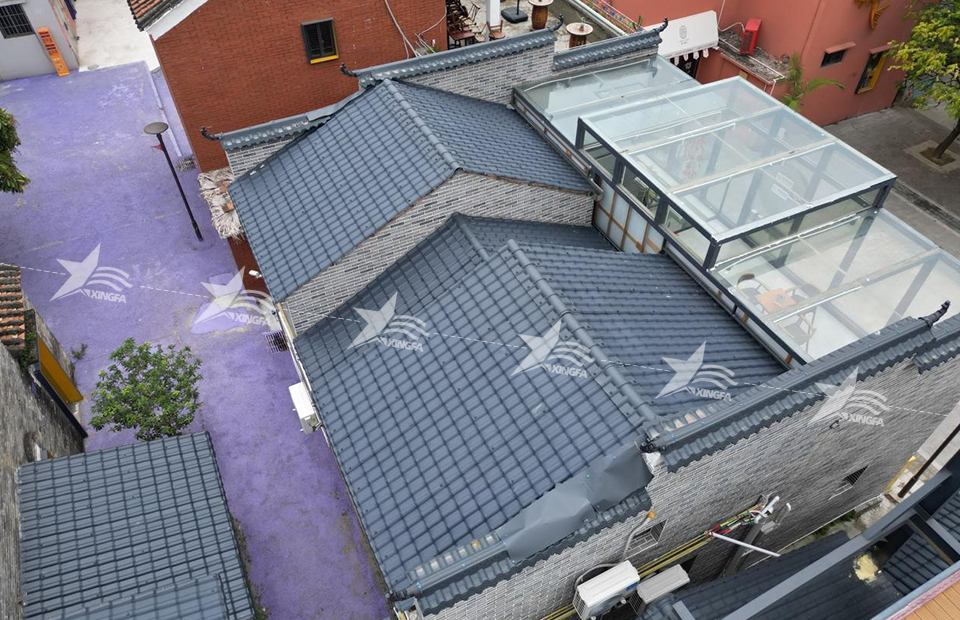
What Is the Lifespan of Synthetic Resin Roof Tiles—and Why Does It Matter?
Synthetic resin roof tiles are a new generation of eco-friendly roofing materials. Their lifespan refers to the total duration during which the tiles—when exposed to outdoor conditions—maintain core performance parameters, including mechanical strength, color stability, and waterproofing integrity. Compared with traditional clay tiles and color-coated steel sheets, synthetic resin tiles exhibit superior weather resistance and a significantly longer theoretical service life, effectively addressing the longstanding issues of corrosion susceptibility and frequent replacement associated with conventional roofing materials. Therefore, a clear understanding of the critical factors influencing tile lifespan is essential for informed roofing material selection and for optimizing long-term operational cost efficiency.
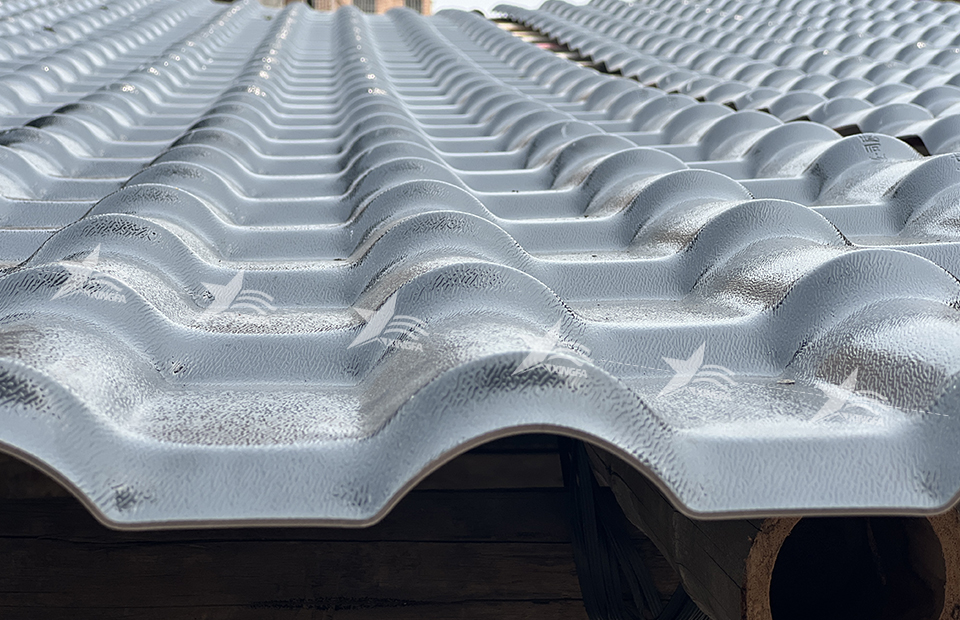
Core Mechanisms Affecting the Lifespan of Synthetic Resin Roof Tiles High-quality synthetic resin roof tiles typically feature a dual-layer “substrate + co-extruded surface layer” structure: the substrate provides structural rigidity and load-bearing capacity, while the surface layer—composed of ASA (acrylonitrile–styrene–acrylic ester terpolymer)—serves as the primary defense against environmental degradation. Fundamentally, tile lifespan reflects the differential rate at which the polymer matrix undergoes aging and degradation under external environmental stressors. These influences can be broadly categorized into two interrelated domains: intrinsic material properties and extrinsic environmental conditions.
Foundational Influence of Material Composition and Manufacturing Quality
Raw material selection and production processes constitute the fundamental determinants of tile longevity. Products manufactured exclusively from virgin (non-recycled) polymer resins possess more stable molecular structures, delivering a service life two to three times longer than those made from recycled feedstock. Moreover, the thickness of the ASA co-extruded surface layer directly governs ultraviolet (UV) resistance: tiles with an ASA layer thinner than 0.1 mm typically begin to fade and chalk within 3–5 years; in contrast, those with a minimum ASA thickness of ≥0.3 mm demonstrate robust, long-term protection against UV-induced degradation.
Mechanistic Impact of External Environmental Factors
Environmental conditions exert distinct, quantifiable effects on tile durability. The principal stressors are detailed below:
Ultraviolet (UV) Radiation: As the primary driver of polymer photo-oxidation, UV radiation cleaves molecular chains in the resin matrix, leading to surface chalking, color fading, and micro-cracking. A high-performance ASA surface layer effectively blocks >99% of harmful UV rays, substantially retarding photodegradation.
Extreme Temperatures: Elevated temperatures accelerate thermal aging, particularly under combined high-temperature–high-humidity conditions, which may compromise interlayer adhesion. Conversely, low temperatures reduce polymer ductility and impact resistance; repeated freeze–thaw cycles further exacerbate microstructural fatigue and embrittlement.
Rainfall and High Humidity: While premium-grade resin tiles exhibit excellent short-term water resistance—remaining unaffected by transient rain exposure—prolonged exposure to high-humidity or high-salinity environments gradually degrades substandard materials, thereby shortening functional lifespan.
Typhoons and Hail: Sustained high winds impose continuous tensile stress on tile fastenings and substrate integrity, whereas hail impacts deliver localized mechanical shock. Tiles lacking adequate flexural strength or impact resistance are prone to cracking, delamination, or displacement—compromising both safety and longevity.
Chemical Corrosion: Acidic or alkaline gaseous emissions—common near chemical plants or livestock farms—as well as coastal salt-laden aerosols, can chemically attack inferior resin formulations, disrupting molecular integrity and drastically reducing service life.
Lifespan Advantages and Practical Challenges Relative to Traditional Roofing Materials
Compared with conventional roofing systems, synthetic resin tiles offer compelling lifecycle advantages—yet their real-world performance remains contingent upon product quality:
Lifespan Advantages: Conventional color-coated steel sheets typically last only 5–10 years before rusting necessitates replacement; clay tiles endure 10–15 years but suffer from excessive weight, poor thermal insulation, and inherent leakage risks. By contrast, high-specification synthetic resin tiles achieve verified service lives of 20–30+ years, with negligible maintenance requirements—resulting in markedly lower total cost of ownership over the full asset lifecycle.
Current Challenges: A segment of the market offers substandard products fabricated from recycled polymers and deliberately reduced ASA layer thicknesses—cost-cutting measures that severely compromise durability. Under harsh environmental conditions, such tiles often exhibit significant performance deterioration within just 3–5 years, misleading end users. Consequently, selecting certified, high-fidelity products remains the indispensable prerequisite for achieving extended service life.
Regional Performance Variations Across Climatic Zones
Tile longevity exhibits pronounced geographic variability, reflecting local climatic severity:
High-Temperature–High-Humidity Coastal Regions: In southern China’s coastal zones—characterized by intense heat, persistent humidity, and aggressive salt fog—premium resin tiles reliably maintain functionality for over 20 years. In contrast, low-tier alternatives frequently display visible fading and water infiltration within five years.
Cold–Snowy Regions: Northern regions subject tiles to prolonged subzero temperatures, heavy snow loads, and frequent freeze–thaw cycling. Properly engineered resin tiles—meeting stringent low-temperature impact and compressive strength standards—demonstrate exceptional resilience and long-term dimensional stability under these demanding conditions.
Corrosive Environments: Facilities such as chemical processing plants and intensive livestock operations generate highly corrosive airborne compounds. Specialized corrosion-resistant resin tiles—formulated with enhanced chemical inertness—deliver stable, trouble-free operation for 15+ years, vastly outperforming standard color-coated steel sheets, whose effective lifespan in such settings rarely exceeds 1–2 years.
Technical Implementation and Future Outlook: Strategies for Maximizing Service Life
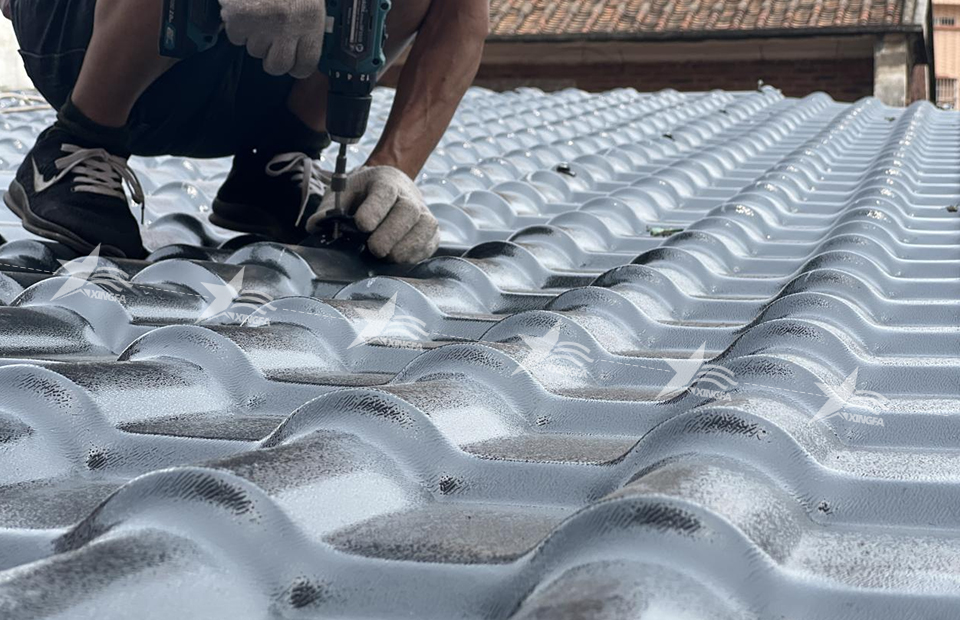
Translating scientific understanding of resin tile aging mechanisms into reliable, long-life roofing solutions requires both rigorously validated products and mature, field-proven manufacturing technologies. Foshan Shifat Ceramics Co., Ltd.—a Guangdong-based enterprise with 21 years of specialized expertise in synthetic roofing systems—exemplifies this integrated approach through its flagship “Xingfa” brand synthetic resin roof tiles.
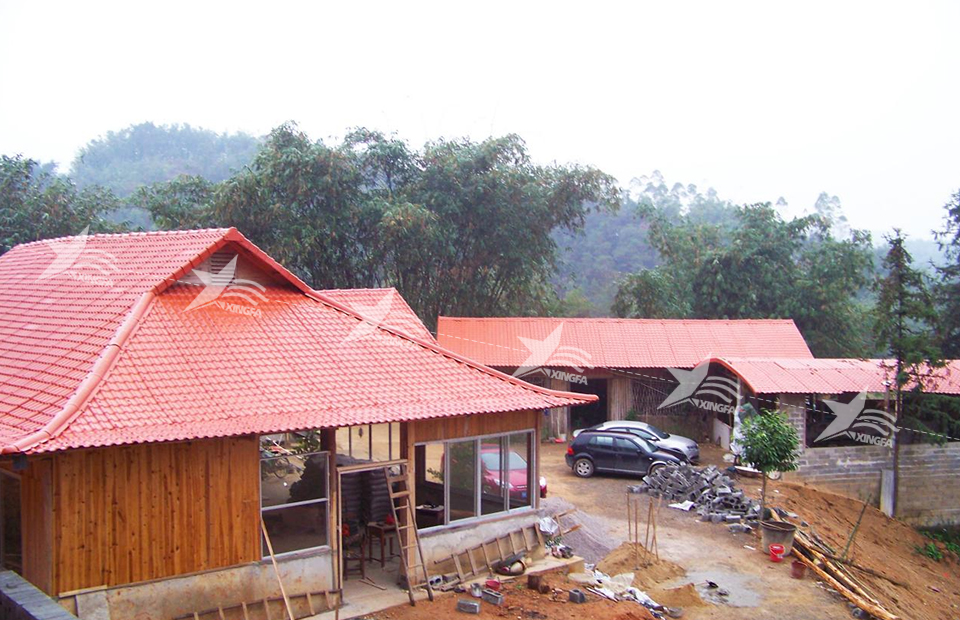
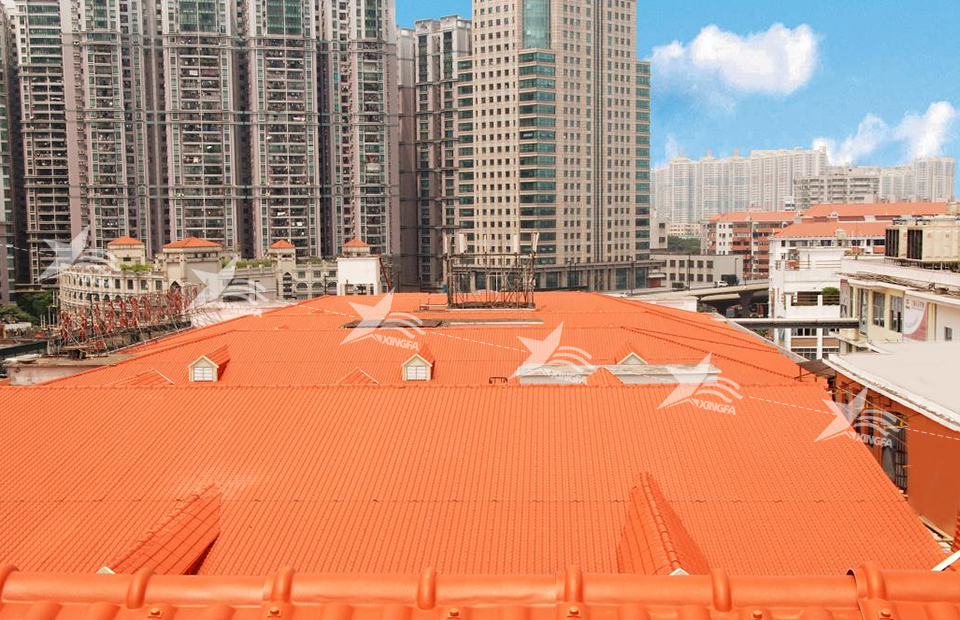
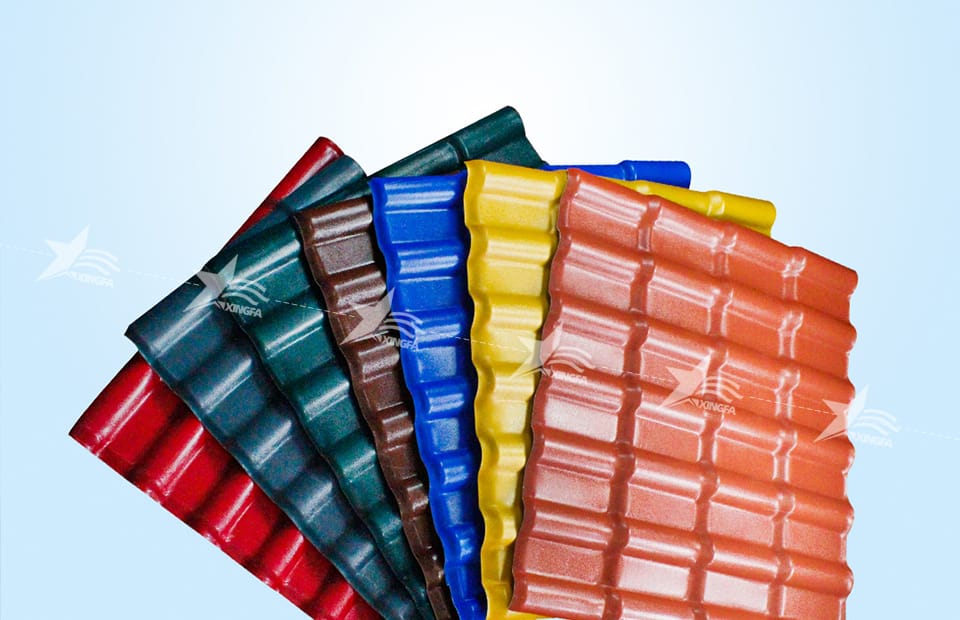
These tiles employ a proprietary formulation comprising 100% virgin PVC substrate and a co-extruded ASA surface layer ≥0.3 mm thick, augmented by a “Triple-Protection” additive system and proprietary “Color-Lock” pigment stabilization technology. Independent testing confirms outstanding weathering resistance: in industrial corrosion zones and coastal high-salt environments, Xingfa tiles retain original color and surface integrity for over 15 years without chalking or fading. Backed by a comprehensive 35-year limited warranty, the product has been successfully deployed in landmark projects—including the Guangzhou Asian Games infrastructure and post-disaster reconstruction initiatives in Sichuan Province.
Looking ahead, continued optimization of resin formulations, co-extrusion precision, and surface-modification techniques will further enhance weather resistance and extend service life. Coupled with emerging integrations—such as building-integrated photovoltaics (BIPV)—next-generation resin roofing systems will deliver increasingly durable, energy-efficient, and environmentally sustainable solutions across diverse architectural applications, propelling the construction materials industry toward higher standards of quality, reliability, and sustainability.