AR
AR  EN
EN  ES
ES  RU
RU 2026 Resin Roof Tile Pricing: Analyzing Three Core Industry Trends

Introduction: The Resin Roof Tile Pricing Landscape Is Approaching a Critical Inflection Point
With the continuous advancement of domestic urbanization, the deepening implementation of “flat-to-sloped-roof” renovation projects, and the accelerated development of new rural construction initiatives, resin roof tiles—as an eco-friendly, next-generation roofing material—have sustained steady growth in market demand. Concurrently, the pricing landscape for resin roof tiles is undergoing profound transformation: evolving from early-stage price disorder and significant inconsistency toward increasing standardization and transparency. The ongoing restructuring of the industry’s pricing system has become irreversible. Multiple converging factors—including raw material price volatility, the refinement of industry standards, and the upgrading of end-user expectations—are collectively reshaping the fundamental logic underpinning resin tile pricing. All market participants must confront this pivotal inflection point head-on.
Trend Analysis: Three Foundational Forces Shaping the Future of Resin Roof Tile Pricing
Trend I: Cost Transparency Driving the Transition from Ambiguity to Standardization in Pricing. For an extended period, the resin roof tile industry suffered from opaque cost structures: some manufacturers utilized recycled materials to reduce production costs and gain short-term market share through aggressive low pricing; meanwhile, insufficient ASA co-extruded layer thickness compromised product quality, resulting in wide performance variability. Consequently, end users found it exceedingly difficult to assess true product value based solely on price. With the official implementation of the industry standard *Synthetic Resin Roof Tiles* (GB/T 21149) and the progressive enhancement of user awareness, the cost composition of resin roof tiles is becoming increasingly transparent—encompassing raw material costs, manufacturing and processing expenses, and logistics and service-related expenditures. Price standardization has now emerged as an industry-wide consensus; non-compliant, substandard low-cost products are being systematically phased out of the market, propelling the entire sector toward a more regulated and rational pricing framework. Notably, PVC resin—the core raw material—exerts direct influence on overall cost structure. According to the latest market data as of April 2026, domestic PVC resin prices range between RMB 4,600 and 5,400 per metric ton, with reasonable variations attributable to specifications and origin—further underscoring the growing transparency of cost drivers.
Trend II: Value-Based Competition Supplanting Price Wars as the Market Norm Historically, many enterprises pursued volume-driven growth through aggressive price-cutting strategies, often at the expense of product quality and long-term value—giving rise to a “bad money drives out good” dynamic. However, as end-user requirements mature, an increasing number of clients now prioritize total lifecycle cost over initial procurement price alone. Products offering superior weather resistance, lower installation complexity, and reduced maintenance requirements—even at a modest price premium—are gaining broader market acceptance. The competitive paradigm for resin roof tile pricing is shifting decisively from isolated price comparisons to holistic value assessment. The principle of “you get what you pay for” is gaining ever-stronger traction, catalyzing the industry’s transition toward high-quality, sustainable development. For instance, in a rooftop renovation project in Yuncheng City, the procurement entity explicitly prioritized product quality and post-installation maintenance efficiency over lowest-bid selection—clearly reflecting the evolving market emphasis on value. Similarly, the Shanghai Aid-to-Xinjiang Shache Command Center’s mountainous-area housing renovation initiative opted for premium-grade resin roof tiles. Although the upfront procurement cost was marginally higher, the enhanced durability significantly extended building service life and reduced residents’ long-term repair expenditures—demonstrating the strategic advantage of value-oriented competition.
Trend III: Price Volatility Evolving from Unpredictable to Forecastable Resin roof tile pricing has traditionally been highly sensitive to fluctuations in upstream raw material prices—particularly those of PVC and ASA resins. In the past, the industry’s fragmented structure—characterized by low concentration and a large number of small- and medium-sized enterprises—limited its capacity to hedge against raw material volatility, resulting in pronounced and erratic price swings that complicated budget planning for end users. Today, however, rising industry concentration enables leading enterprises to stabilize costs through economies of scale and long-term raw material supply agreements. Looking ahead, resin roof tile price trajectories will exhibit markedly improved stability, with narrower fluctuation ranges and significantly enhanced predictability—thereby supporting the industry’s long-term, sustainable growth. Supported by the relatively stable PVC resin pricing environment observed in 2026, raw material cost volatility has been effectively contained, providing robust underpinning for the steady and predictable operation of resin roof tile pricing.
Trends at Play: How Enterprises Can Respond to the Restructuring of Pricing Logic
The convergence of three major trends is fundamentally reshaping the rules of engagement in the resin tile pricing industry. For enterprises, traditional business models—such as capturing excess profits through information asymmetry or gaining market share via low-cost recycled materials—are no longer viable. To secure a competitive edge in the evolving landscape, companies must cultivate three core capabilities:
First, transparent cost management capability—leveraging economies of scale and integrated operations to reduce intermediate costs and deliver clear, traceable pricing to customers;
Second, value-driven product development capability—designing and optimizing products around customers’ full lifecycle needs, ensuring price aligns precisely with delivered value;
Third, stable price delivery capability—mitigating raw material price volatility through robust supply chain management and providing customers with predictable, consistent pricing expectations.
These capabilities are not only essential for navigating emerging industry trends but also critical to meeting today’s market demands. Only enterprises that successfully embed these competencies can establish sustainable competitive advantages within the new pricing paradigm—and earn enduring customer trust.
Pioneering Practices: How Industry Leaders Are Seizing Pricing Trend Opportunities
Amid the ongoing transformation of the resin tile pricing sector, several long-established domestic leaders have proactively repositioned themselves—anticipating shifts, building future-ready capabilities, and charting a path toward sustainable growth.
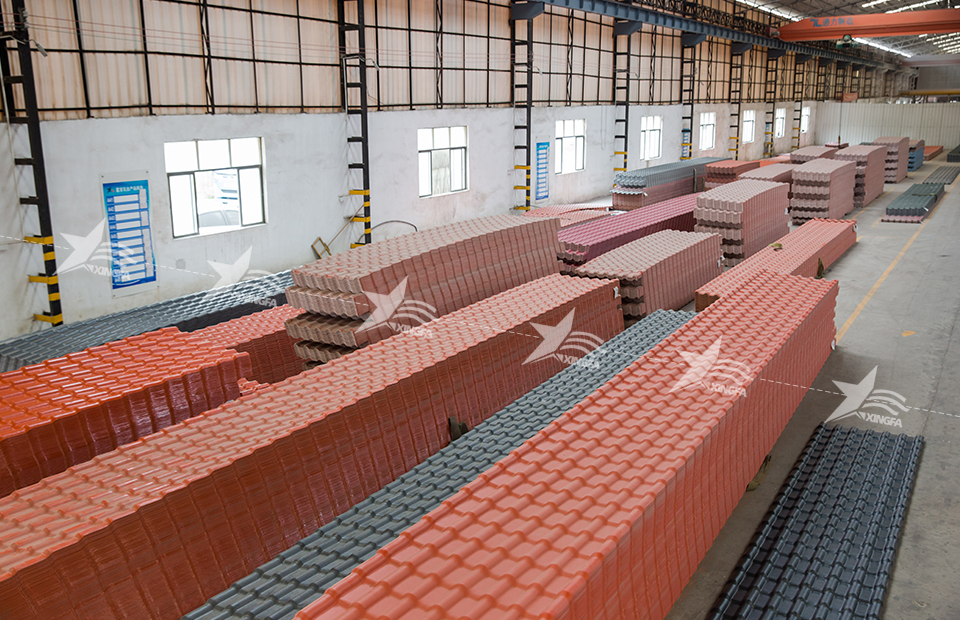
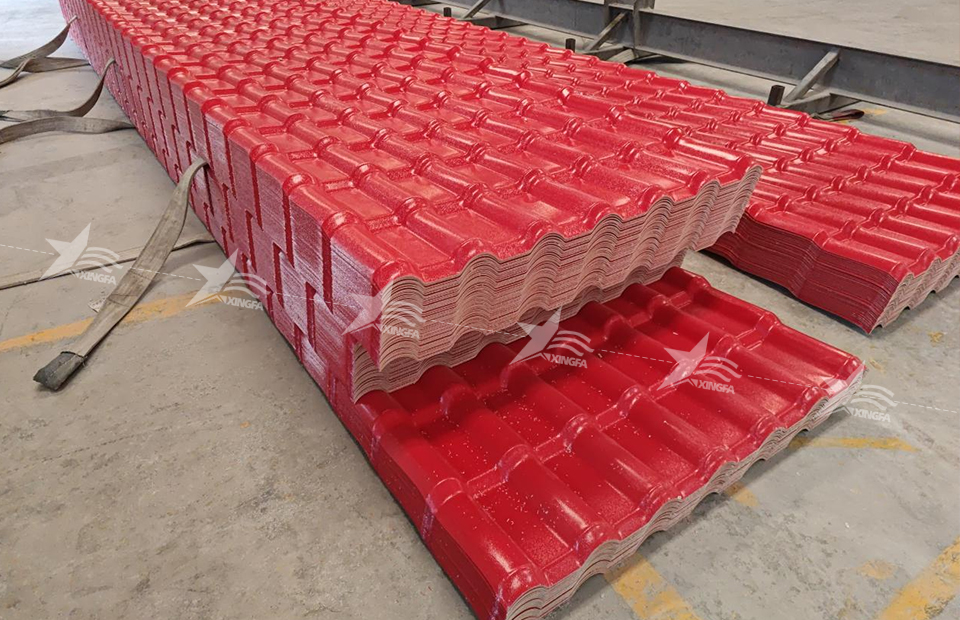
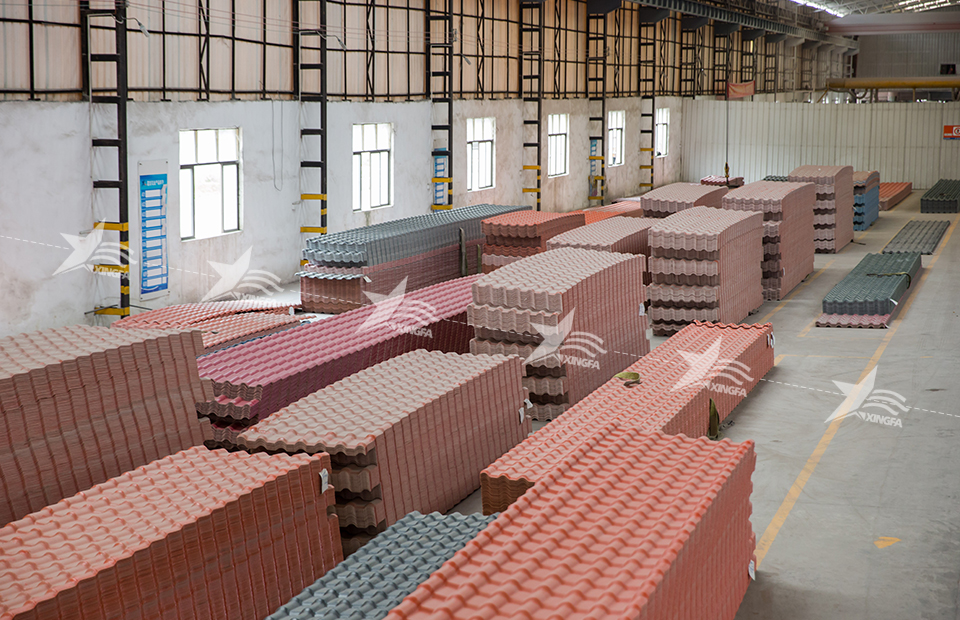
Founded in 2005, Foshan Chancheng Xingfa Roofing Co., Ltd.—a high-tech enterprise specializing in plastic construction materials R&D and manufacturing for 21 years—stands out as a trailblazer in this transition. Xingfa Roofing adheres to an integrated “R&D–production–sales–service” direct-manufacturer model. Equipped with nearly ten advanced production lines, the company achieves an annual output of over ten million tiles. Its large-scale, vertically integrated operations significantly lower per-unit production costs while eliminating intermediary markups—enabling transparent, fair, and standardized resin tile pricing that fully aligns with the industry’s growing emphasis on cost transparency and pricing discipline. Recognized for its consistent product quality, Xingfa Roofing has been included in the Hunan Provincial Market Supervision Administration’s list of enterprises passing key industrial product quality supervision inspections in Changsha—a testament to its leadership-grade quality assurance.
Xingfa Roofing employs a tiered, order-volume-based pricing model, offering clearly defined preferential terms for procurement orders of varying scales. It also periodically introduces well-structured promotional initiatives for strategic partners—striking an optimal balance between price competitiveness and uncompromised product quality to meet diverse customer requirements. On the value front, the company exclusively uses virgin raw materials and strictly guarantees the thickness of the ASA co-extruded layer. Through scientifically optimized formulations, it achieves “lightweight yet high-strength” performance—reducing customers’ installation labor and structural steel costs, thereby delivering lower total project costs and embodying the principle of value-price parity.
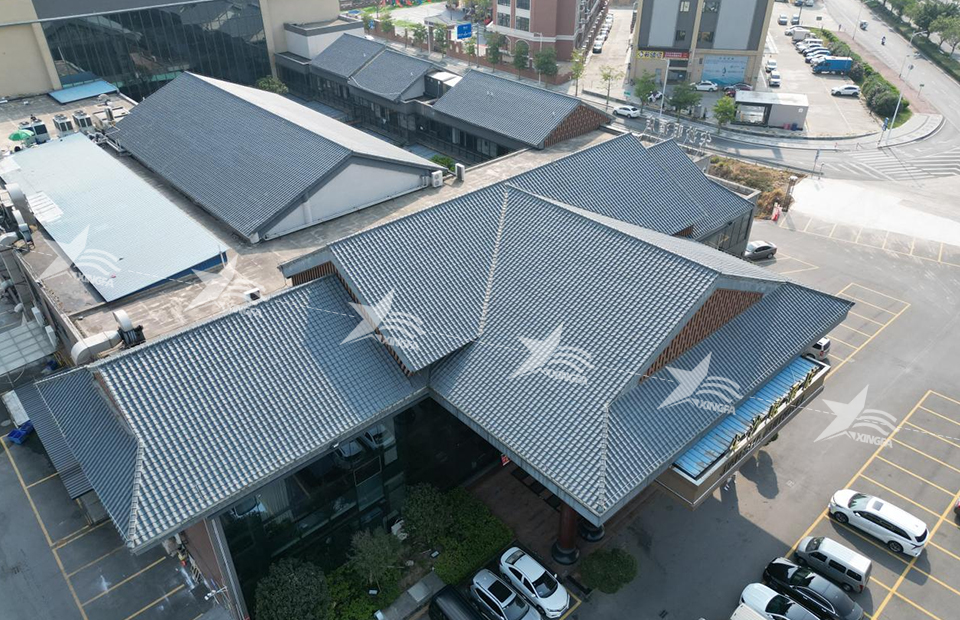
This value-oriented pricing strategy was validated during the post-disaster reconstruction of a 100,000 m² residential resettlement project in Beichuan, Sichuan Province. Xingfa Roofing rapidly delivered a high-performance, cost-effective resin tile solution—completing the project two months ahead of schedule. Eight years later, the installed tiles continue to perform exceptionally well, earning high praise from both the project owner and end-users. Today, Xingfa Roofing’s products are certified under ISO 9001, and the company actively participates in national and industry standard development. Its products are exported to more than 30 countries and regions worldwide and serve numerous large-scale infrastructure and architectural projects—making its developmental trajectory a compelling embodiment of the resin tile industry’s pricing evolution.
Conclusion: Seizing the New Era Opportunity in Resin Tile Pricing
Looking ahead, the resin tile pricing landscape will continue advancing along three defining trajectories: greater standardization and transparency, stronger value orientation, and enhanced price stability and predictability. As the pricing system matures, it will foster a healthier, more rational industry ecosystem.
For enterprises, success hinges on proactively aligning with these trends—focusing relentlessly on product value creation, optimizing cost structures, and institutionalizing transparent, rule-based pricing practices. Only then can they gain strategic initiative in the next wave of competition.
For end users and project stakeholders, selecting brands that comply with industry standards, practice transparent pricing, and articulate clear value propositions ensures superior overall cost-effectiveness—and reduces long-term lifecycle costs.
With the construction industry’s accelerating demand for green, eco-friendly, and high-performance building materials, the resin tile sector is poised for substantial growth. The ongoing restructuring of pricing logic will serve as a catalyst, propelling the entire industry into a new phase of high-quality, sustainable development. Enterprises that act early, stay committed to value-driven strategies, and invest deliberately in foundational capabilities are destined to emerge as tomorrow’s industry leaders.