AR
AR  EN
EN  ES
ES  RU
RU Three waterproofing treatments in the construction of synthetic resin tile roofs
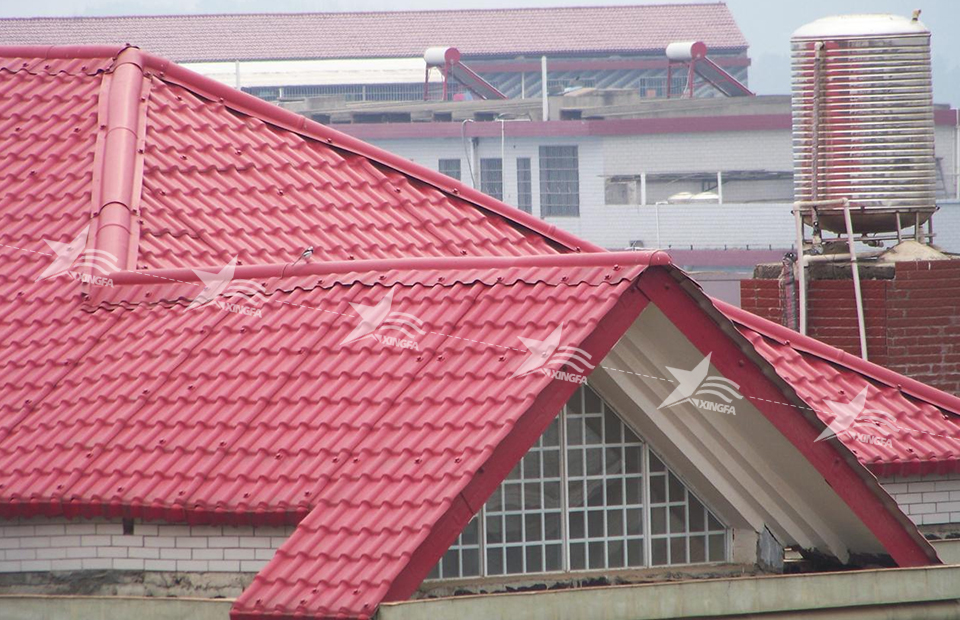
In roof construction, the operation of waterproofing treatment is of great significance. Especially when synthetic resin tiles are used as roofing materials, the waterproofing treatment at the joints is even more crucial to the overall performance and service life of the roof. So, in the installation and construction of synthetic resin tiles, what are the three details that we must pay attention to?
1. Sunroof waterproofing.
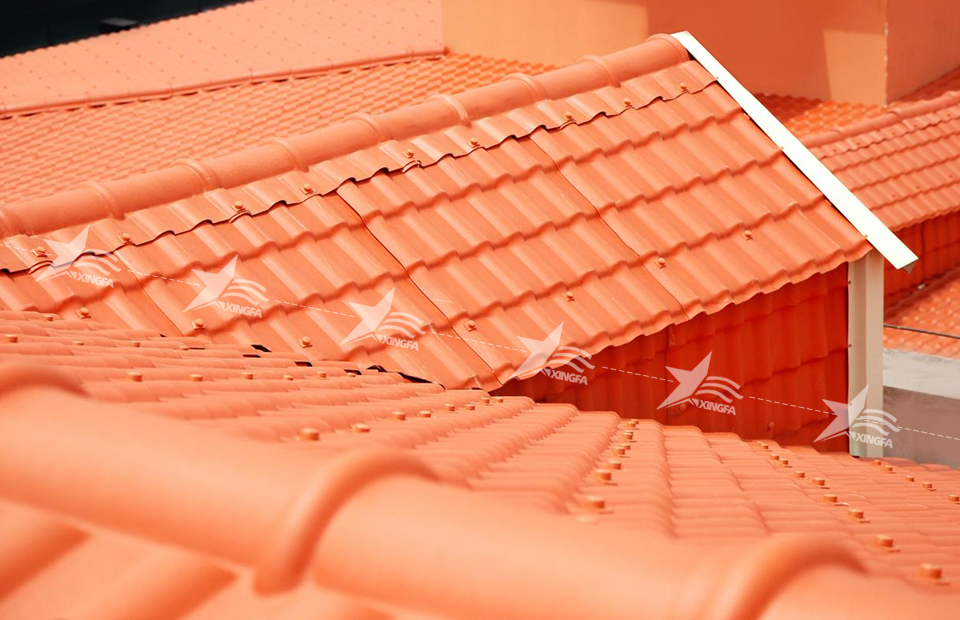
Skylights are a common weak point on roofs. If the waterproofing treatment is not in place, it may lead to rainwater leakage. Before installing the synthetic resin tiles, first fix the metal plates on both sides of the skylight at the upper slope of the roof to ensure they fit closely. Then, after installing the tiles on the upper and lower slopes of the skylight, the final step is to cover the metal drainage panels on the skylight. This multi-protection approach effectively prevents possible water leakage problems at the skylight.
2. Chimney waterproofing.
The chimney on the roof is also a key area in waterproofing construction. Because the chimney and the synthetic resin tile intersect on all four sides, special care is needed in handling them. Chimney waterproofing can be divided into two methods: front flooding and curved flooding. The front flashing involves placing resin tiles on the upper slope of the chimney and then customizing metal plates to the actual size, processing them into flashing-type plates for covering. For the bending and flashing water, custom metal plates need to be installed on both the side and back of the chimney to ensure that every joint can effectively prevent water.
3. Waterproofing of dormer Windows and eaves.
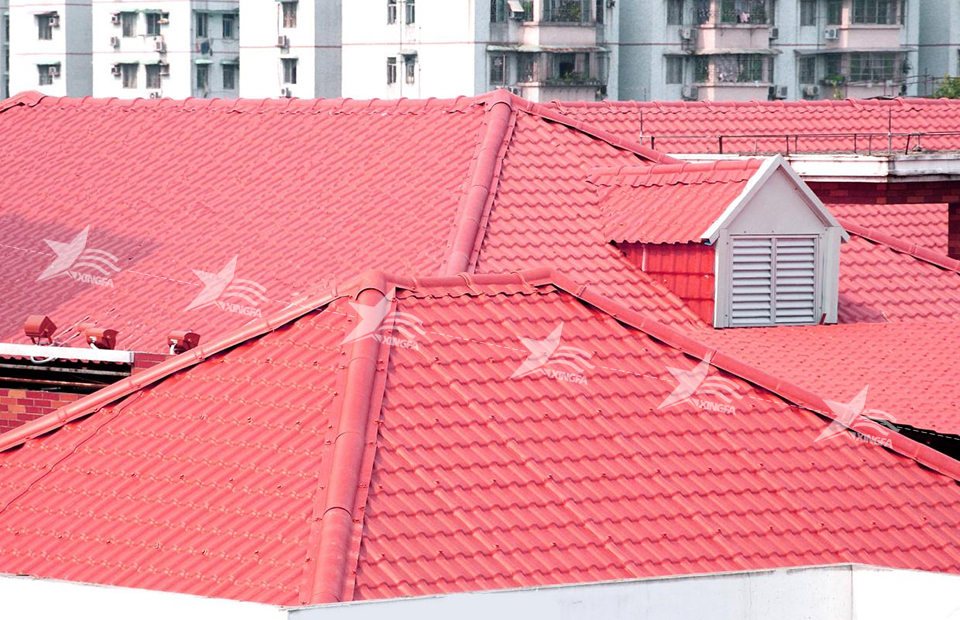
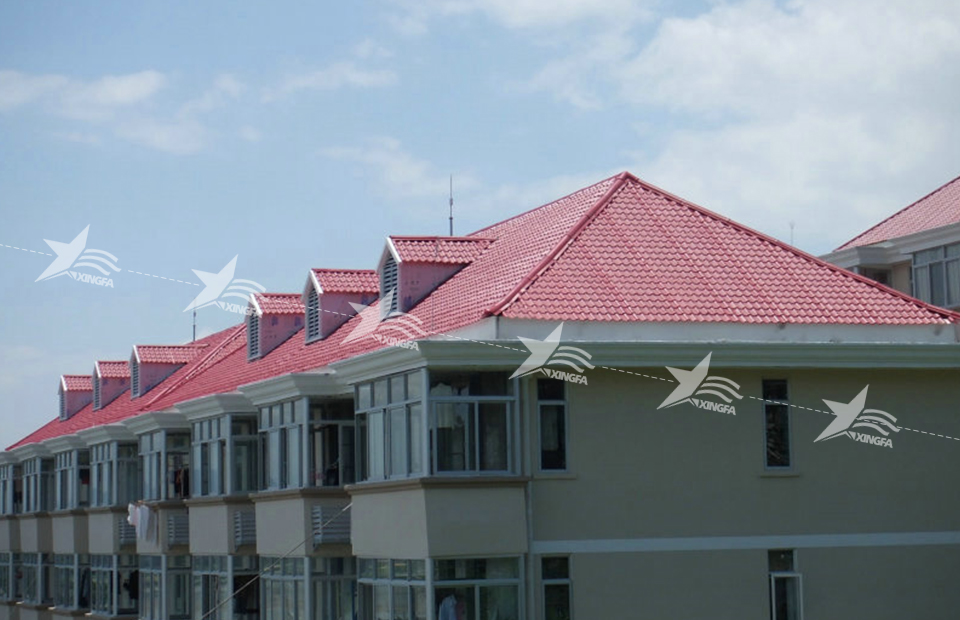
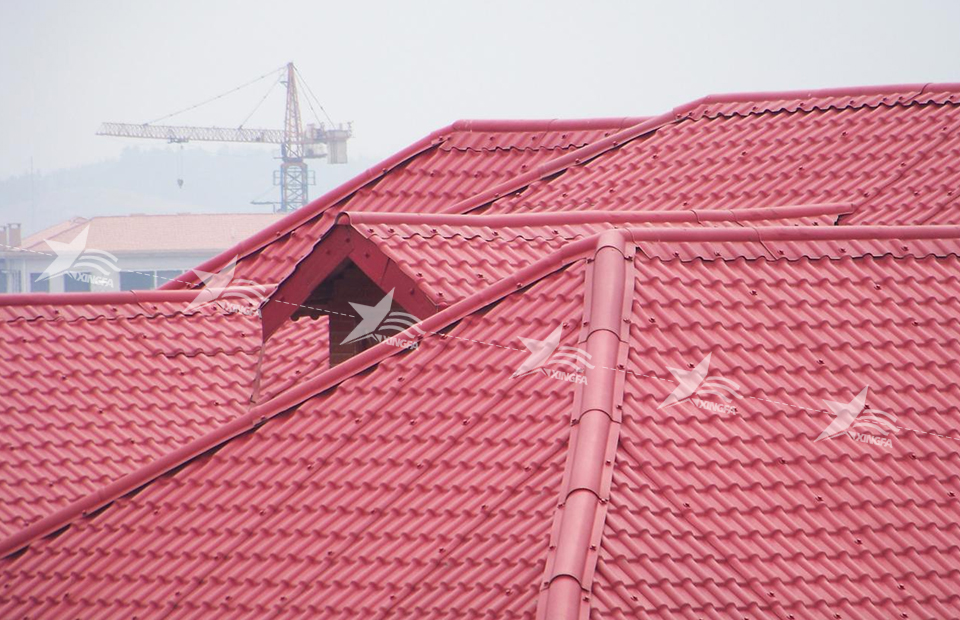
The waterproofing treatment around the dormer window is also a key detail that cannot be ignored. When installing resin tiles, the drainage channels should be installed on both sides above the dormer Windows. This can effectively guide rainwater towards the roof’s drainage system. At the same time, the eaves and sides of the house also need to be properly drained. It is recommended to use metal drip panels or synthetic resin eaves panels at the eaves position. Extend them 100mm inward from the roof eaves and then bend down to cover the eaves to ensure no leakage hazards are left.